

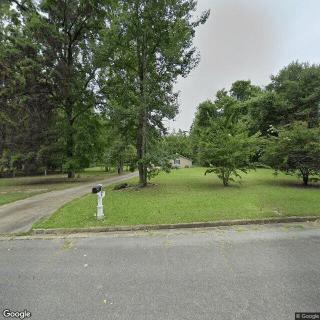
7565 Butner Road, Fairburn, GA 30213
For more information about senior living options: (866) 208-4318
We Care Residential Services IV Costs & Pricing
We Care Residential Services IV offers competitive pricing for its services, providing a more affordable option compared to the average costs in Fulton County and the broader state of Georgia. For semi-private rooms, residents can expect to pay $1,265 per month, significantly lower than the county's average of $2,883 and the state's rate of $2,529. Similarly, private room accommodations at We Care Residential Services IV are priced at $1,365, which stands in stark contrast to the higher local average of $3,203 and the statewide figure of $2,864. This pricing structure underscores We Care Residential Services IV's commitment to offering quality care while ensuring that financial accessibility remains a priority for those seeking residential support.
| Floor plans | We Care Residential Services IV | Fulton County | Georgia |
|---|---|---|---|
| Semi-Private | $1,265 | $2,883 | $2,529 |
| Private | $1,365 | $3,203 | $2,864 |
Assisted Living communities with a similar price nearby
-
from -$65 / mo
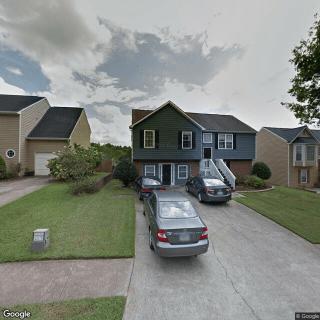
Yellow Rose Manor Pch
$1,200 to $1,500 / month14.3 miles away -
from +$235 / mo
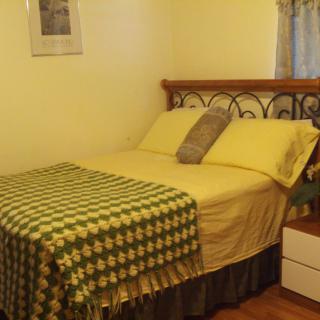
Lend A Hand Personal Care Home
$1,500 to $2,000 / month16.7 miles away -
from +$235 / mo

Joy's Manor Pch
$1,500 to $4,000 / month23.6 miles away -
from +$239 / mo

Wesley Woods Towers
$1,504 to $2,973 / month20.8 miles away -
from +$235 / mo
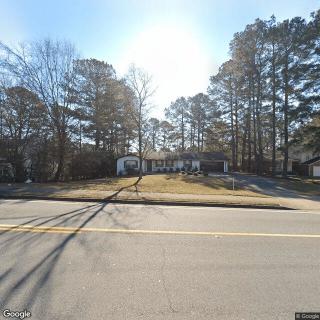
Trinity Care Home
$1,500 to $2,500 / month25.0 miles away
Overall Review of We Care Residential Services IV
Pros
 They keep everything clean.
- The staff are nice.
Cons
 Oasis Of Love IV needs to improve its staff's knowledge of giving medications to residents.
- The staff require more instruction on medication administration.
- The facility gave meat to a resident after being told not to, indicating a failure to follow instructions.
- Although the facility is clean and the staff are friendly, there is a need for more education on certain things.
Review
This community is best suited for families seeking a small, home-like setting where daily life feels orderly and the atmosphere is welcoming. The standout positives are a clean environment and staff who come across as friendly and approachable. For residents who primarily need routine assistance with daily activities and value a reassuring, personable staff presence over clinical intensity, this setting can deliver comfort and consistency in day-to-day living.
However, serious caveats push many families to consider alternatives. The strongest concern is medication management. The few notes from reviewers flag gaps in staff training around administering drugs, with explicit examples of instructions being ignored or not followed. For anyone relying on timely, accurate medication administration or on trained oversight of medical needs, this is a potential red flag. In short, residents who require reliable medication protocols or who have complex medical regimens should not overlook this risk and should actively explore whether there is RN supervision, standardized procedures, and a robust training plan in place.
The positive attributes, cleanliness and amiable staff, do partially offset the drawbacks, but they do not fully compensate for the core safety issue. A tidy, well-kept facility reduces anxiety about living conditions and supports overall well-being, while approachable caregivers improve daily interactions and responsiveness. Yet without proven, consistent medication administration and clear staff education on medical tasks, the day-to-day reliability of care remains uncertain. Families will want to weigh the everyday comfort of a pleasant environment against the potential for medication missteps that could have meaningful consequences.
On the risk side, the reports point to real operational gaps: instructions about medications aren’t consistently followed, and dietary guidelines aren’t always honored (as illustrated by an instance of giving meat contrary to prior guidance). This combination signals a broader challenge: a need for stronger staff training, clearer care plans, and tighter adherence to physician orders. The danger isn’t theoretical; repeated lapses in medication handling and meal compliance can quickly undermine safety and resident confidence. Any potential resident with dietary or medication restrictions should demand concrete assurances about how these are monitored, recorded, and audited.
Prospective families should enter discussions with a focused checklist. Ask who administers medications, what training they receive, and how often competency is refreshed. Request to review medication administration policies, MAR accuracy, and incident reporting processes. Inquire about RN or licensed practical nurse presence, supervision ratios, and the workflow that ensures instructions are followed. Probe meal policies, how dietary orders are communicated and verified, and what happens when there is a discrepancy between orders and actual meals. Finally, request a trial period or a clearly staged transition plan to observe how care teams respond to real-life scenarios before committing.
In the end, this community offers a dependable home-like feel with clean facilities and friendly staff, assets that create daily comfort and ease for residents who don’t demand heavy medical management. The decisive factor remains medication oversight. For families prioritizing safety and clinical rigor, alternatives with stronger nursing protocols or more formal oversight will be a better fit. For those who can tolerate a measured risk and insist on a warm, clean environment with attentive caregivers, and who can stay engaged with care plans and meal instructions, this option can be workable, with the clear understanding that medication administration reliability must be verified and improved before any long-term commitment.
 4 resident community capacity
 Assisted Living
 Board and Care Home
 Cable or satellite TV
 Dining room
 Fully furnished
 Garden
 Housekeeping services
 Move-in coordination
 Outdoor space
 Private
 Telephone
 Wi-Fi/high-speed internet available
 William B Hartsfield-Atlanta International (12 miles away)
 24-hour supervision
 Activities of daily living assistance
 Assistance with bathing
 Assistance with dressing
 Assistance with transfers
 Diabetes diet
 Meal preparation and service
 Medication management
 Special dietary restrictions
 Transportation arrangement (medical)
 Transportation to doctors appointments





 Securing Financial Support for Assisted Living: A Comprehensive Overview
 Social Security Benefits and Assisted Living: Navigating Options Across the U.S.
 An Extensive Exploration of the VA Aid and Attendance Benefit