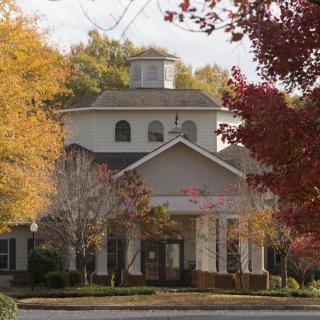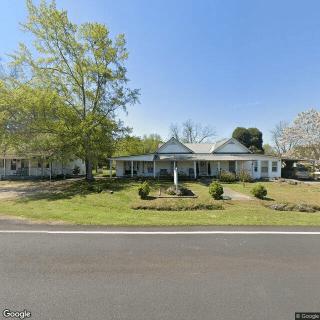

Magnolia Estates in Elberton, GA

Save

  • Interior

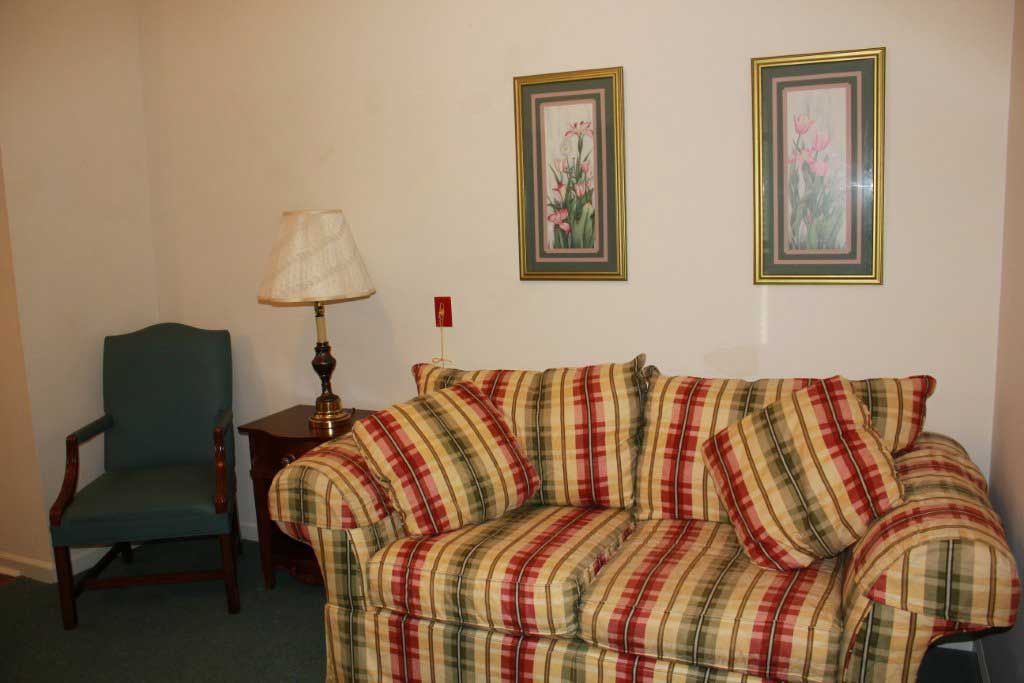
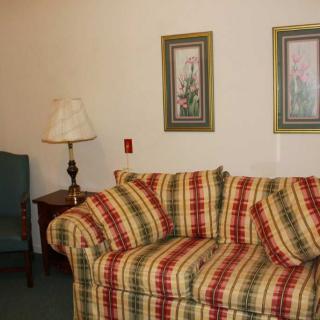
    A cozy living room with a striped sofa, a lamp, and framed wall art.
  • Decor

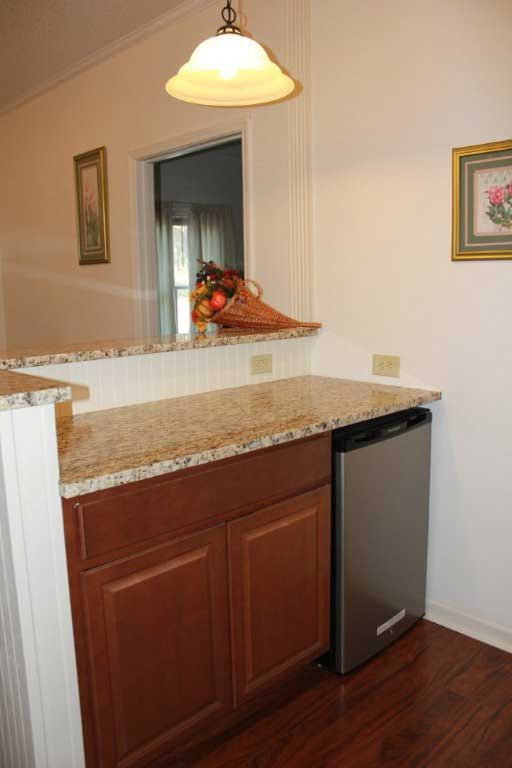
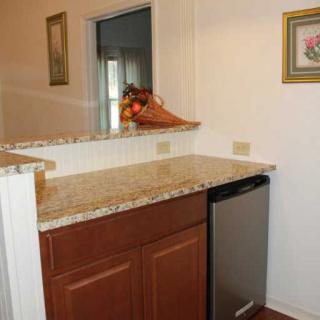
    A kitchen area with a granite countertop, wooden cabinets, and a dishwasher.
  • Living Room

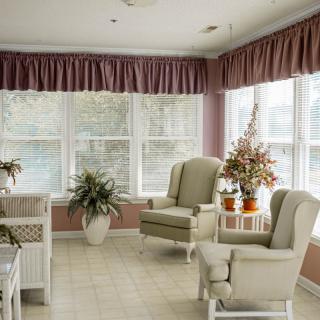
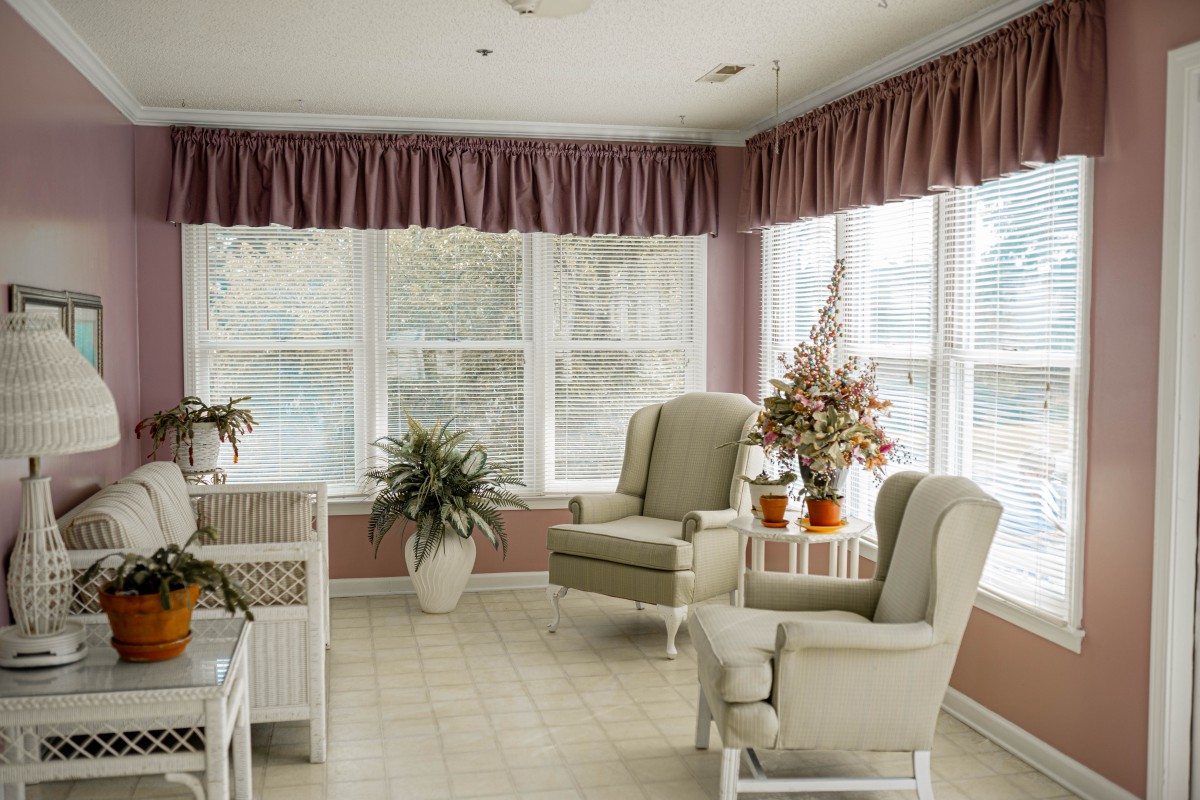
    A cozy sunroom with large windows, elegant chairs, and potted plants.
  • Building

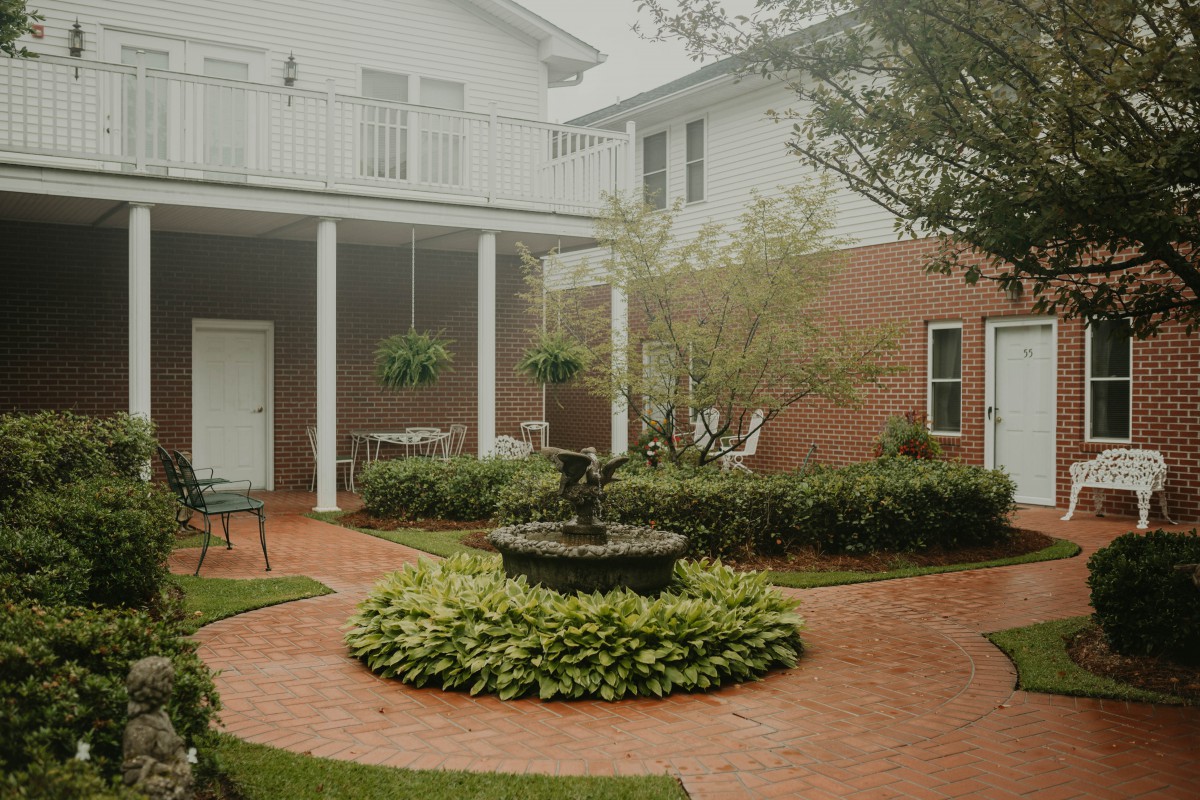
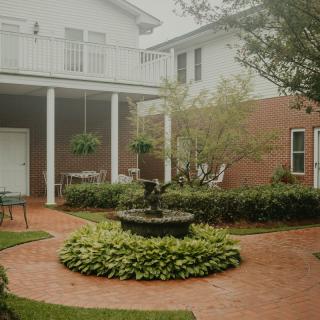
    A serene courtyard featuring a central fountain, surrounded by lush greenery and a brick pathway.
  • Architecture

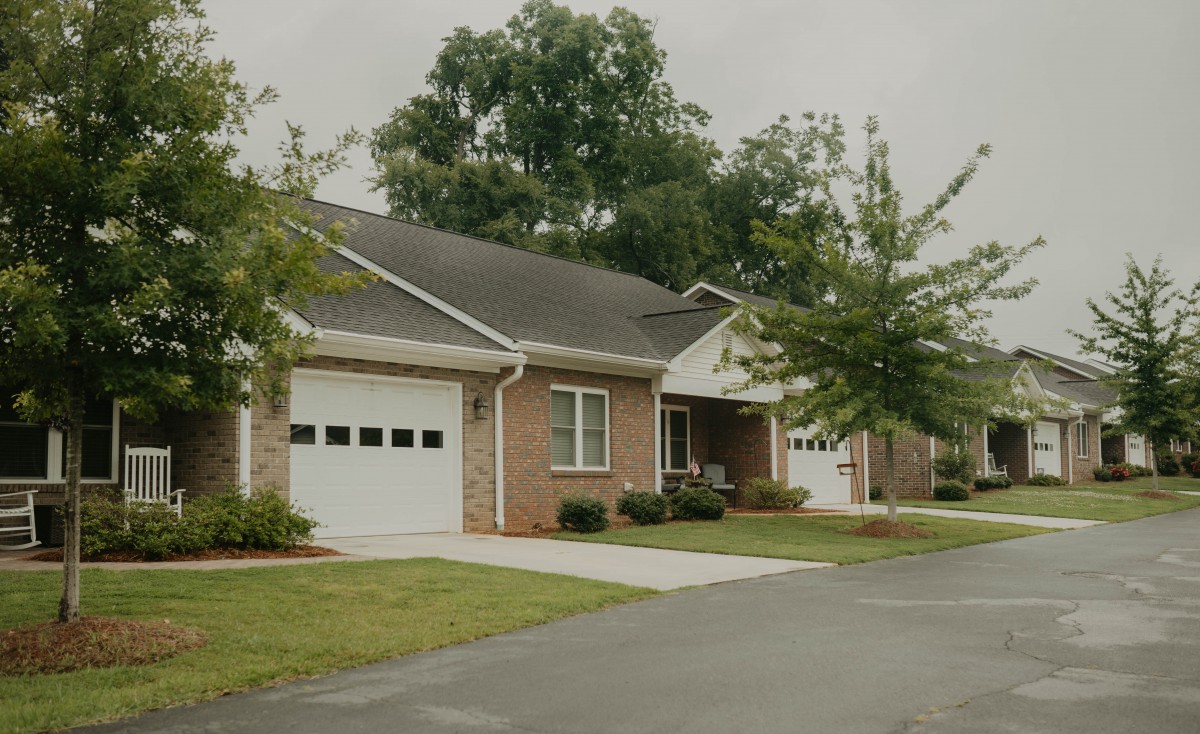
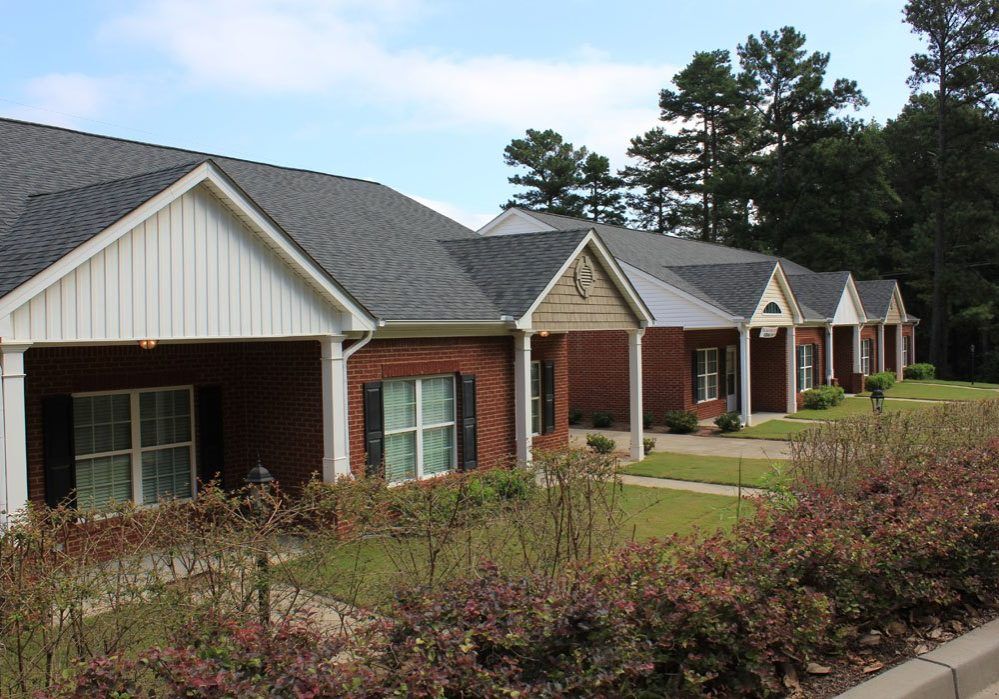
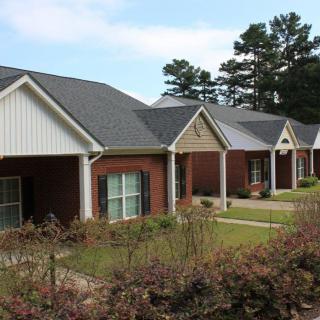
    A row of suburban houses with well-maintained lawns.
  • Bedroom

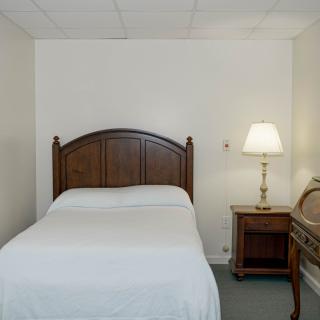
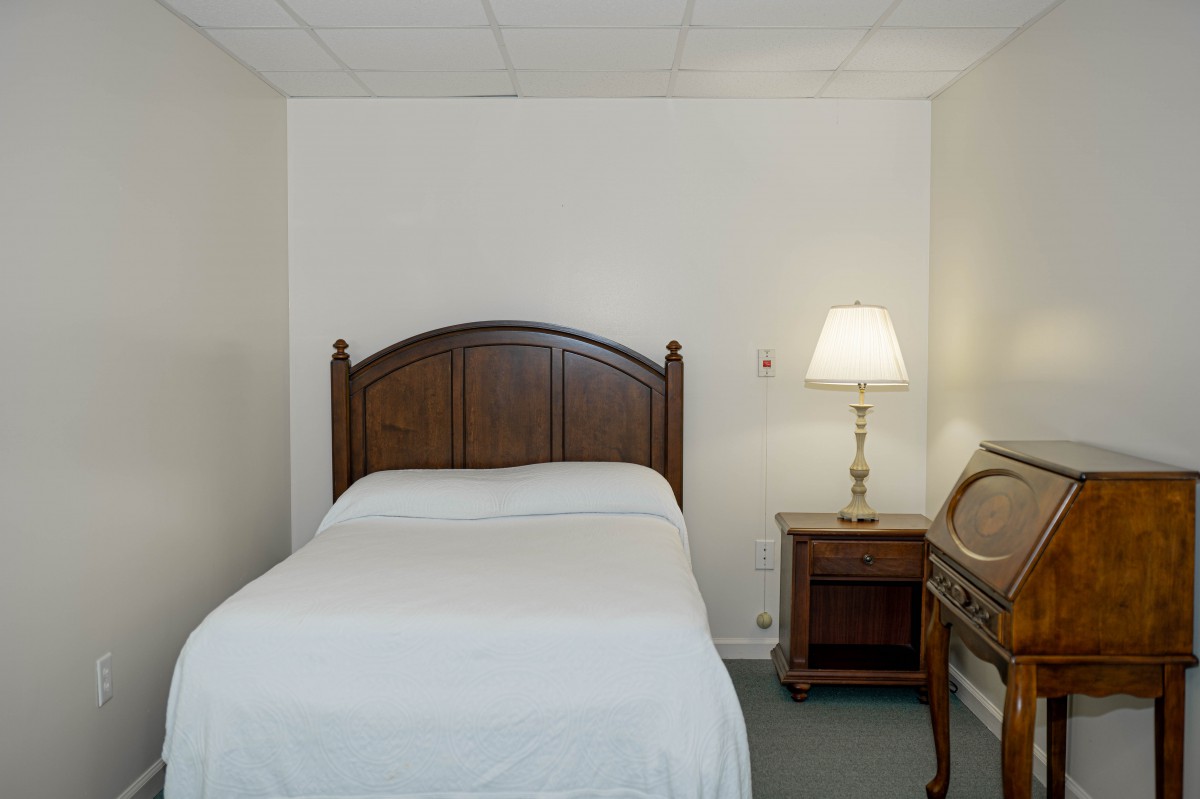
    A simple bedroom with a single bed and a nightstand with a lamp.
  • Trees

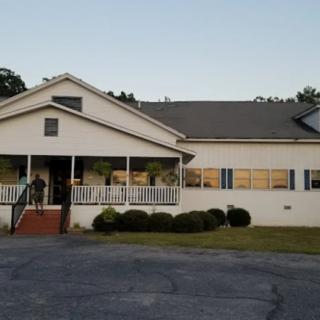
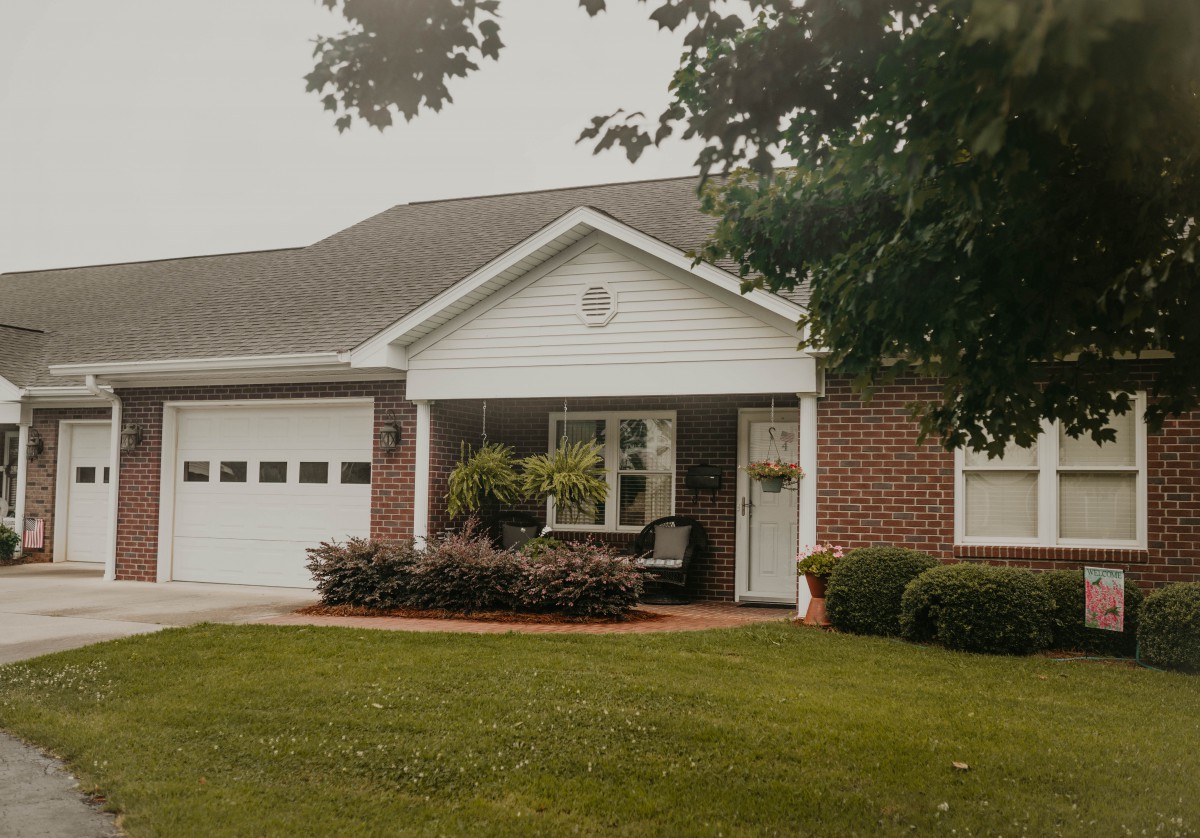
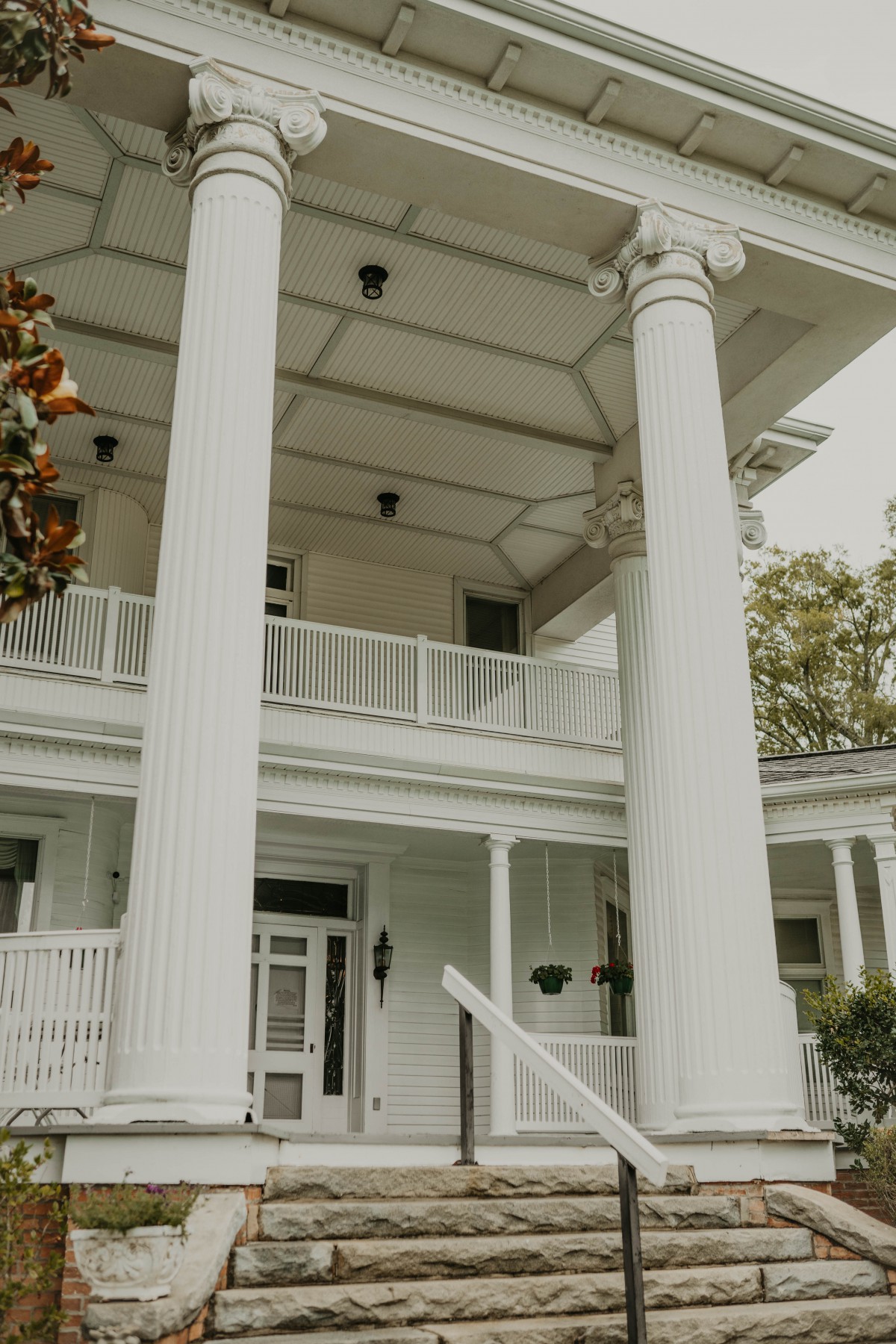
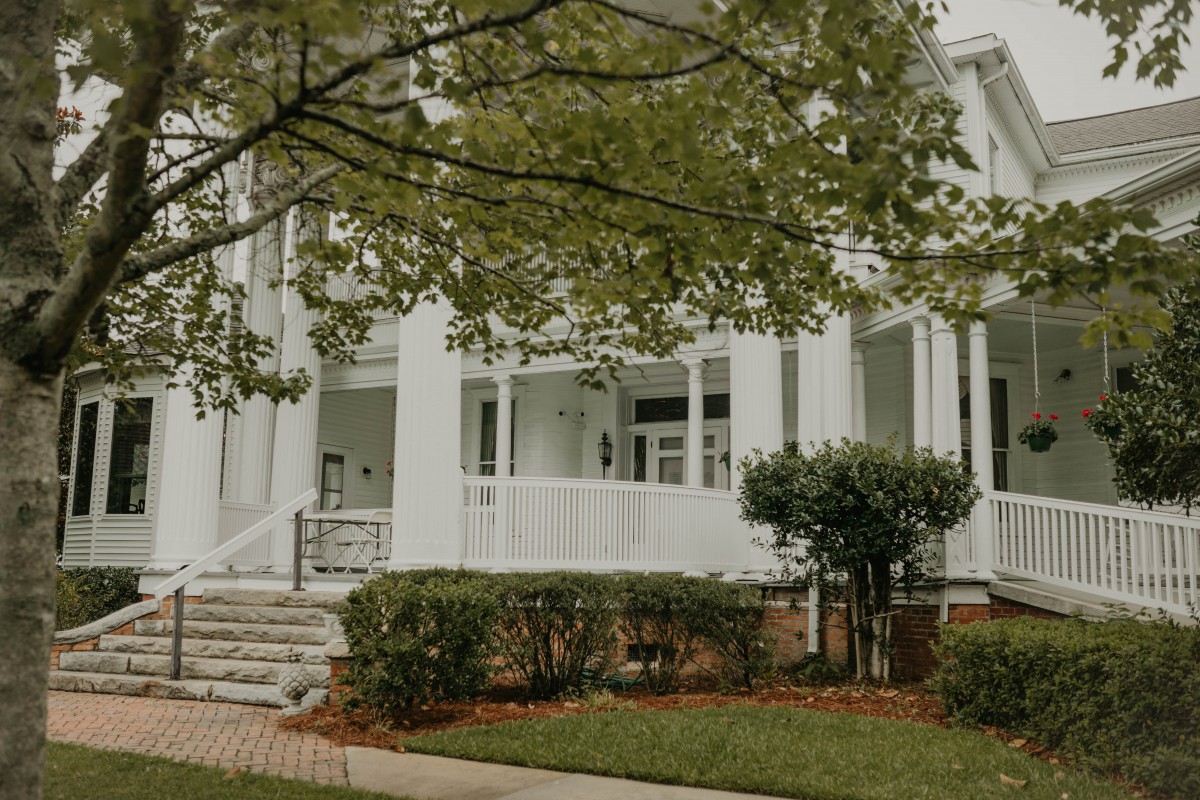
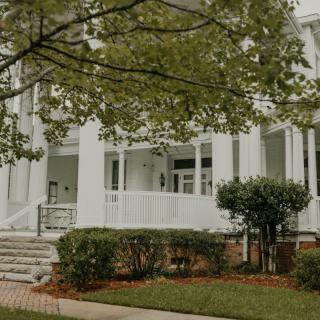
    A white house with a porch, surrounded by trees and a neatly trimmed garden.
  • Windows

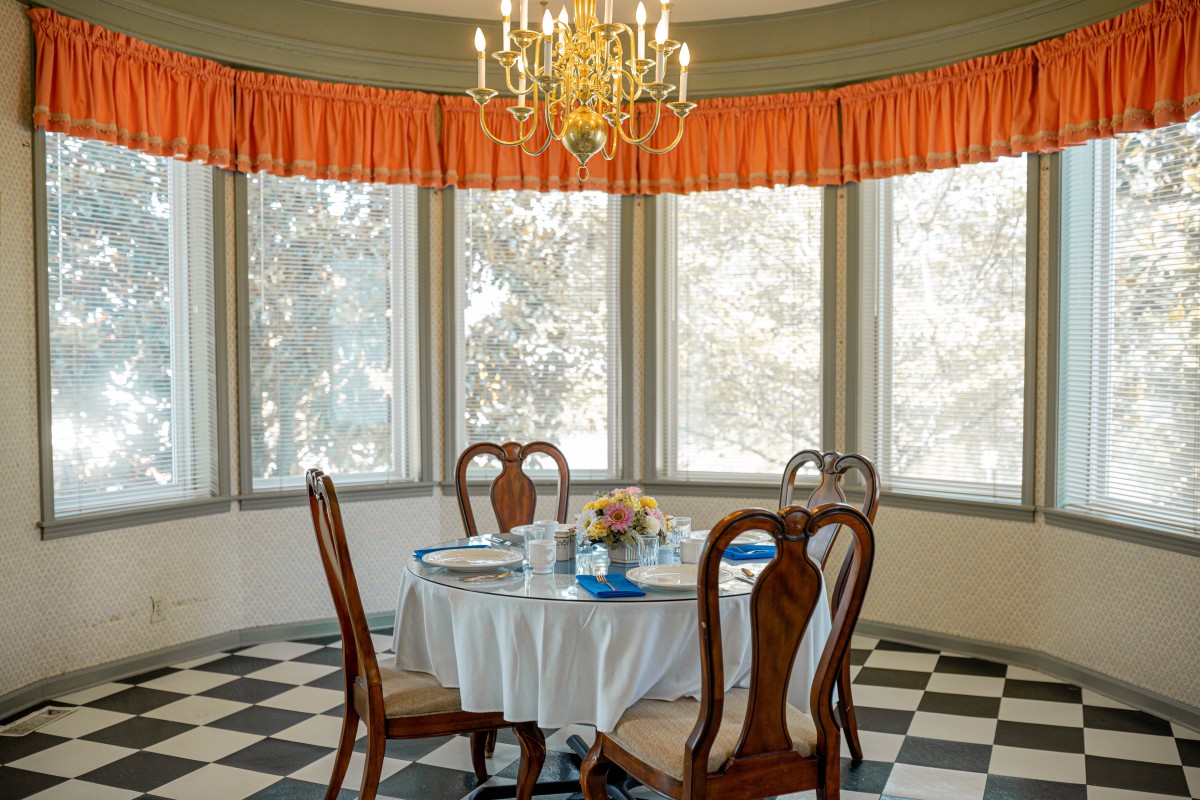
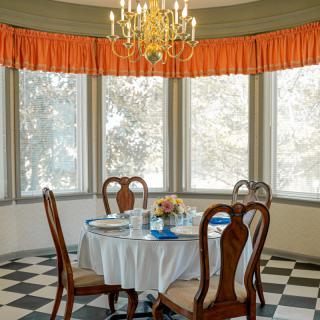
    Elegant dining room with a round table set for breakfast, featuring large windows and a classic chandelier.
  • Dining

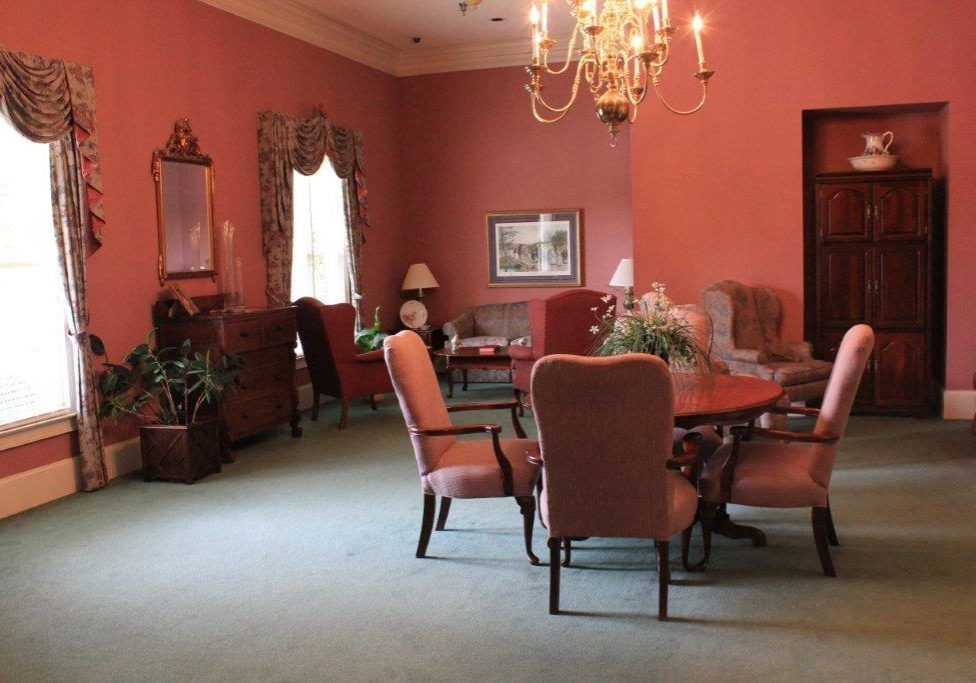
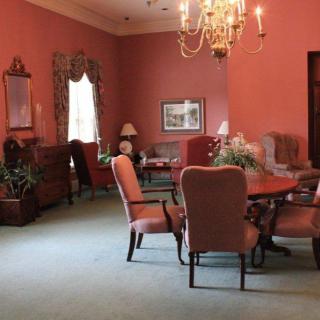
    A traditional dining room with pink walls, an elegant chandelier, and classic furniture.
  • Landscaping

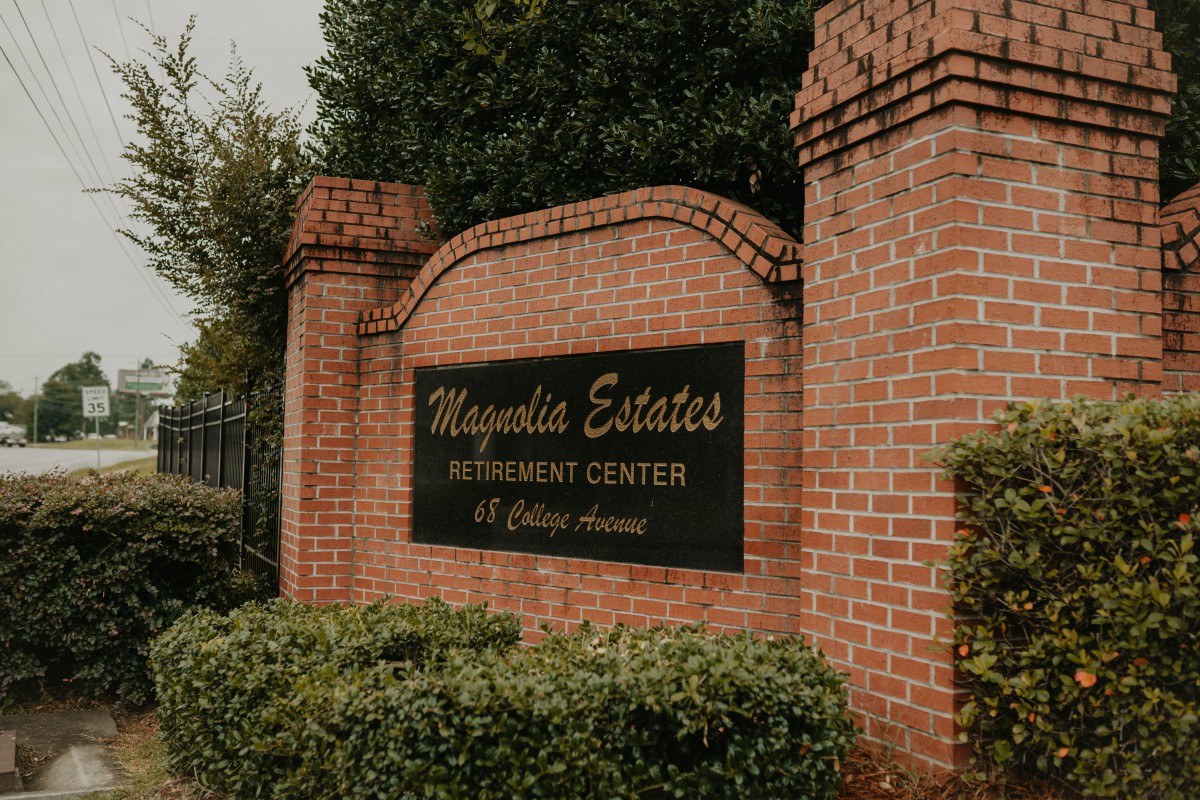
    Entrance sign for Magnolia Estates Retirement Center, mounted on a brick wall surrounded by greenery.
  • Lighting

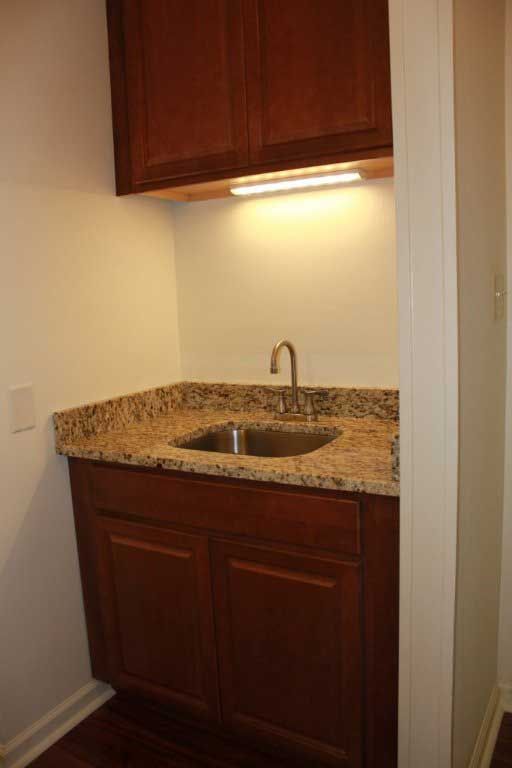
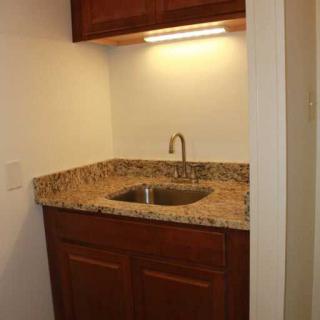
    A compact kitchenette area with a granite countertop and wooden cabinets.
  • Artwork

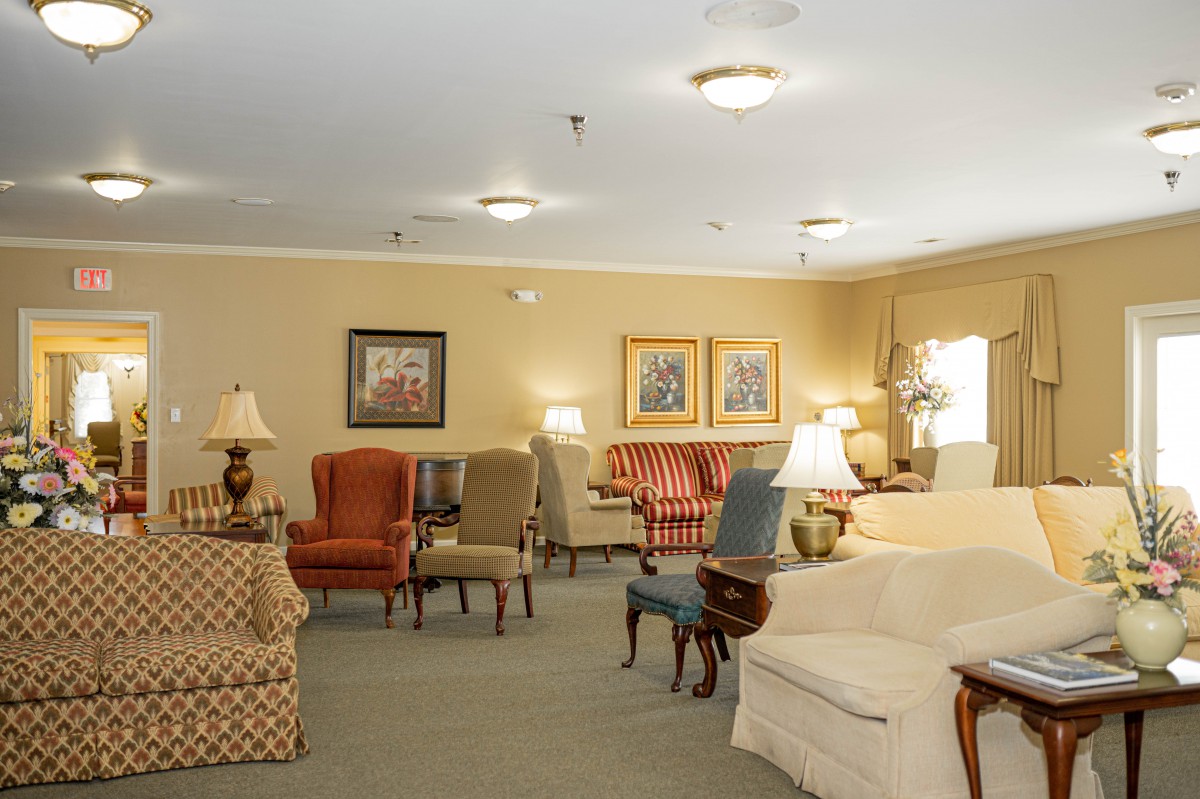
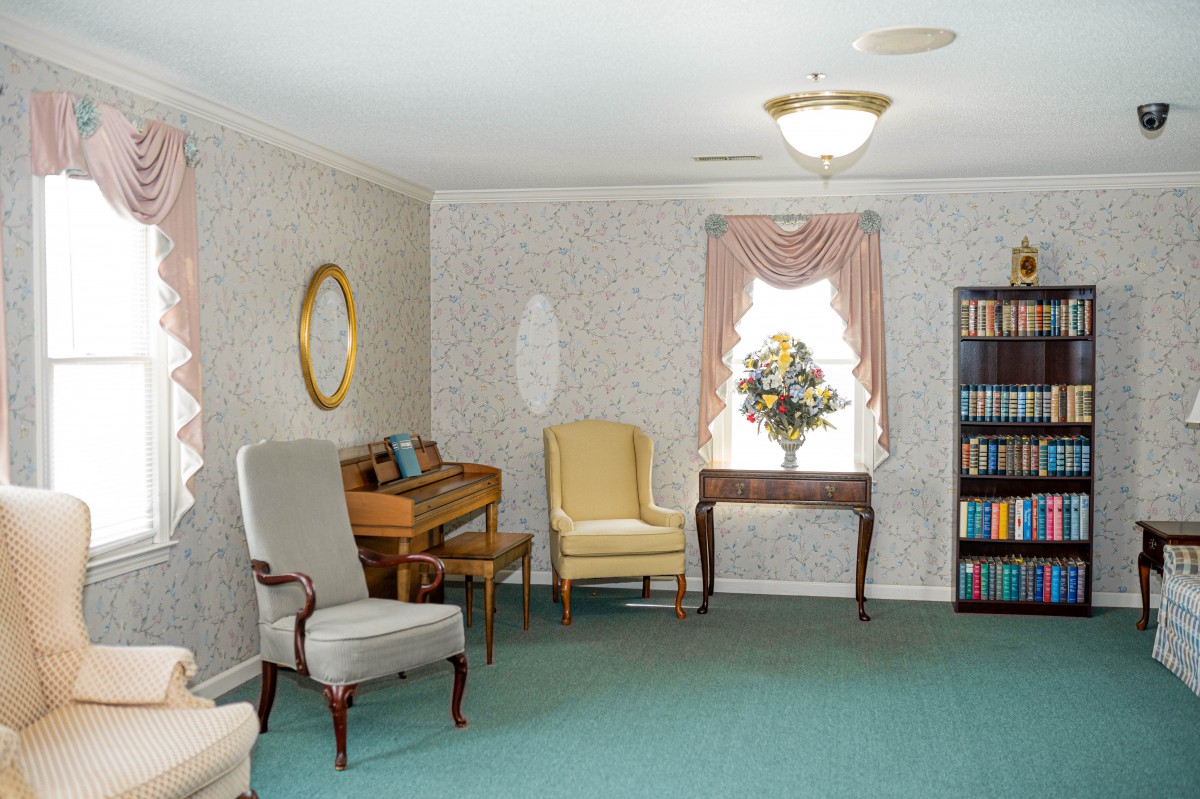
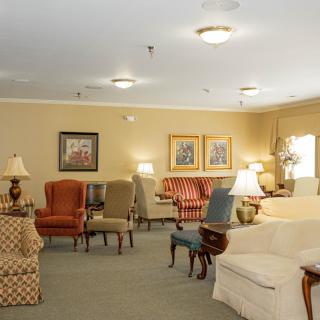
    A cozy living room with a variety of chairs, sofas, artwork on the walls, and warm lighting.
  • Bathroom

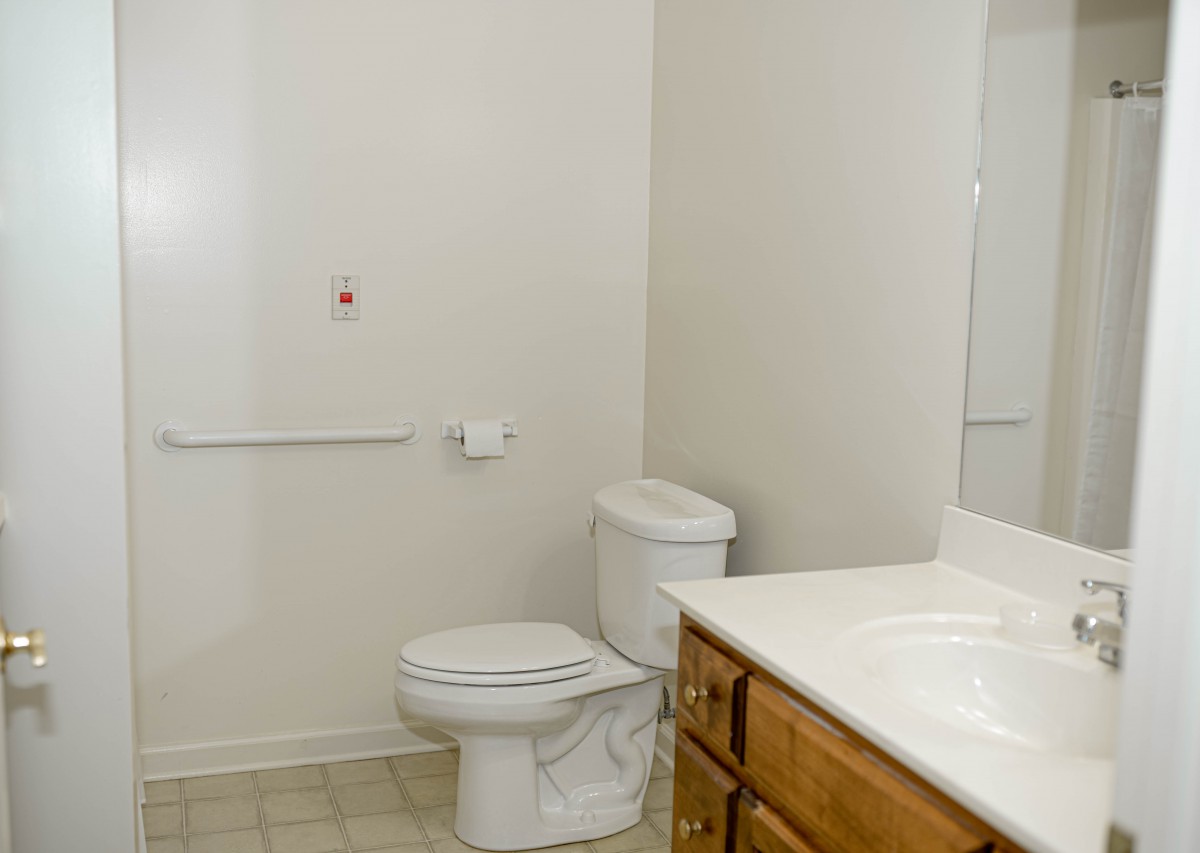
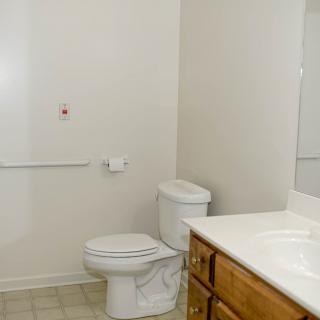
    A clean bathroom featuring a toilet, sink with a wooden cabinet, and a mirror.
  • Television

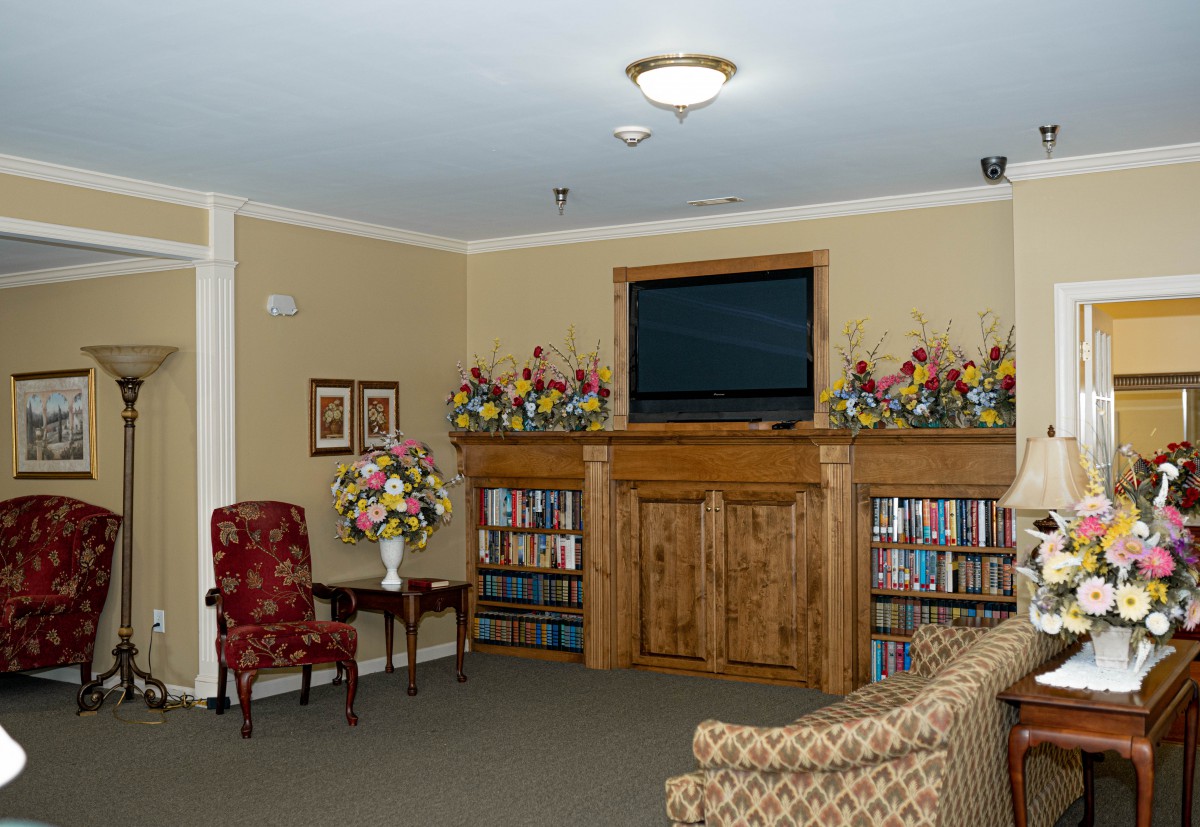
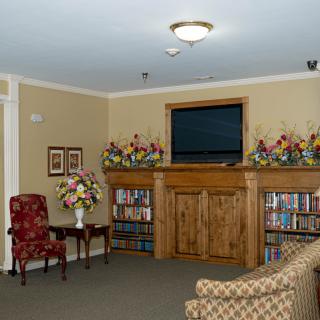
    Cozy living room with a mounted television, bookshelves, and floral decor.

Magnolia Estates in Elberton, GA

68 College Avenue, Elberton, GA 30635

For more information about senior living options: (844) 490-3973

2.4 from 7 reviews
5 stars
2
4 stars
0
3 stars
1
2 stars
0
1 stars
4

Assisted Living Independent Living Respite Care

Magnolia Estates Costs & Pricing

Magnolia Estates offers competitive pricing for its accommodations compared to both Hart County and the broader state of Georgia. For instance, a studio at Magnolia Estates is priced at $3,148 per month, significantly lower than Hart County's average of $4,239 and slightly below Georgia's statewide average of $3,520. The one-bedroom option stands at $3,833, which again undercuts Hart County's rate of $5,099 while remaining higher than the state's average of $3,412. The two-bedroom units are uniquely positioned as they match Hart County's price at $4,153 but exceed Georgia's average cost of $3,921. Overall, residents at Magnolia Estates benefit from more favorable rates across most room types when compared to local and state averages, making it an attractive choice for individuals and families seeking quality living arrangements.

Floor plansMagnolia EstatesHart CountyGeorgia
Studio$3,148$4,239$3,520
1 Bedroom$3,833$5,099$3,412
2 Bedrooms$4,153$4,153$3,921

Overall Review of Magnolia Estates

Pros

  • pro The staff at Magnolia Estates are really friendly.
  • pro They have been a huge help with residents' care.
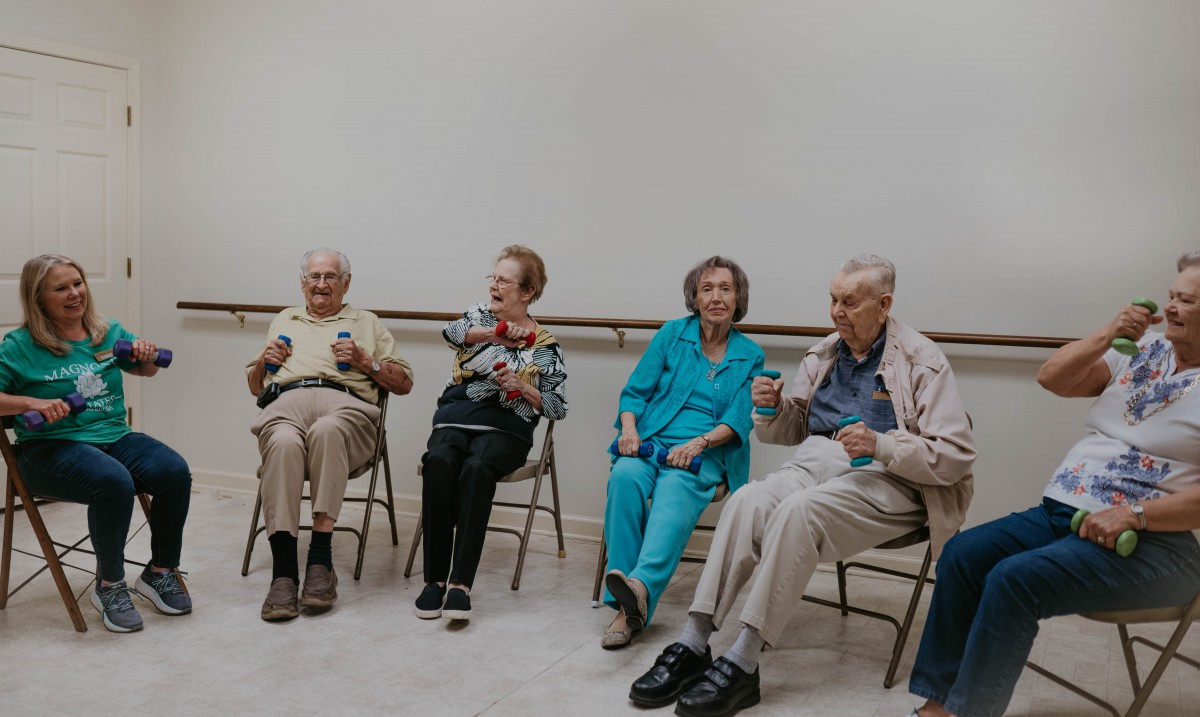
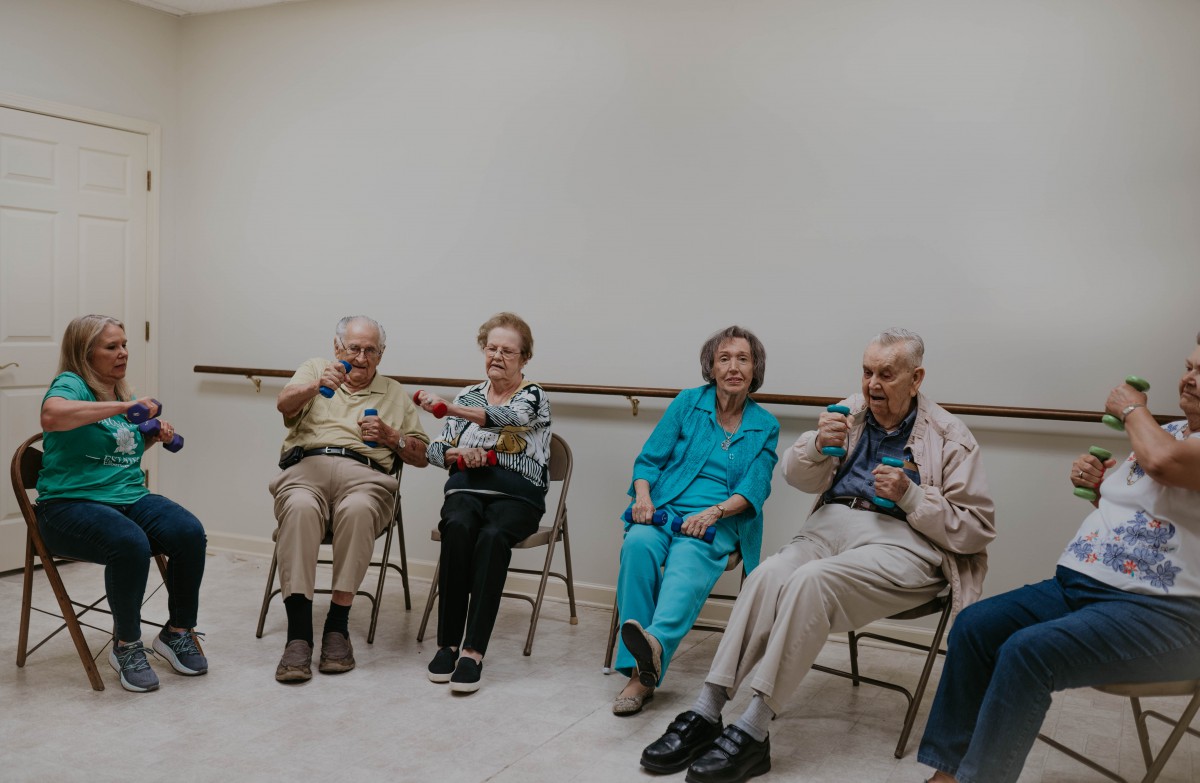
  • pro Magnolia Estates offers a fair amount of activities for residents.
  • pro The location, quality of care, and cleanliness are strong points.
  • pro The overall experience with Magnolia Estates has been great so far.

Cons

  • pro They do not care about patients at all.
  • pro They tell workers not to talk to residents just to get the job done.
  • pro They only care about a paycheck and not about anyone else.
  • pro The head person fails to help her staff and does not come in when staff don't show.
  • pro They should resign because they don't care.
  • pro They left doors unlocked, allowing a resident to wander outside and be found on the ground.
  • pro They don't do their job but want lots of money and blame others.

Review

Magnolia Estates in Elberton is best suited for families who will actively oversee care and value a convenient location with an observable level of daily attention from staff. The reviews suggest that when the team is present and engaged, residents receive friendly, helpful assistance and there is a workable slate of activities and attention to cleanliness. For families who can dedicate time to ongoing communication with administration and care staff, this community can feel approachable and approachable in the moment. The bottom line is that Magnolia Estates rewards hands-on families who will advocate and step in when needed, rather than those seeking a seamless, consistently managed experience without active family involvement.

Those who should consider alternatives are families facing high or specialized care needs, or those who require a consistently proactive management team. The most persistent concerns in the feedback center on leadership and accountability, not the day-to-day surface care. Would-be residents who must rely on dependable oversight, predictable safety practices, and measurable, steady staffing should explore other options. For dementia care, high supervision, or rapid interventions, Magnolia Estates appears unlikely to deliver the steadiness and transparency that many families expect from an assisted living arrangement.

On the positive side, the strongest takeaway is that a segment of staff can be genuinely kind and supportive, and some reviewers observed tangible help with daily care. When management alignment is solid and the environment feels clean, there is a sense that residents enjoy activities and the overall atmosphere is manageable. The location itself also factors into a favorable impression, and families note that the care quality and cleanliness sometimes align with expectations in practice. These off-ramps - genuine staff warmth, meaningful activities, and a pleasant physical setting - do offer real value in the right circumstances and with consistent leadership behind them.

However, the weight of the negative experiences cannot be dismissed. Reports of leadership leaving staff unsupported, and expectations not being met by the administrative team, cast a long shadow. Comments suggest a disconnect between what families are promised and what staff experience on shift, with one account describing a head administrator who fails to assist when staff are absent. Such gaps matter because they translate into inconsistent resident monitoring, less reliable problem solving, and a perception that care is reactive rather than proactive. The most troubling anecdotes involve security lapses - unlocked doors and a resident wandering - raising urgent questions about resident safety and the reliability of supervision.

Operationally, several reviews point to a mismatch between being marketed as assisted living and the actual level of attentiveness observed. One account paints the picture of an "easy" night shift that may reflect insufficient coverage or a prioritization of task completion over compassionate engagement. When this is paired with repeated complaints directed at care coordination and responsiveness, the result is a fragile trust foundation. Families should plan for parallel tracks of communication: expect updates and documentation, but verify through direct observation and conversations with multiple staff levels and, if possible, a trial or short-term engagement that clarifies daily routines, response times, and safety practices.

The practical path for families evaluating Magnolia Estates is to enter with a clear checklist and a plan for ongoing review. Ask to see current staffing schedules and turnover rates, request direct conversations with frontline caregivers, and probe how security is managed on the floor - especially for residents with wandering history. Inquire about emergency response protocols, daily care plans, and the method for escalating concerns to administration. Tour during varied shifts to gauge consistency, and insist on a transparent discussion about fees, what is included, and how adjusted levels of care would be implemented if needs increase. If steady leadership, reliable safety practices, and visible, proactive communication cannot be confirmed, alternatives that emphasize stronger governance and more predictable care should be prioritized. Magnolia Estates can work for the discerning family that is prepared to supervise closely; for those needing dependable, ???????? oversight and safety, other options will likely deliver greater peace of mind.

Features

Housing

  • 50 resident community capacity 50 resident community capacity

Types of Care

  • Assisted Living Assisted LivingAssisted living facilities provide crucial support and care for seniors who may need help with daily tasks such as medication management, bathing, and meal preparation. These communities offer a safe and comfortable environment where seniors can maintain their independence while receiving the assistance they need to thrive in their golden years.
  • Independent Living Independent LivingIndependent living communities are important for seniors because they offer a safe and supportive environment where older adults can live independently while still having access to amenities and services that enhance their quality of life. These communities provide social opportunities, recreational activities, and assistance with daily tasks, promoting overall well-being and allowing seniors to maintain their independence for as long as possible.
  • Respite Care Respite CareRespite care provides temporary relief for caregivers, allowing them to recharge and attend to their own needs. It also gives seniors the opportunity to socialize, receive professional care, and experience a change of scenery, promoting overall well-being and reducing feelings of isolation.

Amenities

  • Activities on-site Activities on-siteActivities on-site are important for seniors because they provide opportunities for socialization, mental stimulation, physical activity, and overall well-being. Engaging in activities can help seniors stay active, maintain their independence, and improve their quality of life.
  • Bath tubs Bath tubsBath tubs are important for seniors because they provide a safe and relaxing way to bathe, helping to prevent slips and falls while promoting independence and overall well-being.
  • Beauty salon Beauty salonBeauty salons are important for seniors because they provide a space for them to feel pampered, socialize, and maintain their personal grooming and hygiene. Regular visits to a beauty salon can help boost seniors' self-esteem and overall well-being.
  • Cable or satellite TV Cable or satellite TVCable or satellite TV is important for seniors because it provides entertainment, news, and companionship, helping to combat loneliness and boredom. It also offers a wide range of programming options tailored to different interests and preferences.
  • Devotional services off-site Devotional services off-siteDevotional services off-site are important for seniors as they provide spiritual nourishment, social engagement, and a sense of community outside of the senior living facility. This can enhance overall well-being and help combat feelings of isolation and loneliness often experienced by older adults.
  • Dining room Dining roomDining rooms are important for seniors as they provide a space for socialization, connection, and nutritious meals. They offer opportunities for residents to bond over shared meals, foster a sense of community, and promote healthy eating habits. Dining rooms also ensure that seniors have access to well-balanced meals tailored to their dietary needs and preferences.
  • Fully furnished Fully furnishedFully furnished senior living communities are important for seniors because they provide convenience, comfort, and a hassle-free moving experience. Seniors can easily settle into their new living space without the stress of having to buy and move furniture. This allows them to focus on enjoying their new home and community.
  • Garden GardenGardens are important for seniors as they provide a peaceful and therapeutic environment for relaxation, physical activity, and socialization. Being in nature has been shown to reduce stress, improve mood, and promote overall well-being. Gardens also offer opportunities for seniors to engage in gardening activities, which can improve mobility, flexibility, and cognitive function. Additionally, gardens create a sense of community and connection with others who share a passion for plants and outdoor spaces.
  • Housekeeping services Housekeeping servicesHousekeeping services are important for seniors because they help maintain a clean and safe living environment, promote independence, and reduce the risk of accidents or illnesses. Additionally, having assistance with household chores can alleviate physical strain and allow seniors to focus on other aspects of their well-being.
  • Indoor common areas Indoor common areasIndoor common areas are crucial for seniors as they provide a space for socialization, recreation, and community engagement, promoting overall well-being and reducing feelings of isolation and loneliness.
  • Kitchenette KitchenetteKitchenettes are important for seniors living in senior living communities because they provide the convenience and independence of being able to prepare simple meals and snacks in the comfort of their own living space. This can help promote a sense of autonomy and well-being for seniors, allowing them to maintain some level of control over their dietary choices and daily routines.
  • Move-in coordination Move-in coordinationMove-in coordination is important for seniors because it helps ease the transition into their new living environment. It ensures that all logistics, such as packing, organizing movers, and setting up utilities are taken care of, allowing seniors to focus on settling in and adjusting to their new home. Having a smooth move-in process can alleviate stress and anxiety, making the transition smoother and more enjoyable for seniors.
  • Outdoor space Outdoor spaceOutdoor spaces are important for seniors as they provide opportunities for physical activity, social interaction, exposure to natural light and fresh air, and a sense of connection to nature. Having access to outdoor spaces can improve overall well-being and quality of life for older adults living in senior communities.
  • Restaurant-style dining Restaurant-style diningRestaurant-style dining is important for seniors because it allows them to enjoy delicious, nutritious meals in a social and upscale setting. This enhances their dining experience, promotes healthy eating habits, and fosters socialization with fellow residents, ultimately contributing to their overall well-being and quality of life.
  • Small library Small librarySmall libraries are important for seniors as they provide access to a variety of reading materials, including books, newspapers, and magazines. This can help stimulate their minds, keep them engaged, and provide a sense of community through book clubs and other social activities. Additionally, reading has been shown to improve cognitive function and overall mental well-being in older adults.
  • Telephone TelephoneTelephones are important for seniors as they provide a lifeline for communication with loved ones, emergency services, and healthcare providers. They offer a sense of security and independence, enabling seniors to stay connected and access assistance when needed.
  • Wi-Fi/high-speed internet available Wi-Fi/high-speed internet availableWi-Fi/high-speed internet is important for seniors to stay connected with loved ones, access online resources, and participate in virtual activities to combat feelings of loneliness and isolation. It also allows them to easily manage healthcare needs, access entertainment, and engage in lifelong learning opportunities.

Care Services

  • 24-hour call system 24-hour call system24-hour call systems are important for seniors because they provide peace of mind and immediate assistance in case of emergencies. This technology ensures that help is always available, promoting safety and security for elderly individuals living alone or in assisted living facilities.
  • 24-hour supervision 24-hour supervision24-hour supervision is important for seniors to ensure their safety, well-being, and access to immediate assistance in case of emergencies or health issues. This constant support provides peace of mind for both seniors and their loved ones, allowing them to age in place with dignity and security.
  • Activities of daily living assistance Activities of daily living assistanceActivities of daily living assistance are important for seniors because they provide essential support with tasks such as eating, bathing, dressing, and mobility. This assistance helps seniors maintain their independence, dignity, and overall quality of life as they age.
  • Ambulatory care Ambulatory care"Ambulatory care services provide essential medical support and treatment to seniors without requiring hospitalization, allowing them to maintain their independence and quality of life while managing chronic conditions or receiving routine medical care."
  • Assistance with bathing Assistance with bathingAssistance with bathing is crucial for seniors as it helps maintain personal hygiene, prevents infections, and ensures their overall well-being and comfort. It also provides a sense of dignity and independence for seniors who may struggle with this task on their own.
  • Assistance with dressing Assistance with dressingAssistance with dressing is important for seniors because it helps maintain their independence, promotes personal hygiene, prevents accidents and injuries, and improves overall quality of life. This service ensures that seniors can continue to dress comfortably and confidently, despite any physical limitations they may have.
  • Assistance with transfers Assistance with transfersAssistance with transfers is crucial for seniors as it helps prevent falls and injuries, maintains their independence, and ensures they can safely navigate their living environment. It also provides peace of mind for both seniors and their loved ones.
  • Diabetes diet Diabetes dietA diabetes diet is crucial for seniors as it helps manage blood sugar levels, reduce risks of complications, and improve overall health and well-being. By following a balanced and nutritious diet tailored to their specific needs, seniors can better control their diabetes and enhance their quality of life.
  • Diabetic care Diabetic careDiabetic care is crucial for seniors as they are more susceptible to developing diabetes due to aging and other health conditions. Proper management of diabetes can help prevent complications such as heart disease, vision loss, and nerve damage, improving the overall quality of life for seniors in senior living communities.
  • Meal preparation and service Meal preparation and serviceMeal preparation and service are crucial for seniors as they may have limited mobility or energy to cook nutritious meals. Having access to healthy and convenient food options can ensure they are getting the proper nutrition needed to maintain their overall health and well-being.
  • Medication management Medication managementMedication management is crucial for seniors to ensure they are taking the right medications at the correct dosages and times. This helps prevent adverse drug interactions, reduces the risk of medication errors, and promotes overall health and well-being. Proactive management also allows for adjustments as needed based on changing health conditions or new prescriptions.
  • Mental wellness program Mental wellness programMental wellness programs are essential for seniors as they promote cognitive stimulation, emotional support, and social engagement. These programs help prevent isolation, depression, and cognitive decline, ultimately enhancing the overall quality of life for older adults.
  • Special dietary restrictions Special dietary restrictionsSpecial dietary restrictions are important for seniors because age-related changes in metabolism and health conditions can make it difficult for their bodies to process certain foods. By following a diet tailored to their specific needs, seniors can maintain their overall health and well-being, manage chronic conditions, and reduce the risk of complications such as malnutrition or food interactions with medications.
Dining

  • Diabetes diet Diabetes dietA diabetes diet is crucial for seniors as it helps manage blood sugar levels, reduce risks of complications, and improve overall health and well-being. By following a balanced and nutritious diet tailored to their specific needs, seniors can better control their diabetes and enhance their quality of life.
  • Kosher KosherKosher options are important for seniors because they adhere to dietary laws that are significant to many Jewish individuals, providing them with peace of mind and an opportunity to maintain their cultural traditions and beliefs while living in a senior living community.
  • Meals provided Meals provided"Meals provided" are crucial for seniors in assisted living communities as it ensures they have access to nutritious, balanced meals without the stress of meal planning and preparation. This can help promote overall health and well-being for seniors who may have limited mobility or cognitive abilities.
  • Special dietary restrictions Special dietary restrictionsSpecial dietary restrictions are important for seniors because age-related changes in metabolism and health conditions can make it difficult for their bodies to process certain foods. By following a diet tailored to their specific needs, seniors can maintain their overall health and well-being, manage chronic conditions, and reduce the risk of complications such as malnutrition or food interactions with medications.
  • Vegetarian VegetarianA vegetarian diet is important for seniors because it can help lower the risk of chronic diseases, maintain a healthy weight, and provide essential nutrients needed for aging bodies. Additionally, plant-based diets are often easier on digestive systems and can contribute to overall well-being in older adults.

Activities

  • Activities on-site Activities on-siteActivities on-site are important for seniors because they provide opportunities for socialization, mental stimulation, physical activity, and overall well-being. Engaging in activities can help seniors stay active, maintain their independence, and improve their quality of life.
  • Community-sponsored activities Community-sponsored activitiesCommunity-sponsored activities are important for seniors as they provide opportunities for social interaction, mental stimulation, and physical activity. These activities can help improve overall well-being, combat loneliness and isolation, and promote a sense of belonging and purpose among older adults.
  • Devotional activities offsite Devotional activities offsiteDevotional activities offsite are important for seniors because they provide social engagement, spiritual growth, and a sense of community outside of their living environment. This can improve overall well-being, mental health, and combat feelings of isolation or loneliness.
  • Resident-run activities Resident-run activitiesResident-run activities are important for seniors as they encourage social interaction, creativity, and a sense of autonomy. These activities empower seniors to stay engaged and active in their community while fostering meaningful connections with their peers.
  • Scheduled daily activities Scheduled daily activitiesScheduled daily activities are important for seniors because they provide structure, socialization, mental stimulation, and physical activity. Engaging in regular activities can improve overall well-being and quality of life for seniors living in a community setting.

Description

The Magnolia Estates in Elberton, GA is a vibrant and welcoming assisted living community that offers a range of care services for seniors. With a focus on promoting independence and providing assistance as needed, residents can enjoy the comfort and security of a supportive environment.

At Magnolia Estates, residents have the option of choosing between Independent Living and Respite Care. This allows individuals to find the level of care that best suits their needs, whether they require minimal assistance or more comprehensive support.

The community offers an array of amenities designed to enhance the quality of life for its residents. Luxurious features such as bath tubs, fully furnished accommodations, and beauty salon services ensure that residents feel pampered and comfortable. The dining room provides restaurant-style dining with nutritious meals catered to various dietary restrictions including kosher, vegetarian, and special dietary needs.

Magnolia Estates also provides various activities to keep residents engaged and entertained. Community-sponsored activities encourage socialization among peers, while devotional activities offsite cater to spiritual well-being. Resident-run activities allow individuals to take charge of their own enjoyment, while scheduled daily activities ensure a structured routine.

Convenience is another key aspect of life at Magnolia Estates. The community is surrounded by numerous amenities such as cafes, parks, pharmacies, physicians' offices, restaurants, places of worship, hospitals, and transportation options. This allows residents easy access to essential services as well as opportunities for outings and exploration.

The dedicated staff at Magnolia Estates are available around the clock to provide 24-hour supervision and assistance with daily living activities including bathing, dressing, transfers, medication management, and meal preparation. A mental wellness program ensures holistic care for residents' emotional well-being.

Overall, Magnolia Estates in Elberton offers a warm and nurturing environment where seniors can thrive while receiving the assistance they need. With its comprehensive care services, upscale amenities, engaging activities, convenient location near essential services,and commitment to resident well-being, Magnolia Estates strives to create a home-like setting where seniors can enjoy their golden years with ease and comfort.

Nearby Places of Interest

This part of Elberton, Georgia, offers a convenient and diverse range of amenities that may appeal to seniors looking for a comfortable and accessible living environment. With multiple pharmacies nearby, such as Madden's Pharmacy and Walgreens, accessing medication and healthcare services is made easy. The proximity to reputable physicians like The Medical Center and Piedmont Heart Institute ensures quality medical care is readily available. Additionally, the variety of restaurants and cafes in the area provide opportunities for dining out or socializing with friends. For recreational activities, parks like McWilliams Park Baseball Fields offer opportunities for outdoor enjoyment and relaxation. The presence of various places of worship allows seniors to engage in spiritual practices if desired. Overall, this neighborhood provides a mix of essential services and leisure options that cater to the needs and preferences of older individuals considering senior living in Elberton.

Pharmacies

  • Madden's Pharmacy (0.1 miles)
  • Walgreens (0.2 miles)
  • Epic Pharmacies (0.2 miles)
  • CVS Pharmacy (0.5 miles)
  • Elberton Pharmacy (1 miles)
  • Walmart Pharmacy (2 miles)
  • Callaway's Pharmacy (16.3 miles)

Physicians

  • The Medical Center (0.1 miles)
  • Piedmont Heart Institute - Elberton (0.2 miles)
  • Athens Orthopedic Clinic (0.2 miles)
  • Calhoun Falls Family Practice (16.3 miles)
  • Anthony Wayne Daws (16.6 miles)
  • Women's Health Specialists of NE GA (16.6 miles)

Restaurants

  • Richards (0.2 miles)
  • Richards Restaurant (0.2 miles)
  • The White Plate Restaurant (0.2 miles)
  • La Fogata (0.4 miles)
  • McDonald's (0.6 miles)
  • KFC (0.6 miles)
  • Subway (0.7 miles)

Cafes

  • McIntosh Coffee Shoppe (0.3 miles)
  • Henrys Sub Shop (0.3 miles)
  • Home Sweet Home (0.3 miles)

Hospitals

  • Elbert Memorial Hospital (0.3 miles)
  • DaVita (1.5 miles)
  • Hartwell Health Care Center (16.7 miles)

Places of Worship

  • Recreation Outreach Center (0.4 miles)
  • Saint Mary Catholic Church (0.4 miles)
  • Calvary Presbyterian Church Pcus (0.5 miles)
  • Northside Baptist Church (0.6 miles)
  • Mount Zion Church of God-Holiness (0.8 miles)
  • Bethel Grove Baptist Church (0.9 miles)
  • Mt Calvary Baptist Church Family Life Center (1.1 miles)

Transportation

  • Alamo (0.6 miles)
  • U-Haul Neighborhood Dealer (1.5 miles)
  • Don's Taxidermy (14.8 miles)
  • U-Haul Neighborhood Dealer (16.2 miles)

Parks

  • Elbert County Parks An (1.1 miles)
  • Mc Williams Park Baseball Fields (2.8 miles)
  • Calhoun Falls State Park (14.2 miles)
  • Elbert County Parks (15.3 miles)
  • Hart County Recreation Department (16.6 miles)

Frequently Asked Questions

How much does it cost to live at Magnolia Estates in Elberton, GA?
Where is Magnolia Estates?
What photos are available for Magnolia Estates in Elberton, Georgia?

Nearby Communities

  • St. Irene

    St. Irene

    Elberton, GA


    pro Intimate, small-capacity community offering personalized care with abundant nearby amenities.

  • The House Of Refuge

    The House Of Refuge

    Elberton, GA

    4.3 from 18 reviews
     

    pro Small, fully furnished assisted living with 24?hour supervision and a mental wellness program.

  • Hartwell Hwy Personal Care Hm

    Hartwell Hwy Personal Care Hm

    Elberton, GA


    pro Comprehensive care with convenient access to numerous nearby amenities and services.

  • Spring Valley Health Care Ctr

    Spring Valley Health Care Ctr

    Elberton, GA


    pro Extensive nearby services for convenience.

  • Pruitthealth - Spring Valley

    Pruitthealth - Spring Valley

    Elberton, GA

    3.7 from 26 reviews
     

    pro Dedicated staff and a TV room for residents.

  • Petersburg Towers

    Petersburg Towers

    Elberton, GA


    pro Serene setting with broad nearby amenities (healthcare, dining, worship).

  • Nancy Hart Nursing Center

    Nancy Hart Nursing Center

    Elberton, GA

    3.8 from 44 reviews
     

    pro Respectful staff and engaging activities for residents.

  • The Hampton House Facility

    The Hampton House Facility

    Colbert, GA

     
    $2,850 to $3,825 / month

    pro Competitive pricing with inclusive services (meals, 24/7 supervision, transportation) and fully furnished rooms.

  • Quiet Oaks Nursing Home

    Quiet Oaks Nursing Home

    Crawford, GA

    4.1 from 10 reviews
     

    pro Personalized care by compassionate staff in a peaceful, home-like environment.

Related Resources

  • activities of daily livingComprehensive Insights into Activities of Daily Living (ADLs) and Their Assessment

    Activities of Daily Living (ADLs) are fundamental tasks vital for an individual's independence, particularly in older adults over 85, and include functions like bathing and dressing; assessing ADLs alongside Instrumental Activities of Daily Living (IADLs) helps determine the level of required assistance due to age-related health challenges. Tailored support plans, involving family and community resources, are essential for maintaining dignity and autonomy in assisted living environments.

  • does medicare pay for assisted livingMedicare Coverage for Assisted Living: An In-Depth Exploration

    Medicare does not cover assisted living costs, as it focuses on acute medical needs and short-term care, with exceptions for certain medically necessary services like physical therapy. Individuals must explore other options such as Medicaid, veterans' benefits, or long-term care insurance to manage these expenses effectively.

  • assisted living vs nursing homeChoosing the Right Senior Care: A Detailed Exploration of Assisted Living and Nursing Homes
    Choosing between assisted living and nursing homes involves evaluating emotional and financial factors, with assisted living offering independence and support for daily activities at a lower cost, while nursing homes provide intensive medical care for individuals with significant health needs. The decision is influenced by personal preferences, health status, cognitive function, and varying Medicaid coverage across states.