

1431 Brittain Rd, Douglasville, GA 30134
To contact a resident: (678) 715-0055
For more information about senior living options: (866) 208-4318
Lighthouse Personal Care Costs & Pricing
Lighthouse Personal Care offers competitive pricing for its services compared to the broader market in both Paulding County and the state of Georgia. For a semi-private room, residents pay $1,600 per month, which significantly undercuts the average cost of $3,162 in Paulding County and $2,529 across the state. Similarly, for a private room, the monthly fee stands at $2,000 - again more economical than the county's average of $2,634 and the state's average of $2,864. This pricing structure not only highlights Lighthouse Personal Care's commitment to affordability but also positions it as an attractive option for families seeking quality personal care without breaking the bank.
| Floor plans | Lighthouse Personal Care | Paulding County | Georgia |
|---|---|---|---|
| Semi-Private | $1,600 | $3,162 | $2,529 |
| Private | $2,000 | $2,634 | $2,864 |
Senior living communities with a similar price nearby
-
from -$100 / mo
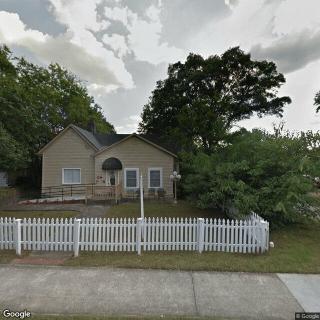
Ivy Spring Retirment Cottage
$1,500 / month20.4 miles away -
from -$100 / mo

Circle of Family Care
$1,500 / month22.6 miles away -
from +$200 / mo
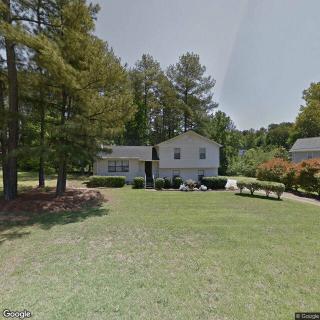
Agape Haven Personal Care Home
$1,800 to $2,000 / month10.4 miles away -
from +$100 / mo
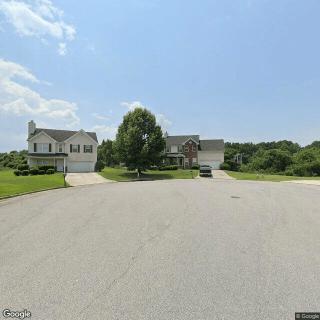
Around the Clock Personal Care Home, LLC
$1,700 to $2,200 / month23.1 miles away -
from +$150 / mo
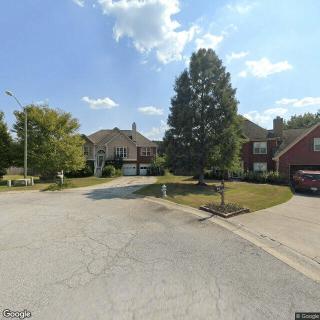
Clover Senior Living
$1,750 to $4,700 / month9.3 miles away
Overall Review of Lighthouse Personal Care
Pros
 They have seen improvements in her that they never thought possible.
- She has stopped smoking after more than 40 years.
- Her spirits are lifted and she smiles more often.
- She is being fed well and treated with respect.
- Mrs. Hunter, Tameka, and the staff are a gift from God to families needing help caring for their loved ones.
- They are thankful every day for finding Lighthouse.
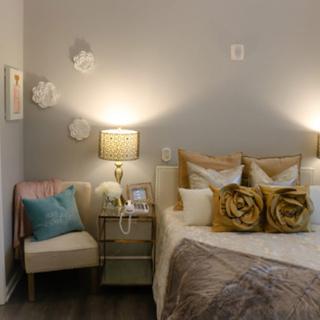
- The home is clean and intimate, with small rooms.
Cons
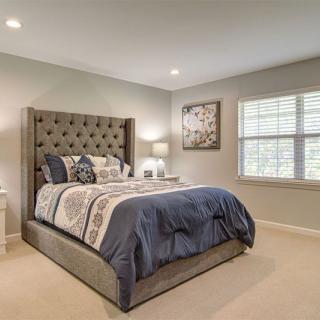
 The rooms are small.
- The description notes small rooms as a drawback in an otherwise decent facility.
Review
Lighthouse Personal Care in Douglasville is best suited for families seeking a small, home-like setting where a resident can receive attentive, relationship-driven care and tangible daily improvements. This community shines for seniors who benefit from intimate attention, consistent companionship, and meals that feel carefully prepared. It is less ideal for families needing a facility with expansive space, a broad array of amenities, or highly structured medical programming. The limited room size and the overall smaller footprint are important realities to evaluate when considering this option.
The most compelling strength is the care outcomes families observe after admission. Several residents appear to thrive under a steady, respectful routine: spirits lift, moments of genuine happiness return, and daily living activities become more manageable. Notably, one resident markedly changed by the move, quitting a decades-long smoking habit, with others noting improved mood and engagement. Meal quality is described as robust, with caregivers taking pride in nourishing residents and treating them with dignity. The staff, named figures like Mrs. Hunter and Tameka, are portrayed as compassionate, dependable, and genuinely invested in families’ peace of mind. This combination of improved well-being and respectful, attentive care creates a powerful offset to the personal care setting’s moderate size.
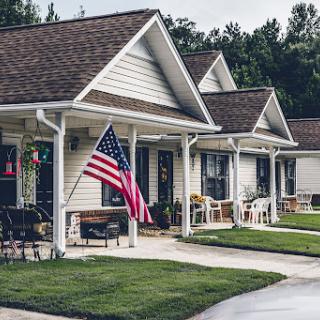
Another clear strength is the intimate, clean environment that fosters a sense of community. The facility is described as clean and comfortable, with residents appearing happy and staff-friendly. The back yard offers a tranquil space, including a lake view, where residents can relax and socialize. One early impression highlights the presence of a quiet, homelike sitting area that complements the inside’s coziness. For families prioritizing a calm, low-stress daily routine over sprawling programming, these elements translate into meaningful quality-of-life gains for the resident and measurable relief for caregivers.
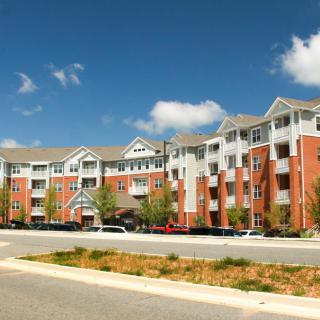
There are real considerations to weigh. The most consistently cited drawback is the physical footprint: rooms are small, and the overall space does not compare with larger assisted living communities. This can feel restrictive for residents who value more personal space, a wider array of on-site activities, or the sense of a larger campus. The rating snapshot, an average around 3.6 with a mix of opinions, including a lower two-star note, signals that experiences vary and that prospective residents should perform a careful, visit-focused evaluation. While the staff’s warmth is repeatedly praised, uncertainty about how the setting would accommodate evolving care needs over time is a prudent topic to address during tours.
Despite the size constraints, the positives can substantially offset the drawbacks for the right candidate. The palpable care culture, where staff earn trust through consistent, respectful interactions, helps residents feel seen and valued, which can accelerate emotional and social gains that outpace any limitations of space. The visible health and mood improvements, paired with dependable meals and a trusted caregiving team, create a strong case for Lighthouse as a practical choice for those who prize a family-like atmosphere over a larger, more impersonal facility. For families whose priorities include meaningful daily routines, dependable staff, and a homey backdrop, the positives often outweigh the constraints.
The bottom-line recommendation is straightforward: Lighthouse Personal Care is a strong fit for seniors who thrive in a compact, intimate environment and whose care needs can be met within a smaller footprint. It is less suitable for households seeking expansive accommodations, extensive on-site programming, or advanced medical amenities. Prospective residents should arrange a thorough visit to inspect room sizes, confirm the level of staff availability, and discuss care planning, especially for any needs beyond routine personal care. Inquire about room configurations, dining options, activities, memory care capabilities if relevant, and the structure of daily schedules. If these align with the resident’s preferences and care needs, Lighthouse offers a trustworthy, compassionate home where notable improvements in mood and daily life can become a real, sustained pattern.
 Board and Care Home
 Cats allowed
 Dogs allowed
 Activities off-site
 Devotional services off-site
 Private
 Ambulatory care
 Diabetic care
 Incontinence care

 Home Health Care Aides: Understanding Their Role and Supporting Your Family
 Urinary Tract Infections in Older Adults: Comprehensive Insights on Symptoms, Treatment, and Prevention
 California's Form 602A: An In-Depth Examination of Senior Care Assessment