
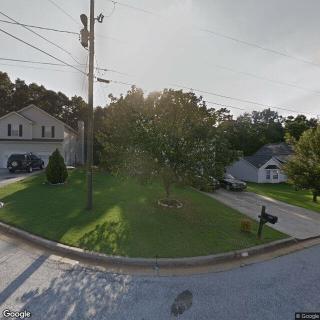
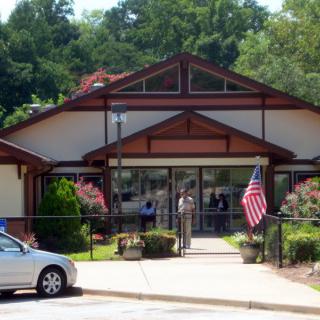
6049 Covington Highway, Decatur, GA 30035
For more information about senior living options: (866) 208-4318
Overall Review of Transitional Care II
Pros
 The facility is great and caring.
- The father is happy.
- Everyone is thanked.
Cons
 They find it absurd that no one answers the phone after hours.
Review
Transitional Care II in Decatur is best suited for families seeking a focused, recovery-oriented environment where a loved one can receive short-term rehabilitative services after a hospital stay. The community appears to deliver hands-on, compassionate care in a warm setting, with staff who engage directly with residents during daily routines, therapy sessions, and self-care tasks. This is not a showroom of luxury; it is a practical, caregiver-driven space designed to support regaining function, building confidence, and re-establishing independence step by step. For families prioritizing demonstrable warmth, steady supervision, and a calm, consistently supervised atmosphere, this facility stands out as a solid fit.
Those weighing alternatives should consider whether 24/7 seamless communication and highly proactive family updates are non-negotiable. If constant phone accessibility and rapid after-hours responsiveness are essential, this community may not meet expectations. Families in need of long-term residency with highly structured medical oversight or facilities that promise ultra-responsive administration around the clock may want to explore larger skilled-nursing environments or programs with built-in guarantees for after-hours contact. For residents with complex medical needs requiring more intensive on-call coordination, it’s prudent to compare how other options handle urgent updates and family touchpoints.
The principales positives center on care quality and resident-appropriate support. Repeated impressions describe a genuinely caring atmosphere, where staff warmth translates into meaningful daily interactions and a sense of reassurance for families. A resident’s improvement and happiness, illustrated by the reported satisfaction of a loved one, underline the effectiveness of attentive aides, consistent routines, and encouraging therapists. When a family member notes that a parent is happy and well tended, it signals that the core of the operation is reliable, with practical help that sustains dignity, motivation, and progress during the rehab journey.
The most notable drawback is a communication shortfall after hours. An after-hours phone response gap can create anxiety for families managing transitions, coordinate care plans, and monitor a loved one’s safety outside regular business hours. While the daytime environment may feel well-organized, the inability to reach someone promptly when concerns arise can undermine confidence and complicate decision-making during a vulnerable period. In scenarios where urgent updates or quick guidance are needed, this weakness becomes the focal point for families to weigh.
Yet the positive care culture and demonstrated resident satisfaction partially offset this communication gap, provided expectations are managed and concrete workarounds are established. The practical takeaway is to secure clear, pre-arranged channels for after-hours contact, such as an on-call nurse or a designated liaison who can relay updates quickly, and to request written or routine verbal briefings during the day so families know what to expect. In a rehab-focused setting, where progress hinges on consistent encouragement and timely therapy adjustments, the strength of bedside care can still deliver meaningful outcomes even when phone responsiveness is imperfect.
Bottom line: this community is a strong choice for families prioritizing compassionate, person-centered care during transitional rehab. The standout asset is a caregiving team that genuinely cares and helps residents feel safe and dignified as they work toward recovery. The key caveat is after-hours communication; for families where prompt, reliable contact outside regular hours is non-negotiable, it makes sense to probe the facility’s on-call processes or consider alternatives with more explicit guarantees. With careful planning, clear expectations, and the right after-hours contacts, Transitional Care II can align well with a recovery-focused plan that values warmth and steady support as much as measurable progress.
 16 resident community capacity
 Assisted Living
 Board and Care Home
 Cable or satellite TV
 Dining room
 Fully furnished
 Garden
 Housekeeping services
 Move-in coordination
 Outdoor space
 Telephone
 Wi-Fi/high-speed internet available
 William B Hartsfield-Atlanta International (16 miles away)
 24-hour supervision
 Activities of daily living assistance
 Assistance with bathing
 Assistance with dressing
 Assistance with transfers
 Diabetes diet
 Meal preparation and service
 Medication management
 Special dietary restrictions
 Transportation arrangement (medical)
 Transportation to doctors appointments






 When to Transition from Assisted Living to Memory Care: Key Indicators, Steps, and Finding the Right Community
 Assisted Living and Memory Care: Understanding Their Core Differences
 Beyond the Bingo Hall: 50+ Enriching Activities for Seniors in Assisted Living