Heritage House Senior Living in Dahlonega, GA

Information last verified:

1608 Black Mountain Road, Dahlonega, GA 30533

For more information about senior living options: (844) 490-3973

5 from 1 review

Overall Review of Heritage House Senior Living

Pros

  • pro The facility employs 100% Korean-speaking staff.
  • pro It serves three square Korean meals a day with snacks in between.
  • pro There are weekly outings to Korean-centric senior day care.
  • pro Korean worship services are held at the facility on Sundays.

Review

Heritage House Senior Living in Dahlonega is best suited for seniors and families who want a Korean-centric living environment where language, meals, and daily routines revolve around Korean culture. The community staff speaks Korean exclusively, which eliminates language friction and conveys a sense of home for residents who are most comfortable communicating in Korean. Meals follow a three-meal-per-day cadence centered on Korean cuisine, with snacks sprinkled in between, creating predictable dining rituals that align with residents’ lifelong habits. Weekly excursions connect residents with Korean-centric senior day programs, and Sundays feature worship services on-site. For families prioritizing language continuity, cultural resonance, and a steady rhythm anchored in Korean practice, this is the option to consider.

Those who may want alternatives are typically non-Korean speakers or households seeking English-speaking staff, broader cultural programming, or a more varied religious calendar. If a resident values English as the primary language for care planning conversations, billing questions, and daily chatter with peers, Heritage House may feel less inclusive. Similarly, families hoping for a facility with a cosmopolitan menu, a wider array of religious services, or activities that span multiple cultural traditions might find the scope here too narrow. Location-specific preferences also matter: Dahlonega’s rural setting can be a hurdle for families living far away who need easier access for visits and emergencies. In short, this niche excels for Korean-language comfort but is less adaptable for broader linguistic and cultural expectations.

Core advantages are tightly aligned with the central need: language comfort and cultural continuity. Korean-speaking staff reduces miscommunication risk, allows clear care directives, and supports family members with comfort knowing the care team shares language and cultural cues. The structured meal plan reinforces nutrition and routine, while weekly Korean outings and worship services sustain social ties and spiritual life in a familiar frame. These strengths can dramatically lessen anxiety for residents and relieve families from constant translation tasks. Yet the decision should be tempered by the reality that the same strengths can feel like constraints for non-Korean residents: limited day-to-day conversation options, potential social bubbles, and a calendar that may not rotate through other cultural experiences. When language and culture are the priority, the pros largely eclipse the cons; when flexibility and diversity are the goal, they fall short.

Before choosing, assess how critical language and cultural alignment are to the resident’s wellbeing and how much participation family members want in the daily routine. If the resident will benefit from settled, culturally specific rituals and a predictable schedule, Heritage House offers real value. If independence and exposure to a broader mix of peers, ideas, and traditions are important, this community may lag behind more diverse campuses. Consider proximity to relatives for regular visits, and whether the on-site services align with personal faith commitments and dietary preferences. The bottom line is a clear fit for a Korean-focused path; the fit loosens as the need shifts toward versatility and multilingual engagement.

To make a well-founded decision, schedule a direct visit, request a meal pass to sample the Korean menu, and observe how staff interact with residents in real time. Ask about any English-speaking staff, translation support, or interim accommodations if the resident’s language needs evolve. Inquire about the depth of weekly programming beyond worship and outings, are there Korean cultural activities, exercise options, and social spaces that feel welcoming to new residents? Confirm how flexible meal times are and whether snacks stay available between meals. Finally, verify whether there is a hands-on family advisor who can help translate care plans into actionable daily routines.

Heritage House shines for families seeking a Korean-language sanctuary with culturally resonant meals, activities, and religious life embedded in weekly rhythm. For residents whose priorities lean toward multilingual communication, broad cultural exposure, and diverse programming, alternatives will likely serve better. The decisive factor is language comfort and continuity of cultural practice, the stakes are real: effective care planning, reduced miscommunication, and preserved social bonds. If those matters most, this community delivers with confidence; if not, explore options that foreground linguistic diversity and a wider mosaic of activities.

Features

Housing

  • 6 resident community capacity 6 resident community capacity

Types of Care

  • Assisted Living Assisted LivingAssisted living facilities provide crucial support and care for seniors who may need help with daily tasks such as medication management, bathing, and meal preparation. These communities offer a safe and comfortable environment where seniors can maintain their independence while receiving the assistance they need to thrive in their golden years.

Amenities

  • Cable or satellite TV Cable or satellite TVCable or satellite TV is important for seniors because it provides entertainment, news, and companionship, helping to combat loneliness and boredom. It also offers a wide range of programming options tailored to different interests and preferences.
  • Dining room Dining roomDining rooms are important for seniors as they provide a space for socialization, connection, and nutritious meals. They offer opportunities for residents to bond over shared meals, foster a sense of community, and promote healthy eating habits. Dining rooms also ensure that seniors have access to well-balanced meals tailored to their dietary needs and preferences.
  • Fully furnished Fully furnishedFully furnished senior living communities are important for seniors because they provide convenience, comfort, and a hassle-free moving experience. Seniors can easily settle into their new living space without the stress of having to buy and move furniture. This allows them to focus on enjoying their new home and community.
  • Garden GardenGardens are important for seniors as they provide a peaceful and therapeutic environment for relaxation, physical activity, and socialization. Being in nature has been shown to reduce stress, improve mood, and promote overall well-being. Gardens also offer opportunities for seniors to engage in gardening activities, which can improve mobility, flexibility, and cognitive function. Additionally, gardens create a sense of community and connection with others who share a passion for plants and outdoor spaces.
  • Housekeeping services Housekeeping servicesHousekeeping services are important for seniors because they help maintain a clean and safe living environment, promote independence, and reduce the risk of accidents or illnesses. Additionally, having assistance with household chores can alleviate physical strain and allow seniors to focus on other aspects of their well-being.
  • Move-in coordination Move-in coordinationMove-in coordination is important for seniors because it helps ease the transition into their new living environment. It ensures that all logistics, such as packing, organizing movers, and setting up utilities are taken care of, allowing seniors to focus on settling in and adjusting to their new home. Having a smooth move-in process can alleviate stress and anxiety, making the transition smoother and more enjoyable for seniors.
  • Outdoor space Outdoor spaceOutdoor spaces are important for seniors as they provide opportunities for physical activity, social interaction, exposure to natural light and fresh air, and a sense of connection to nature. Having access to outdoor spaces can improve overall well-being and quality of life for older adults living in senior communities.
  • Telephone TelephoneTelephones are important for seniors as they provide a lifeline for communication with loved ones, emergency services, and healthcare providers. They offer a sense of security and independence, enabling seniors to stay connected and access assistance when needed.
  • Wi-Fi/high-speed internet available Wi-Fi/high-speed internet availableWi-Fi/high-speed internet is important for seniors to stay connected with loved ones, access online resources, and participate in virtual activities to combat feelings of loneliness and isolation. It also allows them to easily manage healthcare needs, access entertainment, and engage in lifelong learning opportunities.

Care Services

  • 24-hour supervision 24-hour supervision24-hour supervision is important for seniors to ensure their safety, well-being, and access to immediate assistance in case of emergencies or health issues. This constant support provides peace of mind for both seniors and their loved ones, allowing them to age in place with dignity and security.
  • Activities of daily living assistance Activities of daily living assistanceActivities of daily living assistance are important for seniors because they provide essential support with tasks such as eating, bathing, dressing, and mobility. This assistance helps seniors maintain their independence, dignity, and overall quality of life as they age.
  • Assistance with bathing Assistance with bathingAssistance with bathing is crucial for seniors as it helps maintain personal hygiene, prevents infections, and ensures their overall well-being and comfort. It also provides a sense of dignity and independence for seniors who may struggle with this task on their own.
  • Assistance with dressing Assistance with dressingAssistance with dressing is important for seniors because it helps maintain their independence, promotes personal hygiene, prevents accidents and injuries, and improves overall quality of life. This service ensures that seniors can continue to dress comfortably and confidently, despite any physical limitations they may have.
  • Assistance with transfers Assistance with transfersAssistance with transfers is crucial for seniors as it helps prevent falls and injuries, maintains their independence, and ensures they can safely navigate their living environment. It also provides peace of mind for both seniors and their loved ones.
  • Coordination with health care providers Coordination with health care providersCoordination with health care providers is crucial for seniors to ensure proper medical care, medication management, and overall well-being. This collaboration helps prevent overlapping treatments, track progress more effectively, and provide comprehensive support tailored to individual needs.
  • Diabetes diet Diabetes dietA diabetes diet is crucial for seniors as it helps manage blood sugar levels, reduce risks of complications, and improve overall health and well-being. By following a balanced and nutritious diet tailored to their specific needs, seniors can better control their diabetes and enhance their quality of life.
  • Meal preparation and service Meal preparation and serviceMeal preparation and service are crucial for seniors as they may have limited mobility or energy to cook nutritious meals. Having access to healthy and convenient food options can ensure they are getting the proper nutrition needed to maintain their overall health and well-being.
  • Medication management Medication managementMedication management is crucial for seniors to ensure they are taking the right medications at the correct dosages and times. This helps prevent adverse drug interactions, reduces the risk of medication errors, and promotes overall health and well-being. Proactive management also allows for adjustments as needed based on changing health conditions or new prescriptions.
  • Special dietary restrictions Special dietary restrictionsSpecial dietary restrictions are important for seniors because age-related changes in metabolism and health conditions can make it difficult for their bodies to process certain foods. By following a diet tailored to their specific needs, seniors can maintain their overall health and well-being, manage chronic conditions, and reduce the risk of complications such as malnutrition or food interactions with medications.
  • Transportation arrangement (medical) Transportation arrangement (medical)Transportation arrangements for medical purposes are essential for seniors as they may have difficulty driving themselves to appointments or accessing public transportation. Having reliable and safe transportation options ensures that seniors can receive timely medical care and maintain their health and well-being.
  • Transportation to doctors appointments Transportation to doctors appointmentsTransportation to doctors' appointments is crucial for seniors as it ensures they have access to necessary medical care and support for their health needs. Without reliable transportation, seniors may struggle to attend important appointments, leading to potential delays in treatment and health complications. Providing transportation services helps seniors maintain their overall well-being and quality of life.

Dining

  • Diabetes diet Diabetes dietA diabetes diet is crucial for seniors as it helps manage blood sugar levels, reduce risks of complications, and improve overall health and well-being. By following a balanced and nutritious diet tailored to their specific needs, seniors can better control their diabetes and enhance their quality of life.
  • Special dietary restrictions Special dietary restrictionsSpecial dietary restrictions are important for seniors because age-related changes in metabolism and health conditions can make it difficult for their bodies to process certain foods. By following a diet tailored to their specific needs, seniors can maintain their overall health and well-being, manage chronic conditions, and reduce the risk of complications such as malnutrition or food interactions with medications.

Activities

  • Community-sponsored activities Community-sponsored activitiesCommunity-sponsored activities are important for seniors as they provide opportunities for social interaction, mental stimulation, and physical activity. These activities can help improve overall well-being, combat loneliness and isolation, and promote a sense of belonging and purpose among older adults.
  • Scheduled daily activities Scheduled daily activitiesScheduled daily activities are important for seniors because they provide structure, socialization, mental stimulation, and physical activity. Engaging in regular activities can improve overall well-being and quality of life for seniors living in a community setting.

Description

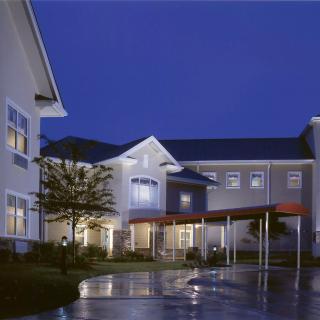
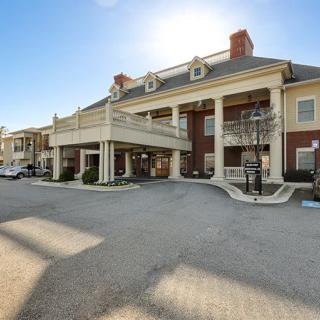
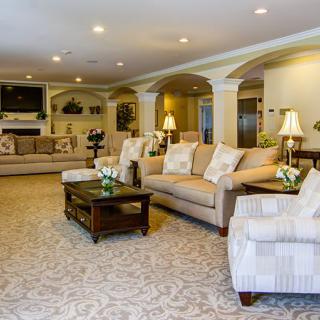
Heritage House Senior Living in Dahlonega, GA is a vibrant assisted living community that offers a wide range of amenities and care services to ensure the comfort and well-being of our residents. Our beautifully designed facility features a spacious dining room where delicious meals are served, allowing our residents to enjoy nutritious and appetizing food with their peers.

Our fully furnished apartments provide a cozy and welcoming environment for our residents to feel at home. The carefully maintained garden and outdoor spaces offer opportunities for relaxation and fresh air, making it easy for residents to connect with nature.

At Heritage House, we understand the importance of maintaining a clean and organized living space. Our dedicated housekeeping services ensure that all common areas and individual apartments are kept tidy and comfortable.

For seamless transitions, we offer move-in coordination assistance to help new residents settle into their new homes smoothly. We also provide access to telephone services and Wi-Fi/high-speed internet to keep our residents connected with their loved ones.

Our caring staff is trained to provide assistance with activities of daily living such as bathing, dressing, transfers, and medication management. Furthermore, we coordinate closely with health care providers to ensure each resident's unique needs are met effectively.

We prioritize the dietary requirements of our residents by offering diabetes diets, special dietary restrictions options, and meal preparation services. Our transportation arrangement service provides convenient access to medical appointments while ensuring the safety and comfort of our residents.

At Heritage House Senior Living in Dahlonega, GA, we believe in promoting an active lifestyle. Our scheduled daily activities cater to various interests and hobbies while encouraging socialization among our residents. Additionally, being surrounded by parks allows for enjoyable outings in nature.

Conveniently located near pharmacies, physicians' offices, restaurants, places of worship, theaters, and hospitals; Heritage House provides easy access to essential services for our residents' convenience and peace of mind.

Ultimately, at Heritage House Senior Living in Dahlonega, GA, we strive to provide a nurturing and inclusive community where our residents can enjoy their golden years with the care, support, and amenities they deserve.

Nearby Places of Interest

Restaurants

  • Wolf Mountain Vineyards (1.6 miles)
  • Cavender Castle (2.6 miles)
  • Magic Wok Chinese Restaurant (3.7 miles)
  • Restaurant Grapevines (3.7 miles)
  • Don Pollo Country Cooking (3.8 miles)
  • Shenanigans (3.8 miles)
  • Dahlonega Brewing Company (3.8 miles)

Physicians

  • Dahlonega Pediatric & Adolescent Medicine (2.8 miles)
  • Dahlonega Pediatrics (2.8 miles)
  • Family Care Dahlonega (3.6 miles)
  • Northeast Georgia Physicians Group (4.4 miles)
  • Valleyview Medical Center (4.4 miles)
  • Valley View Medical Center (4.4 miles)
  • Dahlonega Surgical Center (4.4 miles)

Places of Worship

  • Antioch Baptist Church (3.6 miles)
  • St Luke's Catholic Church (3.7 miles)
  • Dahlonega United Methodist Church (3.9 miles)
  • Georgia Mountains Unitarian Universalist Church (4.2 miles)
  • Shulamite Ministries (10.1 miles)
  • Bethel Church (11.7 miles)
  • Mossinger Sven Rev & Joyce (12.8 miles)

Parks

  • Hancock Park (3.7 miles)
  • Dahlonega City Park & Playground (4.3 miles)
  • Iron Mountain Resort (4.5 miles)
  • Yahoola Creek Park (4.8 miles)
  • Appalachian Trail- Woody Gap (6.4 miles)
  • Veterans Memorial Park (11.5 miles)
  • Main Street Park (13 miles)

Pharmacies

  • Walgreens (3.8 miles)
  • Epic Pharmacies (3.9 miles)
  • Woody's Pharmacy (8.3 miles)
  • Good Neighbor Pharmacy (8.3 miles)
  • Goodson's Pharmacy (13.1 miles)
  • Murrayville Pharmacy (13.2 miles)
  • Walgreens (13.7 miles)

Theaters

  • Holly Theather Community Center (3.9 miles)

Hospitals

  • Chestatee Regional Hospital (4.6 miles)

Cafes

  • Rooster's Cafe (8.2 miles)

Frequently Asked Questions

Where is Heritage House Senior Living?

Nearby Communities

  • Northwoods Retirement Home

    Northwoods Retirement Home

    Dahlonega, GA

    4.3 from 3 reviews
     

    pro Welcoming, personalized care in a well-maintained, homelike setting.

  • Evergreen Terrace

    Evergreen Terrace

    Dahlonega, GA

    4.5 from 2 reviews
     

    pro Caring staff; clean, spacious, and personalized rooms.

  • Foothills Retirement Home

    Foothills Retirement Home

    Dahlonega, GA


    pro Small, intimate setting with personalized care and comprehensive amenities.

  • Foothills II Retirement Home

    Foothills II Retirement Home

    Dahlonega, GA


    pro Small, personalized care (6 residents) with ADL assistance and meals.

  • Gold City Health And Rehab

    Gold City Health And Rehab

    Dahlonega, GA

    2.9 from 48 reviews
     

    pro Some residents report friendly staff and engaging activities.

  • Gold City Pch

    Gold City Pch

    Dahlonega, GA

    3 from 33 reviews
    $4,000 / month

    pro Intimate 24-bed community with private furnished rooms and comprehensive care.

  • Lanier Village Estates

    Lanier Village Estates

    Gainesville, GA

    4.6 from 76 reviews
     

    pro Luxurious, hotel-like environment with extensive activities and well-maintained grounds.

  • Gardens of Gainesville

    Gardens of Gainesville

    Gainesville, GA

    4.3 from 94 reviews
    $3,185 to $4,265 / month

    pro Caring staff, engaging activities, and a welcoming, home-like atmosphere.

  • Oaks at Gracemont

    Oaks at Gracemont

    Cumming, GA

    4.2 from 73 reviews
    $3,200 to $3,500 / month

    pro Friendly, professional staff; clean, attractive surroundings; good sense of community and compassionate care.

Related Resources

  • does medicaid pay for assisted livingUnderstanding Medicaid Coverage for Assisted Living: A Comprehensive Guide

    The guide outlines the complexities of Medicaid coverage for assisted living, highlighting significant state-to-state variations, limited coverage often restricted to personal care services, and the existence of specialized waivers for certain needs like memory care. It advises families to consult local Medicaid offices for options while emphasizing the importance of understanding state-specific regulations and facility policies.

  • does medicaid pay for assisted livingHow and When Medicaid May Cover Assisted Living Costs

    Medicaid coverage for assisted living varies by state and is primarily available to low-income individuals, with eligibility dependent on strict income and asset limits. Some states offer HCBS waivers for specific services in assisted living, but families must generally cover room and board costs, and should verify facility acceptance of Medicaid while considering potential waiting lists.

  • assisted living waiver programA Detailed Exploration of Assisted Living Medicaid Waivers Across the United States

    Medicaid waivers for assisted living services provide vital support for seniors and individuals with disabilities in need of long-term care, with varying state-specific eligibility criteria and benefits. These waivers cover personal care and case management but often do not fully cover room and board, leading to waiting lists for many applicants.