
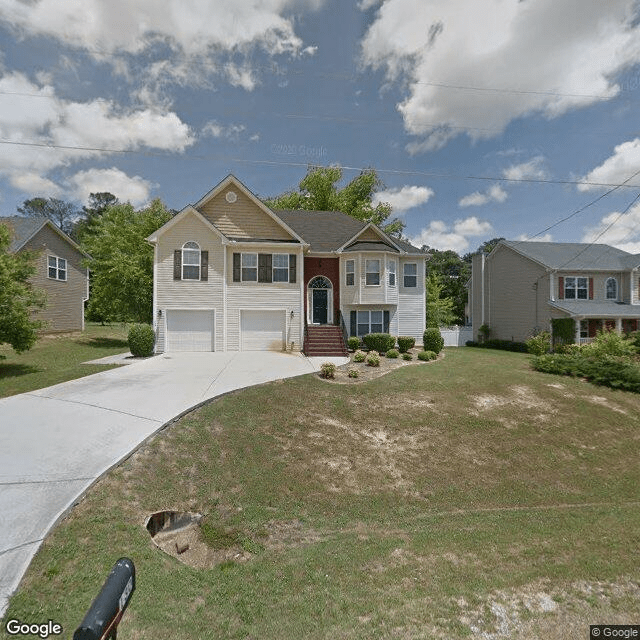
130 Upper River Road, Covington, GA 30016
For more information about senior living options: (866) 208-4318
Upper River Pch Costs & Pricing
At Upper River Pch, the monthly costs for various room types reflect a competitive pricing structure when compared to both Rockdale County and the broader state of Georgia. For semi-private accommodations, residents can expect to pay $2,000 per month, which is slightly above the county average of $1,926 but significantly lower than Georgia's average of $2,529. When opting for private rooms, the monthly fee stands at $2,500 - again positioned favorably compared to Rockdale County's average of $2,363 and well below the state benchmark of $2,864. This pricing strategy highlights Upper River Pch's commitment to offering quality care and services while remaining mindful of affordability within its local context.
| Floor plans | Upper River Pch | Rockdale County | Georgia |
|---|---|---|---|
| Semi-Private | $2,000 | $1,926 | $2,529 |
| Private | $2,500 | $2,363 | $2,864 |
Assisted Living communities with a similar price nearby
-
from -$200 / mo

G & M Personal Care Home
$1,800 to $2,500 / month16.5 miles away -
from +$300 / mo
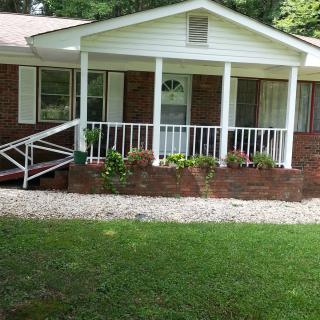
Comfort Care Personal Care Home
$2,300 / month21.5 miles away -
from +$200 / mo

JDM Adams Personal Care Home
$2,200 to $2,600 / month21.0 miles away -
from -$200 / mo
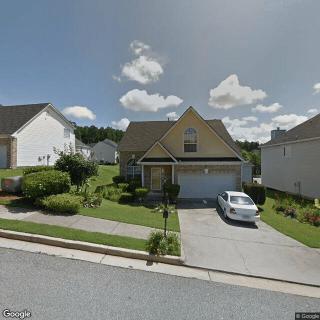
Comfy Pch
$1,800 to $2,500 / month19.7 miles away -
from -$100 / mo
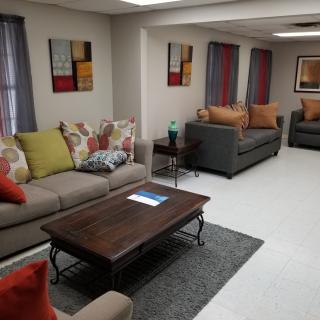
Masalon Personal Care Home
$1,900 / month23.4 miles away
Overall Review of Upper River Pch
Pros
 The brother likes the staff.
- He is very happy living there.
- Medications are given correctly and on time.
- He is well taken care of.
- They are always available when help is needed.
- The care home is nice and clean.
Cons
 The care was better in the beginning, but as the loved one progressed, the staff were not trained to handle their care needs.
- The food is only average; it is rated a 3.
- They do not offer any activities.
Review
Upper River Pch in Covington, GA is best suited for seniors who are largely independent but want a warm, home-like setting with dependable daily support. The community appeals to families seeking a smaller, more intimate care environment where staff are readily reachable and medication routines are reliably managed. It is a good fit for residents who prize a clean, comfortable home atmosphere and prefer not to be in a highly institutionalized setting, as long as they can function with minimal to moderate assistance and enjoy a quiet, manageable daily rhythm.
Those considering alternatives should look for options if a loved one needs more intensive daily assistance or structured programming. If frequent hands-on care, complex medical tasks, or memory-care support become ongoing requirements, a larger assisted-living community or a specialized facility with formal activity schedules and enhanced clinical staffing may be more appropriate. Prospective residents who crave robust social engagement, diverse activities, and predictable, varied meals will also want to compare offerings with facilities known for stronger programming and dining variety.
The strongest positives here are clear and tangible: staff responsiveness, accurate medication administration, and a pleasant, well-kept environment. When help is needed, staff are described as readily available, which translates into lower anxiety for families and safer, more timely support for residents. Medication management appears precise, an essential safeguard for seniors who rely on scheduled doses and on-time administration. The setting itself reinforces a sense of security and dignity, rooms and common areas read as clean, cared-for, and home-like, contributing to overall comfort. These advantages create a practical offset to the quieter side of the program: a lack of structured activities and only modest meal enthusiasm.
However, the reviews flag meaningful limits. As residents’ needs advance, the care team may not be equipped to handle higher-level assistance, which can leave families uncomfortable if progression occurs. That gap matters because aging often brings new or escalating requirements, and a facility with limited care training risks lagging behind those needs. Another notable con is the absence of formal activities; for some residents, social engagement and purposeful programming are central to quality of life, and a lean calendar can make days feel longer or more solitary. Finally, the dining experience is described as “okay,” with room for suggesting more variety or stronger flavor profiles to sustain interest over time.
In practical terms, families weighing Upper River Pch should pursue a candid check of future-care plans. Ask exact staff competencies for daily living tasks that may arise, and request a clear outline of how care plans adapt as a resident’s needs evolve. Probe the dining program for menu options, dietary accommodations, and frequency of menu changes. Request examples of activities offered weekly, and whether transportation or accompaniment to outings is available. Consider arranging a trial period or a staggered move-in to observe how the team handles simple-to-moderate changes in care demands and how residents respond to the daily routine.
The overall impression is that Upper River Pch delivers steady, reliable care in a home-like frame, with especially strong reassurance around staff availability and medication handling. It presents a compelling option for families prioritizing safety, routine, and a calm, intimate atmosphere, particularly when the loved one is early in the care sequence and values simplicity over fullness of programming. Yet the decision hinges on a clear acceptance of potential limits: escalating care needs and social or culinary programming gaps could steer some residents toward facilities with more robust activities and broader clinical staffing.
For families making a decision, Upper River Pch is a practical, trustworthy choice when independence remains the guiding driver and the priority is dependable daily care in a personable, low-key setting. If the resident’s trajectory points toward more intensive support, or if engagement and dining variety are non-negotiable, it pays to compare with alternatives that emphasize stronger activity calendars and higher-level caregiving. A guided tour, direct conversations about care escalation, and a trial stay will reveal how well the community aligns with specific needs and expectations, and that clarity often determines whether this is the right long-term home.
 6 resident community capacity
 Assisted Living
 Board and Care Home
 Cable or satellite TV
 Dining room
 Fully furnished
 Garden
 Housekeeping services
 Move-in coordination
 Outdoor space
 Private
 Respite or short term stays offered
 Telephone
 Wi-Fi/high-speed internet available
 24-hour supervision
 Activities of daily living assistance
 Assistance with bathing
 Assistance with dressing
 Assistance with transfers
 Diabetes diet
 Diabetic care
 High acuity care
 Meal preparation and service
 Medication management
 Special dietary restrictions
 Transportation arrangement (medical)
 Transportation to doctors appointments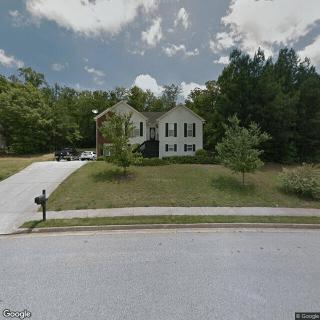



 Choosing the Right Senior Care: A Detailed Exploration of Assisted Living and Nursing Homes
 Understanding the True Cost of Assisted Living in 2025: A Comprehensive Guide
 Understanding Medicaid Coverage for Assisted Living: A Comprehensive Guide