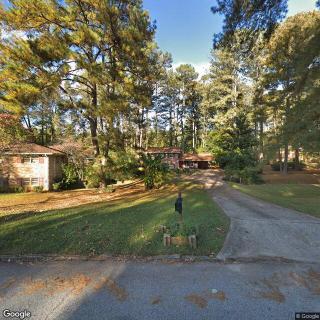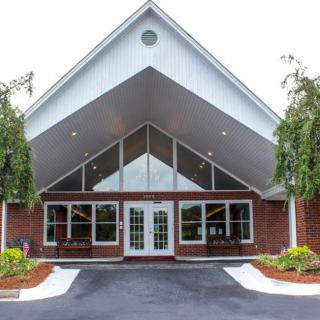
Ruby's Personal Home Care in Conyers, GA

Save
Ruby's Personal Home Care

Ruby's Personal Home Care in Conyers, GA

Information last verified:

2117 Fieldstone View Court Se, Conyers, GA 30013

For more information about senior living options: (844) 490-3973

4.2 from 10 reviews
5 stars
8
4 stars
0
3 stars
0
2 stars
0
1 stars
2

Ruby's Personal Home Care Costs & Pricing

Ruby's Personal Home Care offers competitive pricing for its services, particularly when compared to the broader market in Rockdale County and the state of Georgia. For semi-private accommodations, Ruby's cost is $1,200 per month, significantly lower than the county average of $1,926 and the state rate of $2,529. Similarly, for private rooms, Ruby's charges $1,500 monthly, which again stands in contrast to the higher county price of $2,363 and the statewide figure of $2,864. This pricing structure not only underscores Ruby's commitment to providing affordable care but also reflects a strong value proposition for families seeking quality personal home care without compromising on financial stability.

Floor plansRuby's Personal Home CareRockdale CountyGeorgia
Semi-Private$1,200$1,926$2,529
Private$1,500$2,363$2,864

Overall Review of Ruby's Personal Home Care

Pros

  • pro The facility is described as the nicest care facility and feels like a home.
  • pro The food served to clients is top tier.
  • pro Ruby’s Personal Care is a great help to families.
  • pro The facility is always clean.
  • pro The aides are very pleasant to deal with.
  • pro The care provided is first-class, and the staff truly care about residents.
  • pro It offers a warm, inviting, loving home environment.
  • pro The home is beautiful, and Dr. Lawes is professional and experienced.

Cons

  • pro The owner is very disrespectful and rude.
  • pro She asked about the applicant's age and said they were too young without getting to know them.
  • pro She implied the pay was low by suggesting she wasn’t paying much.
  • pro She also tries to fast talk applicants.

Review

Ruby's Personal Home Care in Conyers, GA is best suited for families seeking a truly home-like setting where an aging loved one receives intimate, hands-on attention, excellent meals, and a calm, residential vibe. It works especially well for seniors who prize personal dignity, relationship-driven care, and a sense of being cared for in a real home rather than a clinical campus. The model tends to attract residents who stay long term, and families consistently praise the warmth of the staff, the homelike atmosphere, and the clean, well-kept interiors. In practical terms, this community excels when care is measured by daily interactions, comfort, and stability rather than by rigid clinical schedules.

But not every family will fit this setting. For seniors with significant medical complexity requiring robust, 24/7 nursing oversight or very structured, therapy-driven programming, alternatives with more pronounced clinical infrastructure are worth pursuing. Families who demand consistently professional, transparent management and highly predictable communication will want to compare párallel options. A minority of feedback highlights concerns about the owner’s interpersonal style and hiring practices, which can color the overall experience for some families. Those considerations matter enough to warrant careful, on-site conversations before committing.

On the upside, the care environment at Ruby’s is repeatedly described as clean, warm, and deeply personal. The aides are noted as pleasant and genuinely engaged with residents, and the daily routine feels focused on comfort and dignity. The meals stand out as a standout feature, with dining described as a high point that contributes to overall well-being and satisfaction. The owner, Dr. Lawes, is portrayed as professional and experienced in operating a personal care home, which lends a steady hand to day-to-day operations. Independent observers, including case managers, have referred clients here, signaling a level of trust within care networks that value a home-like setting with attentive staff. Taken together, these strengths translate into real, practical benefits: predictable routines, meaningful human connection, and a sense of safety that many families seek above all else.

However, the most conspicuous caveat in the feedback is a perception of management style that can feel dissonant to some families. A notable negative review asserts disrespectful behavior and a blunt hiring approach, including claims about age preferences and pay questions. While this is a single unfavorable data point amid largely positive experiences, it raises a meaningful red flag for families who require consistently respectful, transparent communication and fair hiring practices. This perception can influence day-to-day interactions with administration and potentially color how concerns are handled. It is prudent to verify governance and communication standards in person, rather than relying solely on impressions from others’ experiences.

Explicitly, those who should consider alternatives are families prioritizing stronger clinical oversight, higher staffing ratios, or more uniform organizational discipline. If the goal is a setting with rigorous medical support and formalized performance metrics, larger assisted living or memory-care communities may deliver greater reassurance. For families who want consistently polished administrative processes and a tightly controlled front-office experience, shopping around for providers with explicit governance policies and documented response times is wise. Ruby’s shines when relational, home-centered care is the priority; it warrants scrutiny if governance and clinical infrastructure are the determining factors.

Practically, the decision should hinge on a direct tour, candid conversations with the care team, and a clear-eyed read of licensing and inspection notes. Prospective families should request to meet the caregiving staff, sample menus, and details about nurse coverage after hours. Speaking with current residents and their families for firsthand perspective on continuity of care offers indispensable insight. If the tour confirms warmth, cleanliness, and responsive, compassionate care, Ruby’s Personal Home Care becomes a powerful fit for those who value a home-like living experience that honors daily life and dignity. If red flags persist in governance or in perceived respect and transparency, it makes sense to pivot to alternatives with stronger professional boundaries and more explicitly documented governance. The best choice is the setting that seamlessly blends genuine relational care with dependable governance, ensuring peace of mind for both residents and their families.

Features

Housing

  • 15 resident community capacity 15 resident community capacity

Types of Care

  • Assisted Living Assisted LivingAssisted living facilities provide crucial support and care for seniors who may need help with daily tasks such as medication management, bathing, and meal preparation. These communities offer a safe and comfortable environment where seniors can maintain their independence while receiving the assistance they need to thrive in their golden years.
  • Board and Care Home Board and Care HomeBoard and care homes provide a smaller, more intimate setting for seniors who require assistance with daily tasks but do not need the level of care offered by a nursing home. They offer personalized care, meals, and social activities in a homelike environment, ensuring that seniors receive individualized attention and support in their golden years.

Amenities

  • Activities off-site Activities off-siteEngaging in off-site activities is crucial for seniors to maintain social connections, stay active, and stimulate their minds. It promotes overall well-being and helps combat feelings of isolation and loneliness.
  • Activities on-site Activities on-siteActivities on-site are important for seniors because they provide opportunities for socialization, mental stimulation, physical activity, and overall well-being. Engaging in activities can help seniors stay active, maintain their independence, and improve their quality of life.
  • Bath tubs Bath tubsBath tubs are important for seniors because they provide a safe and relaxing way to bathe, helping to prevent slips and falls while promoting independence and overall well-being.
  • Cable or satellite TV Cable or satellite TVCable or satellite TV is important for seniors because it provides entertainment, news, and companionship, helping to combat loneliness and boredom. It also offers a wide range of programming options tailored to different interests and preferences.
  • Dining room Dining roomDining rooms are important for seniors as they provide a space for socialization, connection, and nutritious meals. They offer opportunities for residents to bond over shared meals, foster a sense of community, and promote healthy eating habits. Dining rooms also ensure that seniors have access to well-balanced meals tailored to their dietary needs and preferences.
  • Fully furnished Fully furnishedFully furnished senior living communities are important for seniors because they provide convenience, comfort, and a hassle-free moving experience. Seniors can easily settle into their new living space without the stress of having to buy and move furniture. This allows them to focus on enjoying their new home and community.
  • Garden GardenGardens are important for seniors as they provide a peaceful and therapeutic environment for relaxation, physical activity, and socialization. Being in nature has been shown to reduce stress, improve mood, and promote overall well-being. Gardens also offer opportunities for seniors to engage in gardening activities, which can improve mobility, flexibility, and cognitive function. Additionally, gardens create a sense of community and connection with others who share a passion for plants and outdoor spaces.
  • Housekeeping services Housekeeping servicesHousekeeping services are important for seniors because they help maintain a clean and safe living environment, promote independence, and reduce the risk of accidents or illnesses. Additionally, having assistance with household chores can alleviate physical strain and allow seniors to focus on other aspects of their well-being.
  • Indoor common areas Indoor common areasIndoor common areas are crucial for seniors as they provide a space for socialization, recreation, and community engagement, promoting overall well-being and reducing feelings of isolation and loneliness.
  • Move-in coordination Move-in coordinationMove-in coordination is important for seniors because it helps ease the transition into their new living environment. It ensures that all logistics, such as packing, organizing movers, and setting up utilities are taken care of, allowing seniors to focus on settling in and adjusting to their new home. Having a smooth move-in process can alleviate stress and anxiety, making the transition smoother and more enjoyable for seniors.
  • Outdoor common areas Outdoor common areasOutdoor common areas are important for seniors as they provide a space for socialization, physical activity, and relaxation. Being outside in nature can improve mood and overall well-being, while also encouraging movement and engagement with others. These spaces can help combat feelings of isolation and promote a sense of community among residents.
  • Outdoor space Outdoor spaceOutdoor spaces are important for seniors as they provide opportunities for physical activity, social interaction, exposure to natural light and fresh air, and a sense of connection to nature. Having access to outdoor spaces can improve overall well-being and quality of life for older adults living in senior communities.
  • Private PrivatePrivacy is important for seniors as it allows them to maintain their independence, dignity, and sense of control over their own lives. It also gives them the space and freedom to relax, reflect, and engage in activities that bring them joy and fulfillment. Creating private spaces within senior living facilities is crucial for promoting overall well-being and quality of life.
  • Respite or short term stays offered Respite or short term stays offeredRespite or short term stays provide seniors with a temporary solution when their regular caregiver is unavailable, offering them the opportunity to receive additional care and support during times of need, while also giving caregivers a chance to rest and recharge.
  • Telephone TelephoneTelephones are important for seniors as they provide a lifeline for communication with loved ones, emergency services, and healthcare providers. They offer a sense of security and independence, enabling seniors to stay connected and access assistance when needed.
  • Wi-Fi/high-speed internet available Wi-Fi/high-speed internet availableWi-Fi/high-speed internet is important for seniors to stay connected with loved ones, access online resources, and participate in virtual activities to combat feelings of loneliness and isolation. It also allows them to easily manage healthcare needs, access entertainment, and engage in lifelong learning opportunities.

Care Services

  • 24-hour supervision 24-hour supervision24-hour supervision is important for seniors to ensure their safety, well-being, and access to immediate assistance in case of emergencies or health issues. This constant support provides peace of mind for both seniors and their loved ones, allowing them to age in place with dignity and security.
  • Activities of daily living assistance Activities of daily living assistanceActivities of daily living assistance are important for seniors because they provide essential support with tasks such as eating, bathing, dressing, and mobility. This assistance helps seniors maintain their independence, dignity, and overall quality of life as they age.
  • Ambulatory care Ambulatory care"Ambulatory care services provide essential medical support and treatment to seniors without requiring hospitalization, allowing them to maintain their independence and quality of life while managing chronic conditions or receiving routine medical care."
  • Assistance with bathing Assistance with bathingAssistance with bathing is crucial for seniors as it helps maintain personal hygiene, prevents infections, and ensures their overall well-being and comfort. It also provides a sense of dignity and independence for seniors who may struggle with this task on their own.
  • Assistance with dressing Assistance with dressingAssistance with dressing is important for seniors because it helps maintain their independence, promotes personal hygiene, prevents accidents and injuries, and improves overall quality of life. This service ensures that seniors can continue to dress comfortably and confidently, despite any physical limitations they may have.
  • Assistance with transfers Assistance with transfersAssistance with transfers is crucial for seniors as it helps prevent falls and injuries, maintains their independence, and ensures they can safely navigate their living environment. It also provides peace of mind for both seniors and their loved ones.
  • Coordination with health care providers Coordination with health care providersCoordination with health care providers is crucial for seniors to ensure proper medical care, medication management, and overall well-being. This collaboration helps prevent overlapping treatments, track progress more effectively, and provide comprehensive support tailored to individual needs.
  • Diabetes diet Diabetes dietA diabetes diet is crucial for seniors as it helps manage blood sugar levels, reduce risks of complications, and improve overall health and well-being. By following a balanced and nutritious diet tailored to their specific needs, seniors can better control their diabetes and enhance their quality of life.
  • Diabetic care Diabetic careDiabetic care is crucial for seniors as they are more susceptible to developing diabetes due to aging and other health conditions. Proper management of diabetes can help prevent complications such as heart disease, vision loss, and nerve damage, improving the overall quality of life for seniors in senior living communities.
  • Incontinence care Incontinence careIncontinence care is essential for seniors to maintain their dignity, hygiene, and overall quality of life. By addressing incontinence issues promptly and effectively, seniors can enjoy a sense of independence and comfort in their daily activities.
  • Meal preparation and service Meal preparation and serviceMeal preparation and service are crucial for seniors as they may have limited mobility or energy to cook nutritious meals. Having access to healthy and convenient food options can ensure they are getting the proper nutrition needed to maintain their overall health and well-being.
  • Medication management Medication managementMedication management is crucial for seniors to ensure they are taking the right medications at the correct dosages and times. This helps prevent adverse drug interactions, reduces the risk of medication errors, and promotes overall health and well-being. Proactive management also allows for adjustments as needed based on changing health conditions or new prescriptions.
  • Special dietary restrictions Special dietary restrictionsSpecial dietary restrictions are important for seniors because age-related changes in metabolism and health conditions can make it difficult for their bodies to process certain foods. By following a diet tailored to their specific needs, seniors can maintain their overall health and well-being, manage chronic conditions, and reduce the risk of complications such as malnutrition or food interactions with medications.
  • Transportation arrangement (medical) Transportation arrangement (medical)Transportation arrangements for medical purposes are essential for seniors as they may have difficulty driving themselves to appointments or accessing public transportation. Having reliable and safe transportation options ensures that seniors can receive timely medical care and maintain their health and well-being.
  • Transportation to doctors appointments Transportation to doctors appointmentsTransportation to doctors' appointments is crucial for seniors as it ensures they have access to necessary medical care and support for their health needs. Without reliable transportation, seniors may struggle to attend important appointments, leading to potential delays in treatment and health complications. Providing transportation services helps seniors maintain their overall well-being and quality of life.

Dining

  • Diabetes diet Diabetes dietA diabetes diet is crucial for seniors as it helps manage blood sugar levels, reduce risks of complications, and improve overall health and well-being. By following a balanced and nutritious diet tailored to their specific needs, seniors can better control their diabetes and enhance their quality of life.
  • Meals provided Meals provided"Meals provided" are crucial for seniors in assisted living communities as it ensures they have access to nutritious, balanced meals without the stress of meal planning and preparation. This can help promote overall health and well-being for seniors who may have limited mobility or cognitive abilities.
  • Special dietary restrictions Special dietary restrictionsSpecial dietary restrictions are important for seniors because age-related changes in metabolism and health conditions can make it difficult for their bodies to process certain foods. By following a diet tailored to their specific needs, seniors can maintain their overall health and well-being, manage chronic conditions, and reduce the risk of complications such as malnutrition or food interactions with medications.
  • Vegetarian VegetarianA vegetarian diet is important for seniors because it can help lower the risk of chronic diseases, maintain a healthy weight, and provide essential nutrients needed for aging bodies. Additionally, plant-based diets are often easier on digestive systems and can contribute to overall well-being in older adults.

Activities

  • Activities off-site Activities off-siteEngaging in off-site activities is crucial for seniors to maintain social connections, stay active, and stimulate their minds. It promotes overall well-being and helps combat feelings of isolation and loneliness.
  • Activities on-site Activities on-siteActivities on-site are important for seniors because they provide opportunities for socialization, mental stimulation, physical activity, and overall well-being. Engaging in activities can help seniors stay active, maintain their independence, and improve their quality of life.
  • Community-sponsored activities Community-sponsored activitiesCommunity-sponsored activities are important for seniors as they provide opportunities for social interaction, mental stimulation, and physical activity. These activities can help improve overall well-being, combat loneliness and isolation, and promote a sense of belonging and purpose among older adults.
  • Scheduled daily activities Scheduled daily activitiesScheduled daily activities are important for seniors because they provide structure, socialization, mental stimulation, and physical activity. Engaging in regular activities can improve overall well-being and quality of life for seniors living in a community setting.

Description

Ruby's Personal Home Care, located in Conyers, GA, offers a warm and inviting atmosphere for residents seeking personalized care in a board and care home setting. This community is designed to provide comfort and support, ensuring that each resident feels at home while accessing essential care services.

Residents benefit from a range of amenities that enhance their daily living experience. The beautifully furnished environment includes indoor common areas where social interactions flourish, as well as outdoor spaces and gardens for relaxation and leisure. With activities scheduled on-site, residents have the opportunity to engage in a variety of community-sponsored events, fostering connections and stimulating mental and physical health.

Care services at Ruby's Personal Home Care focus on assisting with activities of daily living (ADLs), such as bathing, dressing, transfers, and medication management. Their dedicated staff coordinates closely with healthcare providers to ensure that each resident’s specific needs are met, whether it’s assistance with diabetes management or adherence to special dietary restrictions. Additionally, residents can enjoy nutritious meals tailored to individual needs.

For added convenience, the community provides housekeeping services and move-in coordination support, making transitions smooth for new residents. Transportation arrangements for medical appointments further enhance accessibility to healthcare services.

Situated within a vibrant neighborhood that boasts nearby cafes, parks, pharmacies, physicians' offices, restaurants, places of worship, and theaters, Ruby's Personal Home Care enables residents not only to receive quality care but also to remain connected with their local community.

Whether individuals are looking for short-term respite or long-term residency solutions, Ruby's Personal Home Care stands out as an ideal choice for compassionate assisted living combined with the comforts of home.

Nearby Places of Interest

This part of Conyers, Georgia, offers a variety of medical services with several physician offices specializing in different fields such as orthopedics and obstetrics/gynecology. There are also nearby pharmacies for convenient access to medications. In terms of dining options, there are fast-food restaurants and a Mexican eatery within walking distance. Places of worship are available for spiritual needs, while the local AMC theater provides entertainment options. For those who enjoy outdoor activities, the Georgia International Horse Park is located just a short drive away. Additionally, there are transportation options with the Covington Municipal Airport nearby for travel convenience. Overall, this area provides a mix of healthcare services, dining choices, recreational opportunities, and transportation options that may appeal to individuals considering senior living in Conyers.

Physicians

  • Conyers Medical Clinic PC (0.2 miles)
  • Digital Mammography Specialists (0.3 miles)
  • Ga Retina Specialist (0.6 miles)
  • East Metro Orthopaedics (0.6 miles)
  • Greystone OB/GYN (0.7 miles)
  • Family Practice & Urgent Care (2.1 miles)
  • Atlanta Cardiac Vascular Specialists (2.7 miles)

Pharmacies

  • Ingles Market (0.4 miles)
  • CVS Pharmacy (2.6 miles)
  • Walgreens (2.6 miles)
  • CVS Pharmacy (2.8 miles)
  • Kroger Pharmacy (2.9 miles)
  • CVS Pharmacy (4.7 miles)
  • Walgreens (4.7 miles)

Restaurants

  • Wendy's (0.7 miles)
  • McDonald's (0.7 miles)
  • Los Bravos Mexican Restaurant (0.8 miles)
  • Waffle House (0.9 miles)
  • Tokyo Hibachi Express (1 miles)
  • Chili's Grill & Bar (2.3 miles)
  • Red Lobster (2.3 miles)

Places of Worship

  • St Pius X Catholic Church (2.2 miles)
  • Southern Baptist Convention (4.1 miles)
  • Mt Zion Baptist Church (4.8 miles)
  • Doug Hauptman Ministries (5.7 miles)
  • Bethany Presbyterian Church (6.3 miles)
  • Living Way World Church (6.4 miles)
  • Calvary Baptist Church (7.4 miles)

Theaters

  • AMC Conyers Crossing 16 (2.4 miles)

Cafes

  • Kelly's Fusion Express (2.6 miles)
  • Starbucks (2.9 miles)
  • Starbucks (2.9 miles)

Parks

  • Georgia International Horse Park (4 miles)

Transportation

  • Covington Municipal Airport (CVC) (7.3 miles)

Frequently Asked Questions

How much does it cost to live at Ruby's Personal Home Care in Conyers, GA?
Where is Ruby's Personal Home Care?

Nearby Communities

  • Divine Haven Homes

    Divine Haven Homes

    Conyers, GA


    pro Intimate, full-service assisted living with meals, housekeeping, ADL support, medical coordination, and transportation.

  • Gentle Place 2

    Gentle Place 2

    Conyers, GA

    5 from 1 review
    $1,200 to $1,800 / month

    pro Small, intimate setting with personalized care.

  • Still Waters Healthcare

    Still Waters Healthcare

    Conyers, GA

    3.9 from 32 reviews
     

    pro Comprehensive care (24/7 supervision, ADL assistance, medication management) with transport to medical appointments and pleasant dining/outdoor spaces.

  • Mir Empire Pch

    Mir Empire Pch

    Conyers, GA


    pro Compassionate, comprehensive care with 24/7 supervision and ADL support.

  • Walker Lake Breeze Pch II

    Walker Lake Breeze Pch II

    Conyers, GA


    pro Small, intimate community allows personalized, attentive care.

  • Cater Home Health Care Inc

    Cater Home Health Care Inc

    Conyers, GA

    5 from 2 reviews
    $1,550 / month

    pro Affordable private-room pricing with specialized dining options (gluten-free, low-sodium, no sugar, organic, vegan).

  • Oaks at Conyers

    Oaks at Conyers

    Conyers, GA

    4.1 from 100 reviews
    $2,850 to $3,900 / month

    pro Warm, attentive staff with strong family communication.

  • Rockdale Healthcare Center

    Rockdale Healthcare Center

    Conyers, GA

    3.5 from 85 reviews
     

    pro Some staff are attentive and caring; therapy services praised; facility described as clean.

  • Riverside Health Care Center

    Riverside Health Care Center

    Covington, GA

    3.2 from 29 reviews
     

    pro Friendly staff, effective rehabilitation services, and a clean, well-maintained facility.

Related Resources

  • how to pay for assisted livingFunding and Affording Assisted Living: A Thorough Overview

    Assisted living facilities provide support for older adults needing help with daily activities without extensive medical care, but their costs can be high and vary by location and services offered. Families often seek various funding options and financial strategies to manage these expenses effectively while considering future needs and potential price increases.

  • assisted living insuranceAssisted Living Expenses and Long-Term Care Insurance: A Comprehensive Exploration

    The article discusses assisted living expenses, the importance of long-term care insurance in covering these costs, and various financing options, highlighting the need for careful policy review and early planning to address potential needs. It also clarifies common misconceptions about Medicare and private health insurance limitations regarding long-term care coverage.

  • how to pay for assisted livingSecuring Financial Support for Assisted Living: A Comprehensive Overview

    Assisted living facilities offer crucial support for older adults needing help with daily activities but come with varying and significant costs, which can be financed through personal savings, government assistance programs, long-term care insurance, and home equity options. Professional guidance from experts can aid families in navigating these financial complexities to establish a sustainable budgeting approach for assisted living services.