
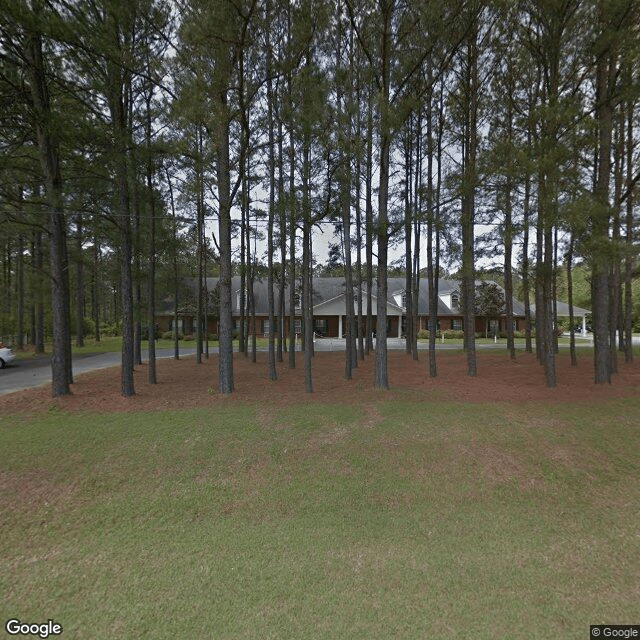
1710 S Broad St, Cairo, GA 39828
To contact a resident: (229) 377-6811
For more information about senior living options: (866) 208-4318
Magnolia Place of Cairo Costs & Pricing
At Magnolia Place of Cairo, the monthly costs for accommodations reflect both the quality of care and the market conditions in Grady County and Georgia. The pricing for a studio apartment is set at $3,645, which aligns with local averages but exceeds the state average of $3,520. For those seeking more space, a one-bedroom unit is available at $4,495, matching the county's rate while surpassing Georgia's average cost of $3,412. These rates indicate that Magnolia Place of Cairo offers a premium living experience that prioritizes comfort and services tailored to resident needs.
| Floor plans | Magnolia Place of Cairo | Grady County | Georgia |
|---|---|---|---|
| Studio | $3,645 | $3,645 | $3,520 |
| 1 Bedroom | $4,495 | $4,495 | $3,412 |
Skilled Nursing Facilities with a similar price nearby
-
from +$186 / mo

Mitchell County Nursing Homes
$3,831 to $4,597 / month24.4 miles away -
from +$485 / mo
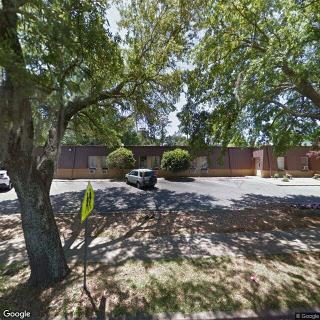
Rose City Health And Rehabilitation Center
$4,130 to $4,738 / month14.5 miles away
Overall Review of Magnolia Place of Cairo
Pros
 The staff are friendly, accommodating, and genuinely care for residents.
- The community is clean, well-kept, and welcoming.
- Meals are well-prepared and enjoyed by residents.
- There are engaging daily activities and a strong emphasis on individualized care.
- The memory care unit is homey and staffed by wonderful, helpful caregivers.
- The environment is quiet and calm, supporting residents' well-being.
- Families would definitely recommend Magnolia Place to others.
Cons
 The food is the only negative aspect.
- The memory unit smelled horribly.
- The food is sometimes cold, and when the lead cook is out, it's not good.
- The price is a little high.
- The staff were not doing their job and were mistreating her.
Review
Magnolia Place of Cairo is best suited for seniors who want a warm, family-oriented environment where attentive staff make daily life feel personalized and predictable. This community shines for residents who value genuine caregiver relationships, a calm setting, and clean, comfortable surroundings. The memory-care option is a clear fit for families seeking a home-like atmosphere in which specialized, individualized attention is available without sacrificing a sense of belonging. In short, Magnolia Place rewards families who prioritize staff dedication, steady routines, and a quiet, reassuring ambiance over flashy programming or high-energy pacing.
Those weighing alternatives should note a few practical boundaries. If the priority is consistently restaurant-quality meals without any variance, or if a highly dynamic social calendar with constant events is non-negotiable, there may be other options that better meet those expectations. A handful of reviewers flagged price as a consideration, suggesting that the value proposition hinges on the strength of care rather than a rock-bottom price. Prospective buyers should also be aware that, while food is generally praised, there can be occasional issues tied to staffing, such as meals that are not served at the ideal temperature when the lead cook is out. These are not universal flaws, but they are worth confirming during a tour and in conversations with leadership.
On balance, the strongest pros come from the people delivering care. Families repeatedly highlight staff as genuinely loving, flexible, and focused on residents’ well-being, with care that feels sincere and attentive. The daily activities, cleanliness, and the welcoming atmosphere help residents thrive, and the memory-care environment is described as homey and family-oriented, with rooms that are comfortable, well-kept, and easy to navigate for walkers. Meals are generally appreciated in the dining area, and many residents look forward to options that feel familiar and satisfying. The combination of compassionate staff, a quiet milieu, and well-maintained spaces tends to offset the occasional imperfections in food service or activity participation, delivering tangible value for families prioritizing safety and personal connection.
Yet certain negatives warrant careful scrutiny. A memorable concern centers on the memory-care unit, where at least one family reported unpleasant smells and a perception that care oversight could have been stronger, including an impression that staff responsiveness sometimes faltered. Another account mentions fluctuations in dining quality tied to staffing coverage. These instances are not the norm in every review, but they signal the importance of verifying the current state of operations, especially in the memory-care area, and of requesting transparent practices around how meals are prepared, served, and monitored. Prospective residents should ask pointed questions about odor control, routine housekeeping in memory care, staff-to-resident ratios, and how concerns are tracked and resolved.
The decision framework for Magnolia Place should center on a resident’s tolerance for quiet, homey settings and the priority given to caregiver consistency. For families seeking a serene, respectful environment where staff visibly loves the work and residents receive individualized attention, Magnolia Place offers compelling strength. For those who cannot compromise on consistently exemplary meals, robust, visible programming, or exceptionally tight controls in memory care, it may be prudent to compare options and verify current practices in person. A visit should focus on meal moments, direct conversations with caregivers, and a tour of the memory-care unit during a typical day. In the end, Magnolia Place is a sound fit for those who want dependable care and a familial atmosphere, with the caveat that due diligence confirms that the dining experience and memory-care oversight align with expectations.
 Studio apartments
 Assisted Living
 Memory Care
 Skilled Nursing Facility
 Activities on-site
 Beautician on-site
 Devotional services off-site
 Dining room
 Garden
 Housekeeping services
 Indoor common areas
 Kitchenette
 Laundry
 Respite or short term stays offered
 Ambulatory care
 Diabetic care
 Medication management
 Meals provided
 English





 8 Important Indicators That Memory Care May Be Necessary
 Delving into the Inner World of Dementia: Insights into Thoughts and Awareness
 Five Subtle Dementia Indicators to Observe: An In-Depth Guide to Understanding “Does My Mom Have Dementia?”