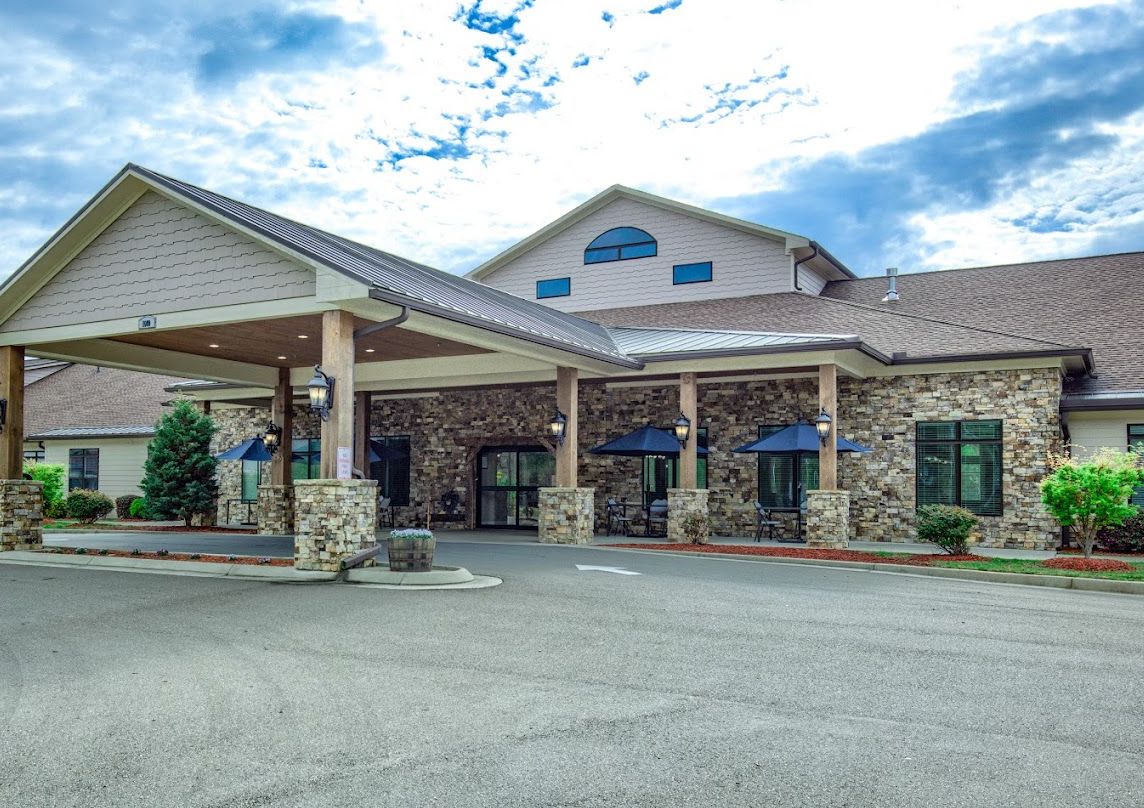
Blue Ridge Assisted Living and Memory Care Costs & Pricing
Blue Ridge Assisted Living and Memory Care offers competitive pricing within Union County and the state of Georgia, providing various room types that cater to different needs. For semi-private accommodations, residents can expect to pay $2,550 per month, slightly higher than the county average of $2,525 but comparable to the state average of $2,529. The studio option is priced at $2,975, aligning perfectly with the county while being more affordable than the statewide average of $3,520. Those seeking more space can opt for a one-bedroom unit at $3,495; this is above the local average of $3,182 but remains less than Georgia's average of $3,412. Finally, for two-bedroom suites, Blue Ridge's rate of $3,895 matches the county rates precisely while being marginally lower than the broader state rate of $3,921. Overall, Blue Ridge manages to strike a balance between quality care and affordability in this region.
Floor plans
Blue Ridge Assisted Living and Memory Care
Union County
Georgia
Semi-Private
$2,550
$2,525
$2,529
Studio
$2,975
$2,975
$3,520
1 Bedroom
$3,495
$3,182
$3,412
2 Bedrooms
$3,895
$3,895
$3,921
Overall Review of Blue Ridge Assisted Living and Memory Care
differentiator19 reviews mention this
Clean, home-like building stands out
Residents and visitors consistently describe a clean, well-kept facility.
Many reviews call out the facility’s cleanliness and overall appearance, from fresh, tidy common areas to a well-maintained building. Several also describe a bright, welcoming feel during tours and visits, including positive comments about the way the space looks and smells. A smaller number of reviews criticize cleanliness in specific ways, but the stronger pattern is that residents and guests notice and appreciate upkeep.
common34 reviews mention this
Staff friendliness is a common theme
Staff members are repeatedly described as kind, helpful, and responsive.
Across many reviews, people mention being greeted warmly, getting help when needed, and feeling that caregivers are attentive to residents. Families also describe specific staff interactions that make day-to-day visits feel easier, including friendliness at the front desk and support with resident needs. While there are also negative reviews about staffing and care, the volume of positive staff comments remains a key reason families describe feeling comfortable visiting or leaving a loved one in care.
common6 reviews mention this
Food quality gets strong feedback
Meals are frequently described as good or excellent.
Multiple reviews praise the meals, describing them as delicious, healthy-looking, or a highlight during visits and lunch dates. The community is also described as offering more than just basic dining, including a bistro and snacks available during the day. On the negative side, at least one reviewer calls the food terrible and says issues weren’t addressed, but overall dining feedback is more positive than negative.
common6 reviews mention this
Activities keep residents engaged
Residents are described as staying active with group and special events.
Several reviews mention scheduled activities such as exercise classes, bingo, and social gatherings, along with amenities that support outings and events. Pet-therapy visits and music or choir participation also come up as moments that residents look forward to. These reviews pair activity programming with a broader sense of community life, including time in common areas like the bistro or shared spaces.
caveat8 reviews mention this
Memory care staffing draws criticism
Some residents’ families report serious concerns about memory care staffing and follow-through.
A set of reviews describe problems that center on memory care supervision and staffing, including claims of residents being left unattended, medication errors, and inadequate assistance after falls. Others mention difficulties with care quality such as cleanliness lapses in resident care tasks, dehydration, or bed sores in the context of dementia support. While other reviews describe memory care as loving and respectful, these negative experiences are specific enough that families considering dementia care may want to ask detailed questions about staffing coverage and how care issues are documented and resolved.
How we summarize
Counts show how many written reviews mention each theme; a review can touch several themes, and only frequently mentioned themes are displayed.
Features
Housing
134 resident community capacity
1-bedroom apartments
2-bedroom apartments
3-bedroom apartments
Types of Care
Assisted Living
Memory Care
Pets
Cats allowed
Dogs allowed
Amenities
Activities off-site
Activities on-site
Air-conditioning
Beautician on-site
Beauty salon
Cable or satellite TV
Computer center
Devotional services on-site
Financial aid
Financing advice
Fitness room
Fully furnished
Gaming room
Garden
Home sale assistance
Housekeeping services
Indoor common areas
Kitchenette
Move-in coordination
Outdoor common areas
Outdoor space
Private bathrooms
Respite or short term stays offered
Restaurant-style dining
Small library
Telephone
VA Benefits Consultation
Wellness center
Wheelchair accessible showers
Wi-Fi/high-speed internet available
Transportation
Community operated transportation
Transportation arrangement
Transportation to doctors appointments
Care Services
24-hour call system
24-hour nursing
24-hour supervision
Activities of daily living assistance
Assistance with bathing
Assistance with dressing
Assistance with transfers
Diabetes diet
Diabetic care
High acuity care
Hospice care
Incontinence care
Meal preparation and service
Medication management
Mental wellness program
Mild cognitive impairment
Special dietary restrictions
Specialized memory care programming
Dining
Diabetes diet
Kosher
Meals provided
Special dietary restrictions
Vegetarian
Activities
Activities off-site
Activities on-site
Arts and crafts
Community-sponsored activities
Concierge services
Devotional activities on-site
Fitness programs
Planned day trips
Resident-run activities
Scheduled daily activities
Languages Spoken
English
Videos
Nearby Places of Interest
Restaurants
Blue Ridge Adventure Park (0.4 miles)
Pete's Place (0.5 miles)
Trailer Drive-In (1.1 miles)
Whiskey & Water (1.7 miles)
Southern Charm (1.7 miles)
Misty Mountain Hops (1.7 miles)
The Vine (1.7 miles)
Pharmacies
Fannin Drugs (1.1 miles)
Blue Ridge Pharmacy (1.6 miles)
Southern Drug Company (2.4 miles)
Parris Pharmacy (2.7 miles)
CVS Pharmacy (3.1 miles)
Riverstone Pharmacy (3.1 miles)
Ingles Pharmacy (3.2 miles)
Places of Worship
St Anthony Catholic Church (1.4 miles)
Blue Ridge United Methodist Church (1.6 miles)
Pleasant Grove Church (3.3 miles)
Uniquely You (6 miles)
House of the Living God (7.9 miles)
Colwell Baptist Church (7.9 miles)
Pleasant Hill Church (8.1 miles)
Theaters
Swan Drive In (1.6 miles)
Transportation
Railcar 2975 BRSR (1.7 miles)
Enterprise Rent-A-Car (2.8 miles)
U-Haul Moving & Storage (9.7 miles)
Cafes
Sips & Bites (1.7 miles)
Starbucks (2.3 miles)
Bumble Bee's Cafe (3.5 miles)
Copper Basin Sweets (10 miles)
Katz’s New York Deli (10 miles)
Parks
Blue Ridge City Park (1.7 miles)
Blue Ridge Baseball Field & Pool (1.9 miles)
Fannin County Park (4.1 miles)
Horseshoe Bend River Park (8.9 miles)
Toccoa River Park (9.9 miles)
Physicians
Blue Ridge Mountain Op (3 miles)
Riverstone Medical Center (3.1 miles)
Elias Issa, MD, FCCP (3.1 miles)
Camille Ledford, ANP-BC (3.1 miles)
Riverstone Medical Campus (3.1 miles)
Blue Ridge Dermatology (3.1 miles)
Ear Nose Throat & Allergy Specialist (3.1 miles)
Hospitals
Fannin Regional Hospital (5.4 miles)
Fannin Regional Hospital Emergency Department (5.4 miles)
Blue Ridge Assisted Living and Memory Care offers competitive pricing within Union County and the state of Georgia, providing various room types that cater to different needs. For semi-private accommodations, residents can expect to pay $2,550 per month, slightly higher than the county average of $2,525 but comparable to the state average of $2,529. The studio option is priced at $2,975, aligning perfectly with the county while being more affordable than the statewide average of $3,520. Those seeking more space can opt for a one-bedroom unit at $3,495; this is above the local average of $3,182 but remains less than Georgia's average of $3,412. Finally, for two-bedroom suites, Blue Ridge's rate of $3,895 matches the county rates precisely while being marginally lower than the broader state rate of $3,921. Overall, Blue Ridge manages to strike a balance between quality care and affordability in this region.
The array of features offered by Blue Ridge Assisted Living and Memory Care is designed specifically to address the unique needs of residents with dementia or Alzheimer's disease. The 24-hour supervision ensures a safe environment where trained staff are always available to respond to any emergencies or behavioral changes. Assistance with activities of daily living aids residents in maintaining their independence while receiving the support they need for bathing, dressing, and transfers, all of which can be particularly challenging for those with cognitive impairments. Incontinence care provides dignity and comfort, while tailored meal preparation and service cater to nutritional needs without overwhelming residents. Medication management helps prevent confusion regarding dosages and schedules, which is crucial for overall health maintenance. Moreover, the mental wellness program and specialized memory care programming engage residents in meaningful activities that stimulate cognitive function and emotional well-being, thus enriching their quality of life amidst the challenges posed by cognitive decline.
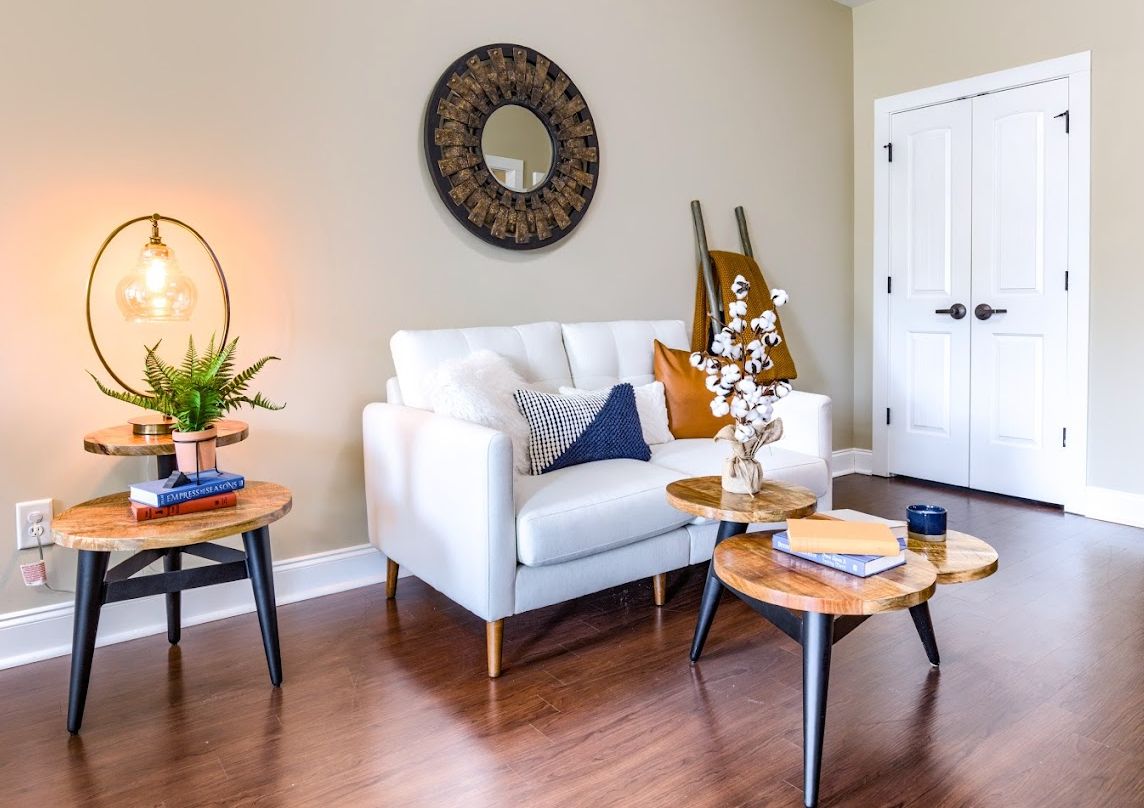
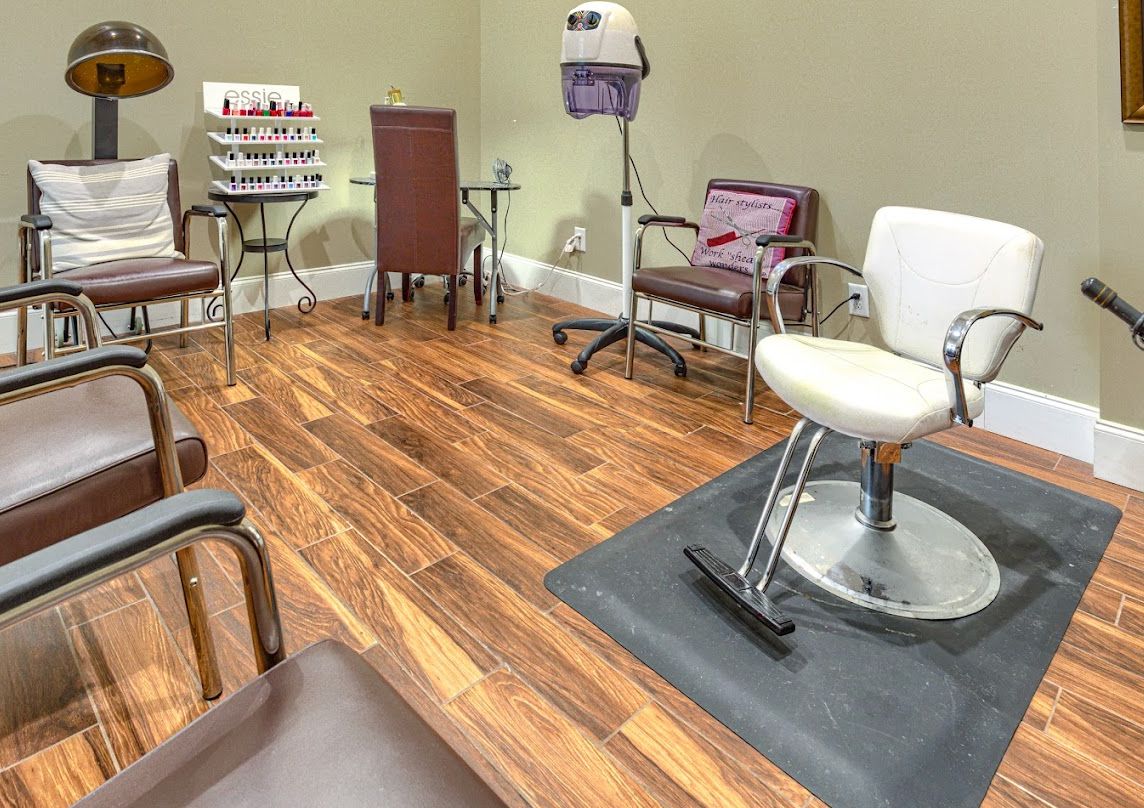
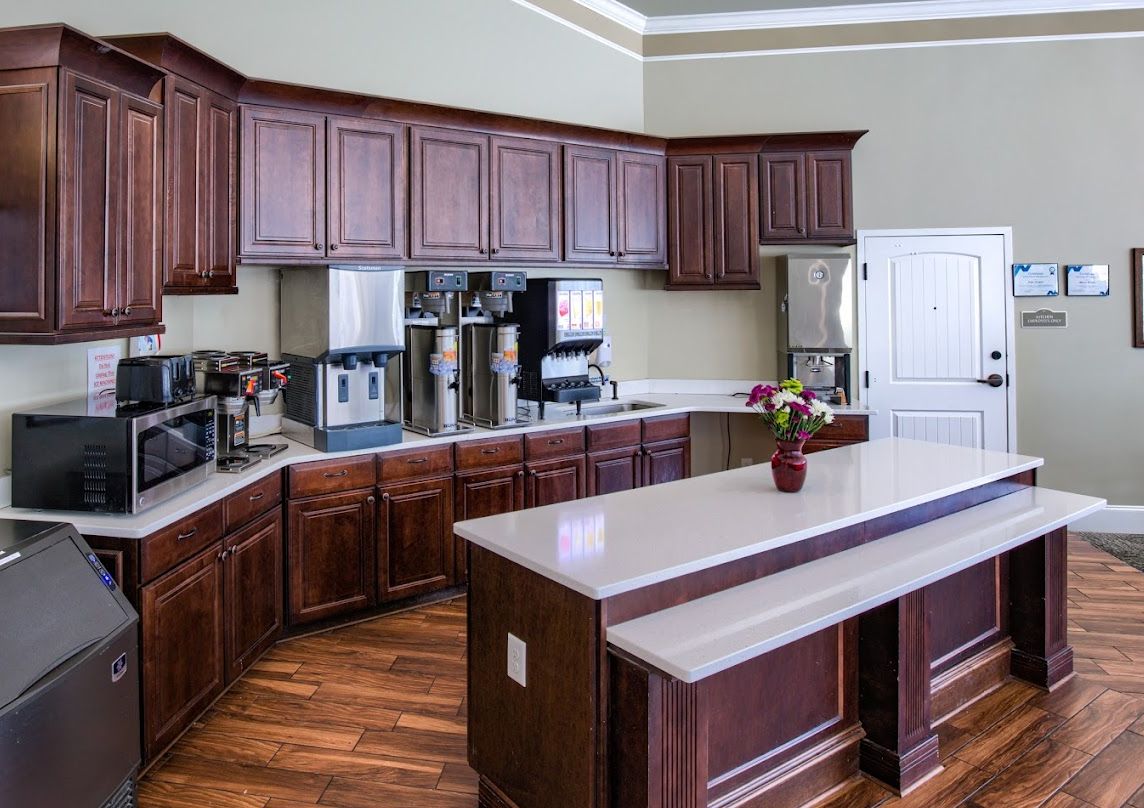
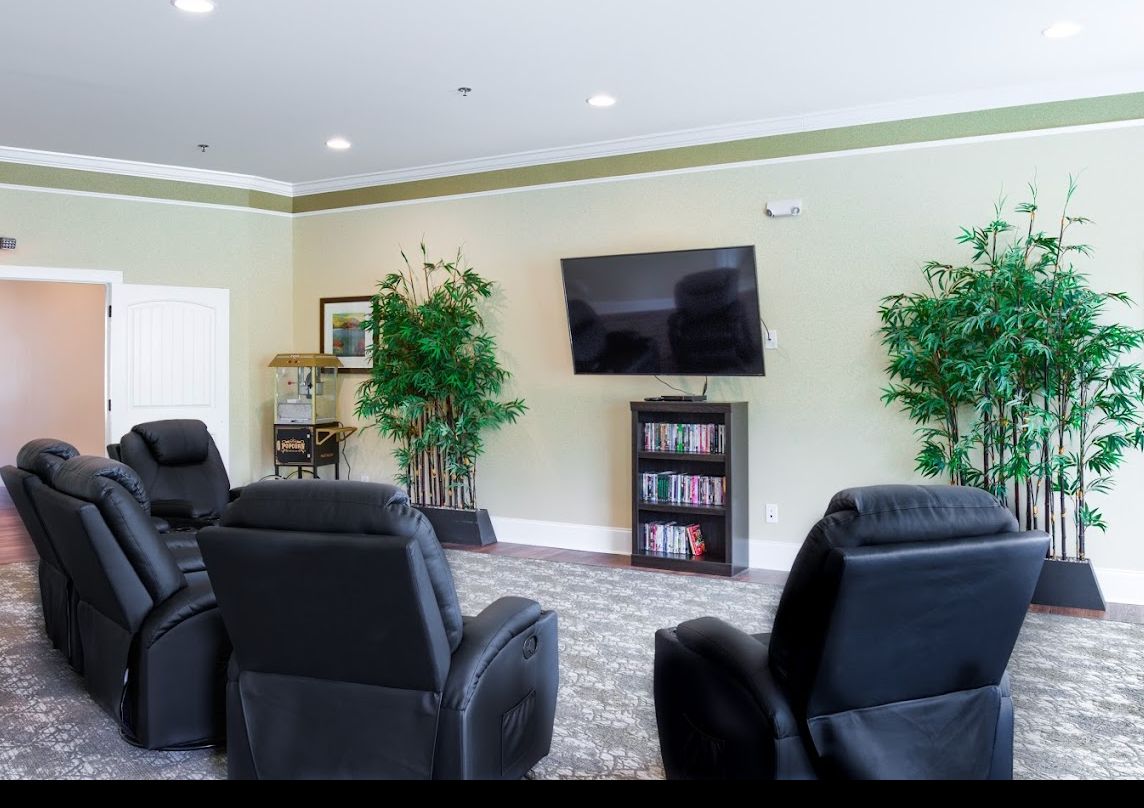
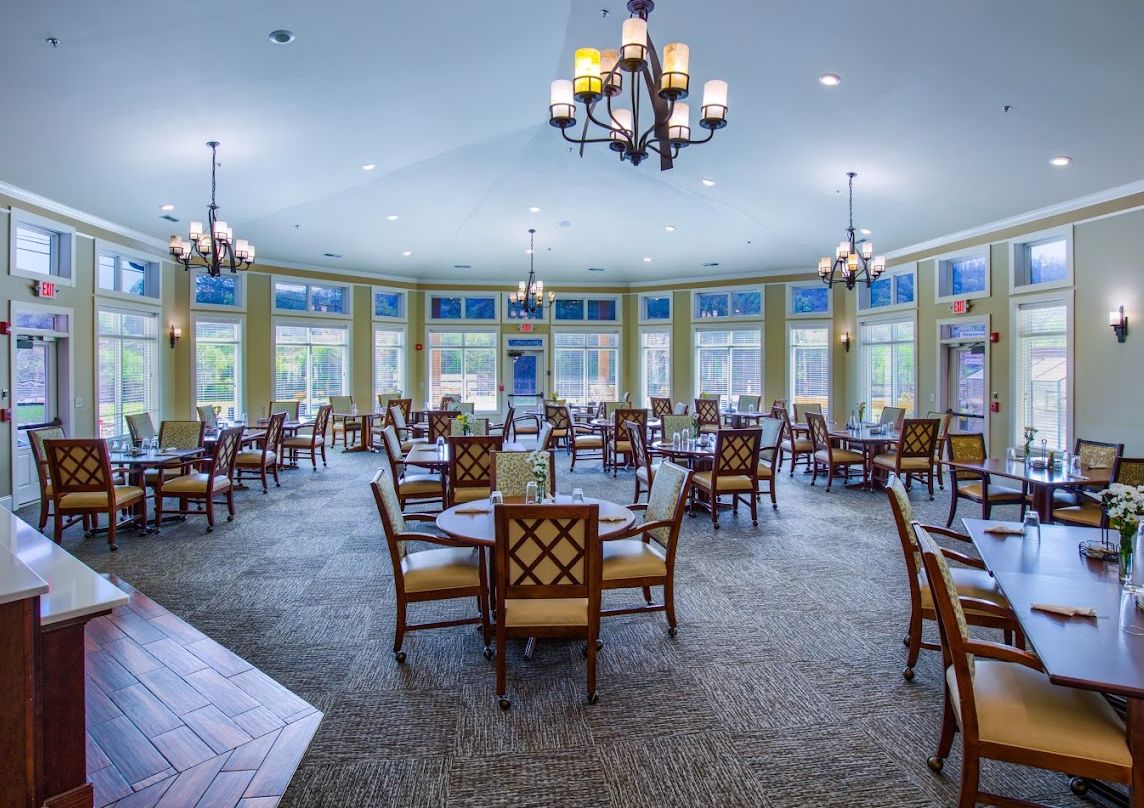
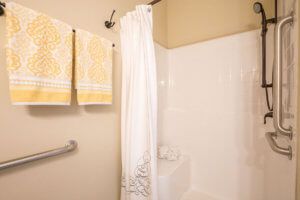
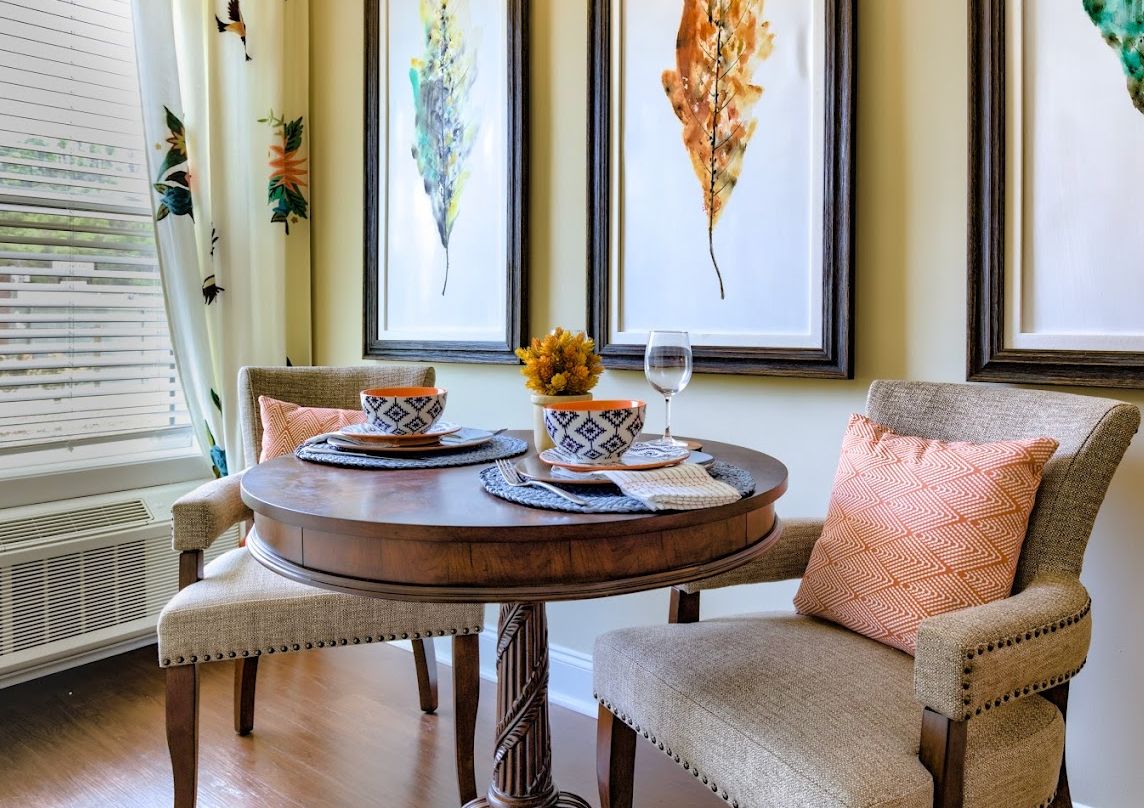
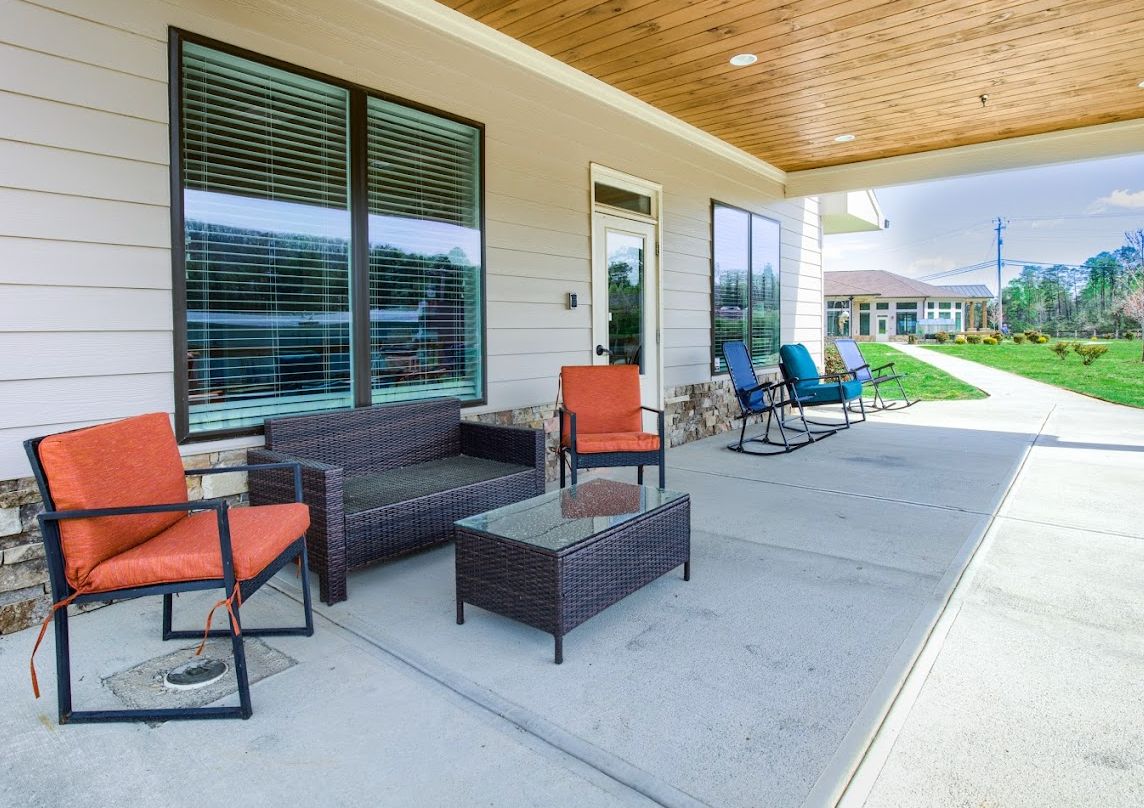
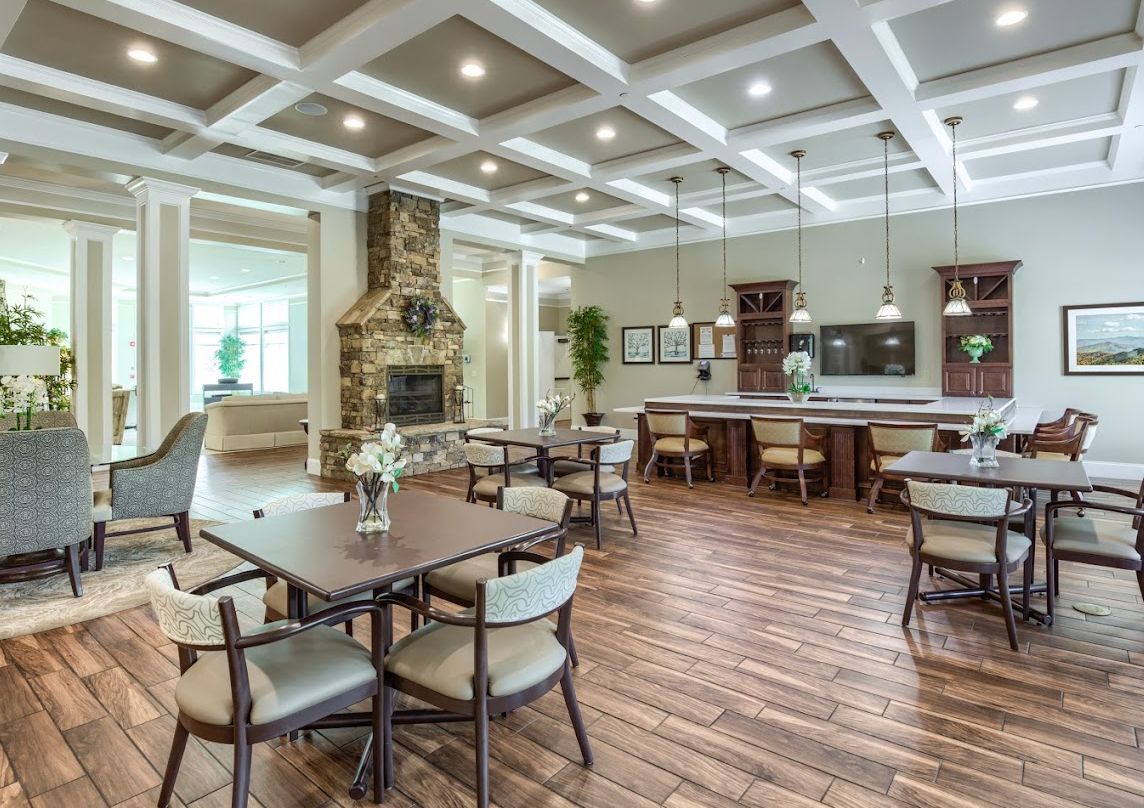
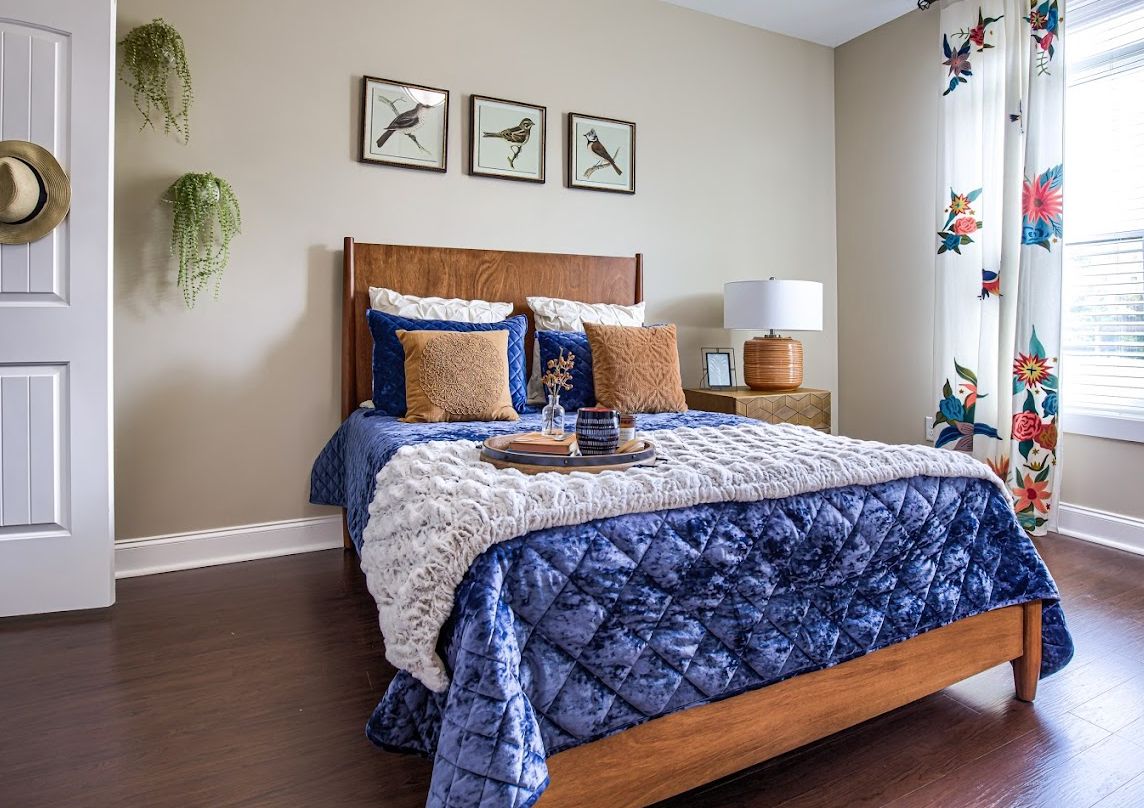
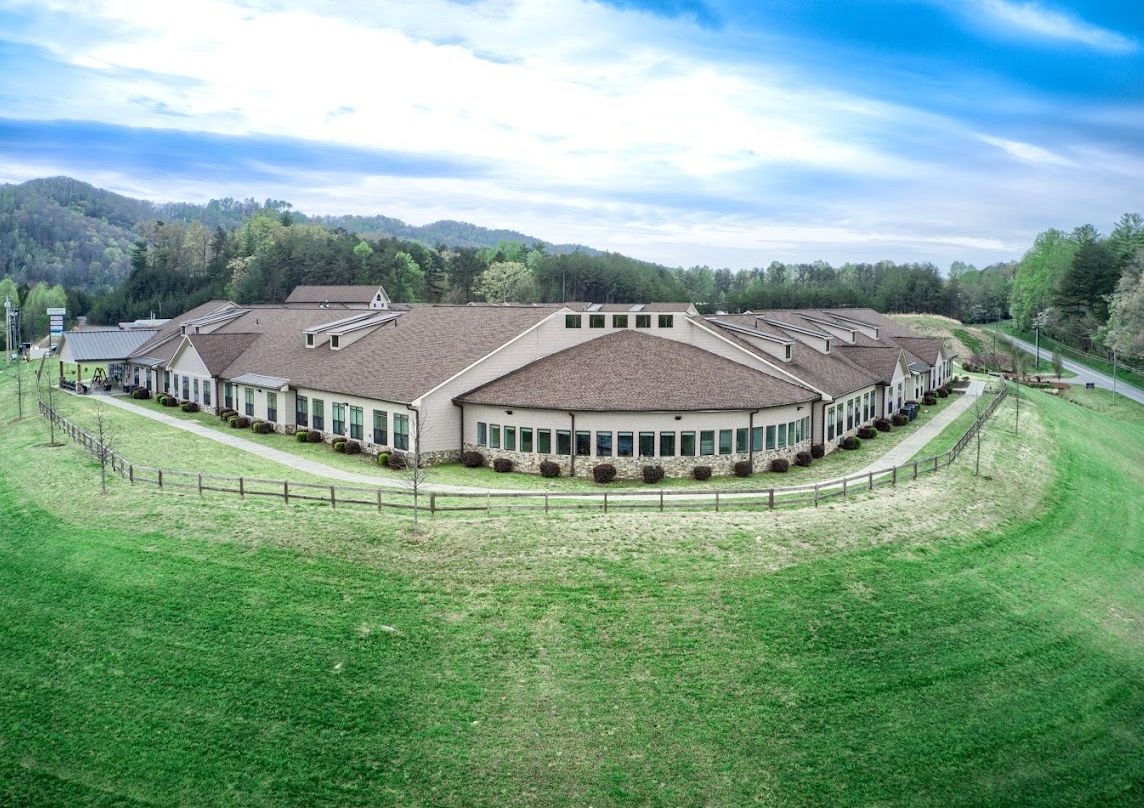
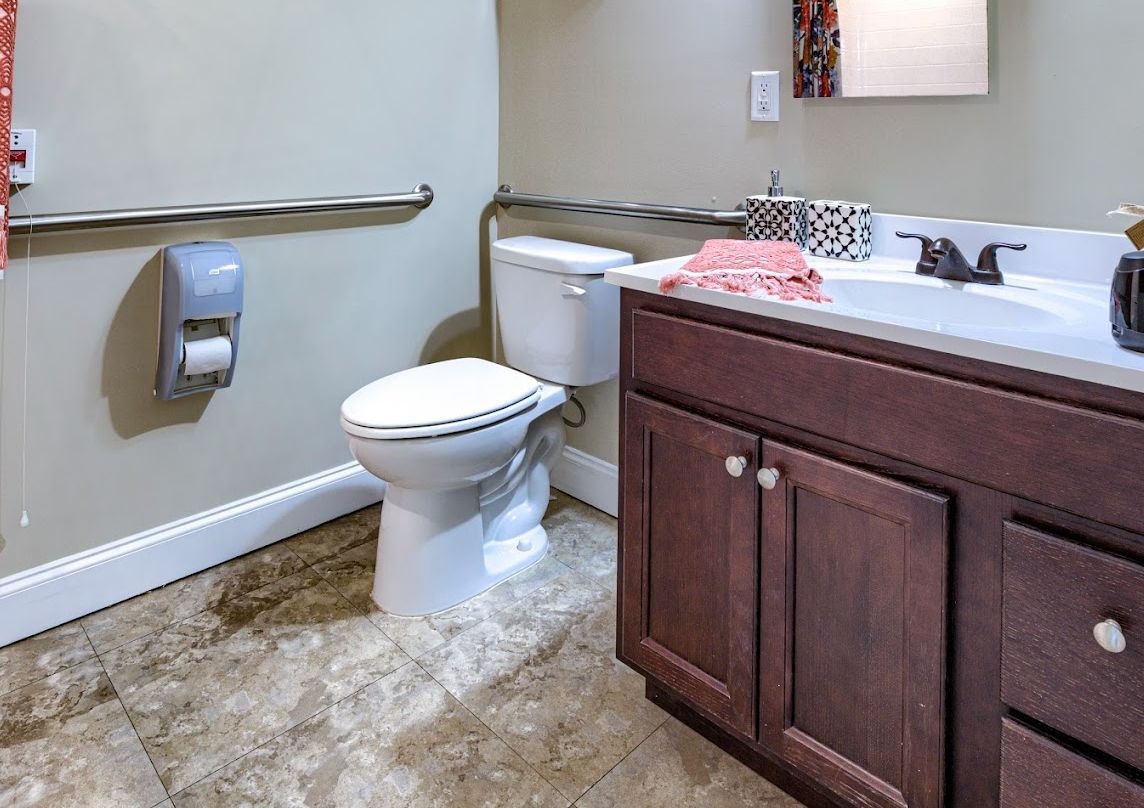
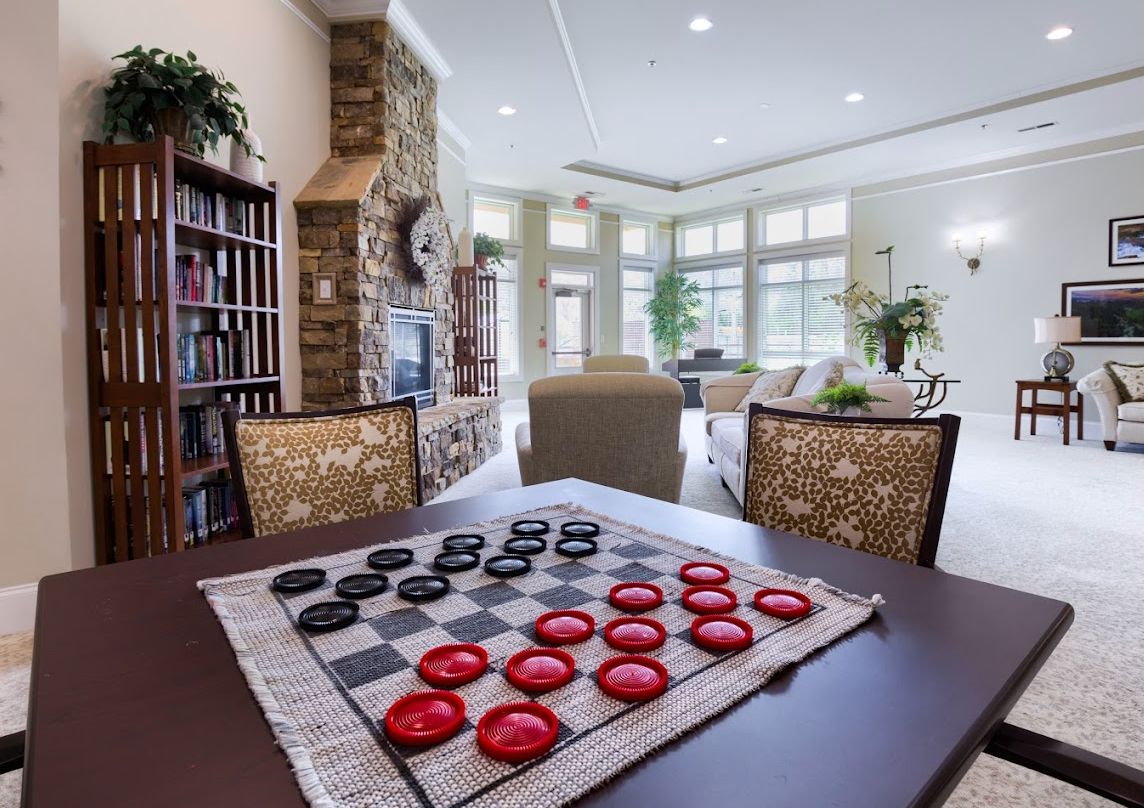
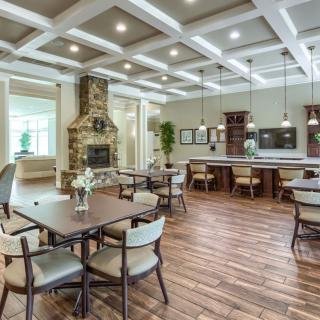
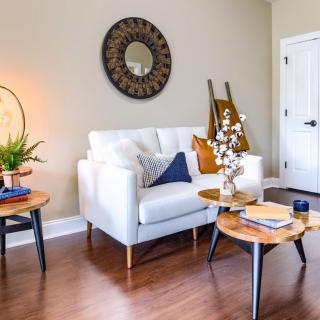
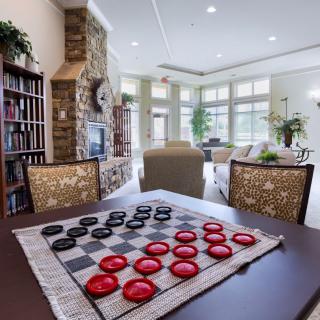
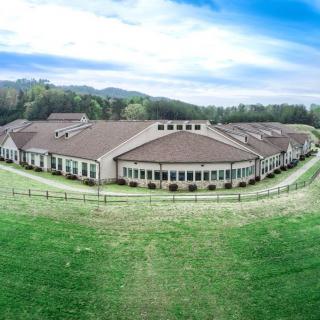
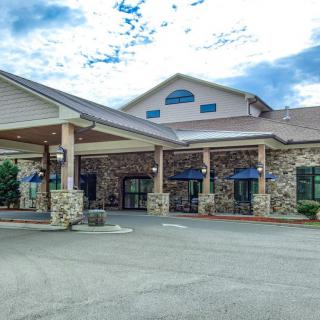
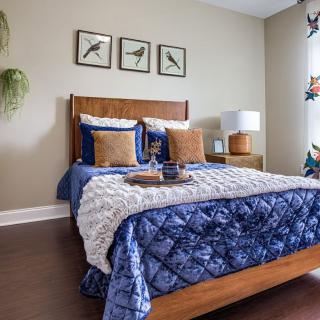
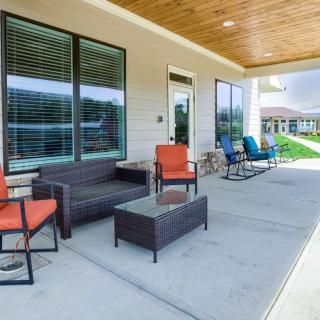
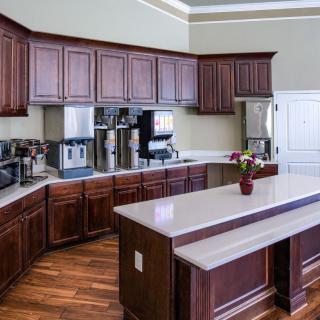
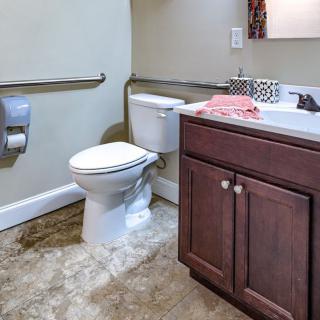
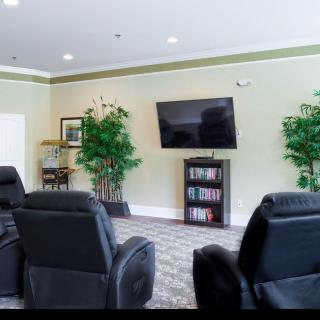
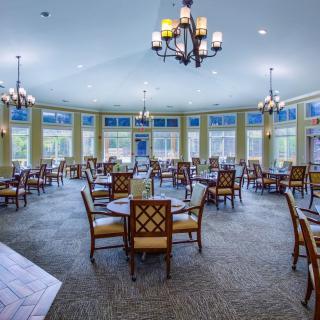
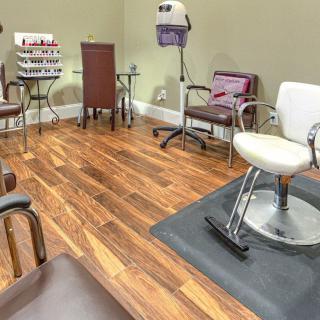
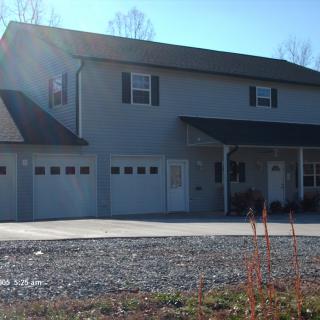
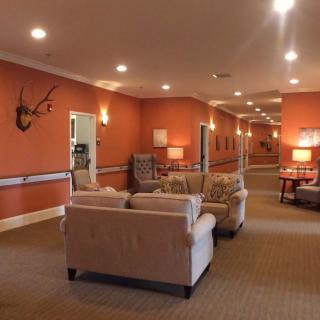
Blue Ridge Assisted Living and Memory Care on seniors.fyi includes 15 photos including images showing interior, bathroom, dining, living room, windows, building, architecture, salon, and more.
Nearby Communities
Pruitthealth - Blue Ridge
Blue Ridge, GA
4.5 from 86 reviews
Extensive amenities and care services (24/7 supervision, dining, wellness, transportation, and planned activities).
Southern Home Care Svc
Blue Ridge, GA
Strong nearby amenities (healthcare, dining, parks, and transportation).
Blue Ridge Village
Blue Ridge, GA
5 from 1 review
Vibrant activities and broad access to nearby healthcare, dining, and worship options.
Pat's PCH
Blue Ridge, GA
Comprehensive 24/7 care and active social programs in a well-equipped, maintenance-free setting.
Annie's House
Epworth, GA
Warm, supportive board-and-care with ADL assistance and social activities.
Golden Days Quality Care Home
Mineral Bluff, GA
1 from 1 review
$2,300 to $2,500 / month
Intimate small-capacity setting with private rooms and private baths plus on-site activities and dining options.
Branan Lodge
Blairsville, GA
4.8 from 56 reviews
$6,000 / month
Spacious, inviting apartment with patio access and pleasant ambiance.
Murphy Rehabilitation & Nursing
Murphy, NC
Extensive on-site amenities and comprehensive care support comfort and social engagement.
The Retreat at Jasper
Jasper, GA
4.7 from 45 reviews
$2,750 to $4,800 / month
Very caring, friendly staff in a welcoming community with engaging activities and memory-care options.
The article presents five subtle indicators of dementia, such as memory lapses and mood swings, to help families assess cognitive decline in loved ones. It emphasizes early detection, open communication, and seeking professional help while providing practical support steps.
Dementia encompasses progressive neurological disorders that impair cognitive functions and can lead to paranoia due to cognitive decline and emotional changes. The article discusses the triggers of paranoia in dementia, caregiver strategies for managing it, and the importance of distinguishing between dementia-related paranoia and other psychiatric conditions.
Memory care activities are essential for improving the quality of life of seniors with cognitive impairments, as they stimulate cognitive function, promote well-being, and encourage social interaction through tailored strategies. These activities combine structured exercises with spontaneous tasks, sensory engagement, physical workouts, creative pursuits, and intergenerational interactions to enhance emotional connection and a sense of purpose.
Natural Light, Modern Furniture, and Cozy Atmosphere
Wall Art
Hardwood Floor
Shower
Grab Bars
Interior Decor
Get PricingAsk A QuestionSchedule A TourContact Senior Advisor
By clicking submit, you agree to our Partner's Terms of Use. You
also consent to receive calls and texts, which may be autodialed, from our Partner. Your consent is not a condition to
using our Partner's service. Please visit our Partner's Privacy Policy for information about their privacy practices.



 134 resident community capacity
 1-bedroom apartments
 Assisted Living
 Memory Care
 Cats allowed
 Dogs allowed
 Activities off-site
 Air-conditioning
 Beautician on-site
 Cable or satellite TV
 Computer center
 Devotional services on-site
 Financial aid
 Fitness room
 Fully furnished
 Gaming room
 Garden
 Housekeeping services
 Indoor common areas
 Kitchenette
 Move-in coordination
 Outdoor common areas
 Private bathrooms
 Respite or short term stays offered
 Restaurant-style dining
 Small library
 Telephone
 Wellness center
 Wheelchair accessible showers
 Wi-Fi/high-speed internet available
 Community operated transportation
 24-hour call system
 24-hour nursing
 Assistance with bathing
 Assistance with dressing
 Assistance with transfers
 Diabetes diet
 Diabetic care
 High acuity care
 Hospice care
 Incontinence care
 Medication management
 Mental wellness program
 Special dietary restrictions
 Arts and crafts
 Concierge services
 Planned day trips
 English
 Extensive amenities and care services (24/7 supervision, dining, wellness, transportation, and planned activities).


 Five Subtle Dementia Indicators to Observe: An In-Depth Guide to Understanding “Does My Mom Have Dementia?”
 Dementia, Paranoia, and Caregiver Guidance: Understanding the Connection
 Engaging Memory Care Activities That Enhance Quality of Life