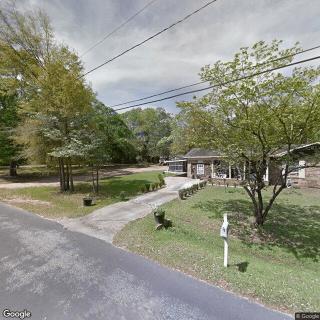
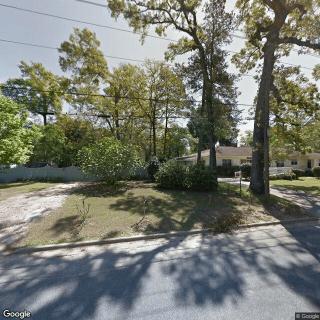
Johnson's PCH 2

1009 Hall Street, Bainbridge, GA 39819

For more information about senior living options: (844) 490-3973

1.8 from 5 reviews
5 stars
1
4 stars
0
3 stars
0
2 stars
0
1 stars
4

Assisted Living Board and Care Home

What level of care are you interested in?

Assisted Living

Memory Care

Independent Living

Skilled Nursing Facility

Continuing Care Retirement Community (CCRC)CCRC

Other


Request a tour at Johnson's PCH 2

    Overall Review of Johnson's PCH 2

    Pros

    • pro The place is described as great.
    • pro The owner is described as very professional.

    Cons

    • pro The residents are kept in poor conditions and barely fed, with food allegedly stolen or cross-contaminated and purchased by the owner.
    • pro The owner's son, who lives in the facility, abuses patients and sells drugs outside the facility.
    • pro The place is not a place for anyone; it is described as unsuitable.
    • pro The reviews about the facility are bad.
    • pro Residents are scared and threatened by others in the facility.
    • pro The parent is being harassed and threatened.
    • pro The person who runs the facility has been in prison.
    • pro The patients do not get proper care and the manager is not professional.
    • pro There are better options for loved ones in Bainbridge.

    Review

    There is considerable anxiety surrounding a residential care facility in Bainbridge, where several families have raised alarm about the welfare and safety of the residents. One account describes a setting that feels more like a place of fear than a home, where residents are allegedly kept in poor conditions and are scarcely fed unless someone outside the facility supplies food that is described as stolen or cross-contaminated. The family member who shared the concerns has been actively engaging with Aging and Development Services to address what they view as ongoing abuse and neglect, especially as it involves the owner's son, who allegedly operates outside the facility and is involved in drug activity. The overall tone of this report is one of deep concern for the wellbeing and dignity of the residents, and a plea for intervention to prevent further harm.

    The most troubling elements multiple reviewers highlight revolve around basic care and nutrition. It is claimed that residents do not receive adequate meals, and when they do eat, the food may be contaminated or sourced from questionable channels - described as "stolen cross contaminated food" bought from someone's trunk or car. The accounts imply a lack of proper oversight and supervision over meals and food handling, raising questions about food safety, nutrition, and the daily routines that should be designed to protect vulnerable adults. The impression left by these statements is that the facility operates with insufficient attention to standard caregiving practices and resident dignity, which, if true, would be a matter of grave concern for families and regulating agencies alike.

    Another set of troubling reports centers on the behavior and influence of the owner's family, particularly the owner's son, who is alleged to be selling drugs in connection with or near the premises. This accusation compounds fears about safety and legality, suggesting a disruption of a stable, secure environment for residents who may already be dependent on others for their daily care. The fear extends beyond the alleged drug activity to include harassment and threats among residents themselves, with one vivid anecdote describing a male resident taking a family member's phone and the chilling message that arrived later: "Always remember I love you with all my heart. I won't make it out of here alive." The mention of threats and intimidation, combined with reports that other residents feel scared as well, paints a distressing picture of an environment in crisis, where residents may feel unsafe and unsupported.

    A recurring theme in the firsthand accounts is the sense of opacity surrounding the facility. Reviewers point out the lack of interior photos or accessible images of the group home, which contributes to a perception of concealment or avoidance of scrutiny. Compounding this is a claimed history about the owner, including a prison past, which some readers interpret as a red flag about the propriety and governance of the operation. In contrast to the warnings and warnings repeated by some families, there is a clear call from the same posts for the parent to come home to safety, underscoring the personal stakes involved and the emotional strain experienced by loved ones who worry about daily conditions and long-term safety.

    Amid these intense concerns, there are also expressions of skepticism about the reliability and motivations behind such accusations. One reviewer acknowledges the fear and danger described but also notes that the facility has supporters who insist the owner is professional and capable. The assertion that "the owner is very professional" introduces a conflicting voice, suggesting that experiences may vary widely from one observer to another and that the reality on the ground could be more nuanced. This divergence highlights the complexity of evaluating care settings, where individual interactions and perspectives can diverge significantly, and where the truth may lie somewhere between strong accusations and guarded endorsements.

    For families considering the care of their loved ones, these accounts emphasize the importance of vigilance, due diligence, and timely engagement with regulatory authorities. The reports indicate that Aging and Development Services has already been contacted in an effort to confront potential abuse and neglect, a step that many families feel is essential when faced with conflicting assessments of a facility's quality of care. The prevailing message is a call for accountability, transparency, and robust oversight to ensure that residents receive respectful, consistent care in a safe environment. In the meantime, the sentiment across the posts is one of urgency: families want their relatives to be placed in settings where their health, safety, and dignity are protected, and they are prepared to pursue all available avenues to achieve that outcome.

    Features

    Housing

    • 6 resident community capacity 6 resident community capacity

    Types of Care

    • Assisted Living Assisted LivingAssisted living facilities provide crucial support and care for seniors who may need help with daily tasks such as medication management, bathing, and meal preparation. These communities offer a safe and comfortable environment where seniors can maintain their independence while receiving the assistance they need to thrive in their golden years.
    • Board and Care Home Board and Care HomeBoard and care homes provide a smaller, more intimate setting for seniors who require assistance with daily tasks but do not need the level of care offered by a nursing home. They offer personalized care, meals, and social activities in a homelike environment, ensuring that seniors receive individualized attention and support in their golden years.

    Amenities

    • Cable or satellite TV Cable or satellite TVCable or satellite TV is important for seniors because it provides entertainment, news, and companionship, helping to combat loneliness and boredom. It also offers a wide range of programming options tailored to different interests and preferences.
    • Dining room Dining roomDining rooms are important for seniors as they provide a space for socialization, connection, and nutritious meals. They offer opportunities for residents to bond over shared meals, foster a sense of community, and promote healthy eating habits. Dining rooms also ensure that seniors have access to well-balanced meals tailored to their dietary needs and preferences.
    • Fully furnished Fully furnishedFully furnished senior living communities are important for seniors because they provide convenience, comfort, and a hassle-free moving experience. Seniors can easily settle into their new living space without the stress of having to buy and move furniture. This allows them to focus on enjoying their new home and community.
    • Garden GardenGardens are important for seniors as they provide a peaceful and therapeutic environment for relaxation, physical activity, and socialization. Being in nature has been shown to reduce stress, improve mood, and promote overall well-being. Gardens also offer opportunities for seniors to engage in gardening activities, which can improve mobility, flexibility, and cognitive function. Additionally, gardens create a sense of community and connection with others who share a passion for plants and outdoor spaces.
    • Housekeeping services Housekeeping servicesHousekeeping services are important for seniors because they help maintain a clean and safe living environment, promote independence, and reduce the risk of accidents or illnesses. Additionally, having assistance with household chores can alleviate physical strain and allow seniors to focus on other aspects of their well-being.
    • Move-in coordination Move-in coordinationMove-in coordination is important for seniors because it helps ease the transition into their new living environment. It ensures that all logistics, such as packing, organizing movers, and setting up utilities are taken care of, allowing seniors to focus on settling in and adjusting to their new home. Having a smooth move-in process can alleviate stress and anxiety, making the transition smoother and more enjoyable for seniors.
    • Outdoor space Outdoor spaceOutdoor spaces are important for seniors as they provide opportunities for physical activity, social interaction, exposure to natural light and fresh air, and a sense of connection to nature. Having access to outdoor spaces can improve overall well-being and quality of life for older adults living in senior communities.
    • Telephone TelephoneTelephones are important for seniors as they provide a lifeline for communication with loved ones, emergency services, and healthcare providers. They offer a sense of security and independence, enabling seniors to stay connected and access assistance when needed.
    • Wi-Fi/high-speed internet available Wi-Fi/high-speed internet availableWi-Fi/high-speed internet is important for seniors to stay connected with loved ones, access online resources, and participate in virtual activities to combat feelings of loneliness and isolation. It also allows them to easily manage healthcare needs, access entertainment, and engage in lifelong learning opportunities.

    Care Services

    • 24-hour supervision 24-hour supervision24-hour supervision is important for seniors to ensure their safety, well-being, and access to immediate assistance in case of emergencies or health issues. This constant support provides peace of mind for both seniors and their loved ones, allowing them to age in place with dignity and security.
    • Activities of daily living assistance Activities of daily living assistanceActivities of daily living assistance are important for seniors because they provide essential support with tasks such as eating, bathing, dressing, and mobility. This assistance helps seniors maintain their independence, dignity, and overall quality of life as they age.
    • Assistance with bathing Assistance with bathingAssistance with bathing is crucial for seniors as it helps maintain personal hygiene, prevents infections, and ensures their overall well-being and comfort. It also provides a sense of dignity and independence for seniors who may struggle with this task on their own.
    • Assistance with dressing Assistance with dressingAssistance with dressing is important for seniors because it helps maintain their independence, promotes personal hygiene, prevents accidents and injuries, and improves overall quality of life. This service ensures that seniors can continue to dress comfortably and confidently, despite any physical limitations they may have.
    • Assistance with transfers Assistance with transfersAssistance with transfers is crucial for seniors as it helps prevent falls and injuries, maintains their independence, and ensures they can safely navigate their living environment. It also provides peace of mind for both seniors and their loved ones.
    • Coordination with health care providers Coordination with health care providersCoordination with health care providers is crucial for seniors to ensure proper medical care, medication management, and overall well-being. This collaboration helps prevent overlapping treatments, track progress more effectively, and provide comprehensive support tailored to individual needs.
    • Diabetes diet Diabetes dietA diabetes diet is crucial for seniors as it helps manage blood sugar levels, reduce risks of complications, and improve overall health and well-being. By following a balanced and nutritious diet tailored to their specific needs, seniors can better control their diabetes and enhance their quality of life.
    • Meal preparation and service Meal preparation and serviceMeal preparation and service are crucial for seniors as they may have limited mobility or energy to cook nutritious meals. Having access to healthy and convenient food options can ensure they are getting the proper nutrition needed to maintain their overall health and well-being.
    • Medication management Medication managementMedication management is crucial for seniors to ensure they are taking the right medications at the correct dosages and times. This helps prevent adverse drug interactions, reduces the risk of medication errors, and promotes overall health and well-being. Proactive management also allows for adjustments as needed based on changing health conditions or new prescriptions.
    • Special dietary restrictions Special dietary restrictionsSpecial dietary restrictions are important for seniors because age-related changes in metabolism and health conditions can make it difficult for their bodies to process certain foods. By following a diet tailored to their specific needs, seniors can maintain their overall health and well-being, manage chronic conditions, and reduce the risk of complications such as malnutrition or food interactions with medications.
    • Transportation arrangement (medical) Transportation arrangement (medical)Transportation arrangements for medical purposes are essential for seniors as they may have difficulty driving themselves to appointments or accessing public transportation. Having reliable and safe transportation options ensures that seniors can receive timely medical care and maintain their health and well-being.
    • Transportation to doctors appointments Transportation to doctors appointmentsTransportation to doctors' appointments is crucial for seniors as it ensures they have access to necessary medical care and support for their health needs. Without reliable transportation, seniors may struggle to attend important appointments, leading to potential delays in treatment and health complications. Providing transportation services helps seniors maintain their overall well-being and quality of life.
    Dining

    • Diabetes diet Diabetes dietA diabetes diet is crucial for seniors as it helps manage blood sugar levels, reduce risks of complications, and improve overall health and well-being. By following a balanced and nutritious diet tailored to their specific needs, seniors can better control their diabetes and enhance their quality of life.
    • Special dietary restrictions Special dietary restrictionsSpecial dietary restrictions are important for seniors because age-related changes in metabolism and health conditions can make it difficult for their bodies to process certain foods. By following a diet tailored to their specific needs, seniors can maintain their overall health and well-being, manage chronic conditions, and reduce the risk of complications such as malnutrition or food interactions with medications.

    Activities

    • Community-sponsored activities Community-sponsored activitiesCommunity-sponsored activities are important for seniors as they provide opportunities for social interaction, mental stimulation, and physical activity. These activities can help improve overall well-being, combat loneliness and isolation, and promote a sense of belonging and purpose among older adults.
    • Scheduled daily activities Scheduled daily activitiesScheduled daily activities are important for seniors because they provide structure, socialization, mental stimulation, and physical activity. Engaging in regular activities can improve overall well-being and quality of life for seniors living in a community setting.

    Description

    Johnson's PCH 2, located in the heart of Bainbridge, GA, is a welcoming board and care home designed to provide a nurturing and comfortable environment for its residents. Offering a range of amenities that enhance daily living, this community features a beautifully furnished dining room where residents can enjoy meals prepared to accommodate special dietary restrictions. The lush garden and outdoor spaces provide serene areas for relaxation and socialization.

    The dedicated staff at Johnson's PCH 2 are committed to delivering comprehensive care services tailored to each individual's needs. Residents receive assistance with activities of daily living, including bathing, dressing, and transfers. The team also coordinates with healthcare providers to ensure all medical needs are met effectively. For those managing diabetes or other dietary needs, the meal preparation and service include special diet options.

    To foster an active lifestyle, Johnson's PCH 2 offers scheduled daily activities that encourage engagement and social interaction among residents. Housekeeping services maintain a clean and homely atmosphere, while move-in coordination ensures new residents feel welcomed from the moment they arrive.

    Convenience is key at Johnson's PCH 2; nearby amenities include cafes, parks, pharmacies, physicians' offices, restaurants, places of worship, and hospitals. Additionally, transportation arrangements for medical appointments make getting around stress-free.

    With Wi-Fi/high-speed internet access available throughout the community and telephone services provided for staying connected with loved ones, Johnson's PCH 2 truly embodies the essence of compassionate assisted living in Bainbridge.

    Nearby Places of Interest

    Cafes

    • Ellianos Coffee Bainbridge (0.3 miles)

    Restaurants

    • Maryland Fried Chicken (0.3 miles)
    • Sonic Drive-In (0.5 miles)
    • Domino's Pizza (0.5 miles)
    • San Marcos Mexican Grill (0.6 miles)
    • Zaxby's (0.6 miles)
    • The American (0.8 miles)
    • Yesterday's Diner (0.8 miles)

    Places of Worship

    • Nelson Chapel AME Church (0.4 miles)
    • St Joseph Catholic Church (0.4 miles)
    • Southern Baptist Convention (0.5 miles)
    • Priestly Praise (0.5 miles)
    • Church Of Christ (0.6 miles)
    • Grace Church (0.6 miles)
    • First Presbyterian Church (0.6 miles)

    Hospitals

    • Memorial Hospital & Manor (0.5 miles)
    • Renex Dialysis Centers of South Georgia (0.6 miles)
    • Memorial Medical Center (1.1 miles)

    Parks

    • College Street Park (0.7 miles)
    • Decatur County Memorial Coliseum (1.1 miles)
    • Earle May Park (1.4 miles)
    • Bill Reynolds Tennis Complex (1.6 miles)
    • Lake Drive Park (2.1 miles)
    • Brinson Family Historic District (11.3 miles)

    Pharmacies

    • CVS Pharmacy (0.7 miles)
    • Winn-Dixie (0.7 miles)
    • Bainbridge Pharmacy (1.2 miles)
    • Walgreens (1.2 miles)
    • Harvey's Supermarket (1.4 miles)

    Physicians

    • Burke & Robinson MD PC (1.2 miles)
    • Leverett Dental (1.2 miles)
    • Primary Care Of Southwest Georgia (1.2 miles)
    • South Georgia Urology Group (1.2 miles)
    • Dr Burke, Robinson & Moye (1.2 miles)
    • Prysca Ngalame MD (1.3 miles)
    • Amelia Medical Plaza - Katherine Wiegman MD (1.3 miles)

    Transportation

    • Enterprise Rent-A-Car (1.5 miles)

    Frequently Asked Questions

    Where is Johnson's PCH 2?

    Nearby Communities

    Assisted Living in Nearby Cities

    Related Resources

    • assisted living insuranceAssisted Living Expenses and Long-Term Care Insurance: A Comprehensive Exploration

      The article discusses assisted living expenses, the importance of long-term care insurance in covering these costs, and various financing options, highlighting the need for careful policy review and early planning to address potential needs. It also clarifies common misconceptions about Medicare and private health insurance limitations regarding long-term care coverage.

    • how to pay for assisted livingSecuring Financial Support for Assisted Living: A Comprehensive Overview

      Assisted living facilities offer crucial support for older adults needing help with daily activities but come with varying and significant costs, which can be financed through personal savings, government assistance programs, long-term care insurance, and home equity options. Professional guidance from experts can aid families in navigating these financial complexities to establish a sustainable budgeting approach for assisted living services.

    • assisted living for seniors on social securitySocial Security Benefits and Assisted Living: Navigating Options Across the U.S.

      Assisted living costs often exceed Social Security benefits, necessitating a combination of funding sources like state aid and Medicaid. Understanding the interaction between Social Security programs and available financial support is essential for affording such care.


    Get Pricing Ask A Question Schedule A Tour Contact Senior Advisor