
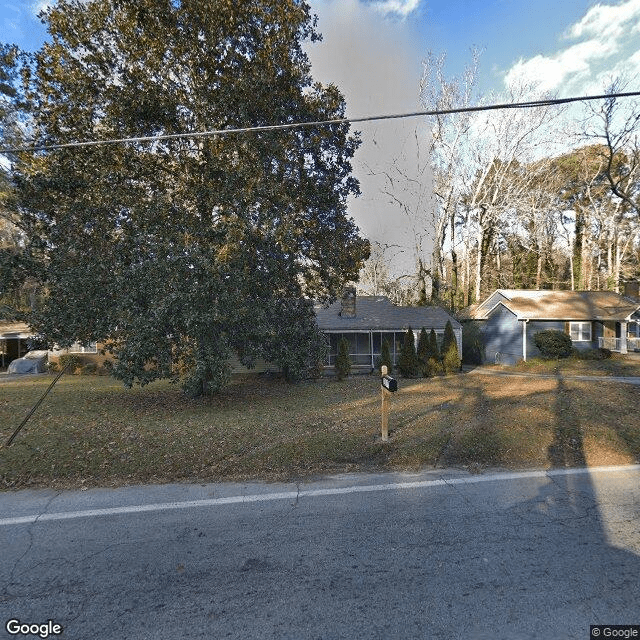
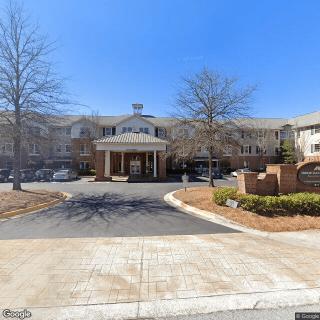
2077 Beecher Rd SW, Atlanta, GA 30311
To contact a resident: (404) 758-5303
For more information about senior living options: (866) 208-4318
Overall Review of Sue's Benevolent Care Home
Pros
 Engaged Living provides highly helpful and supportive care for loved ones.
- The caregivers are kind, compassionate, and respectful.
- The office staff are responsive and attentive to family needs.
- Raphael, the manager, is professional, knowledgeable, and easy to work with.
- Rebecca is a valued team member whom clients enjoy working with.
- Engaged Living is readily available and communicates effectively from day one.
- They help families navigate aging and care transitions with flexibility.
- Clients have peace of mind knowing someone checks in on their loved one with care.
- The organization handles post-rehab and home health needs with flying colors.
- The staff are friendly, warm, and accommodating, ensuring needs are met quickly.
- Administrative processes are easy to manage with electronic contracts and payments.
- The services allow loved ones to stay at home with independence, dignity, and trust.
Review
This community is best suited for families seeking reliable, compassionate in-home care that can function as a seamless supplement to an assisted living arrangement or as a robust option for aging in place. Across 23 five-star reviews, Engaged Living Seniors demonstrates a clear strength in providing personable caregivers who quickly become trusted extensions of the family’s support system. Caregivers are described as kind, respectful, and attentive to individual needs, while managers, most notably Raphael, are highlighted for professionalism, flexibility, and rapid responsiveness. The practical takeaway is straightforward: when a loved one must remain in familiar surroundings or need post-hospital or rehab follow-up care, this service offers a dependable, resident-centered layer of protection and continuity.
Not everyone should expect this to be the sole solution. Families needing the full, on-site ecosystem of a traditional, 24/7 staffed facility with continuous medical oversight may want alternatives. Those with high-acuity medical requirements, complex nursing needs, or a preference for a fixed, predictable monthly rate within a building-based setting may find a different model more suitable. Additionally, while in-home care can be cost-effective relative to constant facility care for some, it remains essential to consider budget implications and the potential for longer-term care plans that evolve with health status.
A core strength is the proactive, responsive approach that pervades every review. The pros are tangible: caregivers who arrive with warmth and a clear focus on dignity and independence; the ability to bridge gaps in hospital or rehab transitions; and the ease of administration, with electronic contracts and straightforward billing that reduce friction during a stressful period. The manager’s leadership, Raphael, is repeatedly praised for his knowledge, professional demeanor, and willingness to adjust schedules as needs shift. In practice, this translates into reliable coverage, smooth communication, and a steady hand guiding families through uncertain times.
Where a few caveats belong in the decision framework. The service is not a built-in replacement for around-the-clock hospital-level nursing care, and the model relies on coordinating a rotating team of caregivers rather than a single, on-site nurse. This means ongoing family involvement in scheduling, caregiver matching, and care plan updates remains important. Coordination with external systems, such as hospital post-acute plans or Medicare processes, can introduce occasional delays or hiccups, although reviewers note Engaged Living Seniors typically steps in to steady the course. Cost dynamics also warrant attention: while pricing is described as reasonable for today’s market, families should plan for ongoing support costs that extend beyond what some facilities charge for basic room and board.
When the pros positively offset the cons, the fit becomes compelling. The responsive leadership and consistent caregiver quality create a high-confidence environment where independence is preserved and worry is minimized. The ability to tailor care to evolving needs, whether someone needs more episodic help after a surgery or sustained 24-hour support for daily activities, makes this model particularly attractive for those who prize autonomy without sacrificing safety. The administrative ease further reduces stress during transitions, allowing families to focus on the emotional aspects of care rather than logistical battles. In short, the strengths translate into meaningful everyday benefits: steadier routines, trusted care partners, and a clearer path through the aging process.
For families evaluating Sue’s Benevolent Care Home in Atlanta, Engaged Living Seniors can function as a strategic complement to the facility’s offerings, weaving home-style oversight with flexible caregiving that respects independence. Practical next steps include scheduling an introductory conversation with the manager to articulate care goals, preferred caregiver traits, and scheduling preferences; requesting a sample care plan and caregiver match options; and outlining a trial period to assess fit, communication rhythms, and response times. Ensure there is a documented care plan that integrates with existing facility routines, so transitions remain fluid rather than fragmentary. If this approach aligns with the priority of maintaining daily life in familiar surroundings, paired with reliable, personable support, Engaged Living Seniors stands out as the prudent recommendation. Those seeking a campus-based, 24/7 nursing environment, with fixed, exhaustive on-site medical oversight, should explore alternatives that fit that model more directly.
 Board and Care Home
 William B Hartsfield-Atlanta International (7 miles away)

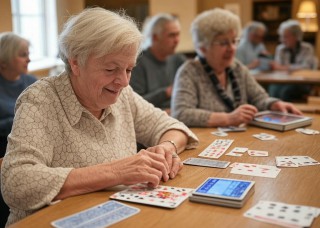 Effective Strategies for Keeping Seniors' Minds Active: A Deep Dive into Brain Games and Apps
 In-Depth Look at the VA Aid and Attendance Program
 Nurturing Our Loved Ones: A Daughter's Journey in Caring for Her Mother