
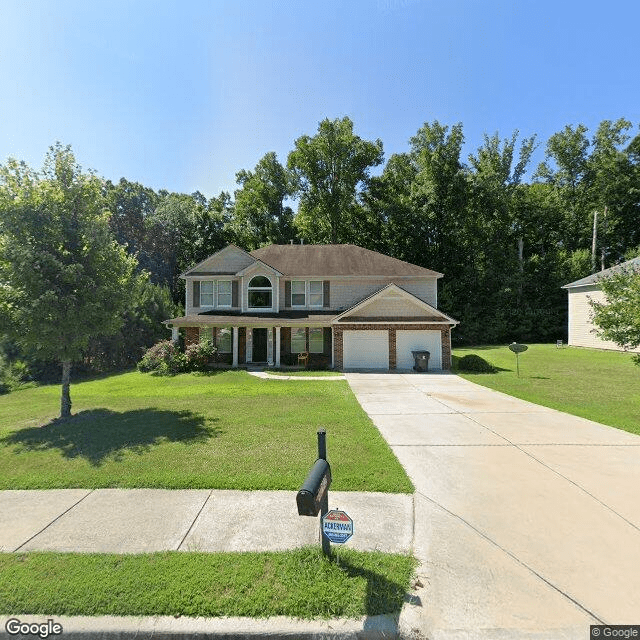
4192 Kenwood Trail, Atlanta, GA 30349
To contact a resident: (404) 781-8553
For more information about senior living options: (866) 208-4318
Integrity Personal Care Home Costs & Pricing
Integrity Personal Care Home offers competitive pricing for its services, with a monthly cost of $2,000 for a private room. This rate is significantly lower than the average costs in Fulton County, where private rooms are priced at approximately $3,203. Similarly, it is also more economical compared to the statewide average in Georgia, which stands at around $2,864 per month. By providing quality care at a more affordable price point, Integrity Personal Care Home positions itself as a valuable option for individuals seeking personal care services without compromising on comfort and support.
| Floor plans | Integrity Personal Care Home | Fulton County | Georgia |
|---|---|---|---|
| Private | $2,000 | $3,203 | $2,864 |
Senior living communities with a similar price nearby
-
from +$100 / mo
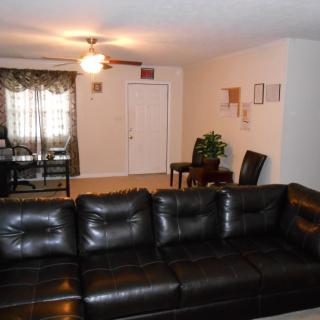
Premium Personal Care Home
$2,100 to $2,850 / month18.6 miles away -
from +$100 / mo
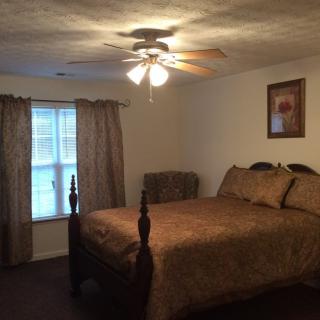
Abiding Care Home
$2,100 / month16.7 miles away -
About the same
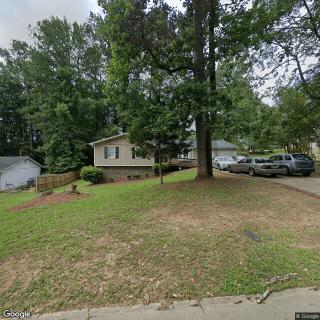
B&A Personal Care Home
$2,000 / month21.6 miles away -
from +$300 / mo
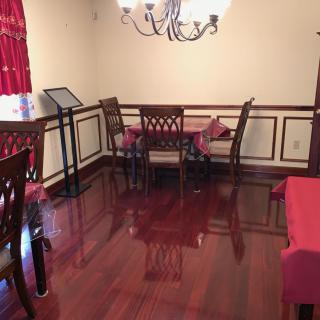
Dalia Precious Memories
$2,300 / month6.0 miles away -
from -$300 / mo
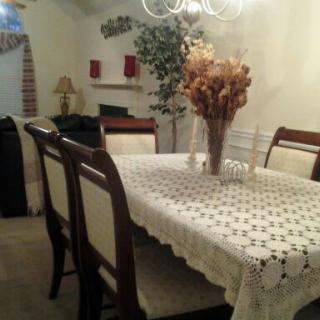
Rose's Premier Personal Care Home
$1,700 / month5.5 miles away
Overall Review of Integrity Personal Care Home
Pros
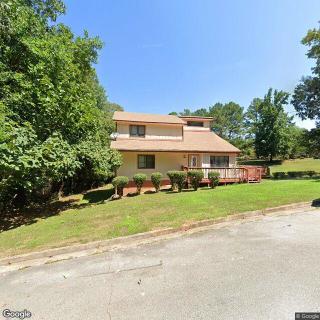
 The home is beautiful.
- The people are nice.
Cons
 Activities were held at the park, not onsite.
- There was limited interaction for the reviewer’s mom because only three people could live there.
Review
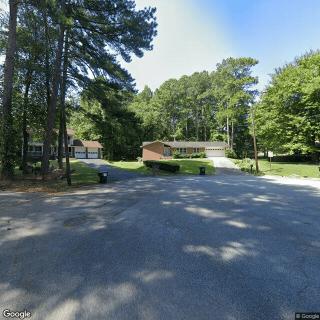
Integrity Personal Care Home in Atlanta is best suited for seniors who want a quiet, home-like setting where care can be personalized and attention is not stretched across a large population. The community operates with a small footprint and a domestic atmosphere, which favors intimate routines and steady caregiver availability over grand programming. Residents who thrive in calmer environments, where staff can build relationships and respond quickly to needs, will find comfort here. It is not the place for those who equate care quality with a bustling calendar or frequent social events. The key strength is proximity, watchful eyes, open lines of communication, and the sense that someone knows who is in the house at all times.
Families weighing alternatives should consider options that offer bigger community life and more structured activity schedules. If the goal is robust peer interaction, predictable, on-site programming, or the freedom to join a wide range of outings with a larger group, a scaled-down house like this may fall short. For residents who require more intensive medical oversight or who benefit from a greater variety of social stimuli, another setting with a larger staff and more residents is typically a better fit. Even so, the small size can be a deliberate choice for those prioritizing safety, quiet companionship, and consistent, highly personalized care.
Pros are tangible: the home is aesthetically pleasing, and the people are described as kind and attentive. Those benefits translate into a more relaxed daily rhythm, reduced confusion from a crowded environment, and easier access to caregivers who know the resident’s routine. The principal con, however, is the scale. With only three residents, interaction with peers is inherently limited, and the calendar of activities becomes constrained. Activities being held at the park implies off-site engagement rather than a built-in program, which can dampen social stimulation and create dependency on outdoor or weather-permitted plans. For some residents, that may be perfectly acceptable; for others, it might feel isolating.
Another practical consequence of the small setting is the potential for heightened caregiver responsiveness. In theory, a lower resident count increases safety and quick assistance. In practice, it also means a narrower social ecosystem, one that can inadvertently limit opportunities for meaningful friendships. Weather, mobility limits, or transportation considerations can further shrink activity options that appear to a larger community as standard. The warmth of the staff cannot substitute for ongoing, diverse programming; a steady stream of new peer connections matters for mood, engagement, and cognitive vitality. Families should weigh whether a calmer pace compensates for the reduced social variety.
Before moving in, families should ask candid questions: What is the exact resident capacity and how is care individualized at different levels? How often are residents offered on-site activities or group outings, and who coordinates them? Is transportation to park-based activities reliable, and what alternatives exist during inclement weather? What is the daily schedule, and how flexible is it to accommodate personal preferences? Clarify staffing ratios, training, and emergency procedures, as well as costs, lease terms, and what services are included versus added. This due diligence will reveal whether the intimate environment aligns with the resident’s social and medical needs.
Bottom line: Integrity Personal Care Home is a strong fit for seniors who value a warm, aesthetically attractive home with highly attentive, individualized care in a small group. It excels on safety, calm, and personal attention, but it falls short for residents who require robust social programming and easy access to a bustling community life. Families with loved ones who are comfortable with a slower, park-based activity model will likely feel reassured by the staff and environment. Those who insist on plentiful peer interaction, a full calendar, or ready-made transport to multiple activities should consider alternatives, larger assisted living communities that deliver more social infrastructure. The choice should hinge on whether an intimate setting trumps built-in social variety.
 Board and Care Home
 Activities off-site
 Devotional services off-site
 Indoor common areas
 Outdoor common areas
 Private
 Respite or short term stays offered
 William B Hartsfield-Atlanta International (6 miles away)
 Diabetic care
 High acuity care
 Incontinence care
 Meals provided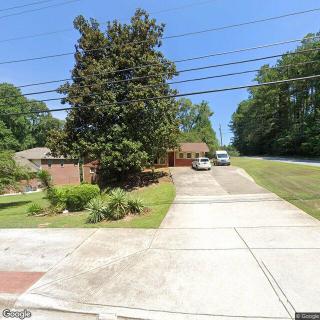
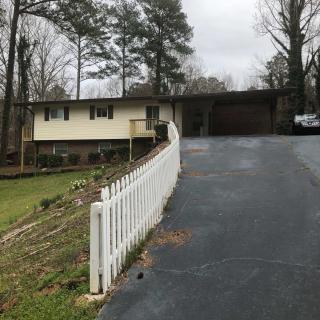



 Understanding the Nuances of Palliative Care and Hospice: A Comprehensive Exploration
 Fecal Incontinence in Older Adults: A Comprehensive Guide
 Nurturing Well-Being Through Gardening: A Detailed Guide for Senior Enthusiasts