
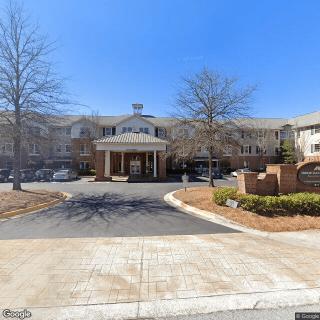
2529 Greenwood Circle, Atlanta, GA 30344
For more information about senior living options: (866) 208-4318
Overall Review of Everlasting Life Personal Care Home
Pros
 Safe Haven at Brookhaven is described as a wonderful place for loved ones who can’t live at home.
- The staff are loving, caring, and devoted to residents’ medical, emotional, and dietary needs.
- Families experience genuine peace of mind knowing their loved ones are in good hands.
- The meals are loved by residents, and the facility is clean, home-like, and comfortable.
- Safe Haven offers an upscale, peaceful setting with a small number of rooms and personalized attention.
- Detra and Alla, along with their teams, are consistently described as outstanding caregivers who become like family.
- Families regularly recommend Safe Haven as a blessing and a trustworthy option for care.
Cons
 The attention to detail was just not there.
- It was not a social environment, though it was peaceful and restful.
- Because of Covid, families could not visit for seven months, and many things were missed.
Review
Everlasting Life Personal Care Home in Atlanta is best suited for seniors who need steady, hands-on care in a small, home-like setting. This community shines for residents with memory challenges or declining mobility who benefit from intimate attention, predictable routines, and caregivers who treat them as family. It is especially well-matched for families seeking end-of-life comfort, respite care, or long-term placement where the resident’s daily needs, medical management, emotional support, and careful oversight, are prioritized over hustle and high-traffic programming. The environment prioritizes privacy, dignity, and a peaceful pace, making it a strong option for those who value a quiet, secure home atmosphere over a bustling campus.
Even so, there are clear reasons some families may want alternatives. For residents who thrive on constant social stimulation, broad activity calendars, or highly structured programming, this setting may feel too quiet or insular. The emphasis here is not on large-scale amenities or a wide array of on-site therapies; rather, it centers on individualized care delivered in a small home. Families seeking extensive medical partnerships, transportation to a variety of outings, or a facility designed to host multiple resident social circles may find other communities better aligned with those priorities. Acknowledging these differences helps avoid mismatches between expectations and daily lived experience.
From the strongest vantage points, the pros are striking and consequential. The caregiver-to-resident balance is consistently solid, enabling meaningful 1:1 interactions, quick responsiveness, and highly personalized care plans. Residents benefit from a calm, orderly routine in a setting that feels like a private residence rather than a hospital wing, with attention to cleanliness, comfort, and privacy. Staff stability underpins trust with families; a consistent team translates into fewer handoffs, fewer gaps in communication, and improved recognition of subtle changes in health or mood. Residents with dementia or mobility limitations often receive careful supervision and gentle assistance that preserves autonomy wherever possible, including mobility aids and timely interventions to prevent common complications.
These strengths largely offset the main trade-offs inherent in a smaller, less program-driven home. The intimate scale typically means fewer on-site activities, fewer peers to socialize with at any given moment, and a quieter social calendar. For families prioritizing social variety and external outings, this can feel limiting. Yet the same intimate setting delivers deeper, more reliable supervision, faster communication with family, and a stronger sense of belonging for both resident and relative. In practice, this translates to peace of mind: a resident who is known by name, whose routines are familiar, and who receives proactive care when health shifts occur. The level of emotional warmth and practical expertise observed across caregiving staff consistently mitigates concerns about isolation or stagnation.
For families weighing decisions, the practical path is to map care demands against the community’s strengths. If memory care proficiency, consistent staffing, and a home-like, low-stimulation environment are non-negotiables, this option stands out as exceptional. Prospective residents should verify the care philosophy around mobility support, wound prevention, and end-of-life planning, since those concrete capabilities are decisive for long-term placement. Equally important is assessing visitation flexibility, family access, and transparency in daily sheets and medical updates, areas where the caregiving team often earns high marks. Tour and scenario-check conversations with the staff will reveal how a resident’s evolving needs are anticipated and managed.
In sum, Everlasting Life Personal Care Home represents a pragmatic, high-trust choice for families seeking intimate, compassionate, and capable care for seniors who require steady daily support and prefer a home environment over a hospital-like setting. Its strongest appeal lies in staff continuity, individualized attention, and a tranquil atmosphere that can yield tangible relief for worried families. Alternatives are warranted for those who seek more robust social programming, broader medical partnerships, or a livelier calendar of activities. For the right resident, however, this community delivers dependable quality, dignity, and the quiet certainty that loved ones are cared for as if they were their own. Schedule a visit to confirm fit, discuss care plans, and ensure alignment with long-term goals.
 3 resident community capacity
 Assisted Living
 Board and Care Home
 Cable or satellite TV
 Dining room
 Fully furnished
 Garden
 Housekeeping services
 Move-in coordination
 Outdoor space
 Telephone
 Wi-Fi/high-speed internet available
 William B Hartsfield-Atlanta International (4 miles away)
 24-hour supervision
 Activities of daily living assistance
 Assistance with bathing
 Assistance with dressing
 Assistance with transfers
 Diabetes diet
 Meal preparation and service
 Medication management
 Special dietary restrictions
 Transportation arrangement (medical)
 Transportation to doctors appointments






 When to Transition from Assisted Living to Memory Care: Key Indicators, Steps, and Finding the Right Community
 Assisted Living and Memory Care: Understanding Their Core Differences
 Beyond the Bingo Hall: 50+ Enriching Activities for Seniors in Assisted Living