Milton Senior Living offers competitive pricing for its residential options, with monthly costs reflecting the quality of care and amenities provided. For a semi-private room, residents can expect to pay $2,900, which is slightly above the Fulton County average of $2,883 but still more affordable than the state average of $2,529. Those seeking more privacy can choose a private room at a monthly rate of $3,200; this is in line with Fulton County's average of $3,203 but higher than Georgia's overall average of $2,864. Overall, while Milton Senior Living may be priced slightly above local and state averages for some room types, it emphasizes a commitment to providing a enriching environment tailored to the needs of seniors.
Floor plans
Milton Senior Living
Fulton County
Georgia
Semi-Private
$2,900
$2,883
$2,529
Private
$3,200
$3,203
$2,864
Assisted Living communities with a similar price nearby
Residents and families describe consistently close monitoring and around-the-clock oversight.
Residents and families specifically mention 24/7 caregiver presence and a close-monitor approach to day-to-day care. That lines up with the care services the community provides, including assistance with daily activities and medication management. For people needing more hands-on support, multiple reviews frame the staffing and supervision as a key reason they felt comfortable with the placement.
common17 reviews mention this
Staff feel caring and professional
The staff approach is repeatedly described as caring, attentive, and professional.
Many reviews focus on the staff as caring, compassionate, and responsive, with families saying they felt their loved ones were well cared for. Several also describe the owners and team as professional and efficient, including working closely with residents’ needs and coordinating with medical providers. One review is sharply negative about training and experience, but overall sentiment in the reviews is that staff attentiveness is a major strength.
common6 reviews mention this
Clean, well-kept environment
Cleanliness comes up often, including reports of a fresh, odor-free home.
Multiple families and residents describe the home as clean and well maintained, with one mentioning it never smells bad. Reviews also describe residents looking clean and comfortable, reinforcing that the day-to-day environment is kept up. A single negative review raises concerns about food quality and nutrition, but it does not replace the larger pattern of cleanliness described across the majority of mentions.
common9 reviews mention this
Home-like setting and smaller feel
Reviews commonly describe a home-like atmosphere with a smaller, more personal feel.
A frequent theme is the home-like setting, with reviews comparing the experience to being at home rather than in a large facility. Families mention features like private bedrooms, outdoor space such as a yard and patio, and a warm, cozy feel. Several also highlight a smaller scale and more one-on-one attention for people needing additional support.
common4 reviews mention this
Meals and dietary support
Dining is described through home-style meals and attention to what residents need.
Some reviews highlight home cooked meals and comfort with the food served, including positive comments about lunch. Others mention meal routines like encouraging residents to eat in shared spaces. One review is a strong outlier that criticizes the nutritional value of meals and access to items like juices and protein, while still referring to food as a daily concern.
How we summarize
Counts show how many written reviews mention each theme; a review can touch several themes, and only frequently mentioned themes are displayed.
Features
Housing
9 resident community capacity
Types of Care
Assisted Living
Board and Care Home
Pets
Cats allowed
Dogs allowed
Amenities
Activities off-site
Activities on-site
Bath tubs
Beautician on-site
Cable or satellite TV
Devotional services off-site
Devotional services on-site
Dining room
Fully furnished
Garden
Housekeeping services
Indoor common areas
Move-in coordination
Outdoor common areas
Outdoor space
Private
Respite or short term stays offered
Telephone
Wheelchair accessible showers
Wi-Fi/high-speed internet available
Care Services
24-hour supervision
Activities of daily living assistance
Ambulatory care
Assistance with bathing
Assistance with dressing
Assistance with transfers
Coordination with health care providers
Diabetes diet
Diabetic care
High acuity care
Incontinence care
Meal preparation and service
Medication management
Special dietary restrictions
Transportation arrangement (medical)
Transportation to doctors appointments
Dining
Diabetes diet
Meals provided
Special dietary restrictions
Activities
Activities off-site
Activities on-site
Community-sponsored activities
Devotional activities offsite
Devotional activities on-site
Scheduled daily activities
Nearby Places of Interest
This part of Alpharetta, Georgia offers a diverse range of amenities and services that cater to the needs of seniors. There are several places of worship nearby, providing spiritual support and community engagement. Numerous pharmacies and healthcare providers are easily accessible, ensuring convenient access to medical care. A variety of restaurants and cafes offer dining options for different tastes, while parks provide opportunities for outdoor recreation and relaxation. Transportation services like U-Haul Moving & Storage are available for any moving or storage needs. Additionally, there are theaters for entertainment and hospitals like North Fulton Hospital Cancer Center and North Fulton Regional Hospital for medical emergencies. Overall, this area provides a well-rounded environment with resources that can support a comfortable and fulfilling senior living experience.
Places of Worship
Antioch (4 miles)
Sri Krishna Vrundavana (7.1 miles)
North Point Community Church (9.6 miles)
First Baptist Cumming (9.9 miles)
Pharmacies
CVS Pharmacy (4.8 miles)
Kroger Pharmacy (5 miles)
CVS Pharmacy (5.5 miles)
CVS Pharmacy (5.7 miles)
CVS Pharmacy (6 miles)
Walgreens (6 miles)
CVS Pharmacy (7.4 miles)
Physicians
South Forsyth Family Medicine and Pediatrics (4.9 miles)
Milton Senior Living offers competitive pricing for its residential options, with monthly costs reflecting the quality of care and amenities provided. For a semi-private room, residents can expect to pay $2,900, which is slightly above the Fulton County average of $2,883 but still more affordable than the state average of $2,529. Those seeking more privacy can choose a private room at a monthly rate of $3,200; this is in line with Fulton County's average of $3,203 but higher than Georgia's overall average of $2,864. Overall, while Milton Senior Living may be priced slightly above local and state averages for some room types, it emphasizes a commitment to providing a enriching environment tailored to the needs of seniors.
The article discusses assisted living expenses, the importance of long-term care insurance in covering these costs, and various financing options, highlighting the need for careful policy review and early planning to address potential needs. It also clarifies common misconceptions about Medicare and private health insurance limitations regarding long-term care coverage.
Assisted living facilities offer crucial support for older adults needing help with daily activities but come with varying and significant costs, which can be financed through personal savings, government assistance programs, long-term care insurance, and home equity options. Professional guidance from experts can aid families in navigating these financial complexities to establish a sustainable budgeting approach for assisted living services.
Assisted living costs often exceed Social Security benefits, necessitating a combination of funding sources like state aid and Medicaid. Understanding the interaction between Social Security programs and available financial support is essential for affording such care.
Get PricingAsk A QuestionSchedule A TourContact Senior Advisor
By clicking submit, you agree to our Partner's Terms of Use. You
also consent to receive calls and texts, which may be autodialed, from our Partner. Your consent is not a condition to
using our Partner's service. Please visit our Partner's Privacy Policy for information about their privacy practices.


 9 resident community capacity
 Assisted Living
 Board and Care Home
 Cats allowed
 Dogs allowed
 Activities off-site
 Bath tubs
 Beautician on-site
 Cable or satellite TV
 Devotional services off-site
 Dining room
 Fully furnished
 Garden
 Housekeeping services
 Indoor common areas
 Move-in coordination
 Outdoor common areas
 Private
 Respite or short term stays offered
 Telephone
 Wheelchair accessible showers
 Wi-Fi/high-speed internet available
 24-hour supervision
 Ambulatory care
 Assistance with bathing
 Assistance with dressing
 Assistance with transfers
 Diabetes diet
 Diabetic care
 High acuity care
 Incontinence care
 Meal preparation and service
 Medication management
 Special dietary restrictions
 Transportation arrangement (medical)
 Transportation to doctors appointments
 Comprehensive care (24/7 supervision, ADL support) with diabetes-friendly dining and medical transport.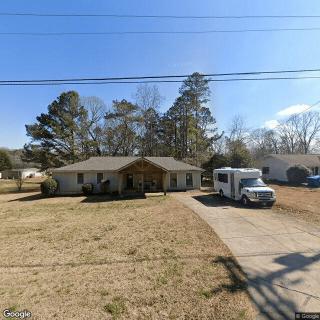

 Assisted Living Expenses and Long-Term Care Insurance: A Comprehensive Exploration
 Securing Financial Support for Assisted Living: A Comprehensive Overview
 Social Security Benefits and Assisted Living: Navigating Options Across the U.S.