The Watermark At Vistawilla offers a compelling range of monthly costs that align favorably with both Seminole County and statewide averages in Florida. For those considering studio accommodations, the monthly fee is set at $3,295, notably lower than the county's average of $4,030 and also under the state average of $3,823. The semi-private rooms are priced at $3,695, slightly above the local average of $3,524 but still ahead of the state average of $3,009. In terms of one-bedroom units, residents can expect to pay $4,235 - just above Seminole County's average of $4,166 while remaining competitive against Florida's overall average of $3,864. Lastly, for two-bedroom options, the cost is $5,395 which exceeds both county ($4,777) and state ($4,711) averages yet maintains a premium standard reflective of its quality offerings. Overall, The Watermark At Vistawilla presents a well-rounded selection that is particularly appealing in comparison to local and statewide pricing benchmarks.
Floor plans
The Watermark At Vistawilla
Seminole County
Florida
Studio
$3,295
$4,030
$3,823
Semi-Private
$3,695
$3,524
$3,009
1 Bedroom
$4,235
$4,166
$3,864
2 Bedrooms
$5,395
$4,777
$4,711
Memory care communities with a similar price nearby
Residents and families repeatedly describe staff as friendly, attentive, and quick to help.
Across many reviews, residents and visitors describe staff who are pleasant and prompt, with servers and caregivers who interact kindly and make people feel welcomed. Multiple reviewers also highlight specific staff members and note ongoing communication and follow-up when questions come up. Even in critical reviews, families frequently focus on how care and oversight were handled in day-to-day situations, reinforcing how important staff reliability is to reviewers.
differentiator18 reviews mention this
Food and dining feel restaurant-like
Dining stands out, with many reviewers praising the food and service during meals.
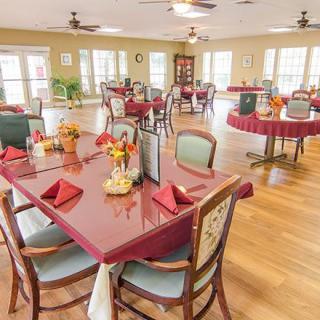
A recurring theme is that residents enjoy the meals, and families often describe the dining experience as a highlight. Several reviews mention particularly good food and friendly servers who keep the meal experience comfortable and engaging. The community also offers restaurant-style dining and room service, aligning with what families describe about how meals are served and enjoyed.
common22 reviews mention this
Activities keep residents engaged
Reviews frequently mention a steady schedule of activities residents can join.
Many reviewers say residents are kept busy with group events, outings, and daily programming. Family members also describe social gatherings such as happy hours and family dinners, along with entertainment and faith-based activities. The community’s activity offerings are broad, including scheduled daily activities, day trips, and resident-run options, which matches the way reviews describe an active environment.
caveat6 reviews mention this
Care continuity is questioned
Some reviews express concerns about consistency and follow-through with care.
A smaller but clear set of reviews raises issues related to care continuity, including complaints about medication handling and missed or canceled appointments. Others describe neglect-level experiences such as not receiving care as expected and administration being unresponsive when problems were reported. The presence of both positive care stories and serious negative accounts suggests that experiences may vary depending on circumstances and staff coverage.
caveat2 reviews mention this
Costs feel high due to extras
Some families say extra charges add up beyond the base cost.
While pricing information shows the community is priced within a defined range, multiple reviews point to frustration with what they describe as additional, paid services. One reviewer specifically calls out problems with receiving promised services and mentions being nickel-and-dimed during signing, while another focuses on difficulty getting answers about extra charges. Together, the reviews suggest that families should confirm what’s included and what may cost extra before moving in.
How we summarize
Counts show how many written reviews mention each theme; a review can touch several themes, and only frequently mentioned themes are displayed.
Features
Housing
99 resident community capacity
Types of Care
Assisted Living
Memory Care
Pets
Cats allowed
Dogs allowed
Amenities
Activities off-site
Activities on-site
Air-conditioning
Beautician on-site
Beauty salon
Cable or satellite TV
Computer center
Devotional services off-site
Devotional services on-site
Dining room
Fitness room
Fully furnished
Gaming room
Garden
Ground floor units
Handicap accessible
Housekeeping services
Indoor common areas
Kitchenette
Move-in coordination
Outdoor common areas
Outdoor space
Private bathrooms
Respite or short term stays offered
Restaurant-style dining
Small library
Telephone
Wellness center
Wheelchair accessible showers
Wi-Fi/high-speed internet available
Transportation
Orlando International (19 miles away)
Community operated transportation
Transportation arrangement
Care Services
24-hour call system
24-hour supervision
Activities of daily living assistance
Ambulatory care
Assistance with bathing
Assistance with dressing
Assistance with transfers
Diabetes diet
Diabetic care
High acuity care
Incontinence care
Meal preparation and service
Medication management
Mental wellness program
Mild cognitive impairment
Special dietary restrictions
Specialized memory care programming
Dining
Diabetes diet
Guest meals
Kosher
Low / no sodium
Meals provided
No Sugar
Professional chef
Restaurant style dining
Room service
Special dietary restrictions
Special dining programs
Vegetarian
Activities
Art classes
Catholic services
Community-sponsored activities
Concierge services
Cooking classes
Day trips and outings
Devotional activities offsite
Devotional activities on-site
Educational speakers / life long learning
Fitness programs
Jewish services
Karaoke
Live well programs
Other religious services
Planned day trips
Resident-run activities
Scheduled daily activities
Wine tasting
Nearby Places of Interest
This part of Winter Springs, Florida, offers a convenient and bustling atmosphere with a variety of amenities nearby. There are multiple restaurants within a few miles, including fast food options such as McDonald's and Chick-Fil-A, as well as Cuban cuisine at Cubans On The Run. Pharmacies like CVS and Walgreens are easily accessible for any medical needs. Several reputable physicians' offices are in the vicinity, providing quality healthcare services. Places of worship such as St Luke's Lutheran Church cater to spiritual needs, while parks like Shane Kelly Park offer outdoor recreational opportunities. Transportation options include Orlando Sanford International Airport and Deltona Executive Airport for easy travel access. Hospitals like Winter Park Memorial Hospital and Florida Hospital Altamonte are within reach in case of emergencies. Additionally, cafes like Starbucks provide cozy spots for socializing with friends. For entertainment, there are theaters like AMC Altamonte Mall 18 nearby offering movie showings. Overall, this area combines convenience and accessibility for comfortable senior living.
Restaurants
The Townhouse Restaurant (1.9 miles)
McDonald's (5.8 miles)
McDonald's (6.3 miles)
Cubans On The Run (6.4 miles)
Chick-Fil-A (6.4 miles)
Del Taco (6.5 miles)
Taco Bell (6.7 miles)
Pharmacies
CVS Pharmacy (2.4 miles)
Walgreens (2.7 miles)
CVS Pharmacy (3.7 miles)
CVS Pharmacy (3.8 miles)
Walgreens (3.9 miles)
Walgreens (4.1 miles)
Walgreens (4.8 miles)
Physicians
Oviedo Family Medicine (2.7 miles)
Center for Dermatology & Skin Surgery (6.4 miles)
Physician Associates (6.4 miles)
Central Florida Family Health Center (7.2 miles)
Papanicolaou, George - George Papanicolaou, MD - Soma Plastic Surgery (7.9 miles)
The Watermark At Vistawilla offers a compelling range of monthly costs that align favorably with both Seminole County and statewide averages in Florida. For those considering studio accommodations, the monthly fee is set at $3,295, notably lower than the county's average of $4,030 and also under the state average of $3,823. The semi-private rooms are priced at $3,695, slightly above the local average of $3,524 but still ahead of the state average of $3,009. In terms of one-bedroom units, residents can expect to pay $4,235 - just above Seminole County's average of $4,166 while remaining competitive against Florida's overall average of $3,864. Lastly, for two-bedroom options, the cost is $5,395 which exceeds both county ($4,777) and state ($4,711) averages yet maintains a premium standard reflective of its quality offerings. Overall, The Watermark At Vistawilla presents a well-rounded selection that is particularly appealing in comparison to local and statewide pricing benchmarks.
The Watermark At Vistawilla's comprehensive features are designed to support residents with memory-related challenges by ensuring their safety, dignity, and overall well-being. With 24-hour supervision, residents benefit from constant monitoring that provides peace of mind for both them and their families. Assistance with activities of daily living, such as bathing, dressing, and transfers, fosters independence while addressing the integral needs of those with dementia or Alzheimer's disease. Incontinence care ensures comfort and cleanliness, while meal preparation and service tailored to meet dietary requirements contribute to physical health and enjoyment. Medication management helps residents maintain adherence to treatment regimens crucial for their conditions. The mental wellness program paired with specialized memory care programming offers engaging activities that stimulate cognitive function and social interaction, specifically designed for individuals experiencing mild cognitive impairment or more advanced stages of memory loss. Together, these features create a nurturing environment conducive to enhancing the quality of life for residents at various stages of memory decline.
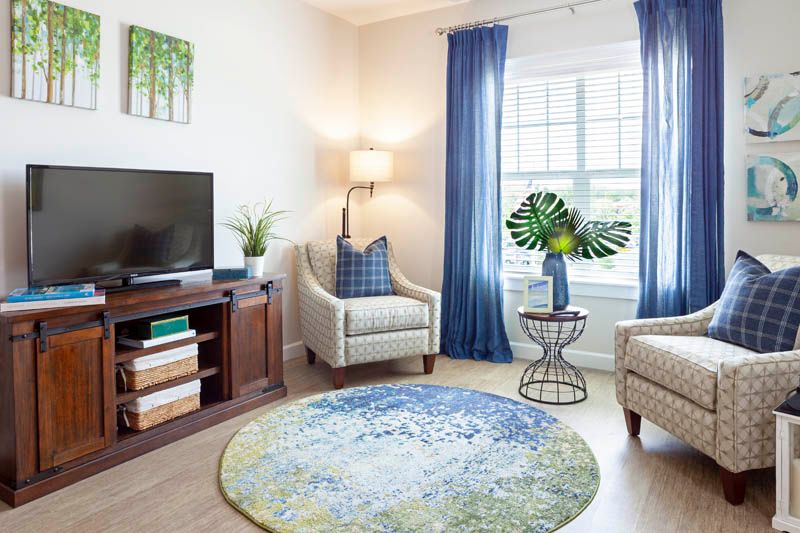
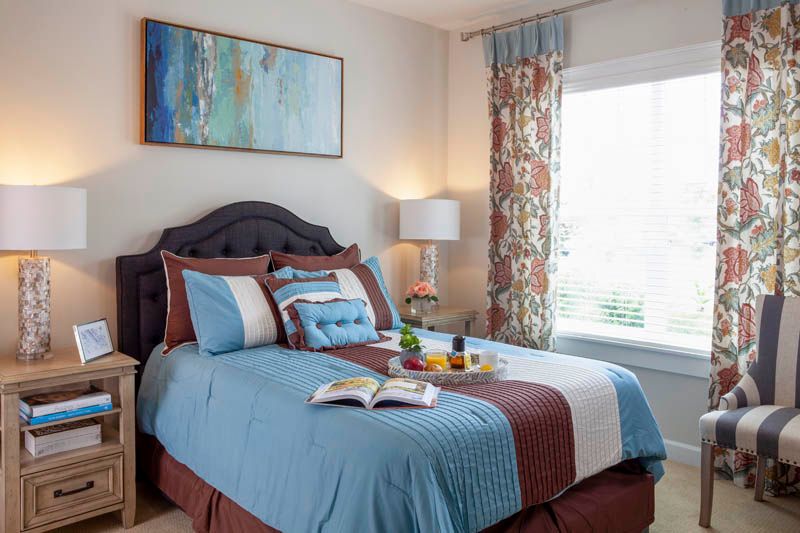
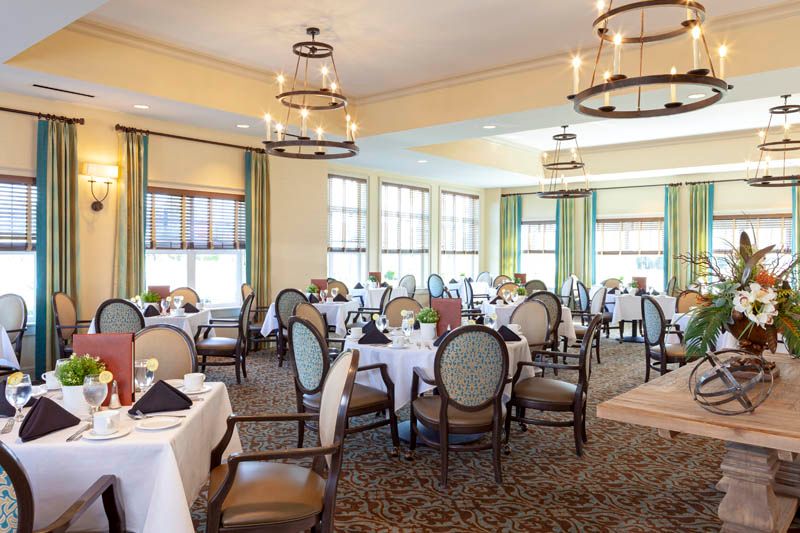
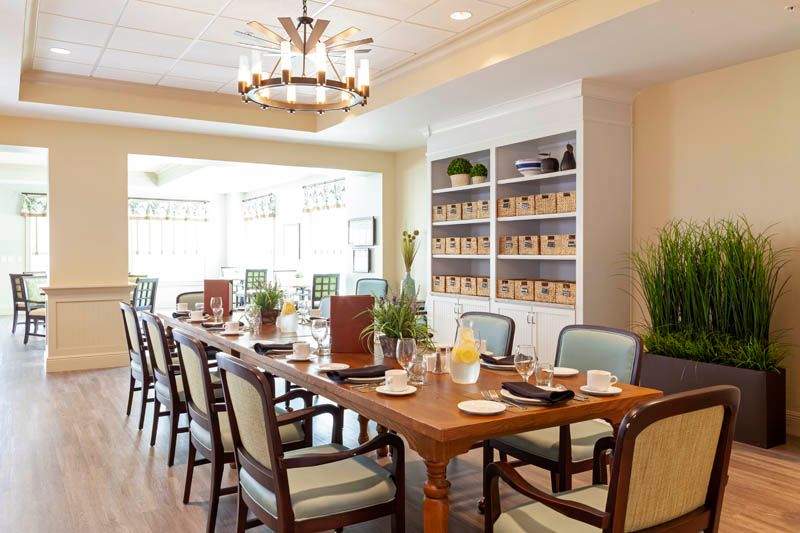
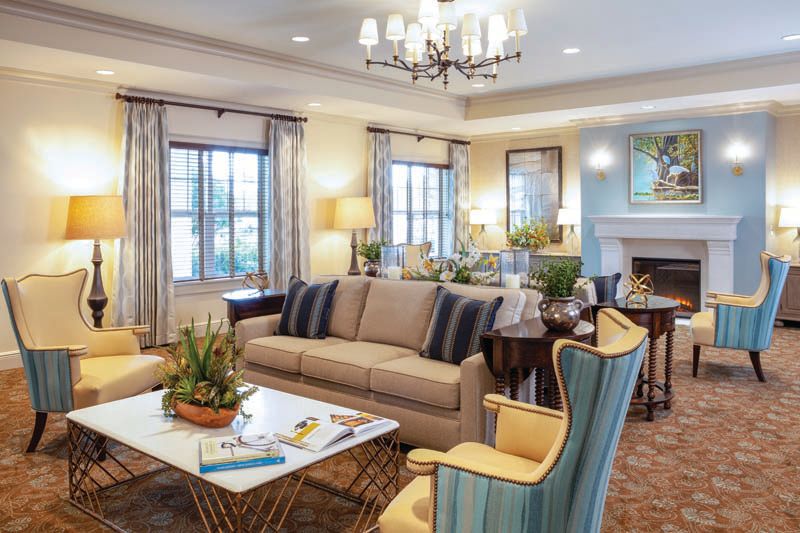
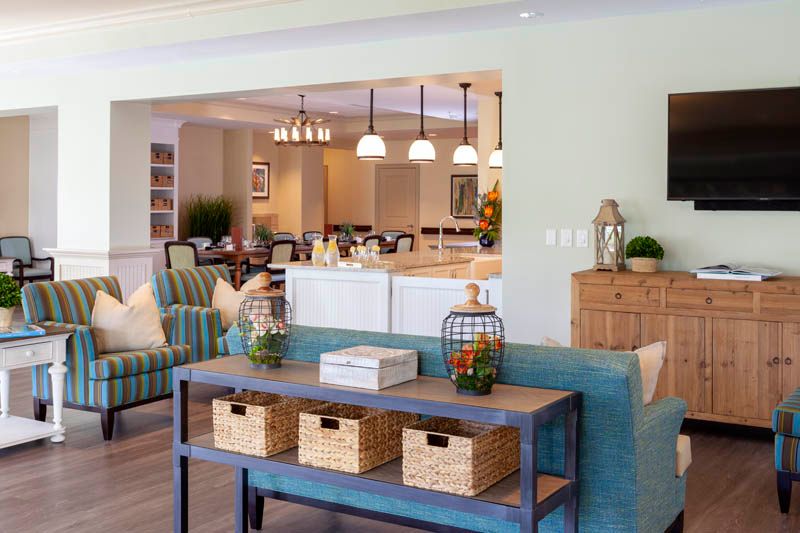
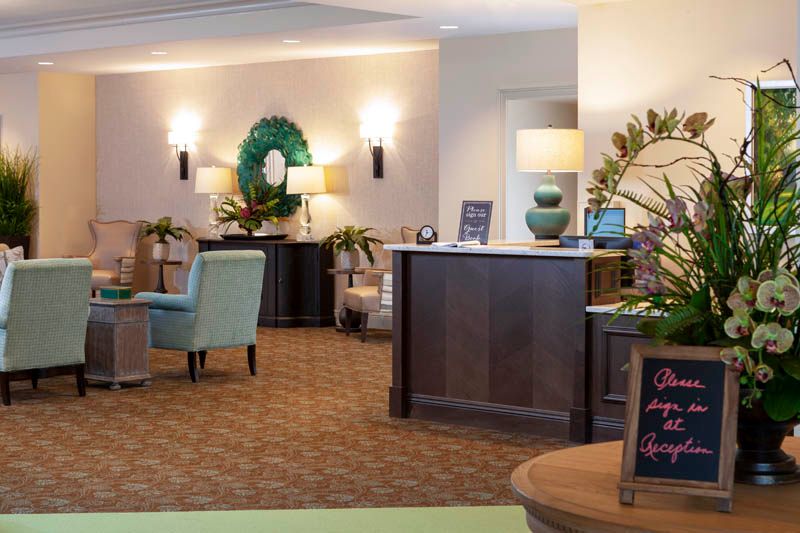
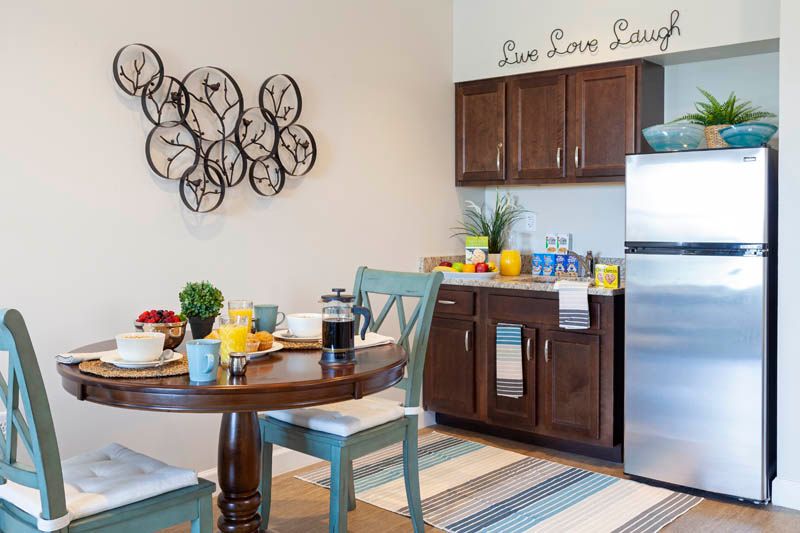
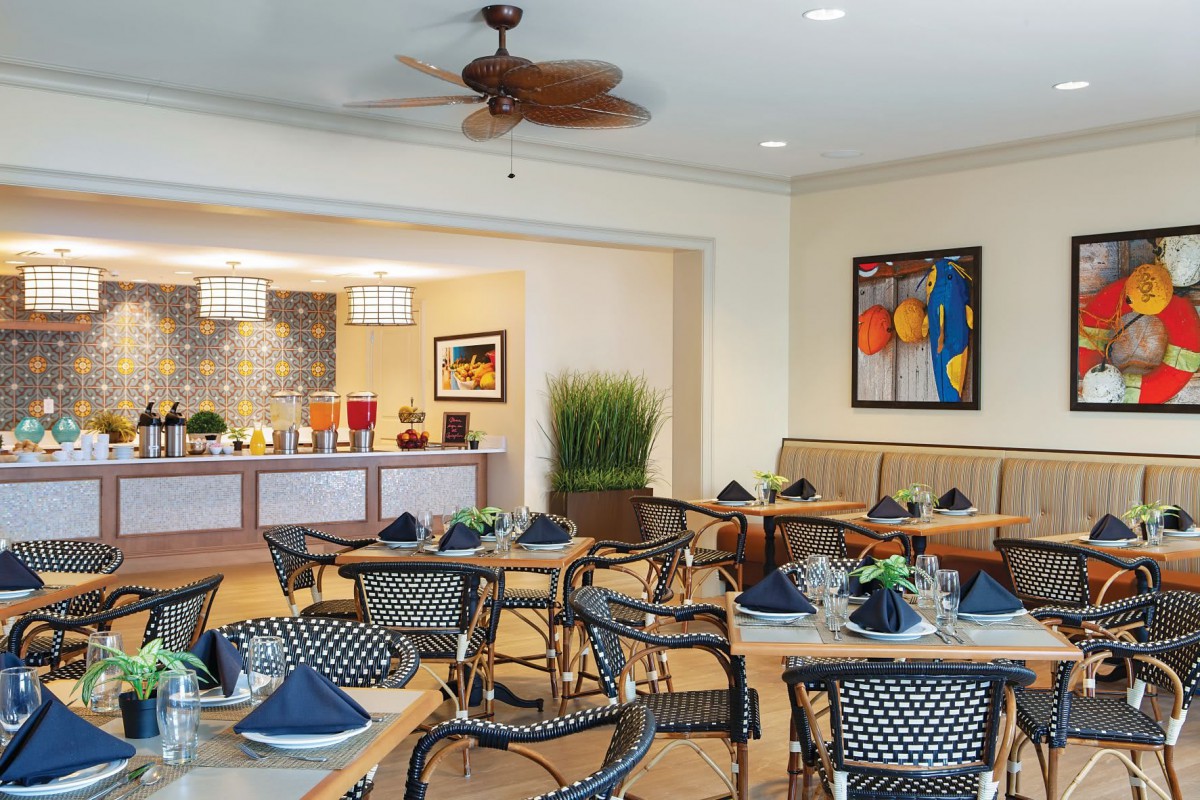
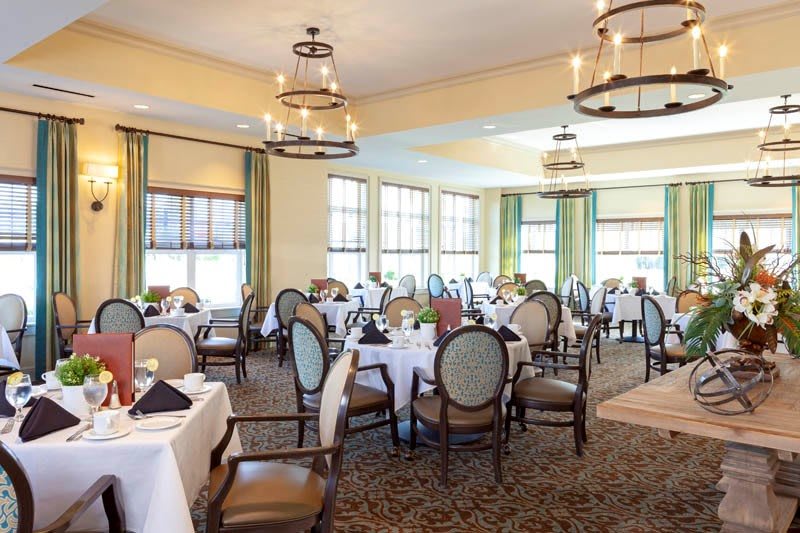
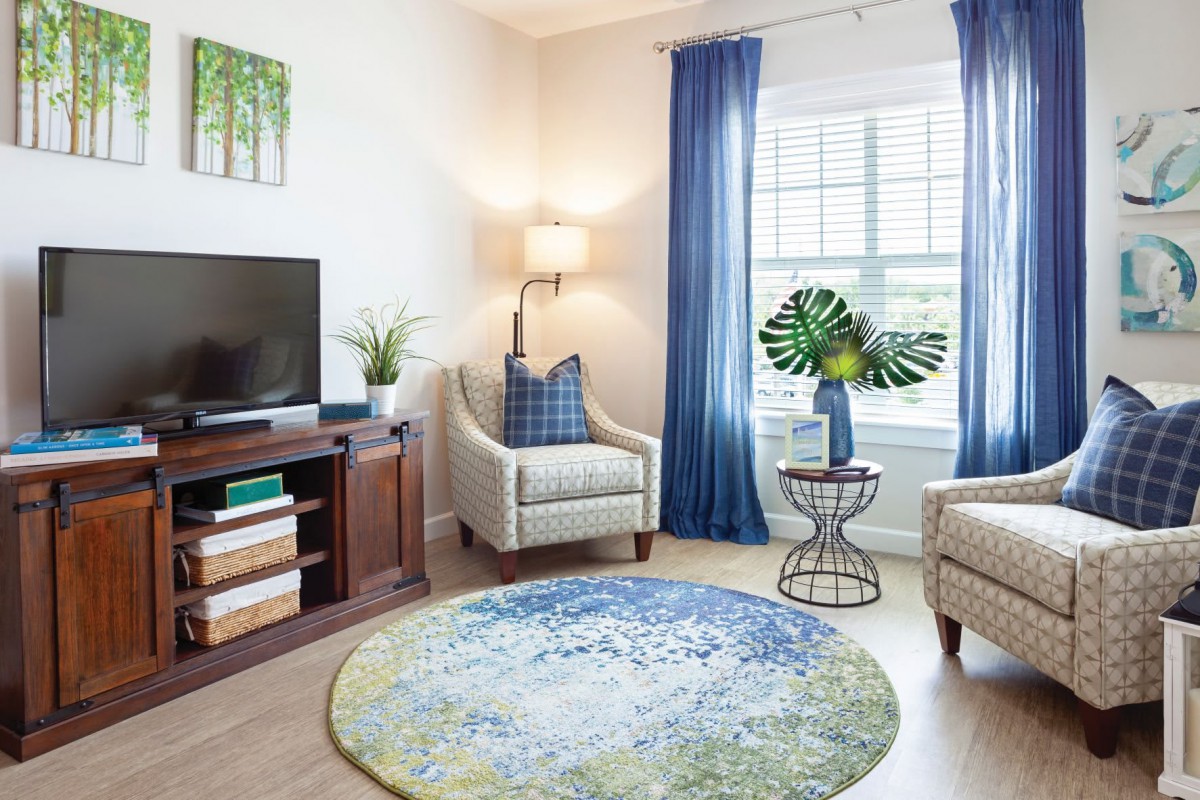
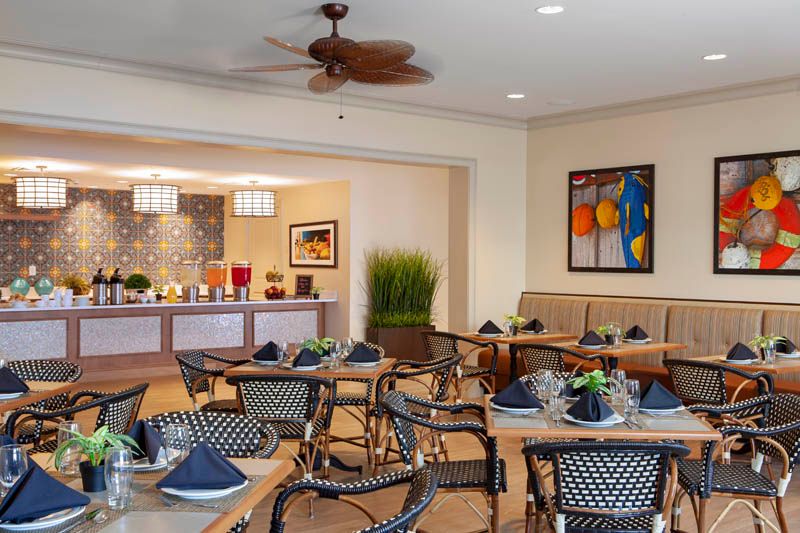
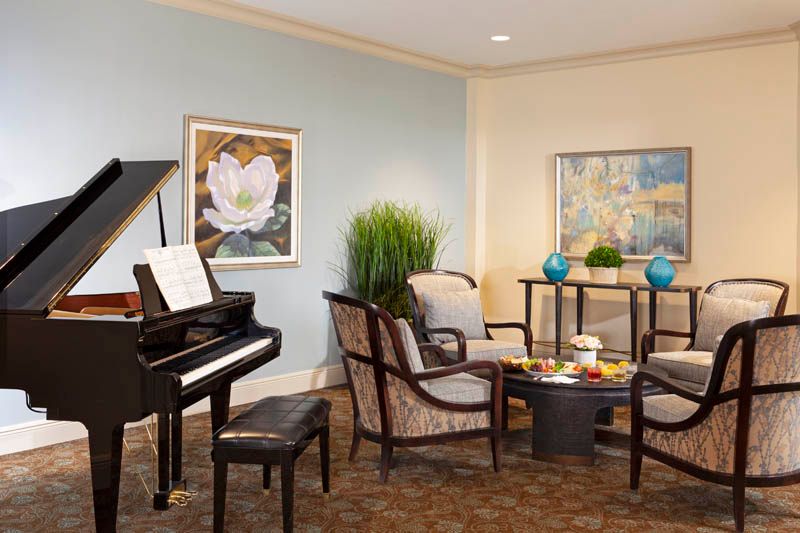
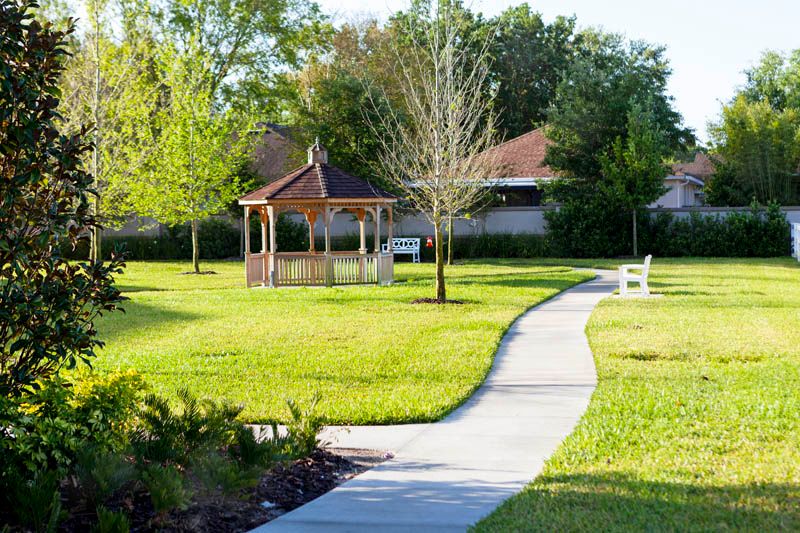
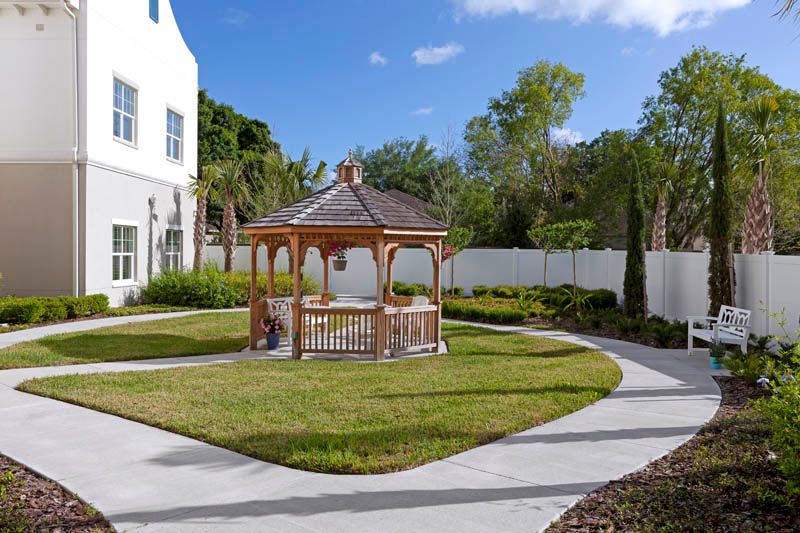
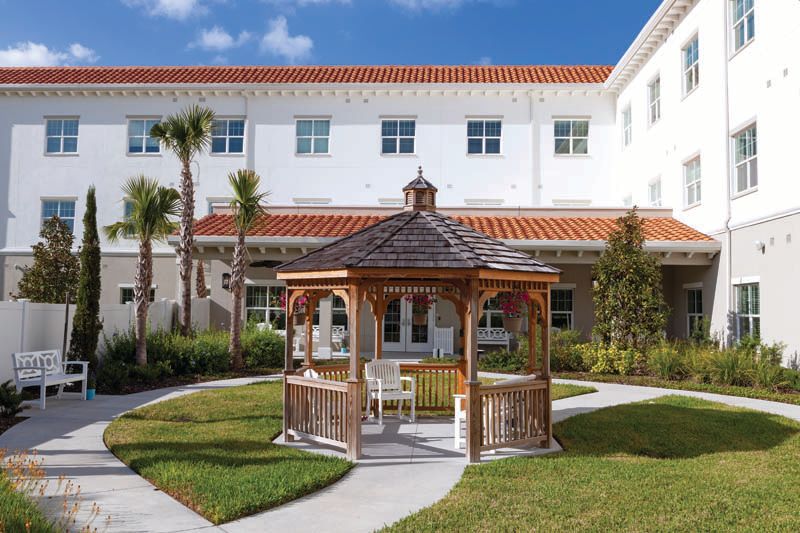
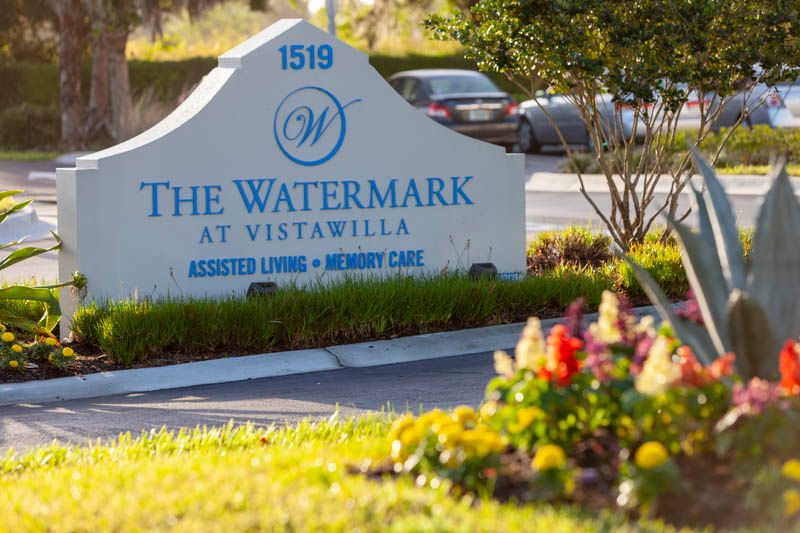
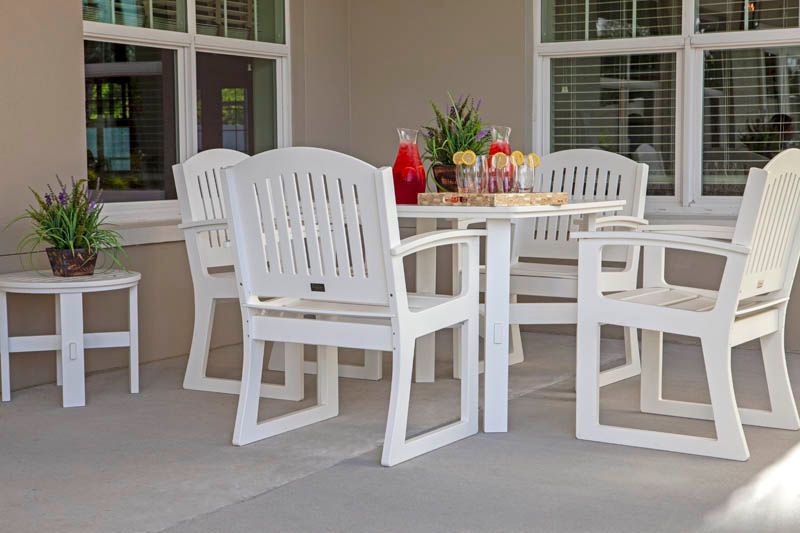
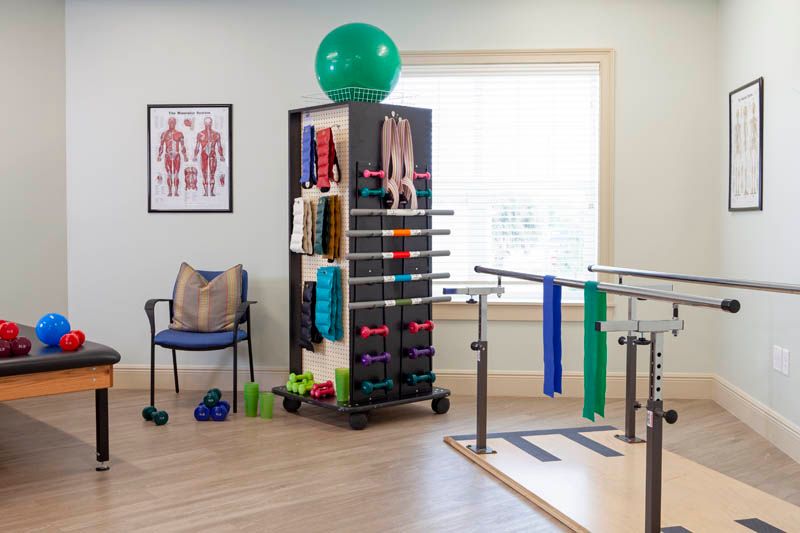
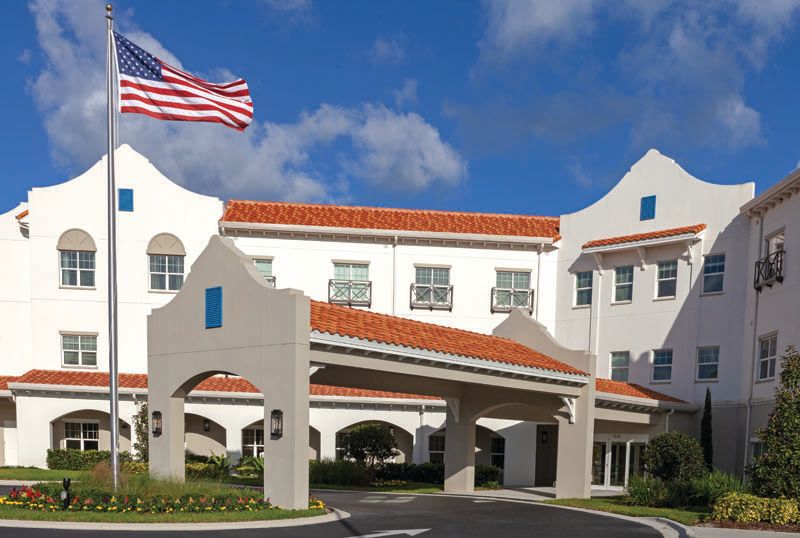
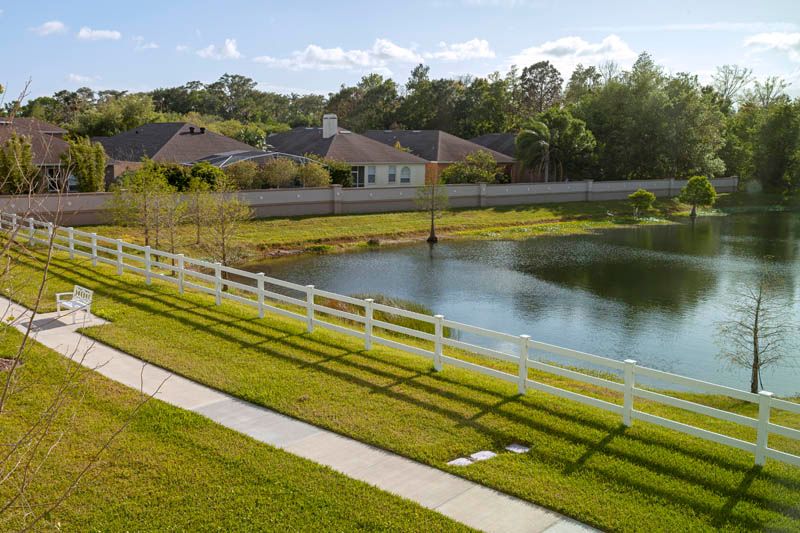
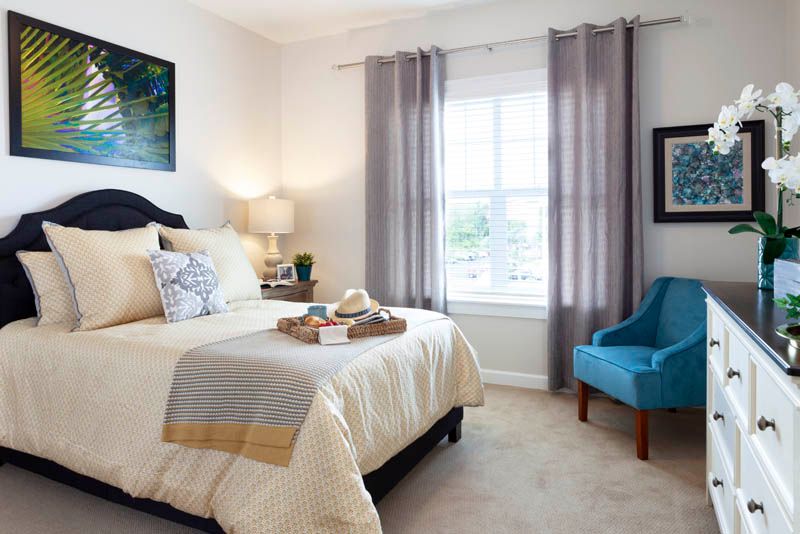
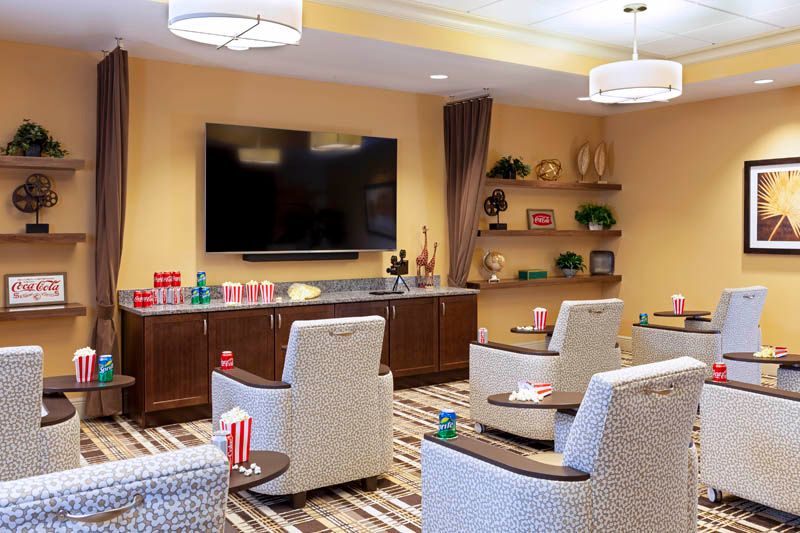
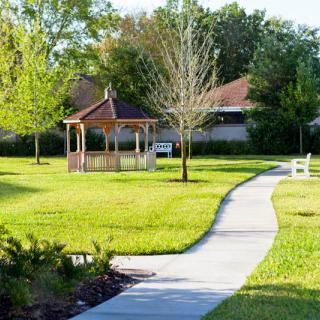
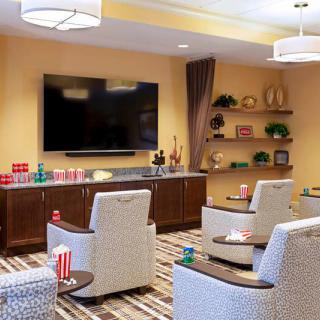
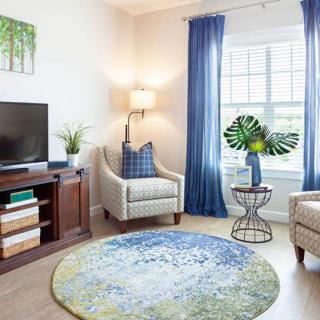
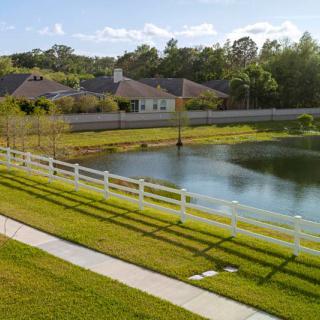
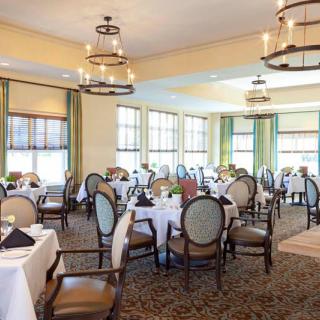
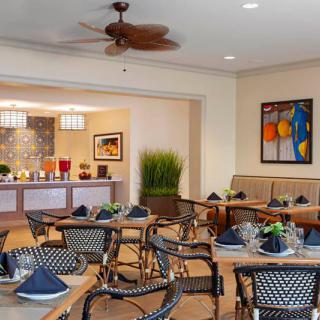
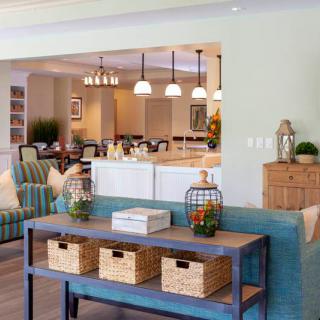
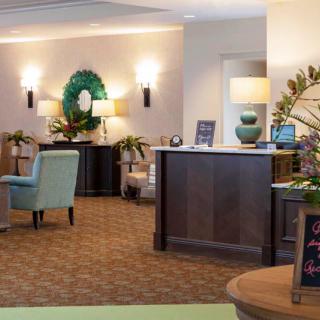
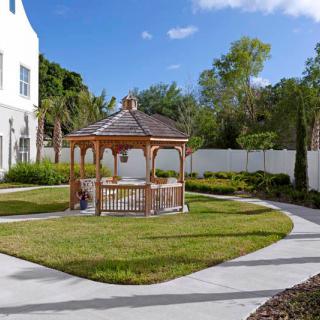
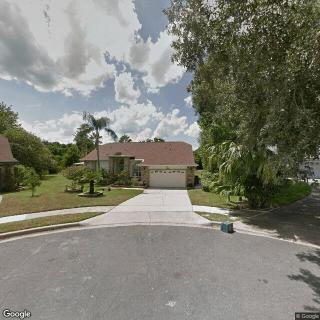
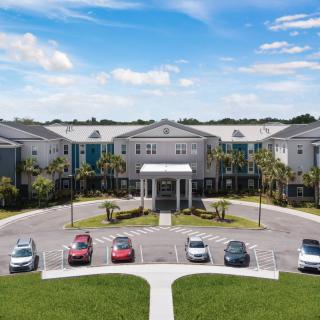
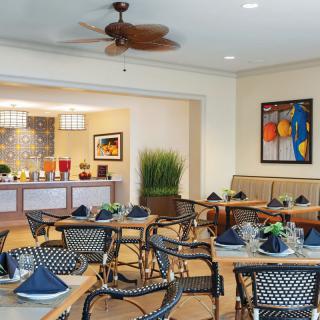
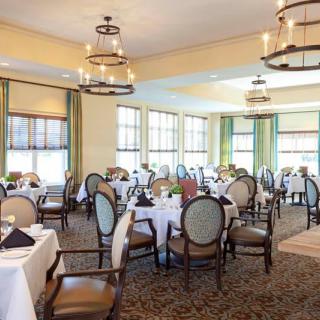
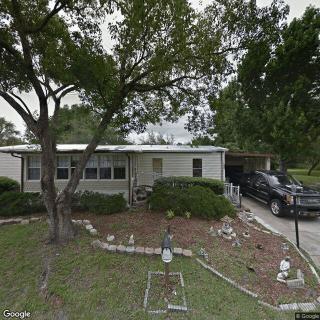
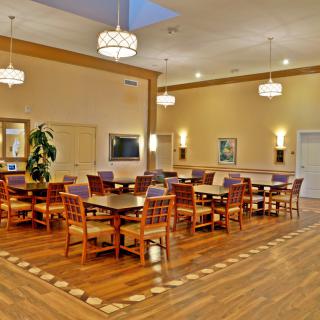
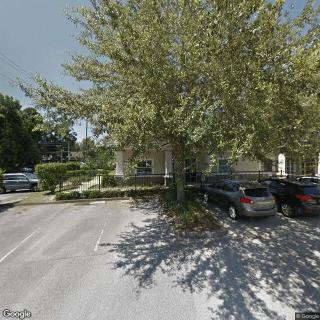
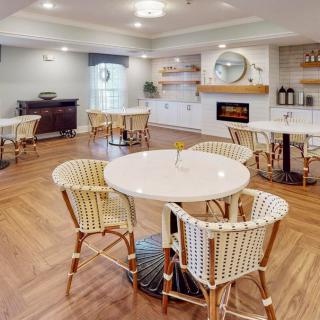
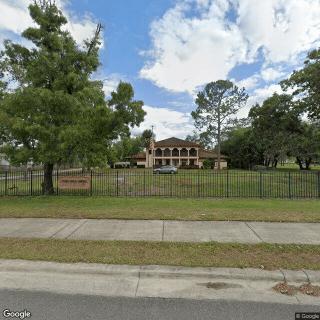
The Watermark At Vistawilla on seniors.fyi includes 27 photos including images showing interior, decor, dining, landscaping, living room, pathway, trees, bedroom, and more.
Nearby Communities
The Savoy Gracious Retirement Living
Winter Springs, FL
4.5 from 73 reviews
$3,300 to $6,100 / month
Intimate 21-unit community with comprehensive services (24/7 supervision, ADL assistance, meals, housekeeping, mental wellness) in fully furnished apartments.
The Savoy
Winter Springs, FL
4.6 from 78 reviews
$2,795 to $4,995 / month
Extensive amenities, on-site staff support, and a welcoming community.
M J Pavillion, Inc.
Winter Springs, FL
4.7 from 78 reviews
$2,500 to $3,000 / month
Competitive pricing with private rooms and on-site amenities.
Sylvia's Home Away From Home
Winter Springs, FL
Home-like setting with personalized care and social engagement.
Memory Lane Cottage at Oviedo
Oviedo, FL
4 from 48 reviews
$5,495 / month
Clean, welcoming small community with personalized care and strong nursing leadership.
FirstLight Home Care of Central Orlando
Oviedo, FL
4.7 from 79 reviews
Reliable, courteous caregivers who accommodate needs and assist with appointments.
Madison at Oviedo
Oviedo, FL
4.4 from 170 reviews
$3,650 to $5,700 / month
Attentive staff with strong family communication; clean, engaging environment.
Citrus Garden Assisted Living Facility
Winter Springs, FL
4.9 from 20 reviews
Family-owned with on-site RN owners providing attentive care and high-quality meals.
Palmetto Landing
Winter Springs, FL
3.8 from 83 reviews
$1,995 to $4,500 / month
Friendly, compassionate staff in a clean, welcoming environment with engaging activities and strong family communication.
Dementia, influenced by aging and certain medications, may be exacerbated by drug classes such as anticholinergics, benzodiazepines, and antipsychotics, which are associated with cognitive impairment. Regular medication reviews by healthcare professionals are crucial for older adults to manage risks and optimize cognitive health.
Dementia often results in disrupted sleep patterns, leading to excessive daytime sleeping due to factors like brain damage affecting circadian rhythms, medication side effects, and lack of structure in daily activities. Caregivers must monitor these changes closely, as oversleeping can increase risks such as malnutrition or dehydration, and provide necessary support and routines to enhance patient engagement and well-being.
The transition from assisted living to skilled nursing care is often prompted by complex medical needs that assisted living cannot meet, with key indicators including frequent health declines, increased falls, severe memory issues, and caregiver burnout. Families should recognize these signs early to discuss options with healthcare providers and prepare for the emotional and logistical aspects of moving to a facility that offers comprehensive medical support.
Exercise Equipment, Rehabilitation, Physical Therapy, and Therapy Room
Pathway
Salon and Mirrors
Appliances and Cabinets
Natural Light and Potted Plants
Flag and Clouds
Nature, Grass, and Lake
Painting
Piano and Indoor Plants
Fence
Gazebo
Open Space
Park
Modern Furniture
Get PricingAsk A QuestionSchedule A TourContact Senior Advisor
By clicking submit, you agree to our Partner's Terms of Use. You
also consent to receive calls and texts, which may be autodialed, from our Partner. Your consent is not a condition to
using our Partner's service. Please visit our Partner's Privacy Policy for information about their privacy practices.









 99 resident community capacity
 Assisted Living
 Memory Care
 Cats allowed
 Dogs allowed
 Activities off-site
 Air-conditioning
 Beautician on-site
 Cable or satellite TV
 Computer center
 Devotional services off-site
 Dining room
 Fitness room
 Fully furnished
 Gaming room
 Garden
 Ground floor units
 Handicap accessible
 Housekeeping services
 Indoor common areas
 Kitchenette
 Move-in coordination
 Outdoor common areas
 Private bathrooms
 Respite or short term stays offered
 Restaurant-style dining
 Small library
 Telephone
 Wellness center
 Wheelchair accessible showers
 Wi-Fi/high-speed internet available
 Orlando International (19 miles away)
 Community operated transportation
 24-hour call system
 Ambulatory care
 Assistance with bathing
 Assistance with dressing
 Assistance with transfers
 Diabetes diet
 Diabetic care
 High acuity care
 Incontinence care
 Medication management
 Mental wellness program
 Special dietary restrictions
 Art classes
 Catholic services
 Concierge services
 Cooking classes
 Day trips and outings
 Educational speakers / life long learning
 Jewish services
 Karaoke
 Wine tasting
 Intimate 21-unit community with comprehensive services (24/7 supervision, ADL assistance, meals, housekeeping, mental wellness) in fully furnished apartments.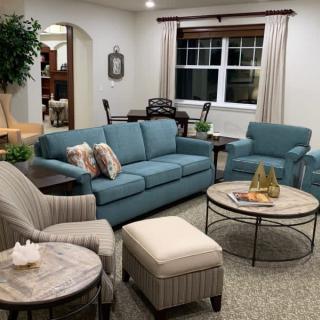
 A Thorough Discussion of Medications Potentially Linked to Dementia Risk
 Why Do Dementia Patients Sleep So Much? Understanding Oversleeping, Stages, and Care Approaches
 8 Key Indicators That Suggest It May Be Time to Transition from Assisted Living to Skilled Nursing Care