
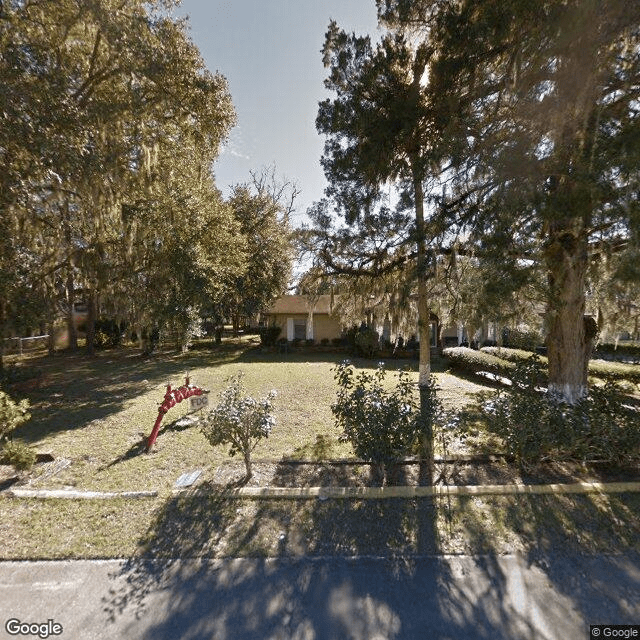
507 SE 1st Ave, Williston, FL 32696
To contact a resident: (352) 528-2722
For more information about senior living options: (866) 208-4318
Good Samaritan Retirement Home Costs & Pricing
Good Samaritan Retirement Home offers competitive pricing for its residents, particularly when compared to average costs in Marion County and the broader state of Florida. For a semi-private room, residents can expect to pay $2,200 per month, significantly lower than the county's average of $3,003 and the state's average of $3,009. Similarly, the one-bedroom option at Good Samaritan is priced at $3,000 per month, which is notably less than Marion County's average of $4,908 and aligns closely with Florida's state average of $3,864. This advantageous pricing reflects Good Samaritan Retirement Home's commitment to providing quality care and comfortable living arrangements while maintaining affordability for seniors in the community.
| Floor plans | Good Samaritan Retirement Home | Marion County | Florida |
|---|---|---|---|
| Semi-Private | $2,200 | $3,003 | $3,009 |
| 1 Bedroom | $3,000 | $4,908 | $3,864 |
Assisted Living communities with a similar price nearby
-
from -$89 / mo
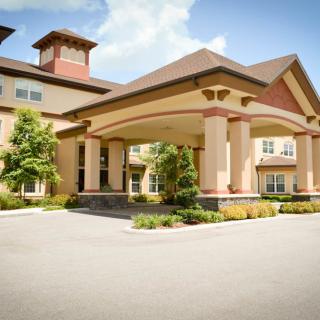
Hawthorne Inn and Estates of Ocala
$2,111 to $3,399 / month23.0 miles away -
from -$178 / mo
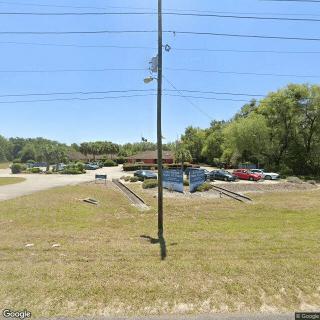
Harbor House
$2,022 to $3,090 / month24.2 miles away -
from +$300 / mo
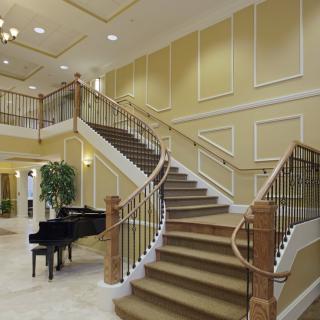
Canterfield of Ocala
$2,500 to $4,800 / month24.7 miles away -
from -$396 / mo

North Florida Retirement Village
$1,804 to $3,450 / month19.9 miles away
Overall Review of Good Samaritan Retirement Home
Pros
 The staff were very patient with his son when he was anxious.
Cons
 The place is dirty and smelly, and the staff have poor language skills.
- They have bed bugs.
Review
Good Samaritan Retirement Home in Williston, Florida is best suited for families seeking a budget-conscious option where care can be sustained through active oversight and where patient, reassuring staff can make a meaningful difference for anxious residents. The community is not pitched as a luxury or turnkey solution; it is a practical choice for households that can monitor care, advocate on behalf of their loved ones, and tolerate fluctuation in daily environments. One reviewer highlighted genuine staff patience when a relative was anxious, signaling that human warmth at the bedside remains a core, if uneven, strength. In this context, the setting offers a workable baseline for those who value approachable caregivers over pristine facilities.
However, this community will not meet every family's criteria. For households that prize immaculate hygiene, pest-control reliability, and consistently clear communication, alternatives should be explored. The most urgent caution arises from cleanliness concerns, including odors and bed bugs, which in some accounts raise questions about safety and comfort. Language barriers among some staff further complicate care coordination, potentially delaying responses or miscommunicating needs. In such cases, a more established facility with stringent housekeeping protocols and multilingual staff, or a newer community with verifiable pest-management success, may deliver a more predictable, lower-stress experience.
On the upside, there is a discernible positive thread: staff members who show patience and gentleness in moments of anxiety can substantially ease a residentā€™s daily stress. A five-star rating from at least one reviewer signals that certain residents do experience meaningful, even memorable, positive interactions. This suggests that when encounters are right-sized and consistent, the emotional support and reassurance provided by caregivers can be genuine and valuable. The combination of a compassionate bedside presence with a budget-friendly environment offers a practical baseline that can anchor a routine when other elements drift.
Yet the major drawbacks overshadow the potential benefits. The cleanliness and pest-related concerns described are not minor imperfections but substantial quality-of-life and safety risks. Reports of dirt, odor, and bed bugs create an atmosphere that is difficult to relax into and can undermine trust in daily routines and medical care. The correlated issues with staff language skills amplify these risks, because effective communication is essential for accurate symptom reporting, medication management, and timely assistance. When environment and communication gaps reach that level, the overall experience becomes fragile and inconsistent, eroding confidence in long-term placement.
Pros and cons do not offset each other equally. The compassionate staffing observed in some interactions can mitigate emotional strain and offer moments of relief, but the gravity of hygiene and pest problems cannot be dismissed. For families with higher care needs or those requiring a reliably clean, pest-free setting and clear, multilingual communications, the balance tips toward seeking alternatives. The positive elements are real but contingent, and without marked improvements in housekeeping, pest control, and staff training, the overall value proposition remains limited and risky for sustained placement.
For those weighing a choice here, a disciplined due-diligence approach is essential. Schedule in-person tours to assess cleanliness firsthand, request current pest-control and housekeeping records, and meet administrators to probe staffing coverage, ongoing training, and language-support plans. Bring questions about how care plans are communicated, how quickly needs are addressed, and what steps are taken to upgrade facility conditions. If the goal is a long-term residence with predictable quality, broaden the search to communities with documented cleanliness histories and stronger, more consistent communication. This community serves best as a stopgap option for families who can stay actively involved and accept a trade-off between affordability and environmental stability, rather than as a reliable long-term solution.
 Assisted Living
 Independent Living
 Activities off-site
 Bath tubs
 Beautician on-site
 Devotional services off-site
 Indoor common areas
 Outdoor common areas
 Respite or short term stays offered
 Wheelchair accessible showers
 Gainesville Regional (23 miles away)
 Ambulatory care
 Diabetic care
 Incontinence care
 Meals provided



 Comprehensive Insights into Activities of Daily Living (ADLs) and Their Assessment
 Medicare Coverage for Assisted Living: An In-Depth Exploration
 Choosing the Right Senior Care: A Detailed Exploration of Assisted Living and Nursing Homes