
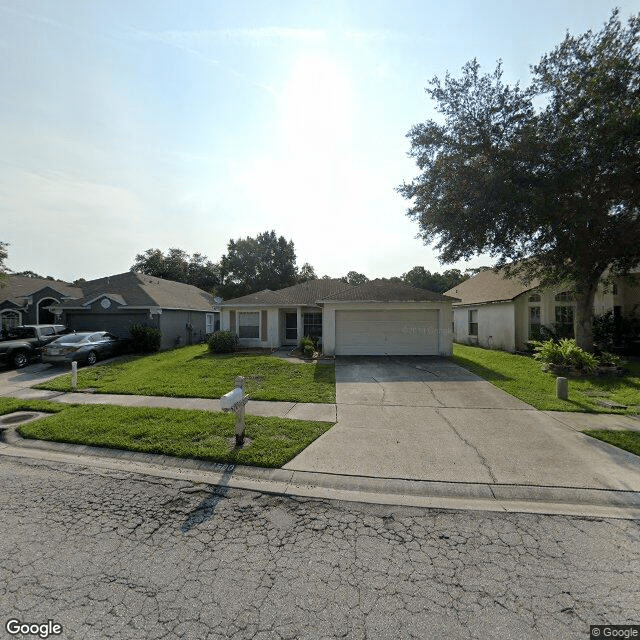
1500 Maximilian Drive, Wesley Chapel, FL 33543
For more information about senior living options: (866) 208-4318
Success Care Services Costs & Pricing
Success Care Services offers competitive monthly rates for various room types, reflecting both the quality of care and amenities provided. For a semi-private room, the cost is $3,000, which is slightly higher than the Pasco County average of $2,898 but remains lower than the state average of $3,009. In terms of private accommodations, Success Care charges $4,000 per month - this aligns closely with Pasco County's rate of $3,989 and exceeds Florida's average of $3,699. For those seeking a one-bedroom unit, Success Care's price of $5,000 stands out when compared to both county and state averages; Pasco County lists it at significantly lower at $3,450 while Florida has an average of $3,864. Overall, while Success Care Services may present higher costs in certain categories, they offer an environment that prioritizes personalized care and resident comfort.
| Floor plans | Success Care Services | Pasco County | Florida |
|---|---|---|---|
| Semi-Private | $3,000 | $2,898 | $3,009 |
| Private | $4,000 | $3,989 | $3,699 |
| 1 Bedroom | $5,000 | $3,450 | $3,864 |
Memory care communities with a similar price nearby
-
from -$300 / mo
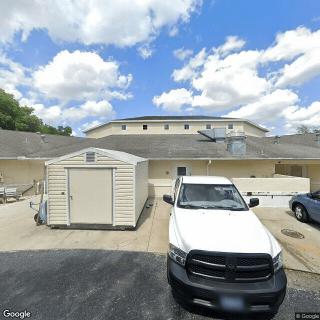
Alafia Village
$2,700 to $4,000 / month20.5 miles away -
from -$500 / mo
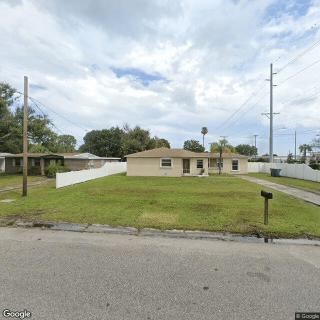
Consuelo's Assisted Living Facility
$2,500 to $4,500 / month23.0 miles away -
About the same
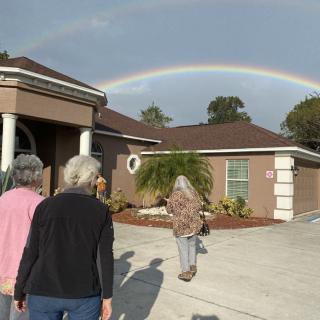
Cobblestone Manor
$3,000 to $4,850 / month24.2 miles away -
from -$400 / mo
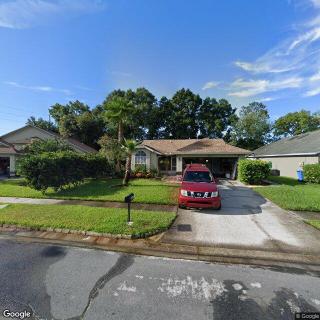
Hilda's Home Care Alf
$2,600 to $2,800 / month17.2 miles away -
from +$175 / mo

Arbor Terrace at Citrus Park
$3,175 to $5,999 / month16.7 miles away
Overall Review of Success Care Services
Pros
 The two homes were described as nice and clean.
- The residents were up, dressed, and some were eating.
Cons
 They would not recommend moving a loved one to this facility.
- The owner is never available.
- Weekly activities promised were never provided.
- The facility does not provide medications to residents according to doctors' prescriptions.
- A new manager appears to have taken over and does not seem to know what she is doing.
- The staff member who was previously nice became rude and unprofessional.
- They should consider finding somewhere better for a loved one.
- Wesley House 1 was full, and staff did not know who Theo Jordan was.
- The cost for services is expensive.
- They were told they would get back with the family, but 24 hours later there was no follow-up.
Review
Success Care Services in Wesley Chapel is best suited for families that want a smaller, clearly foregrounded care setting where cleanliness and daily routine are visible priorities, and where family members are prepared to actively oversee medication administration, programming, and staff responsiveness. This community can work for households that value a well-kept environment and are willing to schedule regular visits, push for timely activities, and require a hands-on approach to care. For families seeking a highly predictable leadership presence, a consistently proactive administrator, or a transparent, cost-accurate care plan, this is not the first choice.
Explicitly, alternatives should be considered by anyone whose top priorities include strong leadership continuity, reliable medication management, and a robust activities calendar. If ownership accessibility matters, if the family expects the owner or a primary administrator to be routinely available and responsive, this community may fall short. Likewise, those who insist on prompt, clear communication about fees, services, and policy changes should look at other facilities with documented oversight and better family engagement. In short, this option benefits those who can compensate with vigilant family involvement rather than relying on the facility to fully manage every detail.
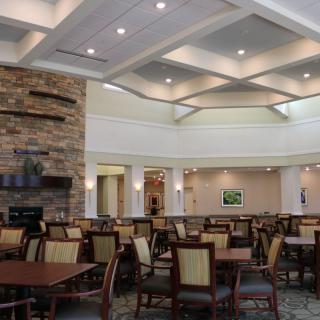
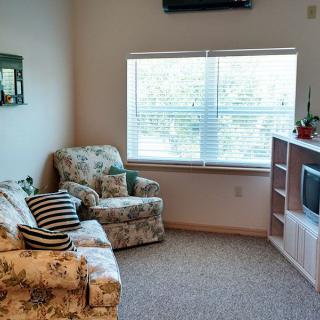
On the positive side, the facilities observed during visits appeared clean and well maintained, with residents who were up, dressed, and actively involved in meals. That visual and practical sense of order contributes to comfort and safety, and it suggests basic standards of cleanliness and resident presentation are being met. The environment supports routine living, hallways, common areas, and personal spaces feel orderly, which can reduce anxiety for new residents and reassure families that the basics of daily life are being upheld. These strengths provide a stabilizing backdrop for families weighing other, more fragile concerns.
The most pressing drawbacks, however, are not minor. The owner’s limited availability translates into intermittent leadership, which creates gaps in accountability and consistency that families must fill. Reports of a transition in management that affected how care was delivered raise questions about continuity of policy, especially around core responsibilities. Medication administration stands out as a critical red flag: deviations from doctor-prescribed regimens undermine safety and health outcomes. Promised weekly activities that never materialized point to a failed alignment between expectations and execution, and an unproductive dynamic with at least one administrator undermines trust and ongoing family collaboration. When inquiry responses are slow or discourteous, the overall risk profile grows.
These pros and cons interact in concrete ways. The clean, comfortable setting and observable resident engagement are meaningful, but they do not compensate for inconsistent leadership or medication lapses. Where the facility shines as a calm, orderly living space, the lack of proactive management and reliable programming means families must be ready to intervene, track medications, and push for timely activities. For families with a flexible budget and the time to supervise, the positives can be leveraged to offset related risks; for those relying on the facility to handle care with minimal oversight, the negatives compound into a compelling argument for alternatives.
In making a decision, a practical path is to probe for a clear, written medication administration policy, current staffing ratios, and a concrete activity calendar with posted schedules. Request a direct meeting with the owner or the primary administrator to address availability and responsiveness, and insist on a transparent, itemized fee outline with any potential add-ons. Consider trials or short-term stays with explicit exit provisions before full commitment. For families needing steady leadership, strong medication control, and consistent programming, other communities are likely to deliver greater peace of mind. For those who can partner closely with the facility and devote time to oversight, Success Care Services may be a workable option, but only with clear guardrails and disciplined family involvement.
 6 resident community capacity
 Assisted Living
 Board and Care Home
 Memory Care
 Cable or satellite TV
 Dining room
 Fully furnished
 Garden
 Housekeeping services
 Move-in coordination
 Outdoor space
 Private
 Telephone
 Wi-Fi/high-speed internet available
 Tampa International (19 miles away)
 24-hour supervision
 Activities of daily living assistance
 Ambulatory care
 Assistance with bathing
 Assistance with dressing
 Assistance with transfers
 Diabetes diet
 Meal preparation and service
 Medication management
 Special dietary restrictions
 Transportation arrangement (medical)
 Transportation to doctors appointments


 Vibrant Senior Living: A Comprehensive Guide for Active Older Adults
 Assisted Living and Memory Care: Understanding Their Core Differences
 Choosing the Right Senior Care: A Detailed Exploration of Assisted Living and Nursing Homes