
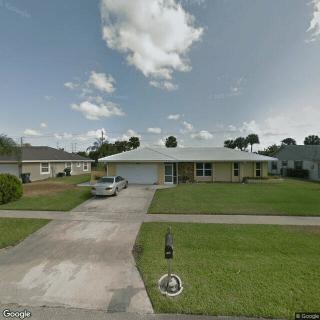
102 Newberry Lane, Royal Palm Beach, FL 33414
To contact a resident: (561) 784-3960
For more information about senior living options: (866) 208-4318
Adult Family Care of Wellington Inc. Costs & Pricing
At Adult Family Care of Wellington Inc., the monthly cost for a private room is set at $2,500, which represents a significant value compared to the broader market rates in Palm Beach County and the state of Florida. In Palm Beach County, similar accommodations average around $4,444 per month, while statewide costs hover at approximately $3,699. This positions Adult Family Care of Wellington as an attractive option for individuals seeking quality care in a more affordable setting. The lower cost not only ensures accessibility for families but also underscores the facility's commitment to providing exceptional care without compromising on service or comfort.
| Floor plans | Adult Family Care of Wellington Inc. | Palm Beach County | Florida |
|---|---|---|---|
| Private | $2,500 | $4,444 | $3,699 |
Senior living communities with a similar price nearby
-
About the same
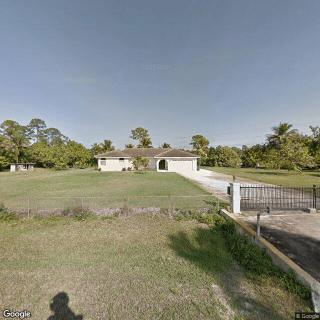
Iona Adult Family Home
$2,500 to $5,000 / month10.1 miles away -
from -$305 / mo
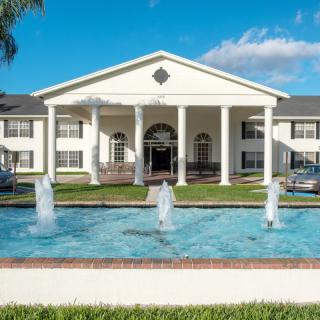
Grand Villa Of Delray East
$2,195 to $4,495 / month15.2 miles away -
About the same
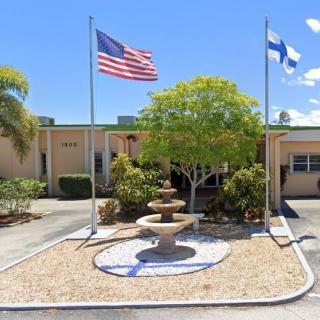
Finnish American Village
$2,500 to $3,300 / month10.0 miles away -
from +$110 / mo

UpsideHoM Boca Raton
$2,610 to $4,840 / month21.8 miles away -
About the same

Coventry Country Living Inc
$2,500 to $3,500 / month1.7 miles away
Overall Review of Adult Family Care of Wellington Inc.
Pros
 They are fabulous.
- The owner is an amazing woman.
- She works well with their loved one.
- She has really turned things around for their loved one.
- She is good at adjusting and handling situations.
- She is gentle and creative.
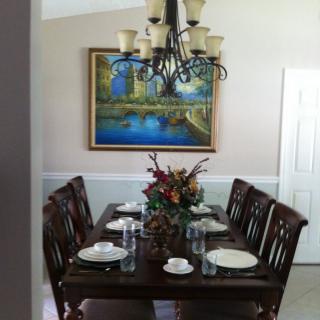
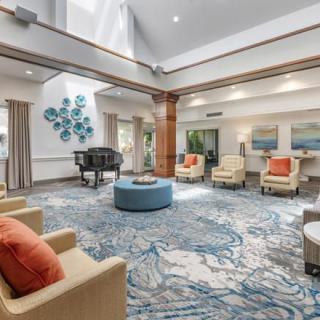
- The home is beautiful and artistically decorated.
- The home is clean and the food is very good.
- They are very pleased with the community and would recommend it to anyone.
Review
Adult Family Care of Wellington Inc. is best suited for families seeking a deeply personalized, home-like living environment where the caregiver owner directly oversees daily life. In Royal Palm Beach, this small, residential setting provides intimate attention, rapid problem-solving, and a caregiver-led approach that feels more like a compassionate extension of family life than a traditional facility. For households that prize consistent warmth, hands-on oversight, and a visually welcoming, well-maintained home, this community stands out as a practical, effective option.
Those weighing alternatives should consider what level of medical oversight and structured programming are truly necessary. If the resident requires robust on-site nursing, advanced clinical services, or a formal memory-care curriculum with scheduled activities and staff coverage around the clock, larger assisted-living communities or specialized memory-care facilities may serve better. For seniors whose needs are predominantly for companionship, daily support, and beaming attention from a single, trusted caregiver, the advantages here become particularly compelling.
The principal strengths are clear and compelling: the owner’s leadership is the fulcrum of the experience. Families repeatedly describe her as an extraordinary manager who “works so well with the loved one,” demonstrates impressive flexibility, and adapts deftly to changing situations. This direct, proactive involvement translates into a sense of stability and trust that is rarely matched in larger settings. The home itself reinforces these advantages with a warm, artistic, and pristine ambience that makes everyday life feel dignified and comforting. The environment is clean, tastefully decorated, and designed to nurture peace of mind, while meals are consistently described as good. These tangible positives, personalized attention, creative problem-solving, a serene home atmosphere, and solid daily nourishment, collectively offset the lack of a big-career staff and formal programming.
The trade-offs of a small, owner-operated home naturally surface as potential limitations. The most salient concern for some families is the possibility of constrained staffing breadth, which can affect scheduling flexibility, after-hours coverage, and access to specialized care beyond the owner’s capacity. There may be fewer on-site professionals for crisis management or for residents with complex medical regimens. This is not framed as a deficiency so much as an honest expectation to be weighed against the resident’s medical complexity and the need for round-the-clock oversight. Families evaluating options should be mindful of whether the resident’s needs align with a tightly knit, person-centric model versus a more institution-like structure with broader clinical resources.
Yet the compelling pros here, especially the owner’s hands-on leadership, the rapid, thoughtful responsiveness, and the homelike, aesthetically engaging setting, consistently offset these considerations for many. When a caregiver can tailor routines, modify activities on the fly, and address behavioral or health changes with immediate attention, the resulting continuity of care often reduces agitation, confusion, and distress for residents. The combination of a beautifully kept home, attentive meals, and a calm, respectful atmosphere supports emotional well-being and daily functioning, which can dramatically improve quality of life even without a large clinical staff.
In the end, this community is a strong fit for families prioritizing a personalized, attentive, and dignified living experience in a small, well-run home. It excels for residents who respond well to consistent, one-on-one engagement, where the caregiver’s creativity and adaptability can directly influence daily happiness and stability. Prospective families should consider alternatives if the resident’s needs include heavy medical supervision, specialized dementia programming, or a crisis-ready environment with extensive on-site clinical resources. A principled decision will hinge on matching the resident’s care level with the setting’s strengths, then arranging a visit to observe the daily rhythms, meet the owner in person, and assess whether the intimate, homelike model aligns with long-term goals and safety expectations.
 Board and Care Home
 Dogs allowed
 Activities off-site
 Bath tubs
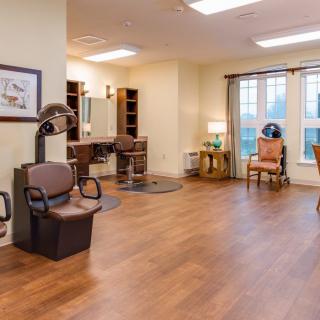
 Beautician on-site
 Devotional services off-site
 Indoor common areas
 Outdoor common areas
 Private
 Respite or short term stays offered
 Swimming pool / hot tub
 Palm Beach International (7 miles away)
 Ambulatory care
 Incontinence care
 Medication management
 Meals provided
 A Comprehensive Exploration of Common Misunderstandings about Powers of Attorney
 Senior Move Management: Understanding the Role, Value, and Associated Costs
 Weight Training for Seniors: Building Strength and Vitality