
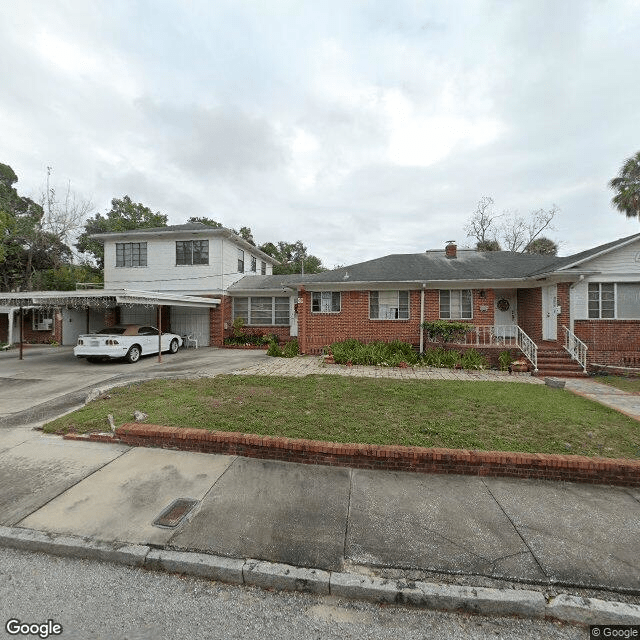
2601 North Woodrow Avenue, Tampa, FL 33602
For more information about senior living options: (866) 208-4318
Overall Review of Eva's Home Care
Pros
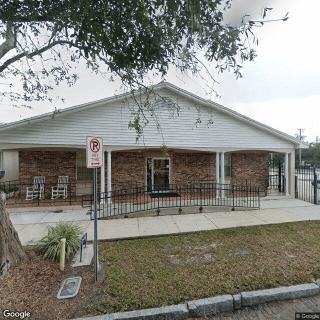
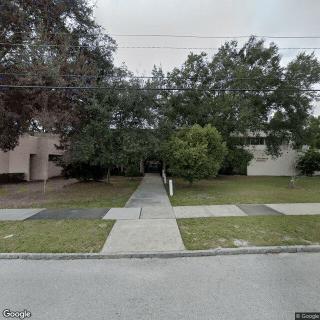
 The building is nicely constructed with lush green lawns.
- The facility is doing a good job in caring for residents.
- The receptionist is forthcoming in introducing the facility.
- The rooms are nicely laid out with a neat and tidy appearance.
- The facility provides amenities such as food, laundry, TV, Internet, and library for residents.
- Life in the facility is peaceful and offers planned activities for residents to participate in.
Cons
 The nursing staff was not visible anywhere.
- It was revealed that an old person had fallen sick and staff were busy looking after him.
- The reviewer could not test the food quality, but it should be better.
Review
Eva’s Home Care in Tampa is best suited for families pursuing a calm, home-like environment for an aging loved one who is relatively independent but benefits from daily assistance, regular social activity, and accessible amenities. The facility projects a residential vibe rather than a clinical one: well-kept grounds with lush lawns, clean, neatly laid-out rooms, and a pace that feels family-friendly rather than hospital-driven. A front-desk presence comes across as approachable, and the building’s overall presentation suggests a setting where daily rhythms resemble those at home. The presence of amenities such as food service, laundry, television, Internet, and a small library signals a mature, self-contained living environment rather than a center focused on heavy medical management. In short, Eva’s works well for seniors who want dignity, quiet, and companionship without rushing into a more clinical atmosphere.
Families weighing Eva’s should explicitly consider alternatives if constant, visible nursing oversight and robust medical responsiveness are non-negotiables. The single review notes that nursing staff were not visible at a particular moment, with attention diverted to a resident who fell ill. That observation can be seen as a red flag for households needing high-frequency medical monitoring, continuous staff presence, or memory-care specific support. If the priority is rapid, hands-on medical management, or if a loved one requires frequent medication administration, IV therapy, or specialized supervision, a facility with a stronger clinical footprint might be a better match. Likewise, if a guaranteed, predictable level of daily nursing care is essential, exploring options with clear staffing ratios and scheduled medical rounds is prudent.
The strongest positives at Eva’s revolve around atmosphere, comfort, and meaningful social engagement. The grounds convey peace, and the rooms are tidy and thoughtfully laid out, helping residents feel secure and at ease. The receptive, forthcoming front desk contact is a practical touch that smooths initial transitions and ongoing coordination with family. Residents have access to a range of practical amenities, meals, laundry, entertainment options, and a library, that support daily independence and a sense of routine. The anecdote about an older couple enjoying time outside on the lawn reinforces the impression of a community where people are allowed to settle in, socialize, and participate in planned activities that mimic the warmth of a home environment. Those features collectively offset the lack of constant clinical visibility by fostering stability, belonging, and predictable daily structure.
Yet the absence of readily visible nursing staff cannot be dismissed. The review describes a moment when a resident became ill and staff were occupied with that crisis, limiting apparent attention to other residents. That dynamic matters, especially for families prioritizing proactive care management, timely response to new symptoms, or easy access to medication oversight. The care model at Eva’s appears to lean toward a serene, resident-led rhythm rather than a high-touch, nurse-driven routine. The unspecified quality of meals is another unknown that can tip the balance for some families; while there is confidence the food would be satisfactory, prospective residents should verify menu quality firsthand. In sum, the pros, peaceful setting, independence-friendly amenities, and social programming, partly offset the potential downside of a less visible nursing presence, but only for those who do not require constant clinical attention.
For practical decision-making, approach Eva’s with a targeted checklist. Request a candid explanation of nurse-to-resident ratios and shift coverage, plus how medical needs are triaged during peak activity periods. Probe the care planning process: how medications are managed, who administers them, and how often medical reviews occur. Sample the menu or arrange a meal trial to confirm nutritional quality and portioning, and review how special diets are accommodated. Review the weekly activity calendar to ensure meaningful engagement and opportunities for social connection. Confirm the existence and operation of emergency response systems, call bells, and staff responsiveness, and ask about transportation options for appointments or outings. Finally, assess whether the facility can accommodate evolving needs, such as enhanced assistance or memory-care support, without necessitating a move.
The bottom line is clear. Eva’s Home Care delivers a solid, comfortable, and low-stress home environment that suits seniors who prize dignity, quiet tempo, and accessible amenities over intensive medical oversight. It is especially compelling for families seeking a peaceful setting where daily life feels familiar, where residents can participate in purposeful activities, and where staff turnover is likely low and the atmosphere is intimate. However, for those who require constant nursing supervision, rapid medical intervention, or specialized memory-care support, alternatives with stronger clinical staffing will likely deliver greater peace of mind. Weigh the value of a tranquil, neighborly home against the need for continuous medical presence, and let that balance drive the final choice.
 8 resident community capacity
 Assisted Living
 Board and Care Home
 Respite Care
 Cable or satellite TV
 Dining room
 Fully furnished
 Garden
 Housekeeping services
 Move-in coordination
 Outdoor space
 Telephone
 Wi-Fi/high-speed internet available
 Tampa International (4 miles away)
 24-hour supervision
 Activities of daily living assistance
 Assistance with bathing
 Assistance with dressing
 Assistance with transfers
 Diabetes diet
 Meal preparation and service
 Medication management
 Special dietary restrictions
 Transportation arrangement (medical)
 Transportation to doctors appointments


 When to Transition from Assisted Living to Memory Care: Key Indicators, Steps, and Finding the Right Community
 Assisted Living and Memory Care: Understanding Their Core Differences
 Beyond the Bingo Hall: 50+ Enriching Activities for Seniors in Assisted Living