10515 Memorial Highway, Tampa, FL 33615
For more information about senior living options: (866) 208-4318
Overall Review of A Country Place Assisted Living
Pros
 It’s described as a home built on love, compassion, and genuine care.
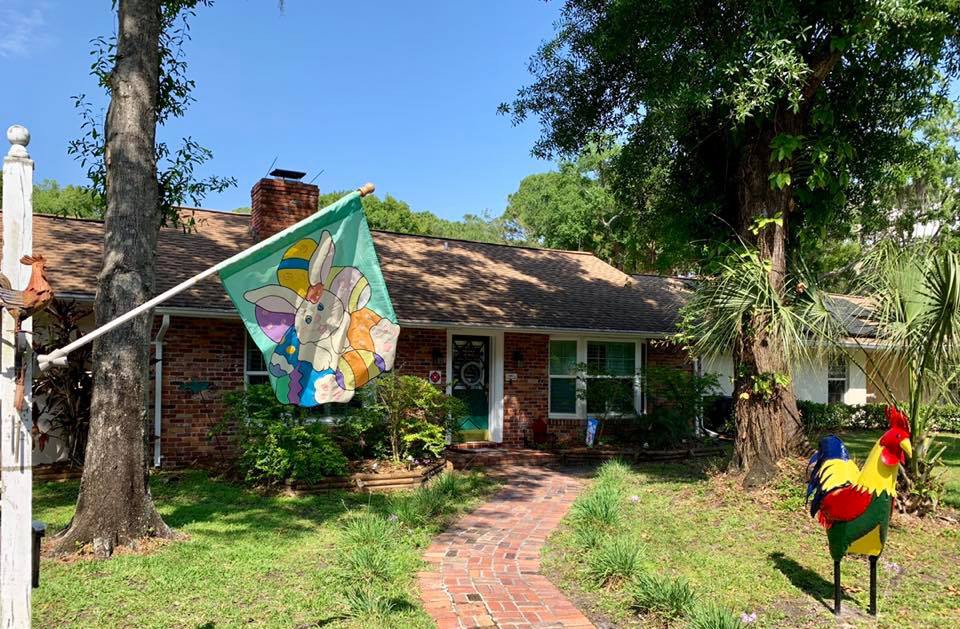
- The on-site farm and fresh eggs reflect a thoughtful, nurturing environment.
- They go above and beyond to keep residents safe, happy, and well cared for.
- Rob and Nancy are outstanding—always available and dedicated, delivering peace of mind.
- Rob personally visits residents and families, creating trust and a sense of family.
- The staff, cooks, and residents are genuinely happy and full of life.
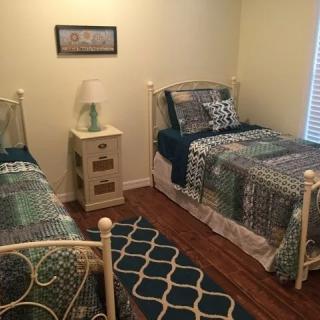
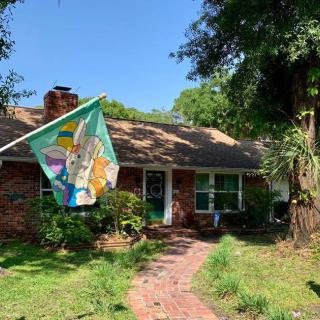
- The facility feels like family, not a business, with a comfortable, homelike atmosphere.
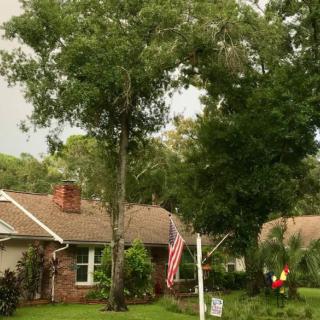
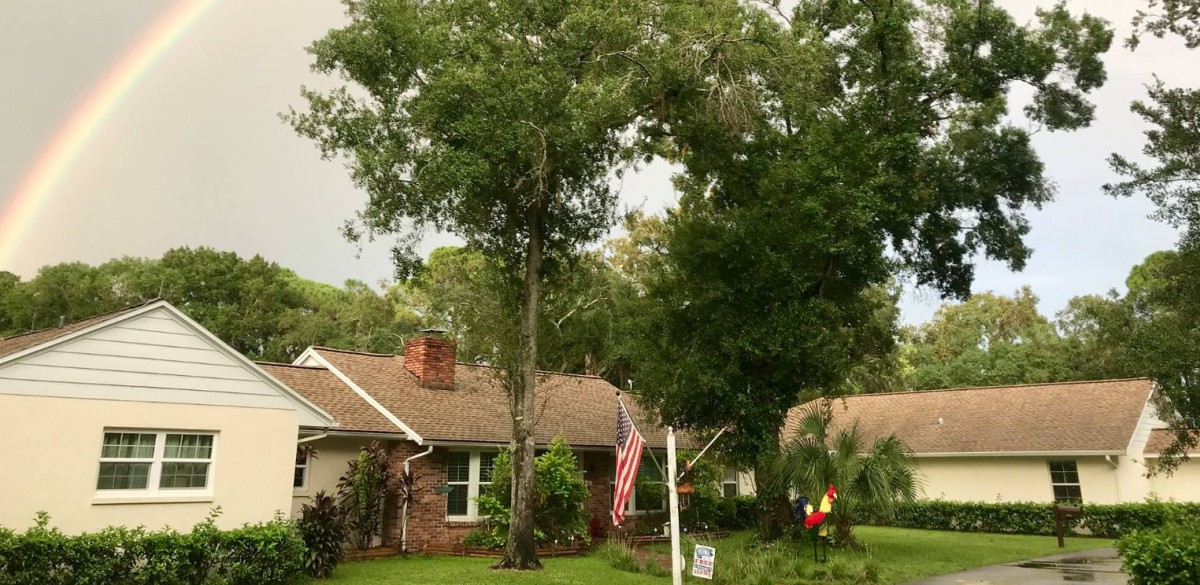
- The 5-acre property with farm animals adds warmth and charm to daily life.
Cons
 They felt the staff were rude and that the price quoted differed from what the owner had stated.
- They believed the staff tried to gloss over questions about the price.
- They were completely disgusted by the staff and felt their true colors were revealed.
- They found the price analogy to buying a car inappropriate, implying a lack of genuine care.
- They left the visit disappointed by the experience.
Review
A Country Place Assisted Living is best suited for seniors with dementia or Alzheimer’s who crave a true home-like setting where the owners are on-site, deeply involved, and visibly attentive to individual care. This community excels for families seeking peace of mind through a small, intimate environment, one that feels more like a family home than a clinical campus. The unique on-site farm with fresh eggs, fruit groves, and barnyard animals adds sensory richness and meaningful routines that can calm memory-impaired residents and foster daily purpose. It is a good fit for families who value direct access to the people making daily care decisions and who want to see compassion translated into practice in real time.
Those considering alternatives should note this is not the place for residents requiring a large-scale medical model or extensive 24/7 nursing coverage. If a resident needs a more clinical memory-care environment with formalized nursing units, extensive 24-hour med administration, or standardized corporate systems, a bigger facility may be a better match. Likewise, families seeking lower costs, more predictable scale, or options with broader national branding might look elsewhere. For those with diverse needs beyond memory care, such as complex medical therapies or highly specialized equipment, it's prudent to compare with facilities that have deeper clinical infrastructure and defined nursing-to-resident ratios.
The strongest positives here center on leadership, culture, and daily life. The owners, Rob and Nancy, are repeatedly described as accessible, hands-on, and genuinely devoted to residents’ welfare. The care feels proactive rather than reactive, with staff who are patient, kind, and engaged. Residents and families report timely communication, dependable advocacy, and a sense that care decisions consider the individual as a person, not a chart. The on-site farm and animal interactions provide meaningful activity and a comforting, homey rhythm that many dementia-impacted residents respond to positively. Food, small-group social opportunities, and a safety-forward environment reinforce the overall sense of well-being.
There is one notable caveat worth weighing. A single negative review highlights a discrepancy in pricing and a perceived brusqueness from an intake contact, suggesting that, in rare cases, communications about cost can feel inconsistent. By contrast, the bulk of feedback emphasizes transparent, reasonable pricing, and owners who personally ensure every detail is addressed. This underscores a practical reality: in a family-operated setting, the tone and clarity of pricing conversations can hinge on who answers the phone or greets a visitor. Families should insist on written terms up front and verify inclusions and potential add-ons to avoid surprises.
The pros effectively offset the potential drawbacks for most families because the core strengths, personalized attention, owner accessibility, and a genuinely nurturing atmosphere, translate into measurable peace of mind. The homelike setting reduces the anxiety commonly associated with transitions, especially for memory care residents who benefit from routine and familiar voices. The continuity of care matters here: families repeatedly describe staff as consistently attentive, with caregivers who know residents’ preferences, triggers, and histories. The farm, gardens, and social activities become anchors of daily life, helping residents stay engaged and feel valued within a safe, self-contained community.
For families evaluating a move, the practical conclusion is clear. A Country Place shines for dementia care when the goal is intimate, engaged, and relentlessly person-centered care delivered by owners who treat residents like family. It is particularly well-suited for those who prioritize atmosphere, safety, and meaningful daily engagement over a traditional hospital-like medical model. Prospective residents should verify current staffing ratios, review the exact scope of services included in the monthly rate, and observe a tour that focuses on day-to-day routines, meal quality, and opportunities for family involvement. Asking for recent care plans, references, and a transparent, itemized price quote will ensure alignment with expectations and avoid surprises.
In the end, this community is a strong choice for families seeking a home environment where memory care is delivered with heart, continuity, and hands-on leadership. It is not the destination for those demanding a large-scale clinical campus or highly standardized corporate processes. The decision should be guided by the resident’s dementia stage, the family’s need for direct access and advocacy, and the willingness to embrace a farm-adjacent setting that rewards daily engagement and personal connections. Visit, ask pointed questions, and let Rob and Nancy demonstrate exactly how a person-centered, family-driven approach can translate into real, everyday peace of mind.
 24 resident community capacity
 Assisted Living
 Board and Care Home
 Day Program
 Memory Care
 Respite Care
 Beauty salon
 Cable or satellite TV
 Dining room
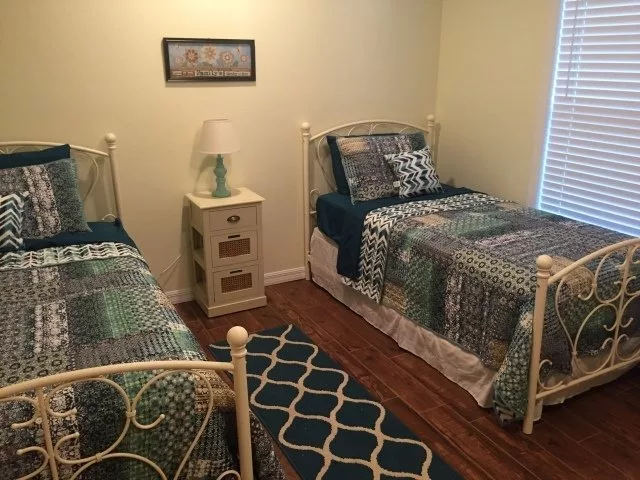
 Fully furnished
 Garden
 Housekeeping services
 Kitchenette
 Move-in coordination
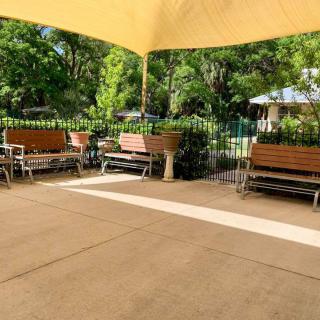
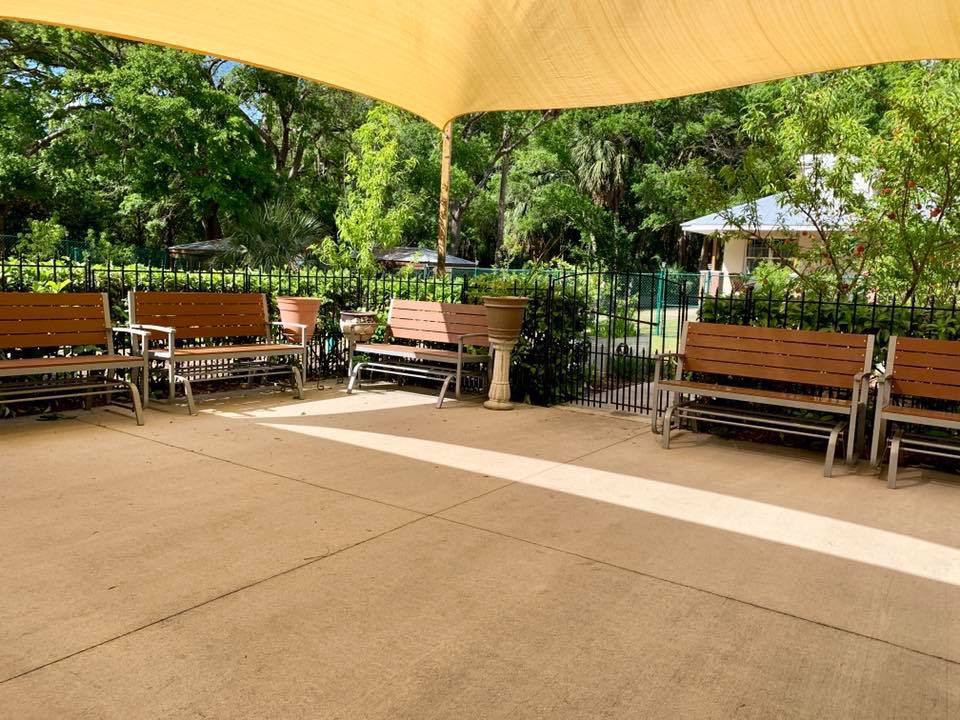
 Outdoor space
 Restaurant-style dining
 Small library
 Telephone
 Wi-Fi/high-speed internet available
 Tampa International (5 miles away)
 24-hour call system
 Assistance with bathing
 Assistance with dressing
 Assistance with transfers
 Diabetes diet
 Medication management
 Mental wellness program
 Special dietary restrictions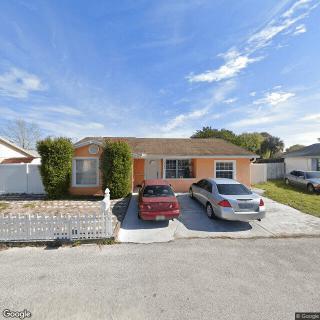



 Dementia-Related Hallucinations: Causes, Experiences, and Practical Approaches
 Illuminating Insights About Alzheimer's Disease: Ten Crucial Realities
 A Thorough Discussion of Medications Potentially Linked to Dementia Risk