Symphony At Stuart

Save

  • Interior

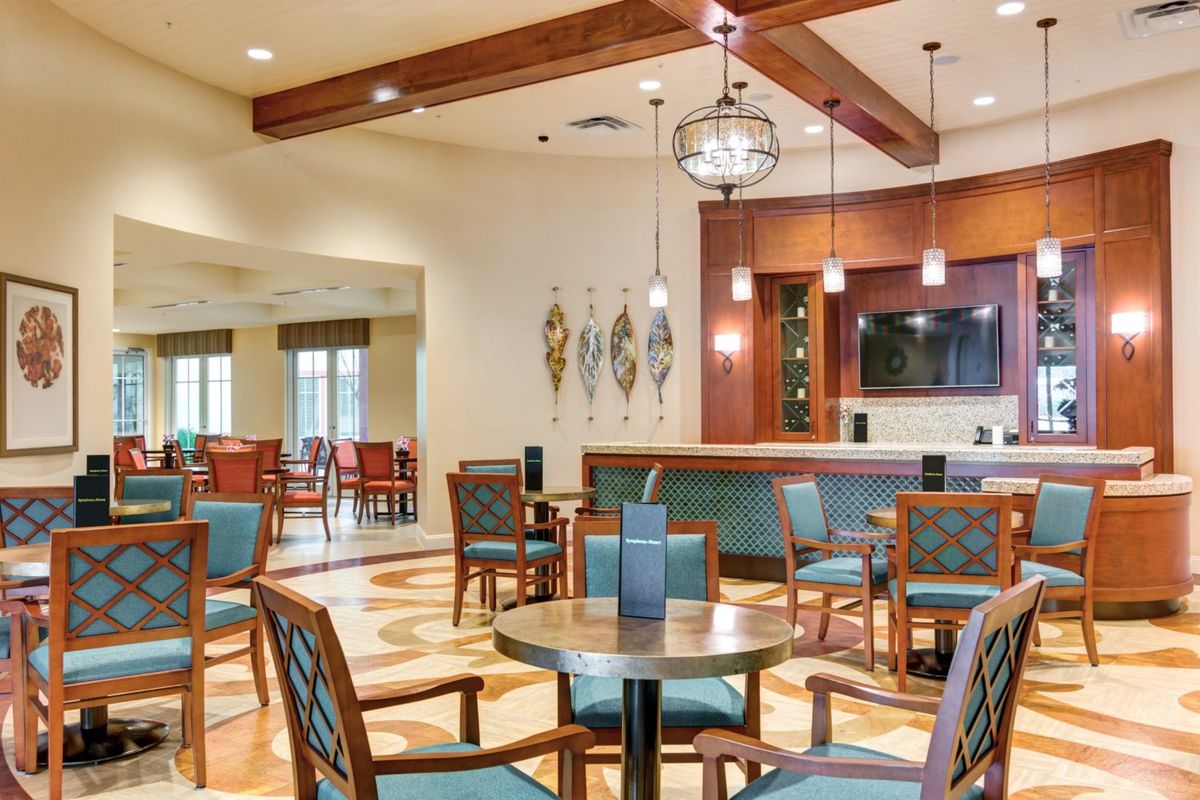
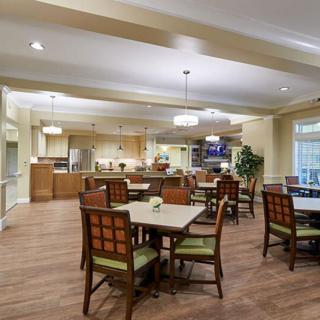
    A modern dining area with wooden furniture and decorative lighting.
  • Decor

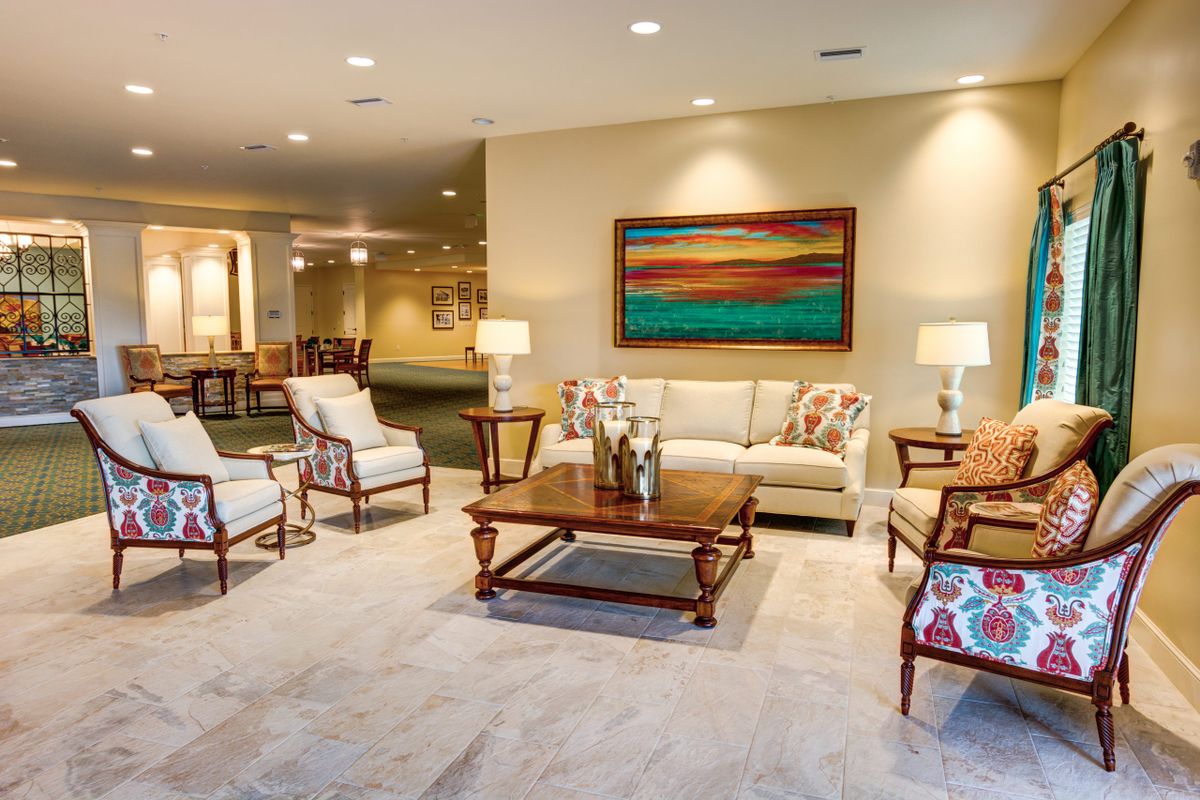
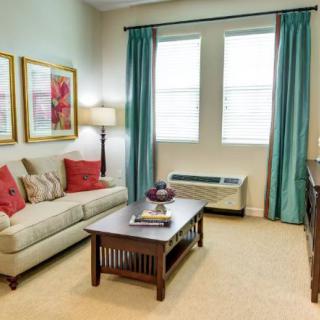
    A spacious and elegantly decorated living room with a sofa, chairs, and a coffee table, complemented by a large painting and lamps.
  • Living Room

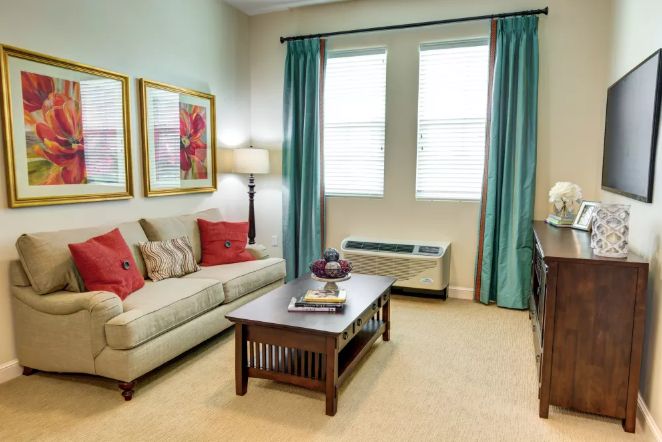
    A cozy living room with a sofa, coffee table, and decorative artwork.
  • Building

    A sunny patio area with tables, chairs, and umbrellas outside a building.
  • Architecture

    A tropical-themed hotel entrance with palm trees and colorful landscaping.
  • Bedroom

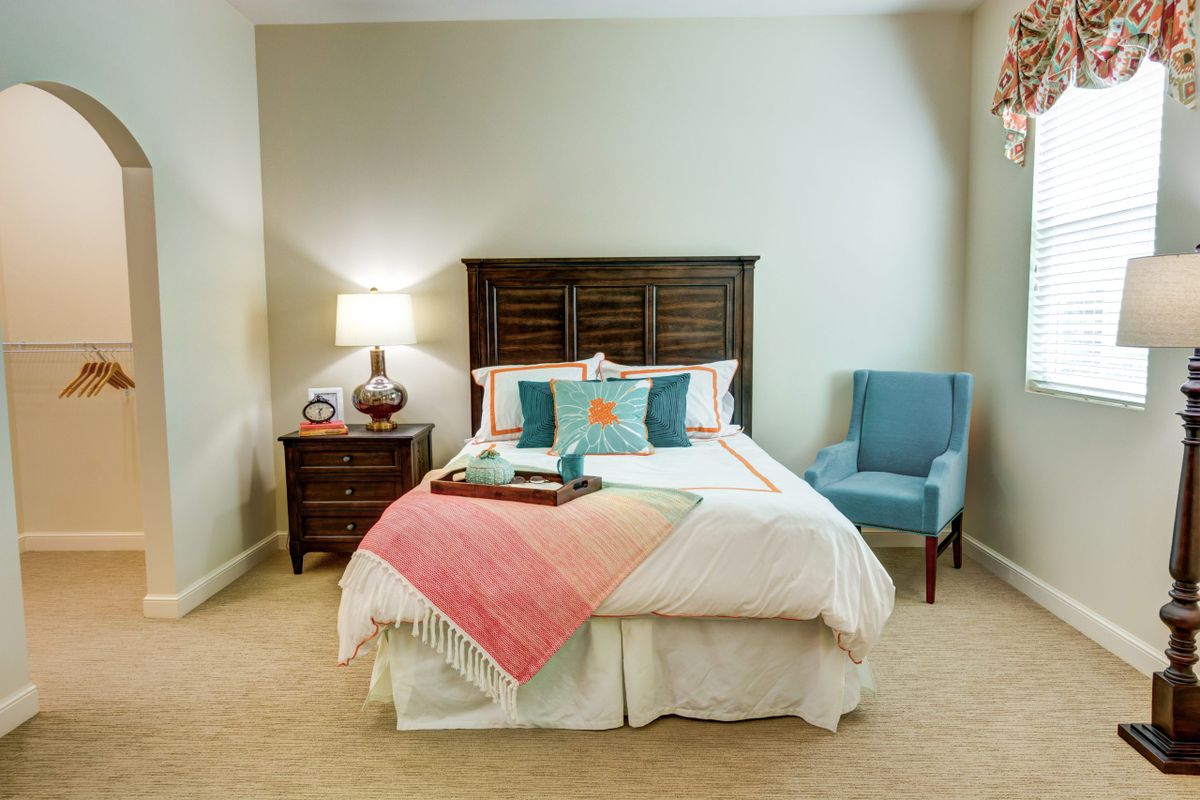
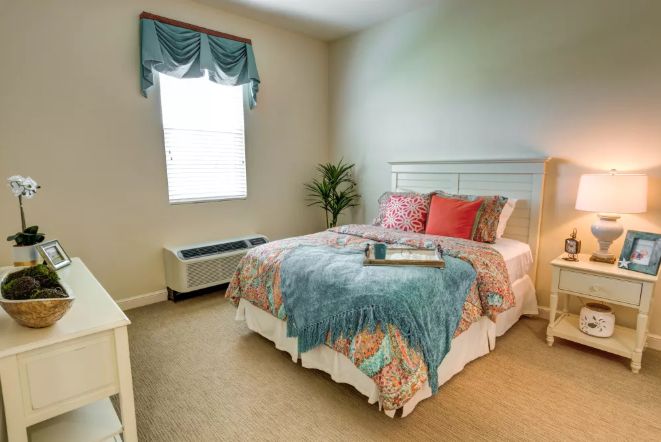
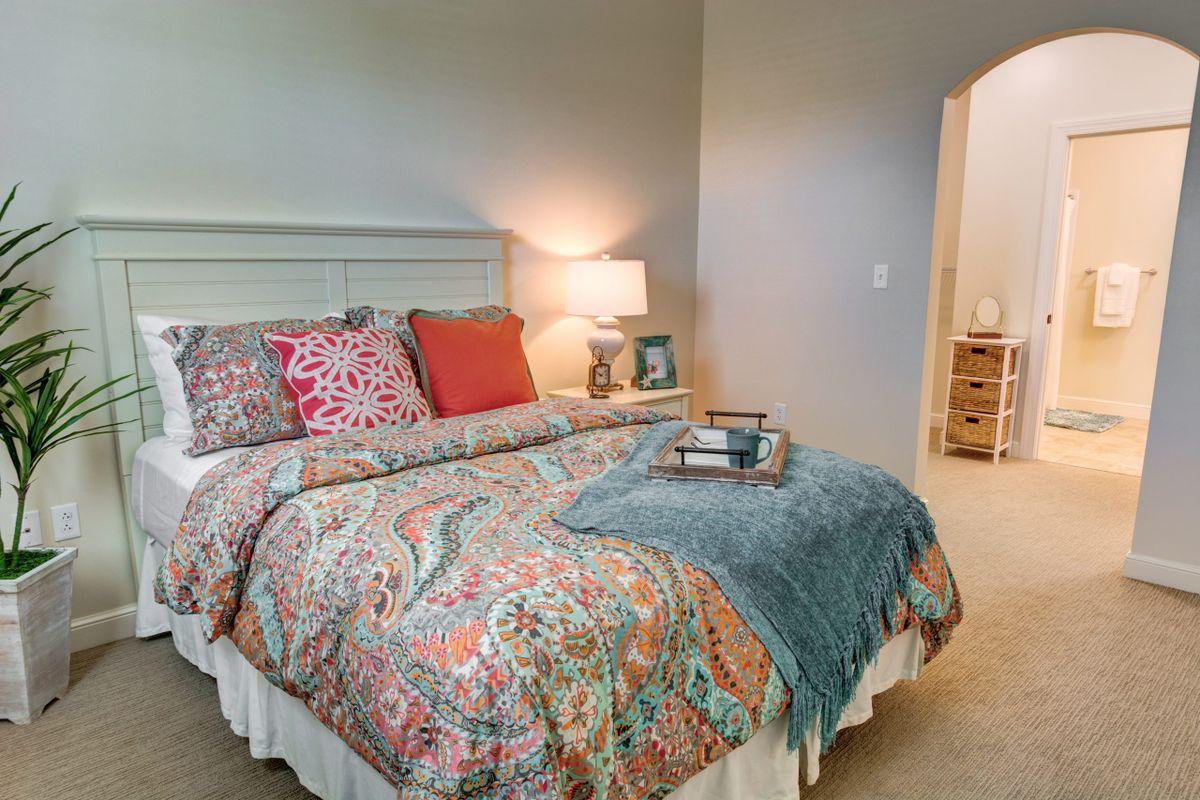
    A cozy bedroom with a well-decorated bed featuring colorful pillows and a patterned comforter.
  • Windows

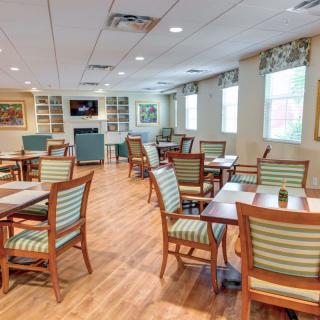
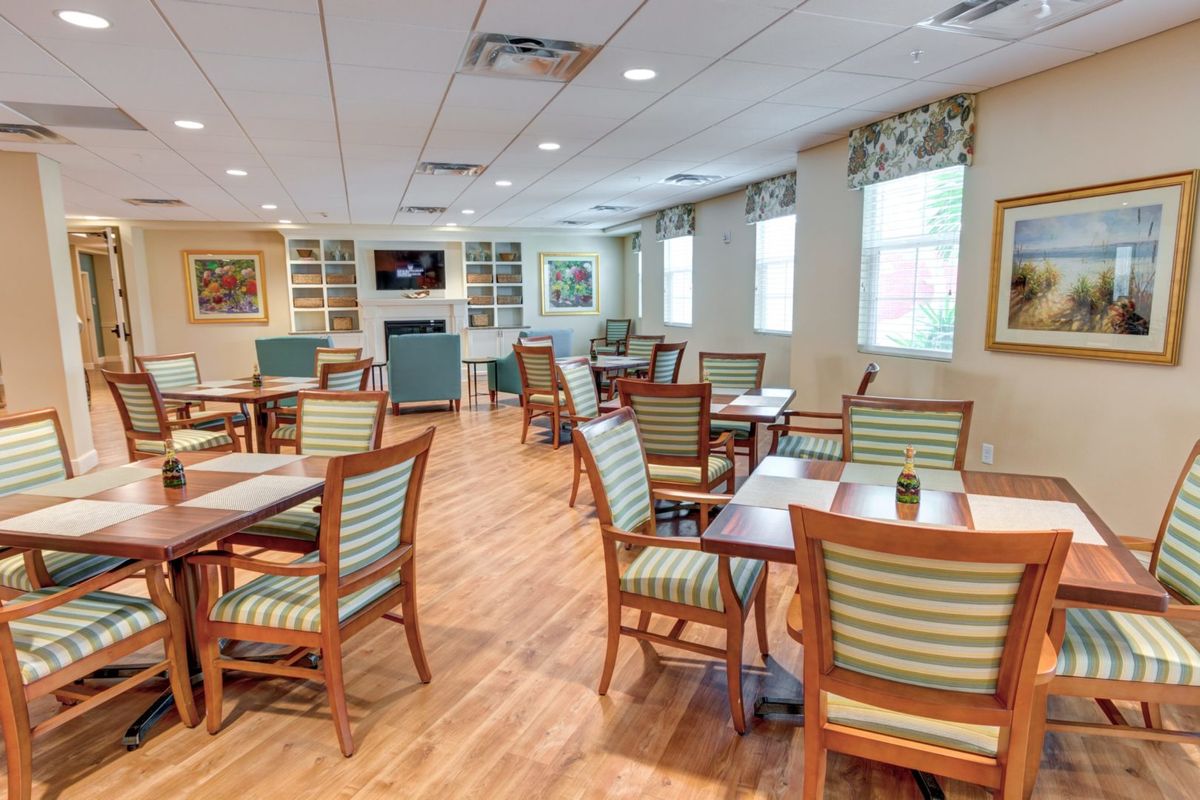
    An inviting dining area with wooden floors, multiple tables and chairs, and natural light streaming through the windows.
  • Dining

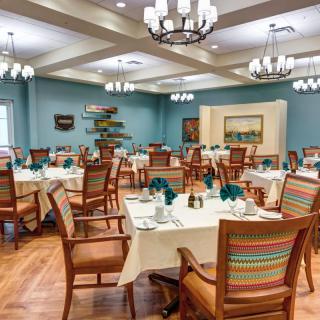
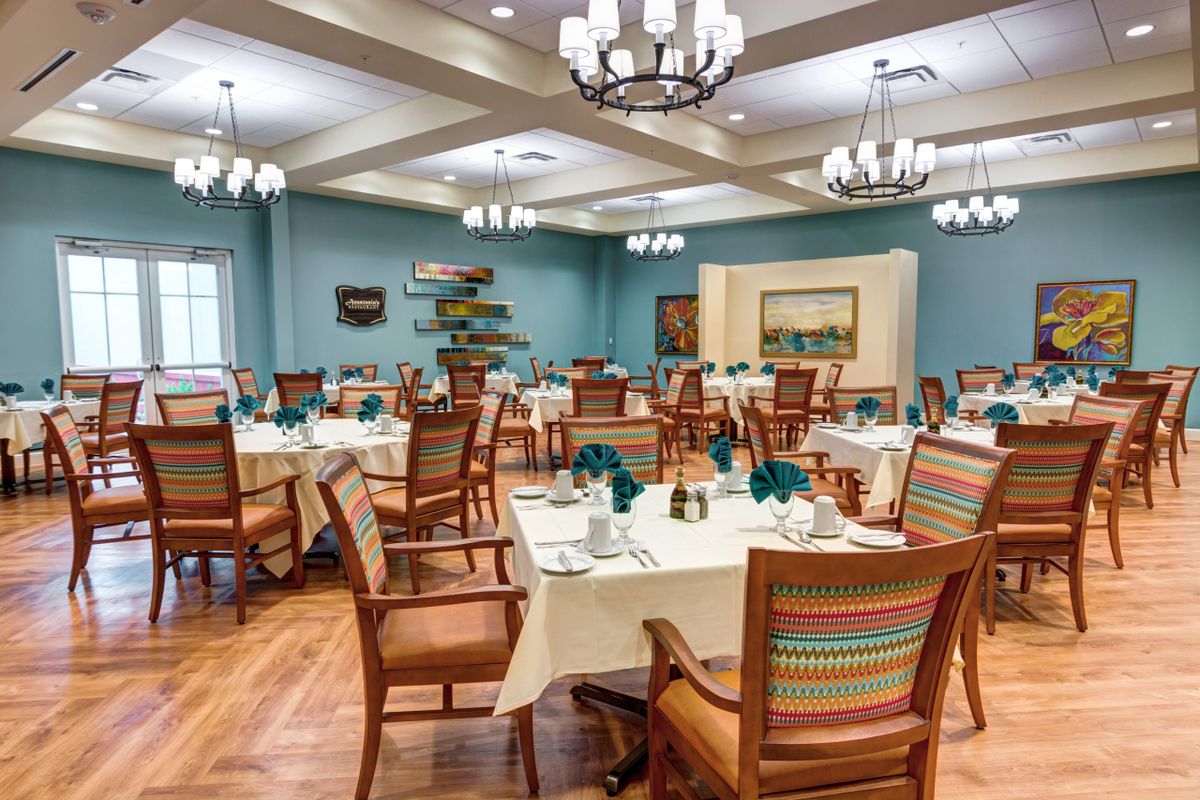
    A well-decorated dining room featuring elegantly set tables, wooden chairs with colorful cushions, and chandeliers overhead.
  • Landscaping

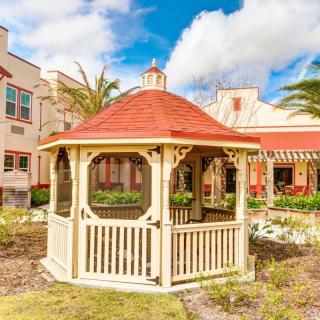
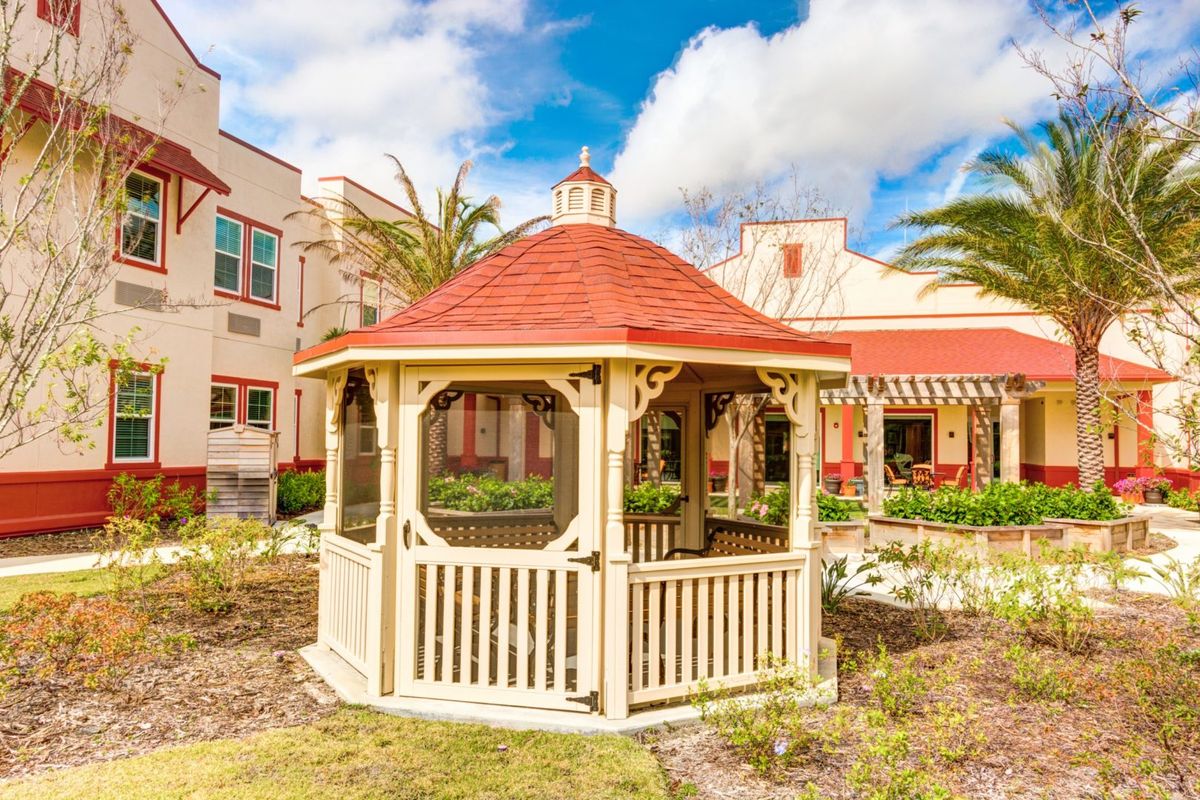
    A charming gazebo situated in a landscaped garden on a sunny day, with buildings in the background.
  • Kitchen

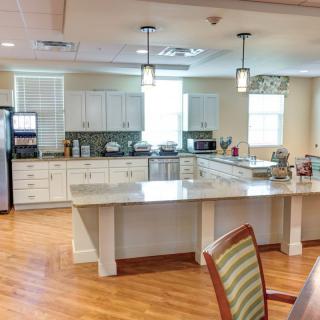
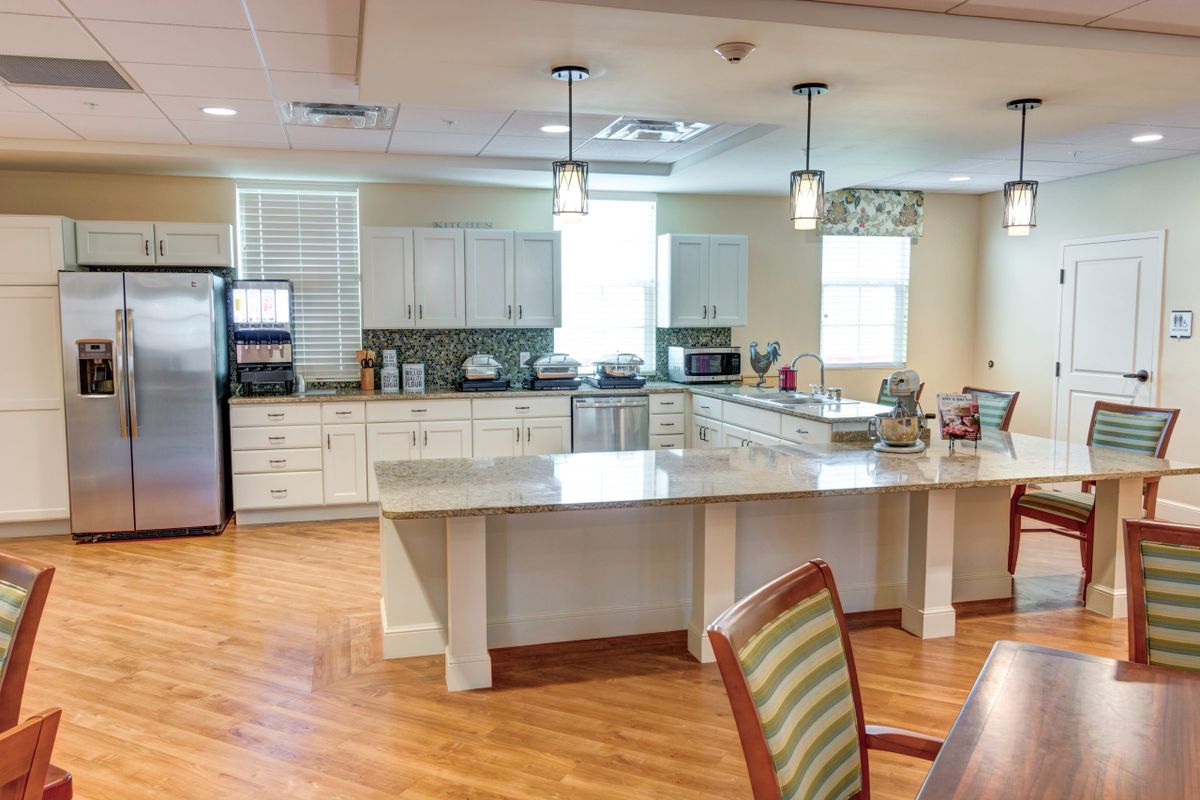
    A modern kitchen interior with white cabinets and a spacious countertop.
  • Garden

    A sunny patio area with a table and orange chairs, surrounded by a pergola and palm trees.
  • Natural Light

    A cozy bedroom with a neatly made bed, colorful pillows and blankets, a window allowing natural light, and a plant in the corner.

Symphony At Stuart

4900 South East Willoughby Boulevard, Stuart, FL 34997

For more information about senior living options: (844) 490-3973

4.7 from 119 reviews
5 stars
106
4 stars
4
3 stars
1
2 stars
2
1 stars
6

Assisted Living Memory Care Respite Care

What level of care are you interested in?

Assisted Living

Memory Care

Independent Living

Skilled Nursing Facility

Continuing Care Retirement Community (CCRC)CCRC

Other


Request a tour at Symphony At Stuart

    Overall Review of Symphony At Stuart

    Pros

    • pro The staff are consistently kind, attentive, and friendly.
    • pro The community feels like family, giving families peace of mind.
    • pro The facility is clean, beautifully designed, and well maintained.
    • pro Residents enjoy engaging daily activities and a vibrant social life.
    • pro The meals are delicious with a variety of options and attentive dining service.
    • pro Leadership is responsive, supportive, and committed to high-quality care.
    • pro Residents feel safe and well cared for, with 24/7 staff availability.
    • pro Memory care is well organized, with compassionate, knowledgeable staff.
    • pro Families highly recommend Symphony to others and appreciate the smooth transition and ongoing communication.
    • pro The community has earned recognition as best in senior living.

    Cons

    • pro Poor treatment can happen very easily in many places, and this facility is no exception.
    • pro During a visit, a resident couldn't exit the memory care unit for nearly an hour because no staff were available to assist.
    • pro There is often little to no staff present in the memory care unit, which is deeply concerning.
    • pro Frequent staff and management turnover adds to instability and suggests deeper systemic issues.
    • pro One reviewer would not recommend the memory care unit at Symphony to anyone.
    • pro A reviewer described the nursing staff as delinquents and the food as disgusting.
    • pro The facility was described as the worst place ever, with no staff and no compassion.
    • pro Memory care rent has nearly doubled while the quality of care declined.

    Review

    Symphony At Stuart is best suited for families who want a warm, home-like assisted living environment with a strong sense of community and a transparent path as needs evolve. It favors seniors who prize personal attention, daily engagement, and a campus that feels more like a small, intimate town than a clinical facility. The combination of well-maintained spaces, on-site dining by a skilled culinary team, and a robust slate of activities makes it ideal for residents who want to stay socially connected, while preserving independence on a secure, caregiver-supported footing. Families seeking a place with memory care on the same campus will find a streamlined transition option, not a relocation to a different building when care needs intensify.

    Those considering alternatives should note a few caveats. The memory care wing has drawn some concern among families about staffing levels and consistency, especially as needs rise or circumstances change. Price sensitivity is real for memory care residents, as some families report significant monthly increases. For families prioritizing the absolute lowest cost, or requiring a campus with very high nurse-to-resident ratios at all times, or one with a more expansive, resort-style footprint, other communities may present a better fit. Finally, while turnover happens in any senior living setting, noticeable churn in memory care can translate into uneven day-to-day experiences for residents who rely on stable, familiar caregivers.

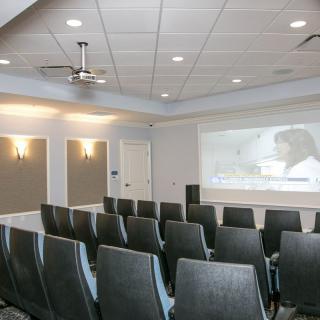
    The principal strengths of Symphony At Stuart lie in the people, the culture, and the practical conveniences that continually improve daily life. Staff members are repeatedly described as kind, attentive, and knowledgeable, with leadership that is accessible and engaged. The administration cultivates a family atmosphere where residents are known by name and treated with dignity, while the culinary team delivers high-quality meals that residents and visitors consistently praise. The campus itself is easy to navigate, clean, and aesthetically pleasing, with on-site amenities - basketball-free gym, salon, theater, bistro, library, and post office - supporting a well-rounded lifestyle. The ability to "move in place" as care escalates, plus a points-based pricing model that targets only the services needed, are meaningful advantages for families negotiating a complex budget.

    Yet the most legitimate concerns center on memory care, where reports of staffing shortages, turnover, and occasional delays have tempered otherwise widespread enthusiasm. A handful of reviews describe situations where residents did not receive timely attention or care, while others point to double-digit price jumps for memory care months after move-in. These voices are not the majority, but they are persuasive enough to counsel cautious due diligence. Prospective families should demand a clear staffing plan, ask for recent staff-to-resident ratios, request concrete medication management procedures, and probe the clock hours of direct caregiver presence in memory care versus supervisory or administrative coverage. In short, the pros are compelling, but the cons warrant careful verification before committing.

    For families weighing the decision, practical guidance can turn anxiety into confidence. Schedule detailed conversations with the Director of Nursing and the Executive Director; ask to speak with current memory care families about their experiences; request a recent activity calendar to see how engagement is structured for different levels of impairment. During tours, verify dining options, resident-to-staff proximity, and whether the campus truly supports independent living alongside memory care without constant moves. Confirm transportation offerings for appointments and shopping, and explore the social calendar to ensure there are meaningful, off-site opportunities that align with a loved one's interests. Above all, demand transparency about pricing changes and what triggers them, so the "points" system remains truly flexible.

    In the end, Symphony At Stuart stands out as a credible, high-quality choice for families seeking a caring, community-centered environment with strong leadership, excellent dining, and an integrated memory care path. It is particularly well-suited for residents who value a smaller, personable setting where staff know residents by name and respond with immediacy. The room to improve centers on memory care staffing consistency and the need to maintain predictable costs as care needs progress. For families comfortable with those realities, Symphony offers a practical, purpose-built home that balances independence with vigilant, compassionate support - and keeps the option open to grow together within the same campus as care evolves.

    Features

    Housing

    • 122 resident community capacity 122 resident community capacity

    Types of Care

    • Assisted Living Assisted LivingAssisted living facilities provide crucial support and care for seniors who may need help with daily tasks such as medication management, bathing, and meal preparation. These communities offer a safe and comfortable environment where seniors can maintain their independence while receiving the assistance they need to thrive in their golden years.
    • Memory Care Memory CareMemory care is crucial for seniors as it provides specialized support and services for individuals with dementia or Alzheimer's disease. These programs offer a safe and secure environment where residents receive personalized care, cognitive stimulation, and help with daily activities. Memory care helps seniors maintain their independence, quality of life, and dignity while also providing peace of mind for their families.
    • Respite Care Respite CareRespite care provides temporary relief for caregivers, allowing them to recharge and attend to their own needs. It also gives seniors the opportunity to socialize, receive professional care, and experience a change of scenery, promoting overall well-being and reducing feelings of isolation.

    Amenities

    • Air-conditioning Air-conditioningAir conditioning is important for seniors as they are more vulnerable to heat-related illnesses and may have underlying health conditions that make it difficult for them to regulate their body temperature. It helps to keep them comfortable, safe, and healthy in hot weather.
    • Beauty salon Beauty salonBeauty salons are important for seniors because they provide a space for them to feel pampered, socialize, and maintain their personal grooming and hygiene. Regular visits to a beauty salon can help boost seniors' self-esteem and overall well-being.
    • Cable or satellite TV Cable or satellite TVCable or satellite TV is important for seniors because it provides entertainment, news, and companionship, helping to combat loneliness and boredom. It also offers a wide range of programming options tailored to different interests and preferences.
    • Computer center Computer centerA computer center is essential for seniors as it provides access to technology, communication tools, and resources that can enhance their daily lives. It allows them to stay connected with loved ones, engage in online activities, and learn new skills, ultimately promoting socialization and mental stimulation.
    • Dining room Dining roomDining rooms are important for seniors as they provide a space for socialization, connection, and nutritious meals. They offer opportunities for residents to bond over shared meals, foster a sense of community, and promote healthy eating habits. Dining rooms also ensure that seniors have access to well-balanced meals tailored to their dietary needs and preferences.
    • Fitness room Fitness roomHaving a fitness room in a senior living community is essential for seniors to stay active, maintain their physical health, and improve their overall well-being. Regular exercise can help prevent falls, reduce the risk of chronic diseases, and promote mental sharpness. It also provides social opportunities for residents to connect with others and enjoy a sense of community.
    • Fully furnished Fully furnishedFully furnished senior living communities are important for seniors because they provide convenience, comfort, and a hassle-free moving experience. Seniors can easily settle into their new living space without the stress of having to buy and move furniture. This allows them to focus on enjoying their new home and community.
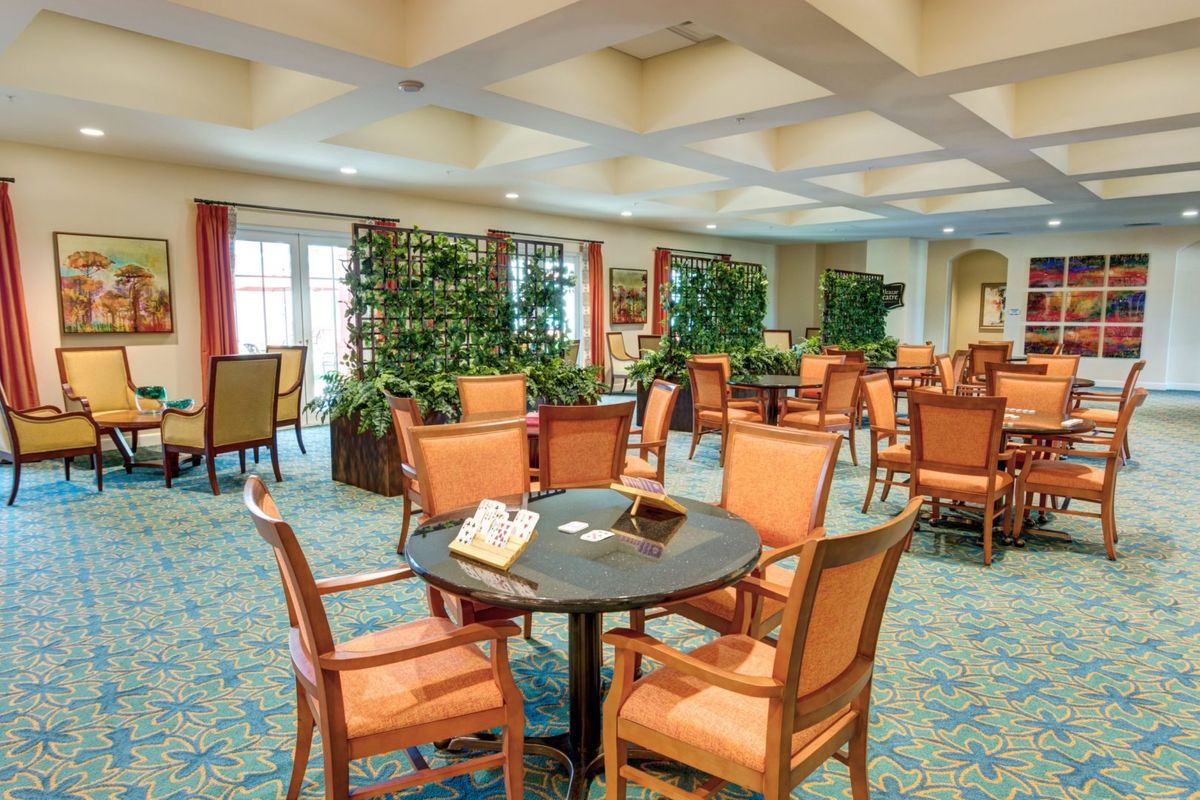
    • Gaming room Gaming roomGaming rooms are important for seniors as they provide a fun and engaging environment for socializing, cognitive stimulation, and physical activity. Games can improve memory, problem-solving skills, and overall mental well-being while fostering friendships and reducing feelings of isolation.
    • Garden GardenGardens are important for seniors as they provide a peaceful and therapeutic environment for relaxation, physical activity, and socialization. Being in nature has been shown to reduce stress, improve mood, and promote overall well-being. Gardens also offer opportunities for seniors to engage in gardening activities, which can improve mobility, flexibility, and cognitive function. Additionally, gardens create a sense of community and connection with others who share a passion for plants and outdoor spaces.
    • Housekeeping services Housekeeping servicesHousekeeping services are important for seniors because they help maintain a clean and safe living environment, promote independence, and reduce the risk of accidents or illnesses. Additionally, having assistance with household chores can alleviate physical strain and allow seniors to focus on other aspects of their well-being.
    • Kitchenette KitchenetteKitchenettes are important for seniors living in senior living communities because they provide the convenience and independence of being able to prepare simple meals and snacks in the comfort of their own living space. This can help promote a sense of autonomy and well-being for seniors, allowing them to maintain some level of control over their dietary choices and daily routines.
    • Move-in coordination Move-in coordinationMove-in coordination is important for seniors because it helps ease the transition into their new living environment. It ensures that all logistics, such as packing, organizing movers, and setting up utilities are taken care of, allowing seniors to focus on settling in and adjusting to their new home. Having a smooth move-in process can alleviate stress and anxiety, making the transition smoother and more enjoyable for seniors.
    • Outdoor space Outdoor spaceOutdoor spaces are important for seniors as they provide opportunities for physical activity, social interaction, exposure to natural light and fresh air, and a sense of connection to nature. Having access to outdoor spaces can improve overall well-being and quality of life for older adults living in senior communities.
    • Pet friendly Pet friendly"Pet friendly" senior living communities are important for seniors because pets provide companionship, reduce feelings of loneliness and depression, promote physical activity and mental stimulation, and offer a sense of purpose and responsibility. Pets can improve overall well-being and quality of life for seniors in many ways.
    • Private bathrooms Private bathroomsPrivate bathrooms are important for seniors in senior living communities because they provide independence, dignity, and comfort. Having a private bathroom allows seniors to maintain their personal hygiene routines without the need for assistance, promoting a sense of autonomy and privacy. Additionally, private bathrooms help prevent the spread of infections and provide a safe and clean environment for seniors to navigate safely.
    • Restaurant-style dining Restaurant-style diningRestaurant-style dining is important for seniors because it allows them to enjoy delicious, nutritious meals in a social and upscale setting. This enhances their dining experience, promotes healthy eating habits, and fosters socialization with fellow residents, ultimately contributing to their overall well-being and quality of life.
    • Small library Small librarySmall libraries are important for seniors as they provide access to a variety of reading materials, including books, newspapers, and magazines. This can help stimulate their minds, keep them engaged, and provide a sense of community through book clubs and other social activities. Additionally, reading has been shown to improve cognitive function and overall mental well-being in older adults.
    • Spa SpaSpas are important for seniors because they provide relaxation, stress relief, and therapeutic benefits which can improve their overall well-being and quality of life. Additionally, spa treatments such as massages, hydrotherapy, and aromatherapy can help alleviate common age-related ailments such as arthritis, joint pain, and circulation issues. Seniors deserve to enjoy a pampering experience that promotes physical and emotional wellness.
    • Telephone TelephoneTelephones are important for seniors as they provide a lifeline for communication with loved ones, emergency services, and healthcare providers. They offer a sense of security and independence, enabling seniors to stay connected and access assistance when needed.
    • Wellness center Wellness centerWellness centers are important for seniors because they offer a variety of programs and services that promote physical, mental, and emotional well-being. These centers provide opportunities for exercise, socialization, education, and relaxation, helping seniors maintain their overall health and quality of life.
    • Wi-Fi/high-speed internet available Wi-Fi/high-speed internet availableWi-Fi/high-speed internet is important for seniors to stay connected with loved ones, access online resources, and participate in virtual activities to combat feelings of loneliness and isolation. It also allows them to easily manage healthcare needs, access entertainment, and engage in lifelong learning opportunities.

    Transportation

    • Community operated transportation Community operated transportationCommunity operated transportation is crucial for seniors as it provides them with the means to access essential services, social activities, and medical appointments. It allows seniors to maintain their independence and quality of life by ensuring they can participate in activities outside of their homes. Additionally, community-operated transportation services offer a safe and reliable way for seniors to travel without having to rely on family or friends for assistance.
    • Transportation arrangement Transportation arrangementTransportation arrangements are crucial for seniors as they may face challenges with driving, mobility, or access to public transportation. Having reliable transportation services ensures that seniors can easily attend appointments, social activities, and maintain their independence and quality of life.
    • Transportation arrangement (non-medical) Transportation arrangement (non-medical)Transportation arrangements are essential for seniors as they provide access to essential services, activities, and social interactions outside the home. This service helps maintain independence, mobility, and overall well-being for seniors who may have limited transportation options.
    • Transportation to doctors appointments Transportation to doctors appointmentsTransportation to doctors appointments is crucial for seniors as it ensures they have access to necessary medical care and support, promoting their health and well-being. It allows them to receive timely treatment, monitor existing conditions, and address any new health concerns efficiently. Additionally, transportation services can help seniors maintain their independence and quality of life by enabling them to stay connected with their healthcare providers.

    Care Services

    • 12-16 hour nursing 12-16 hour nursing12-16 hour nursing care is crucial for seniors in order to ensure around-the-clock monitoring, timely medication administration, and prompt response to any health concerns or emergencies. This level of care helps to promote the overall well-being and safety of seniors living in senior living communities.
    • 24-hour call system 24-hour call system24-hour call systems are important for seniors because they provide peace of mind and immediate assistance in case of emergencies. This technology ensures that help is always available, promoting safety and security for elderly individuals living alone or in assisted living facilities.
    • 24-hour supervision 24-hour supervision24-hour supervision is important for seniors to ensure their safety, well-being, and access to immediate assistance in case of emergencies or health issues. This constant support provides peace of mind for both seniors and their loved ones, allowing them to age in place with dignity and security.
    • Activities of daily living assistance Activities of daily living assistanceActivities of daily living assistance are important for seniors because they provide essential support with tasks such as eating, bathing, dressing, and mobility. This assistance helps seniors maintain their independence, dignity, and overall quality of life as they age.
    • Assistance with bathing Assistance with bathingAssistance with bathing is crucial for seniors as it helps maintain personal hygiene, prevents infections, and ensures their overall well-being and comfort. It also provides a sense of dignity and independence for seniors who may struggle with this task on their own.
    • Assistance with dressing Assistance with dressingAssistance with dressing is important for seniors because it helps maintain their independence, promotes personal hygiene, prevents accidents and injuries, and improves overall quality of life. This service ensures that seniors can continue to dress comfortably and confidently, despite any physical limitations they may have.
    • Assistance with transfers Assistance with transfersAssistance with transfers is crucial for seniors as it helps prevent falls and injuries, maintains their independence, and ensures they can safely navigate their living environment. It also provides peace of mind for both seniors and their loved ones.
    • Coordination with health care providers Coordination with health care providersCoordination with health care providers is crucial for seniors to ensure proper medical care, medication management, and overall well-being. This collaboration helps prevent overlapping treatments, track progress more effectively, and provide comprehensive support tailored to individual needs.
    • Dementia waiver Dementia waiverDementia waivers are essential for seniors as they provide critical protections and accommodations for those experiencing cognitive decline. These waivers ensure individuals with dementia receive appropriate care, support, and resources to maintain their quality of life and dignity as they navigate the challenges of this progressive condition.
    • Diabetes diet Diabetes dietA diabetes diet is crucial for seniors as it helps manage blood sugar levels, reduce risks of complications, and improve overall health and well-being. By following a balanced and nutritious diet tailored to their specific needs, seniors can better control their diabetes and enhance their quality of life.
    • Hospice waiver Hospice waiverHospice waivers are important for seniors because they allow individuals to receive specialized end-of-life care and support at home or in a hospice facility. This waiver ensures that seniors can access the necessary resources and services to maintain comfort and dignity during their final days.
    • Meal preparation and service Meal preparation and serviceMeal preparation and service are crucial for seniors as they may have limited mobility or energy to cook nutritious meals. Having access to healthy and convenient food options can ensure they are getting the proper nutrition needed to maintain their overall health and well-being.
    • Medication management Medication managementMedication management is crucial for seniors to ensure they are taking the right medications at the correct dosages and times. This helps prevent adverse drug interactions, reduces the risk of medication errors, and promotes overall health and well-being. Proactive management also allows for adjustments as needed based on changing health conditions or new prescriptions.
    • Mental wellness program Mental wellness programMental wellness programs are essential for seniors as they promote cognitive stimulation, emotional support, and social engagement. These programs help prevent isolation, depression, and cognitive decline, ultimately enhancing the overall quality of life for older adults.
    • Mild cognitive impairment Mild cognitive impairment"Mild cognitive impairment" is important for seniors because it is an early stage of cognitive decline that can potentially progress to more severe conditions such as dementia. Recognizing and addressing mild cognitive impairment can help seniors receive appropriate care and support to maintain their quality of life and independence for as long as possible.
    • Special dietary restrictions Special dietary restrictionsSpecial dietary restrictions are important for seniors because age-related changes in metabolism and health conditions can make it difficult for their bodies to process certain foods. By following a diet tailored to their specific needs, seniors can maintain their overall health and well-being, manage chronic conditions, and reduce the risk of complications such as malnutrition or food interactions with medications.
    • Specialized memory care programming Specialized memory care programmingSpecialized memory care programming is crucial for seniors with cognitive impairments such as dementia or Alzheimer's disease. These programs provide a safe and supportive environment tailored to the unique needs of individuals with memory loss, helping them maintain their independence, dignity, and quality of life.
    • Transportation arrangement (medical) Transportation arrangement (medical)Transportation arrangements for medical purposes are essential for seniors as they may have difficulty driving themselves to appointments or accessing public transportation. Having reliable and safe transportation options ensures that seniors can receive timely medical care and maintain their health and well-being.
    • Transportation to doctors appointments Transportation to doctors appointmentsTransportation to doctors appointments is crucial for seniors as it ensures they have access to necessary medical care and support, promoting their health and well-being. It allows them to receive timely treatment, monitor existing conditions, and address any new health concerns efficiently. Additionally, transportation services can help seniors maintain their independence and quality of life by enabling them to stay connected with their healthcare providers.

    Dining

    • Diabetes diet Diabetes dietA diabetes diet is crucial for seniors as it helps manage blood sugar levels, reduce risks of complications, and improve overall health and well-being. By following a balanced and nutritious diet tailored to their specific needs, seniors can better control their diabetes and enhance their quality of life.
    • Special dietary restrictions Special dietary restrictionsSpecial dietary restrictions are important for seniors because age-related changes in metabolism and health conditions can make it difficult for their bodies to process certain foods. By following a diet tailored to their specific needs, seniors can maintain their overall health and well-being, manage chronic conditions, and reduce the risk of complications such as malnutrition or food interactions with medications.

    Activities

    • Community-sponsored activities Community-sponsored activitiesCommunity-sponsored activities are important for seniors as they provide opportunities for social interaction, mental stimulation, and physical activity. These activities can help improve overall well-being, combat loneliness and isolation, and promote a sense of belonging and purpose among older adults.
    • Concierge services Concierge servicesConcierge services are essential for seniors as they provide assistance with daily tasks and errands, enhance their quality of life by offering convenience and personalized care, and promote a sense of safety and security.
    • Fitness programs Fitness programsFitness programs are crucial for seniors as they help improve strength, flexibility, balance, and overall well-being. Staying active can reduce the risk of chronic diseases, improve mental health, and enhance quality of life in older adults.
    • Planned day trips Planned day tripsPlanned day trips are important for seniors because they offer opportunities for socialization, mental stimulation, and physical activity. They provide a change of scenery and help seniors stay engaged and connected to their community, promoting overall well-being and quality of life.
    • Resident-run activities Resident-run activitiesResident-run activities are important for seniors as they encourage social interaction, creativity, and a sense of autonomy. These activities empower seniors to stay engaged and active in their community while fostering meaningful connections with their peers.
    • Scheduled daily activities Scheduled daily activitiesScheduled daily activities are important for seniors because they provide structure, socialization, mental stimulation, and physical activity. Engaging in regular activities can improve overall well-being and quality of life for seniors living in a community setting.

    Description

    Symphony At Stuart in Stuart, FL is an assisted living community that offers personalized care and a comforting environment for seniors. With a focus on memory care and respite care, they ensure that individuals with unique needs are well taken care of.

    The community provides an array of amenities to enhance the residents' quality of life. A beauty salon is available for grooming and pampering services, while cable or satellite TV keeps them entertained. Community-operated transportation is provided for outings, and a computer center allows residents to stay connected with loved ones. A dining room serves restaurant-style meals, and a fitness room promotes physical well-being. The fully furnished apartments offer privacy, while the gaming room provides social opportunities. A beautiful garden and outdoor space are perfect for relaxation, and housekeeping services ensure cleanliness. Other amenities include a kitchenette, small library, spa facilities, telephone service, move-in coordination assistance, Wi-Fi/high-speed internet, and pet-friendly accommodations.

    Care services at Symphony At Stuart are provided round-the-clock to meet various needs. A 24-hour call system ensures immediate assistance if required. Trained staff provide supervision and assist residents with activities of daily living such as bathing, dressing, and transfers. The community works closely with health care providers for coordinated care. Special dietary restrictions are accommodated with diabetes and hospice waivers available as needed.

    Residents can enjoy a variety of activities designed to promote well-being and social interaction. Concierge services cater to personal requests while fitness programs encourage physical activity. Planned day trips allow exploration outside the community, resident-run activities foster engagement among peers, and scheduled daily activities keep residents entertained.

    Located in close proximity to cafes, parks, pharmacies, physicians' offices, restaurants, transportation options, places of worship,and hospitals; Symphony At Stuart offers convenience and easy access to essential amenities outside the community.

    Overall Symphony At Stuart provides a welcoming environment where seniors receive personalized care tailored to their needs while enjoying a range of amenities and engaging in activities that enhance their quality of life.

    Nearby Places of Interest

    Physicians

    • Cleveland Clinic Imaging (1 miles)
    • Florida Orthopaedic Specialists (1.1 miles)
    • Stuart Family Practice Center (1.1 miles)
    • VA Clinic (1.2 miles)
    • Dr Weisburg Family Practice (1.2 miles)
    • Dr Taub (1.2 miles)
    • Stuart Primary Care Services of Jupiter Medical Specialists (1.7 miles)

    Hospitals

    • Martin Memorial South Hospital (1 miles)
    • Martin Memorial Health Systems (1.1 miles)
    • Martin Diagnostic Imaging Service (1.1 miles)
    • Healthsouth Rehabilitation Hospital At Martin Health (1.2 miles)

    Restaurants

    • South Fork Kitchen & Bar (1.1 miles)
    • McDonald's (1.2 miles)
    • Taco Bell (1.3 miles)
    • Checkers (1.3 miles)
    • Classic Jamaican Jerk Stop (1.5 miles)
    • Chick-Fil-A (1.6 miles)
    • Southern Pig & Cattle (1.9 miles)

    Places of Worship

    • Celebrate Recovery Ministry At The Grace Place Community Church (1.1 miles)
    • First United Methodist Church (3 miles)
    • Church of Jesus Christ of Latter Day Saints (3.3 miles)

    Pharmacies

    • RX To You Pharmacy (1.3 miles)
    • Wedgewood Commons (1.3 miles)
    • Walgreens (1.4 miles)
    • CVS Pharmacy (1.5 miles)
    • Winn-Dixie (1.5 miles)
    • Walgreens (1.9 miles)
    • Walgreens (1.9 miles)

    Cafes

    • Starbucks (1.9 miles)
    • Starbucks (2.1 miles)

    Transportation

    • Enterprise Rent-A-Car (2.3 miles)
    • Witham Field (2.5 miles)

    Parks

    • Sandsprit Park (2.8 miles)
    • Halpatiokee Regional Park (2.8 miles)

    Frequently Asked Questions

    Where is Symphony At Stuart?
    Does Symphony At Stuart provide care for residents with dementia or Alzheimer's disease?
    What photos are available for Symphony At Stuart in Stuart, Florida?

    Nearby Communities

    • Symphony at Stuart

      Symphony at Stuart

      Stuart, FL

      4.7 from 186 reviews
      $3,790 to $5,320 / month

      pro Warm, community-focused environment with caring staff and engaging activities.

    • Maples Leaf Assisted Living Facility At Fisherman's Cove

      Maples Leaf Assisted Living Facility At Fisherman's Cove

      Stuart, FL

      4.6 from 66 reviews
       

      pro Personalized care in a warm, garden-friendly setting with convenient access to health services and dining options.

    • Maple Leaf Assisted Living

      Maple Leaf Assisted Living

      Stuart, FL


      pro Strong emphasis on spiritual well-being, diabetic care, and social engagement in Stuart.

    • YourLife of Stuart

      YourLife of Stuart

      Stuart, FL

      4.6 from 84 reviews
       

      pro Comprehensive memory-care with 24/7 supervision and extensive amenities.

    • Inspiritas of Stuart

      Inspiritas of Stuart

      Stuart, FL

      4.7 from 121 reviews
      $4,490 to $7,155 / month

      pro Beautiful, well-maintained memory care community with compassionate staff and engaging dining/activities.

    • Martin Nursing And Rehabilitation

      Martin Nursing And Rehabilitation

      Stuart, FL


      pro Extensive on-site amenities and 24/7 care with private furnished apartments.

    • Grand Oaks of Palm City

      Grand Oaks of Palm City

      Palm City, FL

      4.4 from 29 reviews
      $3,885 to $7,140 / month

      pro Personalized memory-care focus with attentive staff, high-quality meals, and clean, welcoming spaces.

    • The Cabana at Jensen Dunes

      The Cabana at Jensen Dunes

      Jensen Beach, FL

      4.4 from 118 reviews
      $4,565 to $6,490 / month

      pro Beautiful, well-maintained campus with engaging activities and friendly staff.

    • Paradise Care Cottage

      Paradise Care Cottage

      Port Saint Lucie, FL

      3.2 from 15 reviews
      $2,500 to $3,000 / month

      pro Friendly staff, clean apartments, and active programs with meals.

    Related Resources

    • list of drugs linked to dementiaA Thorough Discussion of Medications Potentially Linked to Dementia Risk

      Dementia, influenced by aging and certain medications, may be exacerbated by drug classes such as anticholinergics, benzodiazepines, and antipsychotics, which are associated with cognitive impairment. Regular medication reviews by healthcare professionals are crucial for older adults to manage risks and optimize cognitive health.

    • do dementia patients sleep a lotWhy Do Dementia Patients Sleep So Much? Understanding Oversleeping, Stages, and Care Approaches

      Dementia often results in disrupted sleep patterns, leading to excessive daytime sleeping due to factors like brain damage affecting circadian rhythms, medication side effects, and lack of structure in daily activities. Caregivers must monitor these changes closely, as oversleeping can increase risks such as malnutrition or dehydration, and provide necessary support and routines to enhance patient engagement and well-being.

    • when to move from assisted living to nursing home8 Key Indicators That Suggest It May Be Time to Transition from Assisted Living to Skilled Nursing Care
      The transition from assisted living to skilled nursing care is often prompted by complex medical needs that assisted living cannot meet, with key indicators including frequent health declines, increased falls, severe memory issues, and caregiver burnout. Families should recognize these signs early to discuss options with healthcare providers and prepare for the emotional and logistical aspects of moving to a facility that offers comprehensive medical support.


    Get Pricing Ask A Question Schedule A Tour Contact Senior Advisor