For more information about senior living options: (866) 208-4318
4.3 from 49 reviews
5 stars
40
4 stars
1
3 stars
0
2 stars
0
1 stars
8
Overall Review of HarborChase Of Stuart
differentiator6 reviews mention this
Memory care gets daily engagement
Residents in memory care describe steady engagement throughout the day.
Multiple reviews say memory care stays busy with structured activities and frequent opportunities to interact, not just pass time. Several family members also mention one-on-one attention and a team that engages residents in ways that feel personal. A few residents describe enjoying the activities and feeling more connected after moving in.
common22 reviews mention this
Care teams feel kind and involved
Many reviewers say the staff is kind, responsive, and consistently engaged.
Across reviews, families repeatedly describe caregivers and leadership as patient, caring, and easy to talk with. Several reviewers mention staff remembering preferences and taking time to chat, which helped them feel more comfortable and informed. A few also describe fast communication when conditions changed and support with care decisions.
common4 reviews mention this
Dining is a frequent bright spot
Food quality and dining experience come up positively in reviews.
Some residents and families highlight the food as delicious and emphasize variety. Others credit meal service and overall dining experience as part of what made the transition feel better. The community also offers restaurant-style dining and supports special diets as part of its dining setup.
caveat4 reviews mention this
Communication and responsiveness vary
Some reviewers report delays or breakdowns when help is needed.
While many families praise responsiveness, a handful of negative reviews describe situations where assistance did not arrive quickly enough or where expectations were not met. One reviewer cites being understaffed when more attention was needed, and another describes a care experience that they felt was not aligned with what was promised. These accounts suggest that day-to-day support may feel inconsistent depending on circumstances.
caveat3 reviews mention this
Costs and billing can feel steep
Multiple reviews raise concerns about charges and add-ons.
Several negative reviews focus on the cost structure after care needs increased, including requests for additional fees. One reviewer describes rising charges for medication help and basic care support, and another recounts a billing issue they say took months to resolve. Another negative account also mentions extra monthly cost tied to nursing support needs.
common2 reviews mention this
Tours and leadership support can help
Reviewers describe leadership that helps families during transitions.
At least a couple of reviews mention directors stepping out beyond office work and checking in with residents and families. Others describe smooth moves with ongoing updates, including memory care communication. One buyer-experience review also credits sales and the transition process as a reason they chose the community.
How we summarize
Counts show how many written reviews mention each theme; a review can touch several themes, and only frequently mentioned themes are displayed.
Features
Housing
175 resident community capacity
Types of Care
Assisted Living
Memory Care
Amenities
Air-conditioning
Beauty salon
Cable or satellite TV
Cafe
Computer center
Continuing learning programs
Dining room
Family education and support services
Family private dining rooms
Fitness room
Fully furnished
Gaming room
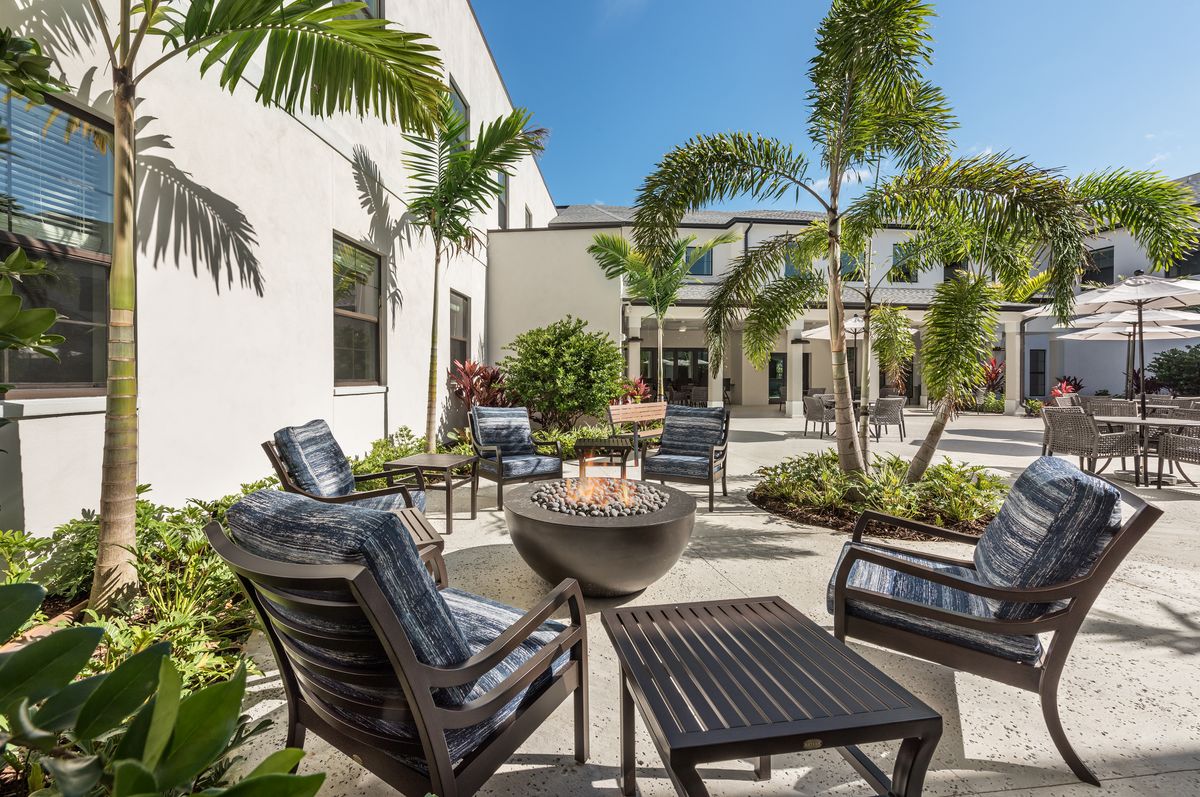
Garden
Housekeeping services
Kitchenette
Located close to restaurants
Located close to shopping centers
Move-in coordination
Organic food and ingredients
Outdoor patio
Outdoor space
Pet friendly
Private bathrooms
Religious/meditation center
Restaurant-style dining
Small library
Telephone
Wellness center
Wi-Fi/high-speed internet available
Transportation
Community operated transportation
Transportation arrangement
Transportation arrangement (non-medical)
Care Services
12-16 hour nursing
24-hour call system
24-hour nursing
24-hour supervision
Accept incoming residents on hospice
Activities of daily living assistance
Administer insulin injections
Assistance with bathing
Assistance with dressing
Assistance with transfers
Care with behavioral issues
Coordination with health care providers
Dementia waiver
Diabetes diet
Diabetic care
Hospice waiver
Meal preparation and service
Medication management
Mental wellness program
Mild cognitive impairment
Physical therapy
Preventative health screenings
Rehabilitation program
Respite program
Same day assessments
Special dietary restrictions
Specialized memory care programming
Transportation arrangement (medical)
Transportation to doctors appointments
Dining
Diabetes diet
Special dietary restrictions
Activities
Community-sponsored activities
Concierge services
Fitness programs
Planned day trips
Resident-run activities
Scheduled daily activities
Videos
Nearby Places of Interest
Physicians
Ahner Neil A MD (0.1 miles)
Dr Charles E. Ahner, MD (0.7 miles)
P Dudley Giles MD PA (1.4 miles)
Giles P Dudley MD - Adler Giles Cosmetic Surgery Specialist (1.4 miles)
Adler Facial Plastic Surgery (1.4 miles)
Mens Health Specialists (1.4 miles)
Madrigal Hoyos, Erika Cleveland Clinic Martin Gastroenterology (1.4 miles)
Restaurants
Uncle Giuseppe's Lil' Bit A Brooklyn (0.1 miles)
Hudsons On The River (0.9 miles)
Mulligan's Beach House Bar & Grill Stuart (1 miles)
Stuart Boathouse (1.1 miles)
Casa Bella (1.1 miles)
Sneaki Tiki (1.2 miles)
Osceola Street Cafe (1.2 miles)
Cafes
The Googan Coffee Shop (1 miles)
Gilbert's Coffee Bar (1 miles)
Starbucks (1.6 miles)
Starbucks (3 miles)
Starbucks (3.6 miles)
Places of Worship
First United Methodist Church (2 miles)
Church of Jesus Christ of Latter Day Saints (2.8 miles)
HarborChase of Stuart offers an array of tailored features that significantly enhance the quality of life for residents experiencing mild to advanced stages of dementia or Alzheimer's disease. The 24-hour supervision ensures constant safety and support, which is crucial for individuals who may be prone to wandering or disorientation. Assistance with activities of daily living, including bathing, dressing, and transfers, fosters independence while providing necessary help that respects each resident's dignity. Care for behavioral issues addresses specific challenges associated with dementia, creating a nurturing environment where residents feel understood and secure. Coordination with healthcare providers ensures comprehensive care management, while the dementia waiver effectively navigates financial barriers to access essential services. Nutritionally balanced meal preparation and service cater to dietary needs and preferences, promoting both physical health and social interaction during mealtimes. Medication management prevents complications from missed doses and promotes adherence to prescribed regimens. Mental wellness programs support cognitive engagement through stimulating activities designed for residents at various stages of cognitive decline. Physical therapy aids in maintaining mobility and strength, contributing to overall well-being. Specialized memory care programming focuses on enhancing cognitive function using proven strategies tailored to individual needs. Lastly, transportation arrangements ensure residents can access medical appointments without stress or confusion, further supporting their holistic care journey.
Nearby Communities
The Residence Of Stuart
Stuart, FL
4.4 from 7 reviews
Personalized care with 24-hour supervision and ADL support.
The Sovana at Stuart
Stuart, FL
4.8 from 47 reviews
$1,947 to $2,184 / month
Friendly staff, active programs, spacious apartments, and convenient amenities (gym, pool, transit).
VIP America Home Health Care, LLC - Stuart
Stuart, FL
4.7 from 36 reviews
Compassionate, capable caregivers with strong local resource knowledge and reliable support.
HarborChase of Stuart
Stuart, FL
4.1 from 84 reviews
$5,395 to $6,995 / month
Friendly, attentive staff and engaging activities in a clean, well-maintained setting.
Absolute Care Services, Inc
Stuart, FL
4.9 from 45 reviews
Caring, professional staff with responsive caregivers.
HarborChase of Stuart
Stuart, FL
4.3 from 49 reviews
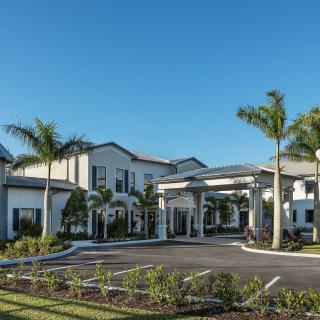
Fully furnished apartments with restaurant-style dining and 24-hour supervision
The Cabana at Jensen Dunes
Jensen Beach, FL
4.5 from 125 reviews
$4,565 to $6,490 / month
Beautiful, well-maintained campus with engaging activities and friendly staff.
Grand Oaks of Palm City
Palm City, FL
4.3 from 31 reviews
$3,885 to $7,140 / month
Personalized memory-care focus with attentive staff, high-quality meals, and clean, welcoming spaces.
Paradise Care Cottage
Port Saint Lucie, FL
3.2 from 15 reviews
$2,500 to $3,000 / month
Friendly staff, clean apartments, and active programs with meals.
Dementia, influenced by aging and certain medications, may be exacerbated by drug classes such as anticholinergics, benzodiazepines, and antipsychotics, which are associated with cognitive impairment. Regular medication reviews by healthcare professionals are crucial for older adults to manage risks and optimize cognitive health.
Dementia often results in disrupted sleep patterns, leading to excessive daytime sleeping due to factors like brain damage affecting circadian rhythms, medication side effects, and lack of structure in daily activities. Caregivers must monitor these changes closely, as oversleeping can increase risks such as malnutrition or dehydration, and provide necessary support and routines to enhance patient engagement and well-being.
The transition from assisted living to skilled nursing care is often prompted by complex medical needs that assisted living cannot meet, with key indicators including frequent health declines, increased falls, severe memory issues, and caregiver burnout. Families should recognize these signs early to discuss options with healthcare providers and prepare for the emotional and logistical aspects of moving to a facility that offers comprehensive medical support.
Interior, Chandelier, Fireplace, Lobby, and Open Space
Get PricingAsk A QuestionSchedule A TourContact Senior Advisor
By clicking submit, you agree to our Partner's Terms of Use. You
also consent to receive calls and texts, which may be autodialed, from our Partner. Your consent is not a condition to
using our Partner's service. Please visit our Partner's Privacy Policy for information about their privacy practices.


 175 resident community capacity
 Assisted Living
 Memory Care
 Air-conditioning
 Beauty salon
 Cable or satellite TV
 Cafe
Cafe Computer center
 Continuing learning programs
 Dining room
 Family education and support services
 Fitness room
 Fully furnished
 Gaming room
 Garden
 Housekeeping services
 Kitchenette
 Located close to restaurants
 Located close to shopping centers
 Move-in coordination
 Organic food and ingredients
 Outdoor patio
 Outdoor space
 Pet friendly
 Private bathrooms
 Religious/meditation center
 Small library
 Telephone
 Wellness center
 Wi-Fi/high-speed internet available
 Community operated transportation
 12-16 hour nursing
 24-hour call system
 Accept incoming residents on hospice
 Activities of daily living assistance
 Administer insulin injections
 Assistance with bathing
 Assistance with dressing
 Assistance with transfers
 Care with behavioral issues
 Diabetes diet
 Medication management
 Mental wellness program
 Physical therapy
 Preventative health screenings
 Respite program
 Same day assessments
 Special dietary restrictions
 Transportation arrangement (medical)
 Concierge services
 Planned day trips
 Personalized care with 24-hour supervision and ADL support.

 A Thorough Discussion of Medications Potentially Linked to Dementia Risk
 Why Do Dementia Patients Sleep So Much? Understanding Oversleeping, Stages, and Care Approaches
 8 Key Indicators That Suggest It May Be Time to Transition from Assisted Living to Skilled Nursing Care