
1809 18th St, Sarasota, FL 34234
To contact a resident: (941) 906-9217
For more information about senior living options: (866) 208-4318
The Meadows of Sarasota Costs & Pricing
The Meadows of Sarasota offers a competitively priced selection of accommodations, making it an appealing choice for those seeking quality living in Florida. For instance, their studio apartments are available at $2,500 per month, significantly lower than the Sarasota County average of $4,040 and the state average of $3,823. Similarly, one-bedroom units at The Meadows are priced at $2,800, which is more affordable compared to the county's rate of $4,288 and Florida's average of $3,864. The value continues with two-bedroom options at $3,300 monthly - again undercutting both county costs ($4,863) and state averages ($4,711). These figures highlight The Meadows as an excellent option for residents looking for affordability without compromising on comfort or location in this vibrant community.
| Floor plans | The Meadows of Sarasota | Sarasota County | Florida |
|---|---|---|---|
| Studio | $2,500 | $4,040 | $3,823 |
| 1 Bedroom | $2,800 | $4,288 | $3,864 |
| 2 Bedrooms | $3,300 | $4,863 | $4,711 |
Assisted Living communities with a similar price nearby
-
from +$95 / mo
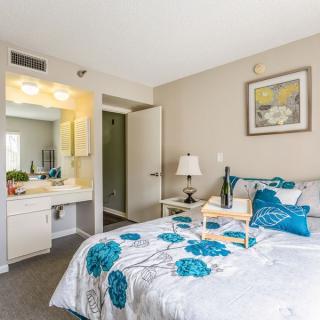
Grand Villa of Sarasota
$2,595 to $4,695 / month1.7 miles away -
About the same
Ashton Place
$2,500 to $3,200 / month6.0 miles away -
from +$300 / mo

A Banyan Residence
$2,800 to $5,400 / month19.8 miles away -
About the same

The Fountains at Lake Pointe Woods
$2,495 to $3,395 / month8.3 miles away -
from +$100 / mo
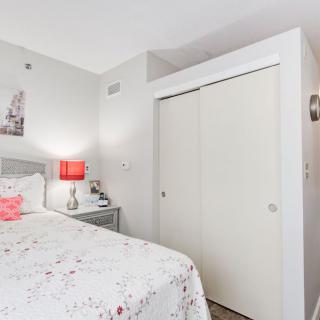
Truewood By Merrill, Venice
$2,600 to $3,750 / month20.7 miles away
Overall Review of The Meadows of Sarasota
Pros
 They commend the staff for their kindness and compassion toward residents.
- They would recommend this community to other families based on their experience so far.
Cons
 They urged others not to place a loved one there, claiming proper care would not be provided.
- They described the staff as phony people running the place.
- They alleged that repeatedly people stole all their sister's clothes.
- They claimed the facility did not monitor their sister's blood pressure, which led to a ruptured aorta.
- They noted a long hospital stay (two months in ICU, two months overall) and that their sister is now in long-term care, with mental state worse than before.
- They stated that the facility only wants money and does not care for residents.
Review
The Meadows of Sarasota is best suited for seniors who prize a warm, person-centered atmosphere and can thrive in a smaller, more home-like setting. Families seeking daily interactions that feel genuine and compassionate, with caregivers who prioritize relationship-building over clinical rigidity, will likely find value here. The community appears to offer approachable staff and a sense of accessibility that can ease the transition for residents who are relatively independent or require light assistance rather than intensive medical management. For those demanding high-tech monitoring, aggressive clinical protocols, or hospital-like routines, this might not be the right fit. In short, the strongest case for The Meadows is made by its emphasis on kindness and personal connection rather than formal medical precision.
On the other hand, those with substantial medical needs or safety concerns should actively explore alternatives. The most troubling feedback points to potential gaps in safety and oversight: belongings reportedly go missing, and there are warnings about insufficient monitoring of vital signs, with serious health consequences cited. For families whose loved ones require vigilant blood pressure management, rapid medical escalation, or robust security measures, a community with a proven, transparent clinical track record is likely a better match. Residents who rely on strong memory-care protocols, 24/7 nursing supervision, or tight incident-response systems may find this setting inadequate. The prudent conclusion is that safety, security, and clear clinical accountability are non-negotiable for many seniors.
The primary merit here is genuine kindness. Staff warmth and genuine compassion can translate into a calmer daily rhythm, improved comfort, and a sense that residents are seen as individuals rather than diagnoses. This humane approach can ease transitions, reduce anxiety, and foster social engagement, benefits that many families will value deeply when choosing a place to call home. Where warmth is consistent, it can materially improve daily quality of life and daily satisfaction, creating a foundation of trust and belonging. Yet warmth, powerful as it is, cannot replace the reliability of medical oversight, clear care plans, and dependable monitoring, areas that become the decisive tests when health changes occur.
The negative experience described raises serious red flags that cannot be dismissed. Allegations of stolen clothing hint at security vulnerabilities that undermine trust, while claims of neglected blood pressure monitoring culminating in a life-threatening event cast doubt on the quality and immediacy of clinical responses. Such contrasts, perceived sincerity and warmth on one hand, and accountability gaps on the other, create a troubling dichotomy. The suggestion that care is financially driven or that candor is lacking further erodes confidence. For families, these concerns mean that any tour or assessment must focus relentlessly on everyday routines, incident reporting, and the mechanisms by which staff respond to health changes and protect resident belongings.
Pros offset the cons only to a degree, and the balance heavily favors caution for anyone prioritizing medical certainty. The emotional and social benefits of kindness are meaningful but cannot compensate for inconsistent vital-sign surveillance, incomplete incident handling, or unclear lines of accountability. Prospective residents should demand transparency: request to review recent incident logs, speak with the nurse manager, and observe staff interactions during several shift changes. A defined trial period with measurable health and safety benchmarks can help determine whether the warmth can be sustained alongside dependable care. If these checks come back solid, the community’s humane environment becomes a compelling complement to decent care. If not, alternatives with stronger clinical safeguards should be pursued.
Bottom line: The Meadows of Sarasota presents a viable option for seniors who value a welcoming, human-centered daily experience and can manage with moderate medical oversight. For residents with higher medical acuity, unstable health, or heightened concerns about security and accountability, this community warrants extra scrutiny or even a pivot to other choices. The Sarasota area offers a range of assisted-living options; the prudent path is to compare facilities that demonstrate robust [vital signs monitoring], transparent incident handling, and clear, verifiable staff supervision across all shifts. When a warm, respectful day-to-day environment is the priority, this community delivers promise; when the priority shifts to ironclad medical safety and measurable, consistently reliable care outcomes, it is wise to keep exploring until a stronger match is found.
 Assisted Living
 Independent Living
 Activities on-site
 Devotional services off-site
 Indoor common areas
 Sarasota Bradenton International (3 miles away)
 Ambulatory care
 Diabetic care
 Meals provided
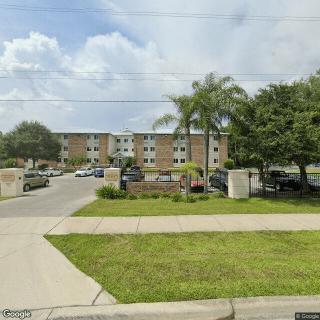
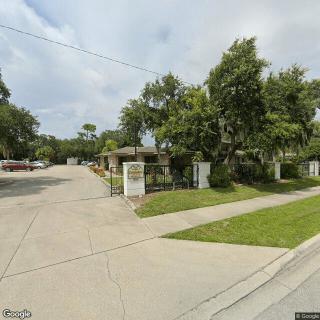
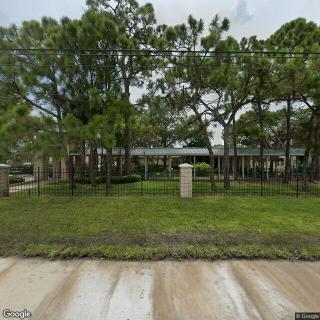

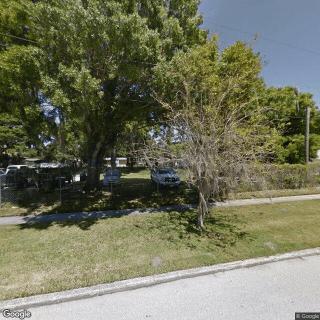
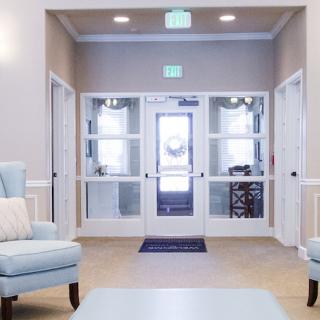
 Comprehensive Supportive Living Arrangements for Adults with Disabilities
 Funding and Affording Assisted Living: A Thorough Overview
 Assisted Living Expenses and Long-Term Care Insurance: A Comprehensive Exploration