
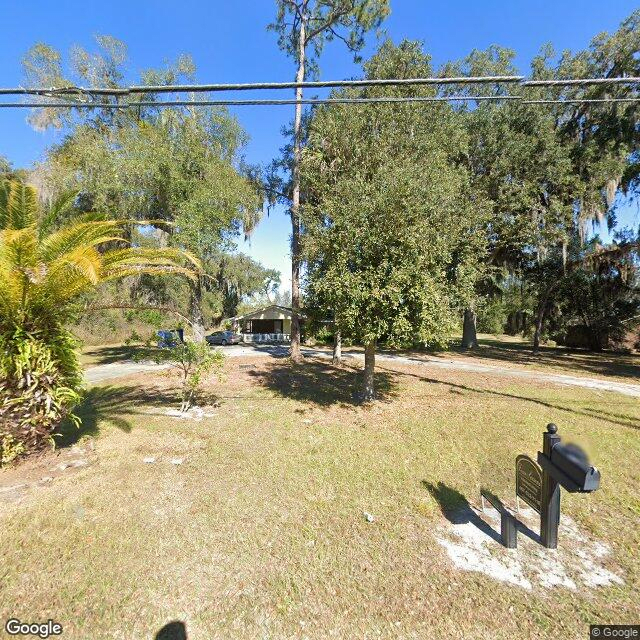
5080 Wayside Dr, Sanford, FL 32771
To contact a resident: (407) 322-7118
For more information about senior living options: (866) 208-4318
Four Seasons ALF Costs & Pricing
Four Seasons ALF offers competitive pricing for its residents compared to the average costs in Seminole County and across Florida. For a semi-private room, the monthly rate at Four Seasons is $3,283, which is notably lower than the county average of $3,524 and slightly above the state average of $3,009. When it comes to private accommodations, Four Seasons charges $3,939, which is on par with the county's cost of $3,953 but higher than the statewide rate of $3,699. Studio apartments at Four Seasons are priced at $4,267, which exceeds both Seminole County's average of $4,030 and Florida's average of $3,823. Overall, while some room types may be priced higher than regional averages, Four Seasons ALF maintains a reasonable range that offers value for quality care and living arrangements in this vibrant community.
| Floor plans | Four Seasons ALF | Seminole County | Florida |
|---|---|---|---|
| Semi-Private | $3,283 | $3,524 | $3,009 |
| Private | $3,939 | $3,953 | $3,699 |
| Studio | $4,267 | $4,030 | $3,823 |
Overall Review of Four Seasons ALF
Pros
 The staff at Four Seasons ALF treats residents like family.
- The care at Four Seasons ALF is superior to other ALF facilities.
- From the moment one steps through the door, the place feels like home.
- The aroma of dinner cooking adds to the homey atmosphere.
Review
Four Seasons ALF in Sanford is best suited for seniors who want a genuinely warm, home-like setting where caregivers form real, lasting relationships with residents. This community shines for families seeking intimacy over institutions: a smaller, person-centered environment where staff treat residents like family, not simply as clients. Residents who value daily companionship, predictable routines, and meals that feel prepared with care will thrive here. The sense of belonging is palpable from the moment entering the doors, a factor that smooths transitions for new residents and supports ongoing emotional well-being.
Those weighing alternatives should consider residents who need more intensive medical oversight, complex nursing needs, or specialized memory-care programs. A 3-star feedback note among the overall positive reviews signals that, while the experience is strong for many, not every resident or family will perceive the same level of satisfaction. For families prioritizing a wider activity calendar, advanced rehab options, or highly structured clinical services, exploring facilities with broader medical staffing, larger campuses, or dedicated memory-care wings may be prudent.
The standout pros center on relational care and a welcoming atmosphere. Staff members who treat residents as if they are part of an extended family cultivate trust, reduce anxiety, and enhance daily quality of life. The environment itself reinforces this narrative: the home-like interior, the visible care in daily routines, and the comforting cue of “dinner is cooking” contribute to emotional security and social engagement. These factors translate into fewer relocations and greater satisfaction for families who place a premium on dignity, warmth, and ongoing companionship.
Yet, several practical cons emerge when weighing options. The limited public information about downside is, in itself, a signal to investigate carefully. The small-scale setting can mean fewer on-site medical resources, fewer specialized therapy options, and a more constrained activity slate compared with larger, clinically oriented facilities. Families should verify staffing levels during peak hours, confirm memory-care capabilities if needed, and probe for how emergencies are handled after hours. The 3-star review suggests vigilance around consistency and responsiveness in everyday operations.
Despite potential drawbacks, the key advantages, strong caregiver-resident bonds, a true sense of home, and reliable, home-style meals, often offset the trade-offs for many families. The emotional and social dividends of a staff that engages residents as family members can outweigh gaps in clinical breadth. For seniors who prize stability, personal attention, and a comforting daily rhythm, Four Seasons ALF delivers a compelling, highly satisfying value proposition. The warmth becomes a defense against isolation and a facilitator of independence within a supportive, people-focused framework.
Decision-making should center on fit and priorities. Scheduling a first-hand tour is essential to assess whether the daily cadence feels correct and whether staff warmth translates into practical reliability. Inquire about staff-to-resident ratios, meal plans, and the availability of activities that match personal interests. Clarify the level of medical oversight, including nursing presence and on-site therapies, and ask for recent examples of care planning and family communication. For families prioritizing a genuine, home-like atmosphere and daily reassurance of compassionate care, Four Seasons ALF stands out in Sanford. If clinical intensity or expansive programming are non-negotiables, alternative communities with larger medical infrastructures should be explored.
 12 resident community capacity
 Studio apartments
 Assisted Living
 Board and Care Home
 Respite Care
 Activities on-site
 Beautician on-site
 Cable or satellite TV
 Devotional services off-site
 Dining room
 Fully furnished
 Garden
 Housekeeping services
 Indoor common areas
 Laundry
 Move-in coordination
 Outdoor space
 Party space
 Telephone
 Wi-Fi/high-speed internet available
 Transportation & parking
 24-hour supervision
 Ambulatory care
 Assistance with bathing
 Assistance with dressing
 Assistance with transfers
 Diabetes diet
 Diabetic care
 Meal preparation and service
 Medication management
 Special dietary restrictions
 Transportation arrangement (medical)
 English



 Assisted Living Support for Veterans: A Complete and Detailed Overview
 Exploring the Contrasts Between Assisted Living and Skilled Nursing
 8 Key Indicators That Suggest It May Be Time to Transition from Assisted Living to Skilled Nursing Care