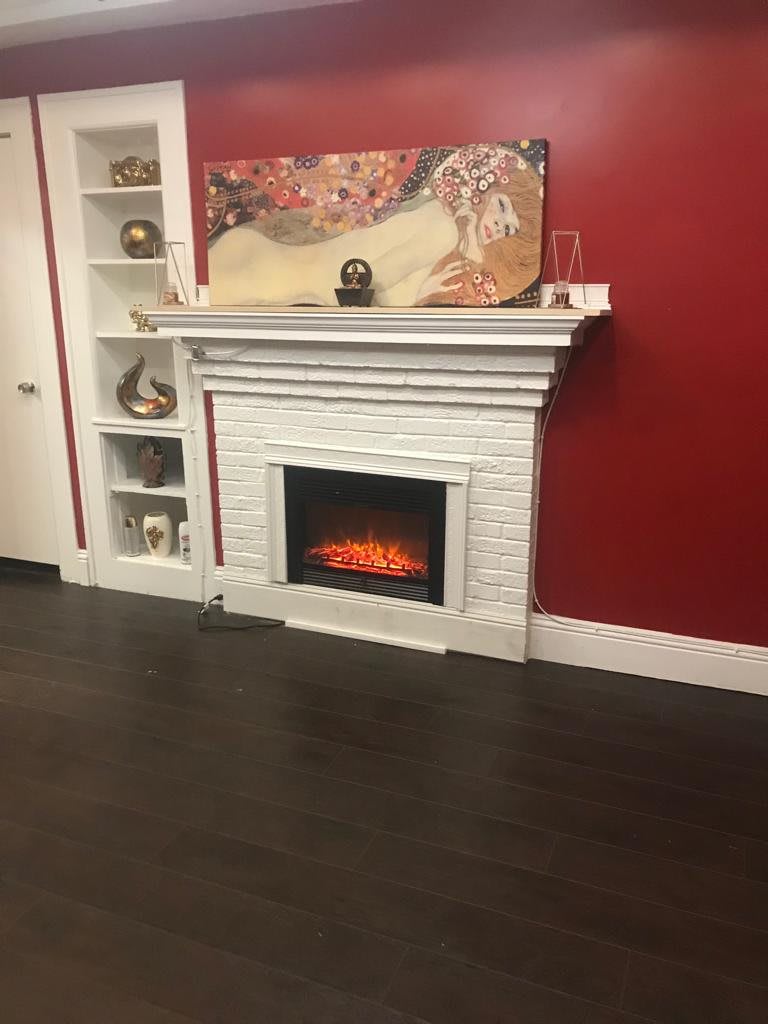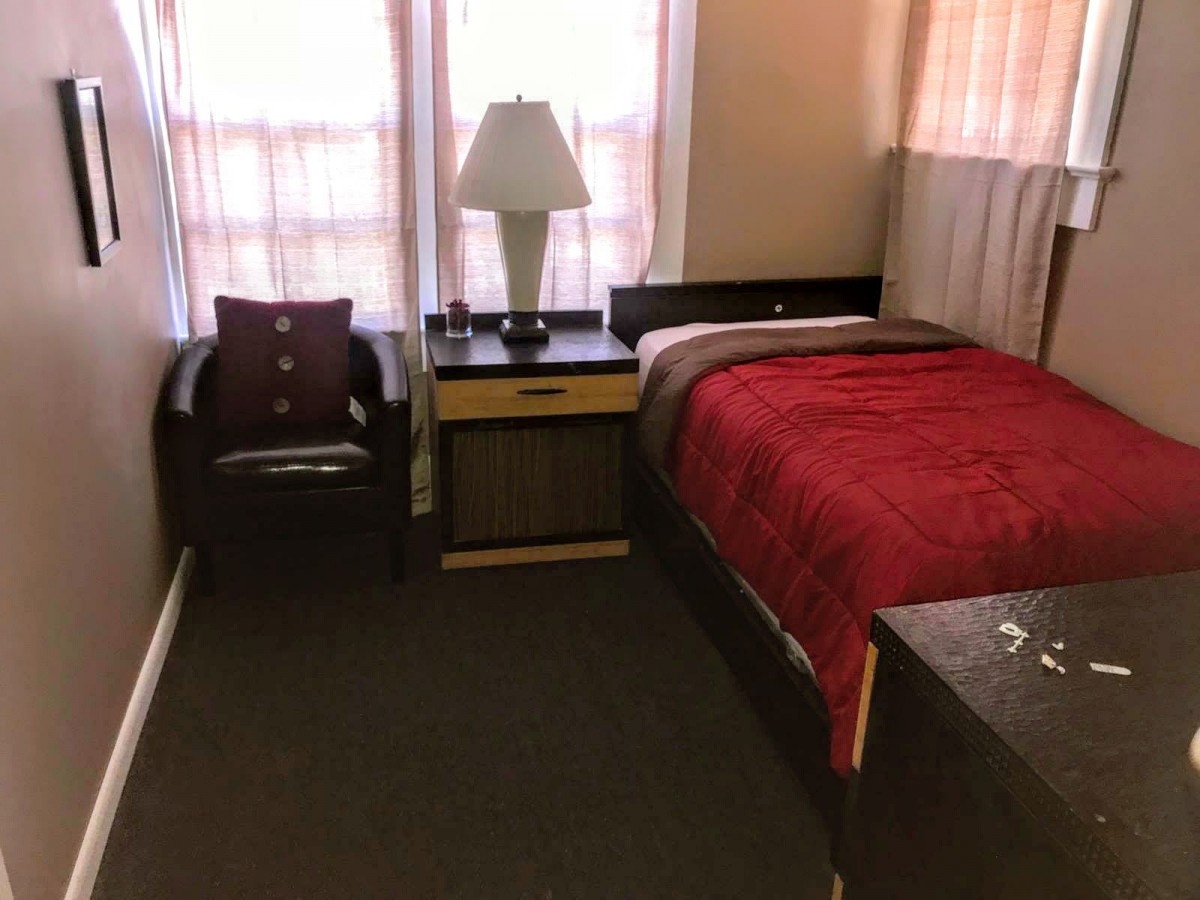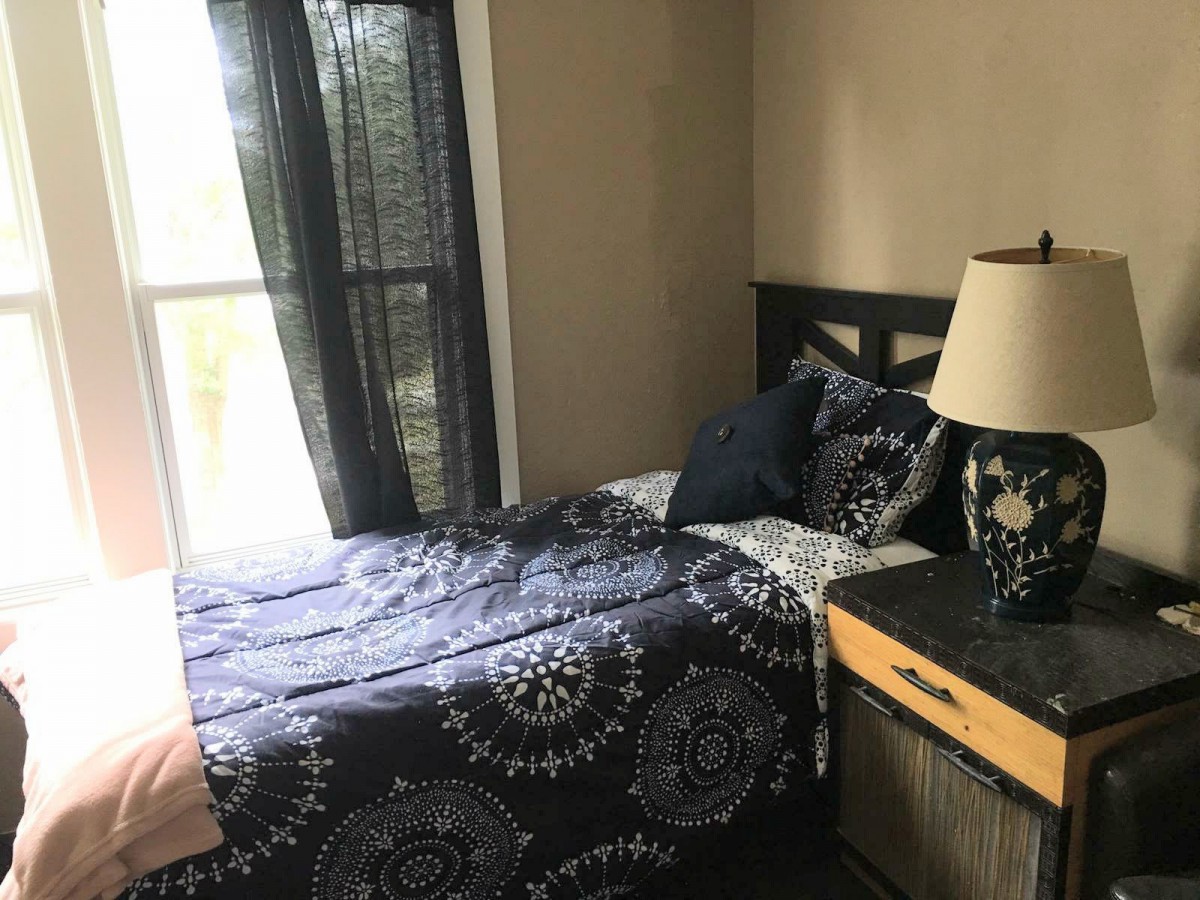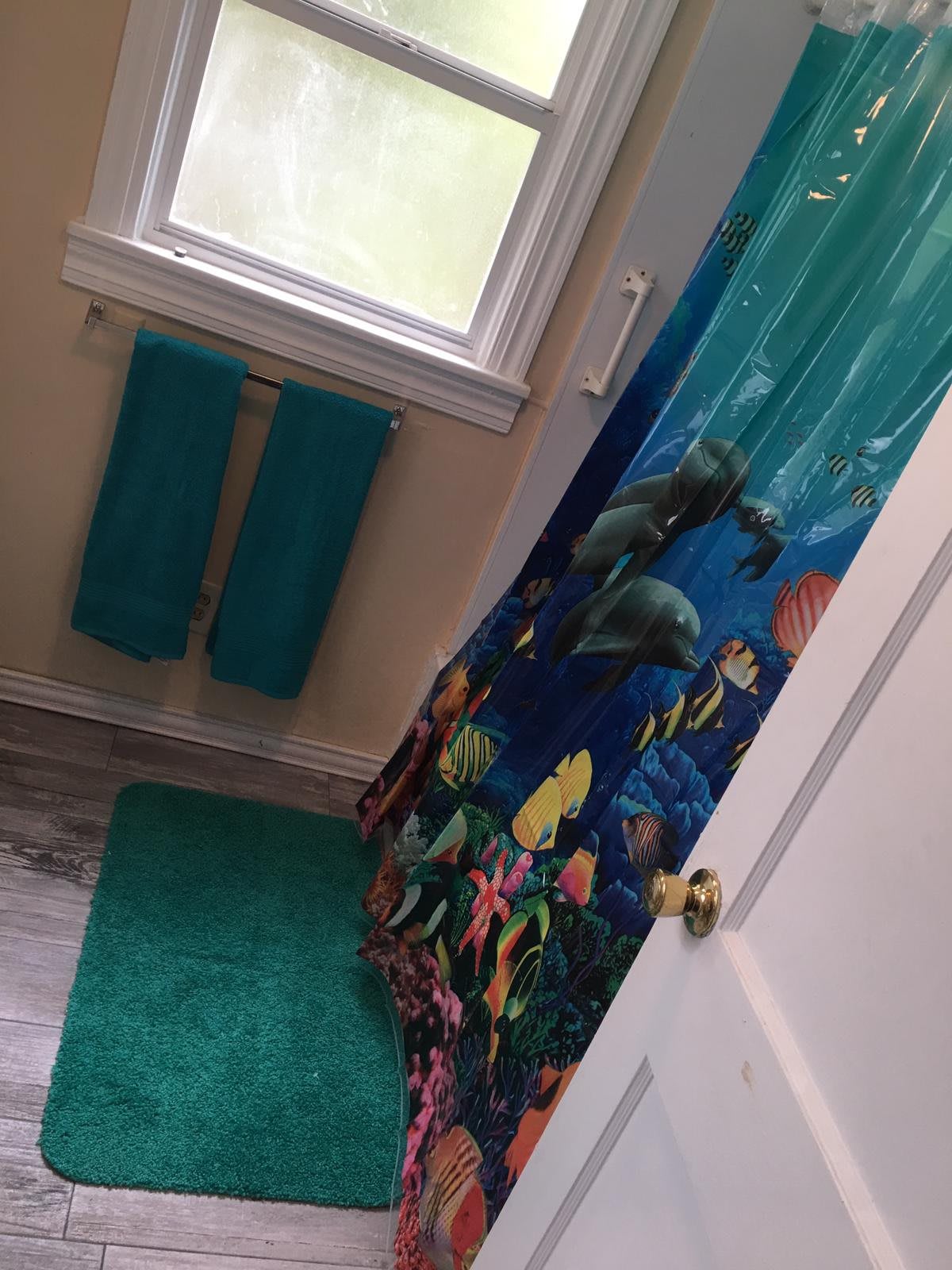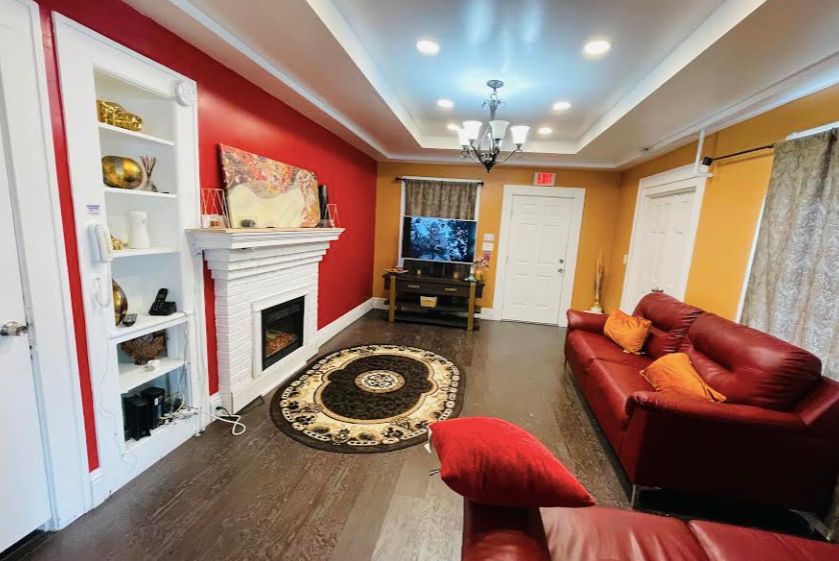
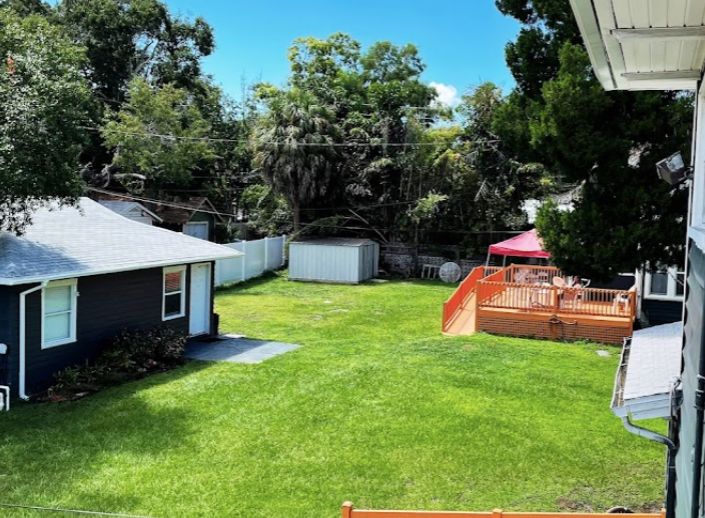
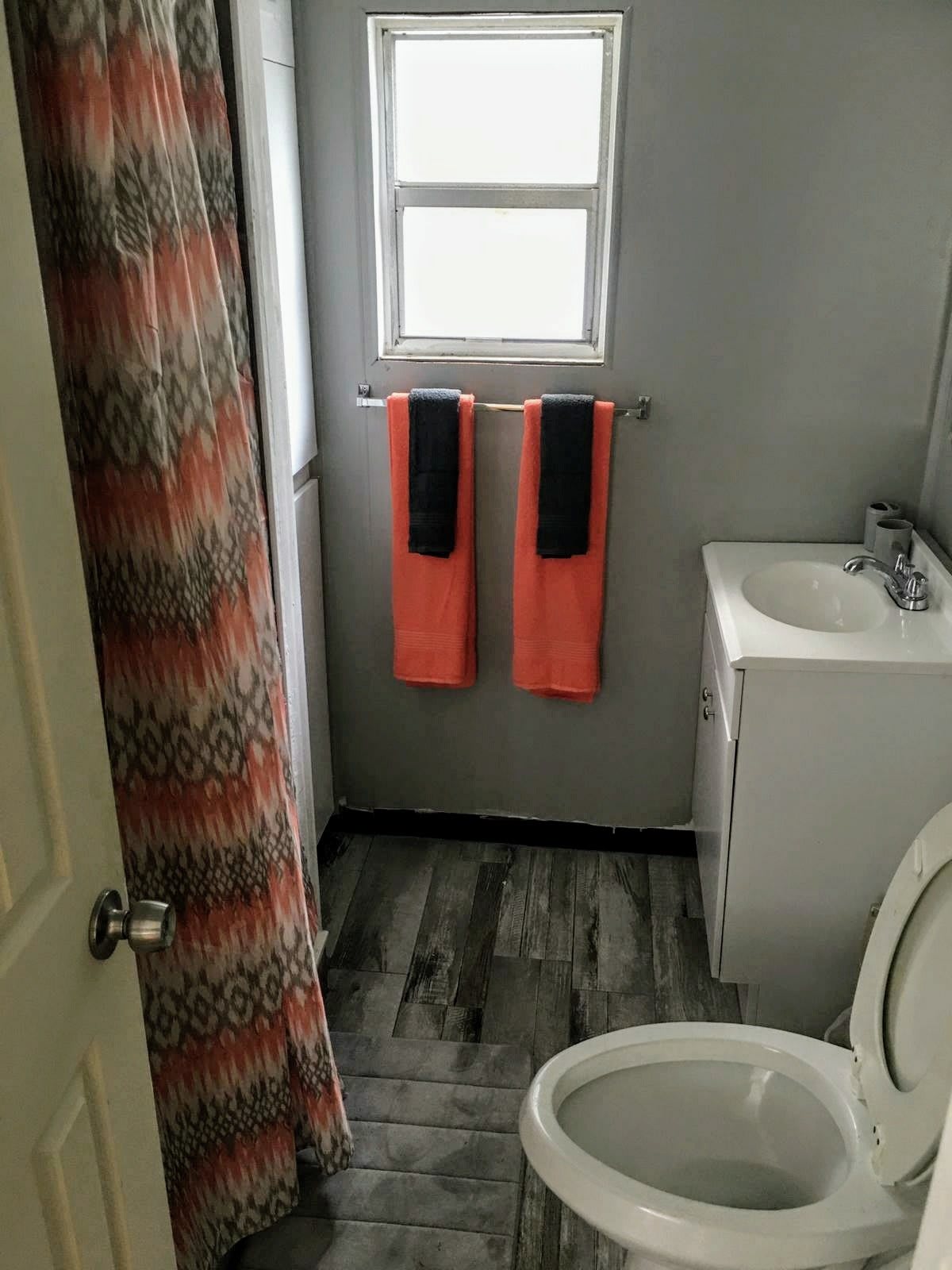
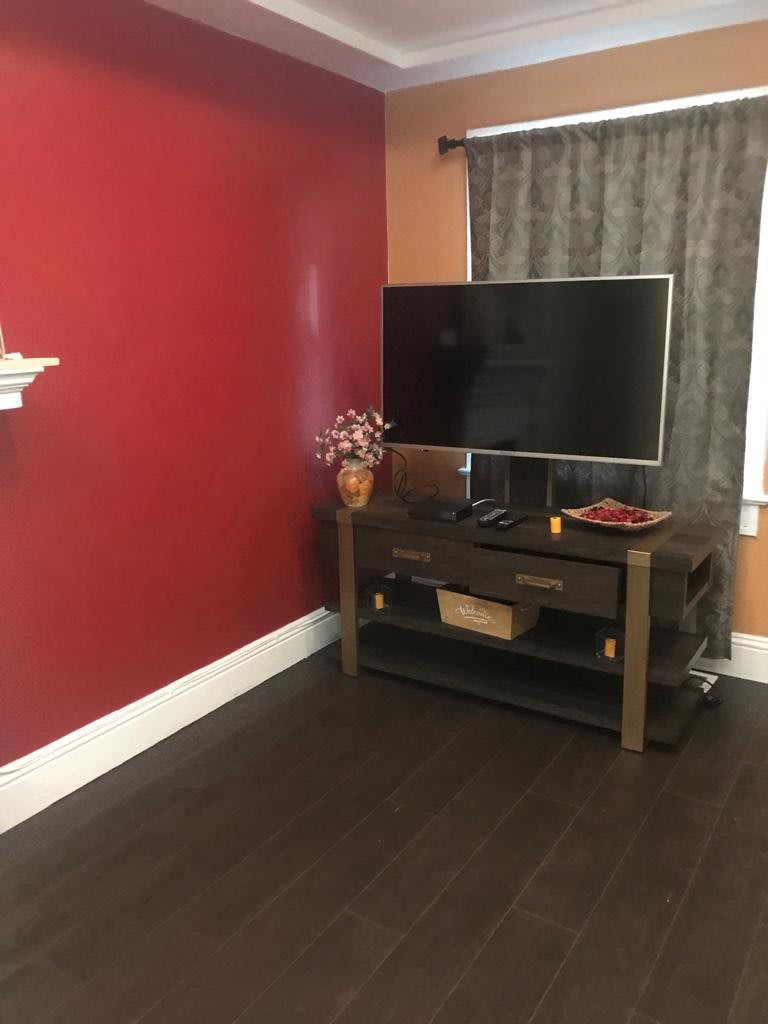
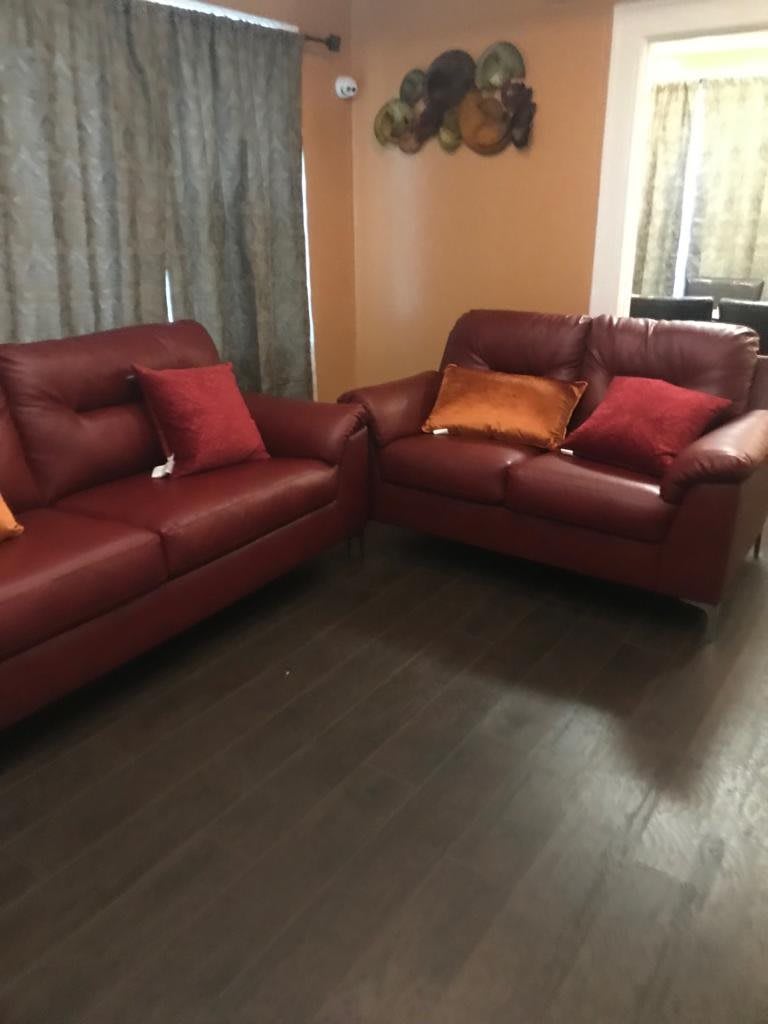
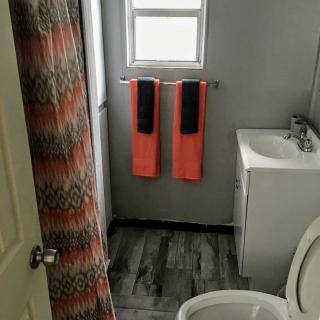
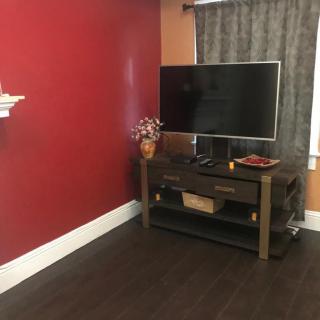

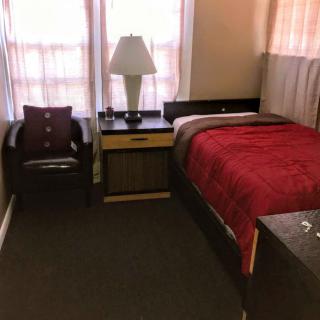
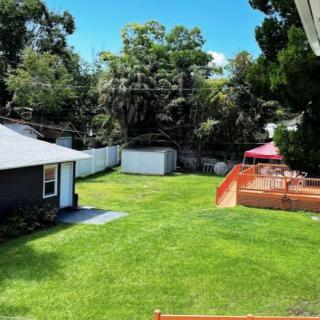
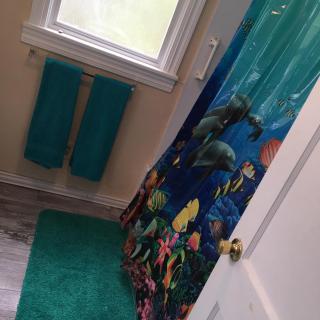
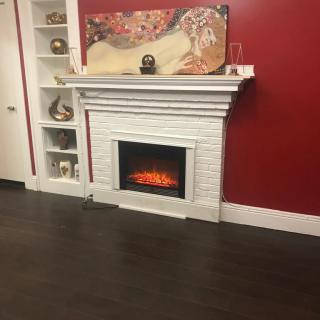
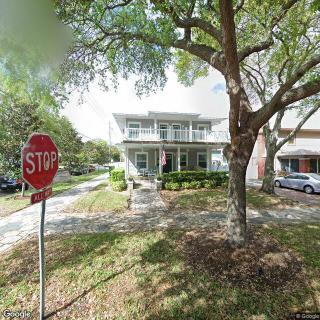
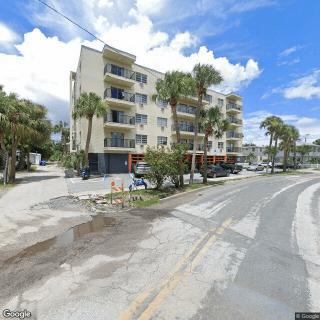
112 12Th Avenue N, Saint Petersburg, FL 33701
For more information about senior living options: (866) 208-4318
Azalea Manor Costs & Pricing
Azalea Manor offers competitive pricing for its one-bedroom accommodations at $2,500 per month, making it an attractive option compared to the broader market in Pinellas County and the state of Florida. In Pinellas County, the average cost for similar housing is approximately $3,638, while across Florida, the average rises to around $3,864. This significant difference highlights Azalea Manor's commitment to providing quality living at a more accessible price point, allowing residents to enjoy a comfortable lifestyle without straining their budgets excessively. This affordability combined with a desirable location positions Azalea Manor as a commendable choice for individuals seeking value in their housing options.
| Floor plans | Azalea Manor | Pinellas County | Florida |
|---|---|---|---|
| 1 Bedroom | $2,500 | $3,638 | $3,864 |
Assisted Living communities with a similar price nearby
-
from -$300 / mo
Dorothy Cares Assisted Living Facility
$2,200 to $3,300 / month20.5 miles away -
About the same
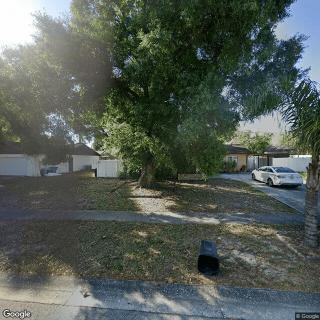
Garden Oasis Alf
$2,500 to $3,500 / month22.8 miles away -
from +$200 / mo
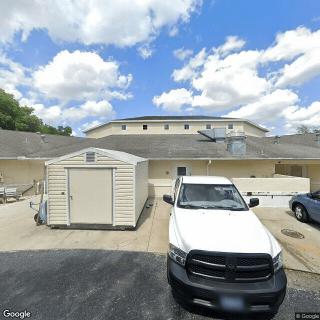
Alafia Village
$2,700 to $4,000 / month21.8 miles away -
About the same

Mi Bello Hogar Living Facility
$2,500 / month16.6 miles away -
from +$100 / mo
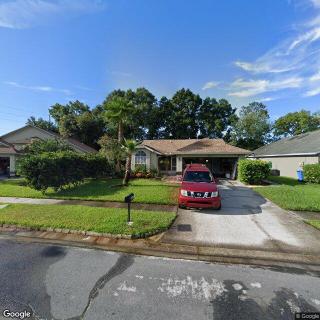
Hilda's Home Care Alf
$2,600 to $2,800 / month19.8 miles away
Overall Review of Azalea Manor
Pros
 The reviewer notes a good experience with very good staff and wonderful food.
- The facility is very clean.
- The staff ratio is very good.
- Everybody was very nice.
- The food is good.
- The resident is happy with it.
- The value for money is good.
Cons
 A former patron heard that residents were treated horribly by a neglectful staff and were given horrible, disgusting, unhealthy food.
- They do not provide heat to residents' rooms and feed them food that is hardly edible.
- There are unsanitary conditions and staff are very rude to residents, who are the source of their income.
- They are about to face a rude awakening coming their way.
- It is a sad, pitiful shame that a place like this has gotten away with cruel practices, but not for long.
Review
Azalea Manor in Saint Petersburg, Florida is best suited for budget-conscious seniors who are moderately independent, value a clean, social environment, and rely on Medicaid to manage the cost. The community offers a private room option with a shared living area, which works well for couples or residents who want a bit of personal space while staying connected to common spaces. It suits those who can participate in activities and prefer straightforward, friendly service from staff. In short, this is a practical choice for families seeking affordability, a resident-friendly atmosphere, and predictable monthly expenses rather than high-end care or highly specialized services.
Those prioritizing flawless consistency in heat, sanitation, and daily treatment should consider alternatives. Several reviews raise flags about room heating and the overall care climate, including accounts of neglect and rude behavior reported by some families. While not every experience aligns, these reports point to management and staffing variability that can translate into uneven quality of care. For a resident with high dependence on attentive, respectful staffing or for families unwilling to accept possible fluctuations in daily life, exploring other options is prudent.
On the flip side, Azalea Manor earns credibility in several key areas. Cleanliness and a favorable staff-to-resident ratio appear repeatedly, enabling more responsive assistance and a sense that residents are known by name. Positive voices highlight the friendliness of the team and the availability of engaging activities and outings, including meals that residents describe as satisfying. The private-in-name-with-active-common-area arrangement also provides a practical middle ground for those who value privacy but still want social opportunities. Medicaid acceptance and the perception of strong value for money further strengthen the case for those managing fixed or limited budgets.
The strongest contrasts come from the negative accounts, which should not be dismissed. Claims of no heat in rooms, meals described as barely edible, and broader concerns about sanitation paint a troubling portrait for families seeking reliable comfort and well-maintained living conditions. Coupled with reports of rude conduct toward residents and a sense that care quality is linked to income, these narratives raise real questions about day-to-day consistency and dignity. While these might reflect isolated incidents or periods of staff turnover, they establish a risk profile that matters when a residentā€™s health or safety could be at stake.
Still, the balance of pros and cons suggests a conditional appeal. For families operating within a constrained budget who can tolerate some variability and who place a premium on social engagement, a reasonable dining program, and access to Medicaid-driven pricing, Azalea Manor can function as a workable option. The clean environment and solid staffing framework provide a platform for daily life that, in the right circumstances, keeps a resident comfortable and socially connected. The value proposition improves when the resident is capable of independent or lightly assisted living and does not require constant, hands-on clinical care around the clock.
Actionable next steps are clear. Schedule a thorough on-site visit and push for direct observations of heating performance across rooms, dining areas, and activity spaces. Request to tour kitchens and food service areas, sample meals if possible, and discuss how menus are planned and adjusted. Talk with multiple staff members and residents about daily routines, incident handling, and steps taken when concerns arise. Verify current Medicaid coverage, and ask about any recent management changes or policy updates. If heating issues persist or if reports of hostility or neglect recur, broaden the search to comparably priced communities with stronger, more consistent reputations for respectful care and reliable amenities. Azalea Manor is worth including in the market comparison, but it should be evaluated against other options to ensure a care plan that prioritizes warmth, dignity, and steady quality.
 20 resident community capacity
 Assisted Living
 Activities off-site
 Air-conditioning
 Bath tubs
 Beauty salon
 Cable or satellite TV
 Devotional services off-site
 Dining room
 Fully furnished
 Garden
 Housekeeping services
 Indoor common areas
 Kitchenette
 Move-in coordination
 Outdoor common areas
 Restaurant-style dining
 Small library
 Telephone
 Wi-Fi/high-speed internet available
 St. Petersburg-Clearwater International (9 miles away)
 24-hour call system
 Ambulatory care
 Assistance with bathing
 Assistance with dressing
 Assistance with transfers
 Diabetes diet
 Incontinence care
 Medication management
 Mental wellness program
 Special dietary restrictions
 Art classes
 BBQs or picnics
 Birthday parties
 Cooking classes
 Day trips and outings
 Karaoke
 Wii bowling

 Vibrant Senior Living: A Comprehensive Guide for Active Older Adults
 When to Transition from Assisted Living to Memory Care: Key Indicators, Steps, and Finding the Right Community
 Assisted Living and Memory Care: Understanding Their Core Differences