
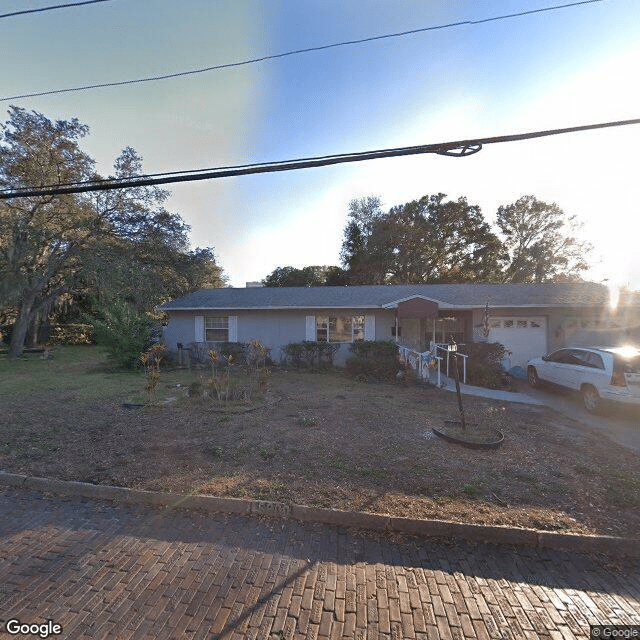
6800 Mango Ave S., Saint Petersburg, FL 33707
To contact a resident: (727) 345-4541
For more information about senior living options: (866) 208-4318
A Casa Mango Costs & Pricing
A Casa Mango offers competitive pricing for its private room accommodations, ranging from $2,500 to $4,600 per month. This rate presents a distinct advantage compared to the average costs within Pinellas County and the broader state of Florida, where monthly expenses for similar private rooms are approximately $3,602 and $3,699, respectively. By maintaining a tiered pricing structure, A Casa Mango not only caters to varying budgetary needs but also positions itself as an appealing option for those seeking more affordable alternatives without compromising on quality or comfort. This makes it a noteworthy choice for prospective residents looking for both value and care in their living arrangements.
| Floor plans | A Casa Mango | Pinellas County | Florida |
|---|---|---|---|
| Private | $2,500 to $4,600 | $3,602 | $3,699 |
Senior living communities with a similar price nearby
-
About the same

Mi Bello Hogar Living Facility
$2,500 / month21.2 miles away -
from +$100 / mo
Serenity Gardens of Bradenton, LLC
$2,600 to $3,300 / month22.0 miles away -
About the same
Amalia Gardens ALF
$2,500 to $3,200 / month19.7 miles away -
About the same
Consuelo's Assisted Living Facility
$2,500 to $4,500 / month15.7 miles away -
from +$100 / mo
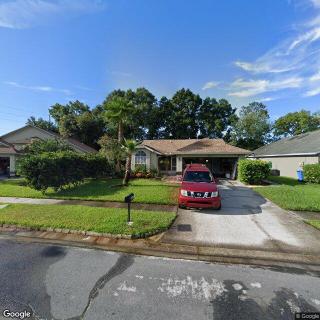
Hilda's Home Care Alf
$2,600 to $2,800 / month22.8 miles away
Overall Review of A Casa Mango
Pros
 The facility is under new management.
- The 24-hour care gives residents a sense of protection like home.
- Its small size (six bedrooms max) belies a big heart.
- The food is remarkable.
- Laundry is done weekly.
- The atmosphere is clean and refreshing.
- Smiling faces greet residents.
- Medications are monitored by a Med Tech with an on-site nurse.
- Activities are available daily.
Review
A Casa Mango in Saint Petersburg is best suited for seniors who want a compact, home-like environment where attentive, around-the-clock care is the core offering and care partners know residents by name. In a setting that tops out at six bedrooms, the emphasis is on safety, warmth, and predictability rather than sprawling amenities. The new management has infused the house with a sense of protection and personal touch, with staff that are consistently friendly and engaging. The combination of on-site medical oversight, Med Tech support and a nurse on site, along with daily activities and a high standard of cleanliness makes this a practical choice for families prioritizing steady routine and visible, hands-on care.
Those who may want to consider alternatives are families seeking a larger community with more social programming, wider rehab options, or extensive off-site activities. If mobility for frequent outings, diverse dining experiences, or specialized memory-care design is important, a bigger campus could be a better fit. Prospective residents who want far-reaching transportation services or a broader network of therapists and specialists may find that a smaller home like A Casa Mango canā€™t match the scope of services available in larger assisted living or multi-level facilities. Here, the appeal rests on intimacy and daily security rather than scale.
The strongest points are precisely the elements that matter most for peace of mind. The 24-hour care model creates a sense of continuous protection, reducing anxiety about emergencies and daily tasks. The on-site Med Tech and nurse oversight minimizes medication errors and ensures medical attention is readily accessible, which is invaluable for seniors with multiple daily meds or evolving health concerns. The environment itself reinforces well-being: a clean, refreshing atmosphere combined with consistent, smiling staff makes daily routines feel pleasant rather than burdensome. And with daily activities on offer, residents can stay engaged without needing to search for sociable opportunities elsewhere.
This blend of robust care and a warm, compact setting helps the advantages noticeably outweigh the drawbacks commonly associated with small homes. The intimate scale means caregivers can observe subtle changes in health or mood quickly, adjust routines, and tailor activities to individual energy levels. The remarkable quality of meals and the convenience of weekly laundry service remove common caregiver burdens, allowing families to feel confident that daily life remains dignified and manageable. In short, the pros deliver a high level of safety, personal attention, and everyday comfort that large communities sometimes struggle to match.
A practical caveat follows from the same strengths that define the home. The six-bedroom footprint inevitably limits the resident pool and the breadth of social opportunities, meaning there may be fewer peers at any given time, and some days feel quieter than on a larger campus. For residents whose needs may escalate, or for families wanting extensive rehab, interdisciplinary programs, or a broader activity calendar, the small scale can be a constraint. The trade-off is clear: intimacy and security over breadth of choice. If the priority is a warm, manageable, safety-forward environment with dependable medical oversight, A Casa Mango satisfies that aim with uncommon clarity.
In the end, A Casa Mango stands as a practical, confidence-building option for seniors who prize safety, personal attention, and a home-like vibe over campus size or industrial-scale programming. It works best for individuals who want daily engagement within a tightly knit community and who appreciate professional on-site medical monitoring coupled with high-quality dining and routine housekeeping. Families weighing alternatives should compare not only the cost and calendar but the degree to which care can be individualized in a small setting. For those, the decision is clear: choose A Casa Mango for a secure, intimate home where care is visible, consistent, and genuinely caring.
 Board and Care Home
 Activities on-site
 Air-conditioning
 Cable or satellite TV
 Ground floor units
 Indoor common areas
 Private
 Respite or short term stays offered
 Wi-Fi/high-speed internet available
 St. Petersburg-Clearwater International (11 miles away)
 Ambulatory care
 Diabetic care
 High acuity care
 Incontinence care
 Medication management
 Low / no sodium
 Birthday parties
 Cards / pinochle club
 Resident band or musicians


 Compassionate Conversations: How to Comfort Someone Who Is Grieving
 Home Health Care Aides: Understanding Their Role and Supporting Your Family
 Urinary Tract Infections in Older Adults: Comprehensive Insights on Symptoms, Treatment, and Prevention