
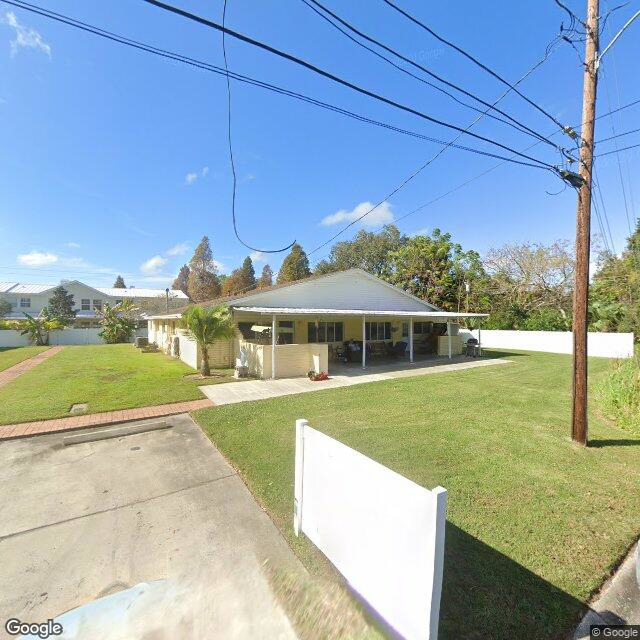
485 Mapleway, Safety Harbor, FL 34695
For more information about senior living options: (866) 208-4318
Theresa Home Costs & Pricing
At Theresa Home, the monthly cost for a studio is set at $2,500, which is notably lower than the averages in both Pinellas County and across Florida. In comparison, residents in Pinellas County typically face expenses around $3,598 for similar accommodations, while the state average rises to approximately $3,823. This competitive pricing at Theresa Home makes it an attractive option for those seeking quality and affordability in senior living, reflecting a commitment to providing value without compromising on care or comfort.
| Floor plans | Theresa Home | Pinellas County | Florida |
|---|---|---|---|
| Studio | $2,500 | $3,598 | $3,823 |
Memory care communities with a similar price nearby
-
from -$300 / mo
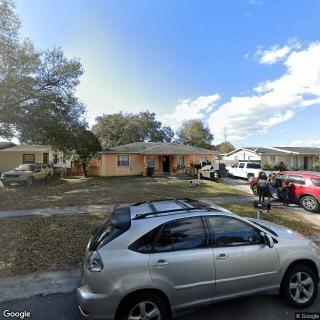
Mary Dunbar Assisted Living Facility
$2,200 to $2,800 / month21.1 miles away -
About the same
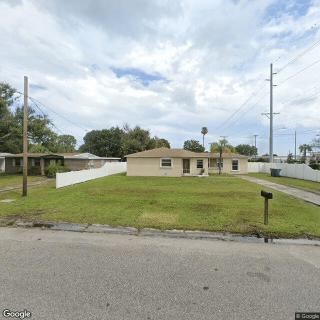
Consuelo's Assisted Living Facility
$2,500 to $4,500 / month13.2 miles away -
from +$100 / mo
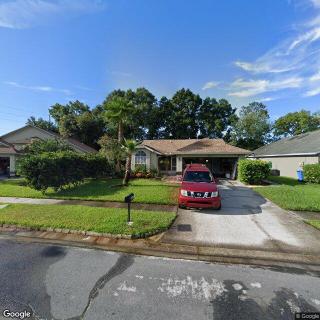
Hilda's Home Care Alf
$2,600 to $2,800 / month8.6 miles away -
from +$200 / mo
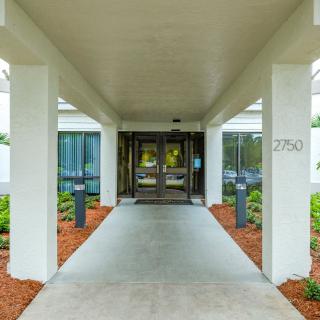
Summerville at Clearwater
$2,700 to $3,140 / month2.3 miles away -
About the same
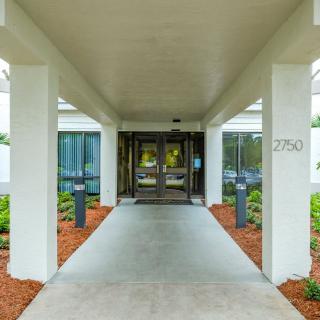
Grand Villa of Clearwater
$2,495 to $3,295 / month2.3 miles away
Overall Review of Theresa Home
Pros
 Theresa Home upholds high standards of client care.
- The staff are patient and gentle.
- Theresa Home is a happy place that brings smiles to visitors.
- The facility is clean and cozy.
- Kaycee is sweet and communicates well.
- Theresa Home ALF is a great community with compassionate, dedicated staff.
- The home offers a clean, home-like environment with home-cooked meals.
Cons
 They warn others to stay away, claiming the facility would not admit their loved one and offered excuses.
 - They say they were nearly able to move in their son but were given every imaginable excuse not to.
- They claim they were told a resident would have to be taken to the ER.
- They report the staff stopped responding to them and to their case manager.
- They state a death in the family was used as a reason not to take anyone.
- They believe the place should be shut down.
Review
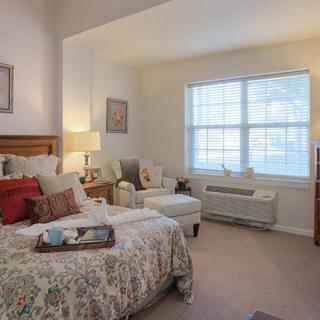
Theresa Home in Safety Harbor is best suited for families seeking a small, home‑like assisted living experience where care feels personal, consistent, and gentle. The community tends to deliver steady, patient support in a clean, cozy environment with home‑cooked meals that create a familiar daily rhythm. It works particularly well for residents who value stable routines, meaningful one‑on‑one interactions, and staff who remember preferences and offer quiet, respectful companionship. For seniors who flourish in an intimate setting without a heavy medical grid, this ALF offers a compelling fit.
Those evaluating alternatives should note that admissions and responsiveness have been reported as uneven by some families. For loved ones needing rapid placement, highly transparent admission timelines, or very proactive crisis management, other providers may deliver more predictable processes. Larger communities or facilities with more structured intake and broader medical programming might be preferable when the priority is immediate containment of complex needs, frequent updates to families, or a robust on‑site clinical presence.
The strongest pros, compassionate, patient staff; a consistently warm atmosphere; and a genuine sense of home, directly offset several common drawbacks seen in small ALFs. Residents benefit from steady caregiver relationships, which reduces anxiety and promotes comfort, especially for those who prize familiarity over sensational programming. The clean, cozy ambiance and the presence of home‑cooked meals reinforce a sense of safety and normalcy. When care is steady and staff communicate kindly and predictably, the risk of feeling neglected or rushed diminishes, even if admissions or scheduling occasionally feel opaque.
Another clear upside is the intimate culture of care, where residents are treated with unconditional kindness and genuine attention. The praise from caregivers and family members about the atmosphere and the quality of interpersonal contact matters deeply for quality of life, sometimes more than bells and whistles. For families prioritizing emotional well‑being and day‑to‑day stability, this environment can outweigh logistical rough edges, creating a trustworthy baseline of daily support that many seniors instinctively respond to.
Nevertheless, the negative experiences cited by at least one family cannot be ignored. Reports of admission hurdles, a breakdown in communication, and moments that felt evasive or delayed in responding to urgent needs signal real risk points. Prospective residents should scrutinize the admissions process, confirm who the primary contact is, and request concrete timelines and escalation paths. A candid tour should include conversations with caregiving staff, administrative personnel, and, if possible, current residents about how crises are handled and what happens when sudden decisions are required. These questions are essential to determine whether the warmth and consistency in day‑to‑day care extend to crisis situations and rapid changes in care planning.
In sum, Theresa Home offers a low‑key, high‑care option for seniors who thrive on intimate attention, predictable routines, and a home environment that feels like family. It is less clearly aligned with families needing aggressive medical oversight, rapid admissions, or highly transparent, always‑on‑call administrative responsiveness. For those weighing options, the prudent path is to visit with a focused set of questions about admissions reliability, emergency handling, and family updates, while also seeking corroboration from multiple families about their ongoing experience. When alignment exists, this community delivers a practical, compassionate home for aging in place; when it does not, alternatives with stronger medical support and faster, clearer processes may materially improve peace of mind. Weigh carefully, and prioritize the elements that matter most to the resident’s daily happiness and long‑term security.
 20 resident community capacity
 Assisted Living
 Independent Living
 Memory Care
 Activities off-site
 Beautician on-site
 Cable or satellite TV
 Devotional services off-site
 Dining room
 Fully furnished
 Garden
 Housekeeping services
 Indoor common areas
 Kitchenette
 Move-in coordination
 Outdoor common areas
 Respite or short term stays offered
 Telephone
 Wheelchair accessible showers
 Wi-Fi/high-speed internet available
 St. Petersburg-Clearwater International (6 miles away)
 24-hour call system
 Ambulatory care
 Assistance with bathing
 Assistance with dressing
 Assistance with transfers
 Diabetes diet
 Diabetic care
 Incontinence care
 Meal preparation and service
 Medication management
 Mental wellness program
 Special dietary restrictions
 Transportation arrangement (medical)
 Transportation to doctors appointments



 Vibrant Senior Living: A Comprehensive Guide for Active Older Adults
 Assisted Living and Memory Care: Understanding Their Core Differences
 Choosing the Right Senior Care: A Detailed Exploration of Assisted Living and Nursing Homes