Vick Street Manor Costs & Pricing
Vick Street Manor offers competitive pricing for its residents compared to both Charlotte County and the broader state of Florida. For semi-private rooms, the monthly cost at Vick Street Manor is $2,000, significantly lower than the county average of $2,461 and state average of $3,009. Similarly, studio apartments at Vick Street Manor are priced at $2,400, which is more affordable than the county rate of $3,330 and the state average of $3,823. The one-bedroom units are also attractively priced at $2,800 compared to Charlotte County's $3,399 and Florida's statewide figure of $3,864. These costs reflect Vick Street Manor's commitment to providing quality housing options that remain accessible and budget-friendly for residents in a fluctuating market.
| Floor plans | Vick Street Manor | Charlotte County | Florida |
|---|
| Semi-Private | $2,000 | $2,461 | $3,009 |
| Studio | $2,400 | $3,330 | $3,823 |
| 1 Bedroom | $2,800 | $3,399 | $3,864 |
Memory care communities with a similar price nearby
-
About the same
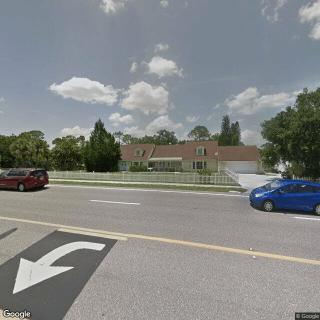
Serenity Pointe
$2,000 to $2,500 / month
3.0 miles away
-
from -$105 / mo
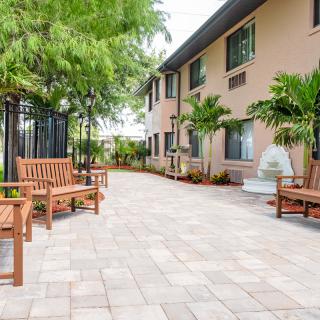
Grand Villa Of Englewood
$1,895 to $3,095 / month
15.6 miles away
-
About the same
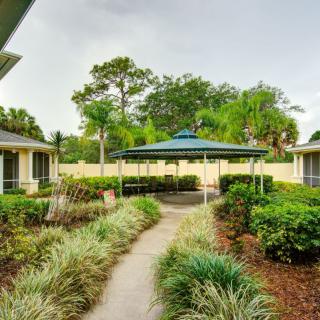
Truewood By Merrill, Charlotte Center
$2,000 to $3,700 / month
4.8 miles away
-
About the same
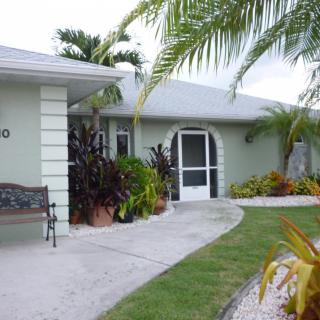
Paradise Found Adult Family Care Home
$2,000 to $2,500 / month
3.1 miles away
-
from +$250 / mo
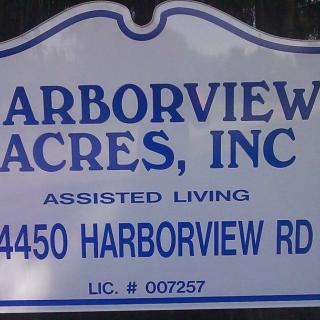
Harborview Acres
$2,250 to $2,875 / month
2.1 miles away
Overall Review of Vick Street Manor
differentiator
6 reviews mention this
Memory care security and structure
Residents describe memory care being run as a secured unit with support that fits dementia needs.
Several reviews describe the memory care setup as secured and structured, with residents able to move within the unit rather than being limited to sitting in front of a TV. One reviewer specifically mentions a locked unit and another describes “age in place” transitions within the facility. Reviews tied to dementia also mention care needs being monitored through medication and that staff responded when care needs came up. At the same time, at least one review raises concerns about care level fit, saying a resident ended up beyond what the facility could provide.
common
5 reviews mention this
Food quality and dining setup
Dining stands out in reviews, with some calling meals tasty while others complain about food quality.
Food comes up often: some families describe the meals as good or tasty and tie that to overall satisfaction during a short stay or after placement. Another review mentions the facility having two dining areas depending on mobility needs. Still, there are also negative reviews that call the food terrible. Overall, dining appears to be a noticeable part of the resident and family experience, with feedback split between positive and negative.
common
10 reviews mention this
Staff responsiveness feels mixed
Many residents and families describe staff as attentive and caring, but a smaller number report serious breakdowns.
A large share of reviews focus on staff being attentive, helpful, and compassionate—descriptions that include being easy to reach and not ignoring residents. Multiple reviewers also mention staff interactions that make them feel supported, including calling a doctor when needed. However, several critical reviews describe severe issues such as verbal abuse, not having a nurse on call, and staff failing to address safety and cleanliness. Taken together, the staff experience is not consistent across reviews, with clear praise in some stories and major concerns in others.
differentiator
3 reviews mention this
Price is often framed as affordable
Families frequently mention affordability, and pricing is positioned well below county and state benchmarks.
Several reviews mention the community working for limited budgets, including choosing it because it was affordable and within reach for families. That aligns with the provided pricing ranges, which sit well below county and state levels across unit types. One reviewer also compares value more broadly, suggesting it was a good fit for what they wanted to pay. The main drawback reviews raise elsewhere is not pricing itself, but care and cleanliness consistency.
caveat
9 reviews mention this
Cleanliness and upkeep receive sharp contrast
Cleanliness reviews vary widely, ranging from “totally clean” to reports of strong odors and pests.
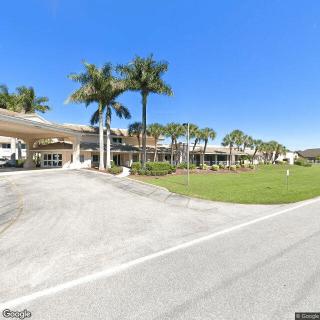
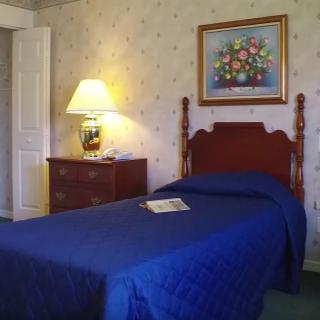
Some reviewers describe the facility as clean and well kept, including comments about no foul odor and rooms being maintained. Others report problems that feel serious, such as urine odor, dirty kitchens and halls, and even bed bugs. A few reviews also describe visible wear and tear in an older building, including walls that look heavily touched and fingerprints. Overall, cleanliness is a recurring theme, but the experience is inconsistent across reviews.
common
3 reviews mention this
Activities are present, but described simply
Reviews describe a basic but active schedule that includes games and group events.
Families mention community activities such as arts and crafts, bingo, and ongoing scheduled events like happy hour and movies. One reviewer also characterizes the activity offering as simpler than some other assisted living options, but says the focus is on helping residents adjust. The activity themes generally suggest there is something scheduled, even if not everyone expects a large variety.
How we summarize
Counts show how many written reviews mention each theme; a review can touch several themes, and only frequently mentioned themes are displayed.

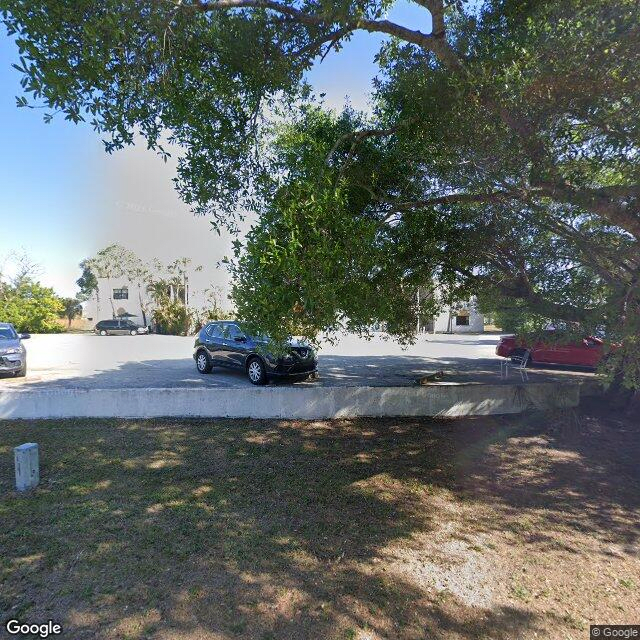
 98 resident community capacity
 Assisted Living
 Memory Care
 Cats allowed
 Dogs allowed
 Activities off-site
 Air-conditioning
 Beautician on-site
 Cable or satellite TV
 Computer center
 Devotional services off-site
 Dining room
 Fitness room
 Fully furnished
 Gaming room
 Garden
 Ground floor units
 Housekeeping services
 Indoor common areas
 Kitchenette
 Move-in coordination
 Outdoor common areas
 Private bathrooms
 Respite or short term stays offered
 Restaurant-style dining
 Small library
 Telephone
 Wellness center
 Wheelchair accessible showers
 Wi-Fi/high-speed internet available
 Community operated transportation
 24-hour call system
 Ambulatory care
 Assistance with bathing
 Assistance with dressing
 Assistance with transfers
 Diabetes diet
 Diabetic care
 Incontinence care
 Medication management
 Special dietary restrictions
 Art classes
 Concierge services
 Day trips and outings
 Educational speakers / life long learning
 Happy hour
 Karaoke
 Live dance or theater performances
 Live musical performances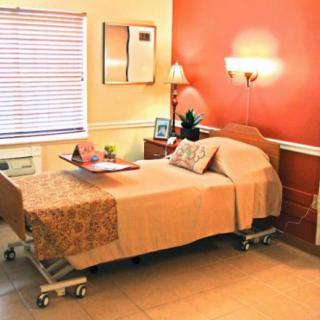
 Clean, well-maintained facility with attentive staff and strong rehab services.

 Engaging Memory Care Activities That Enhance Quality of Life
 When to Transition from Assisted Living to Memory Care: Key Indicators, Steps, and Finding the Right Community
 Understanding the Distinctions: Assisted Living and Memory Care Explained