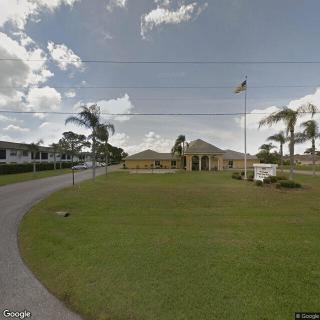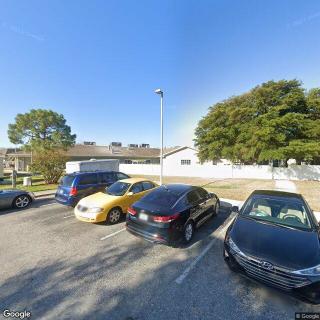





Kimberly Place in Punta Gorda, FL

Save

  • Interior

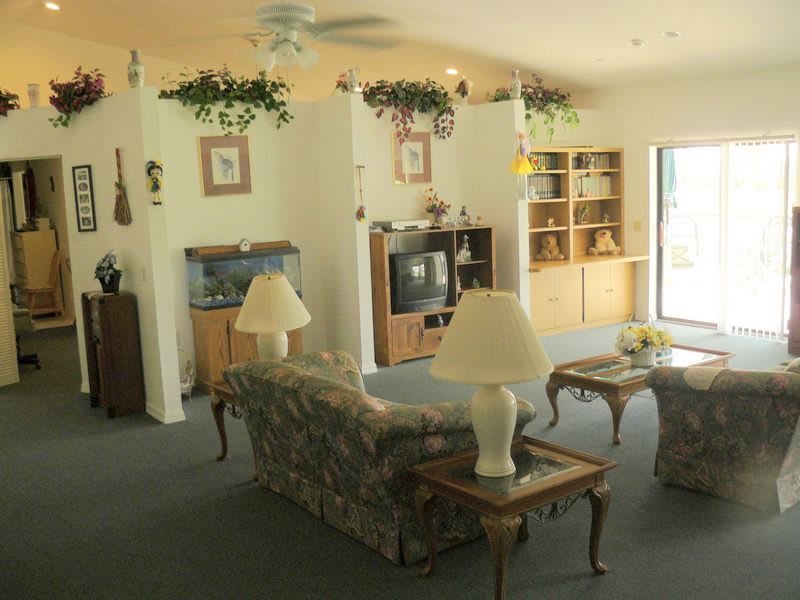
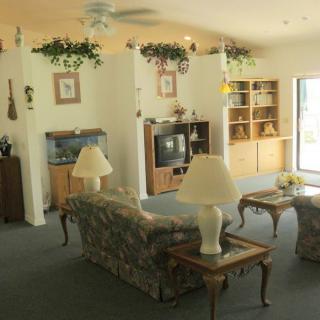
    A cozy living room with a sofa, coffee tables, lamps, and decorative plants.
  • Outdoors

    A scenic view of a golf course with a clubhouse in the background.
  • Decor

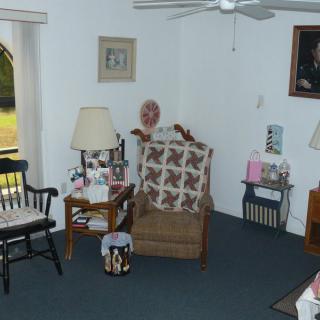
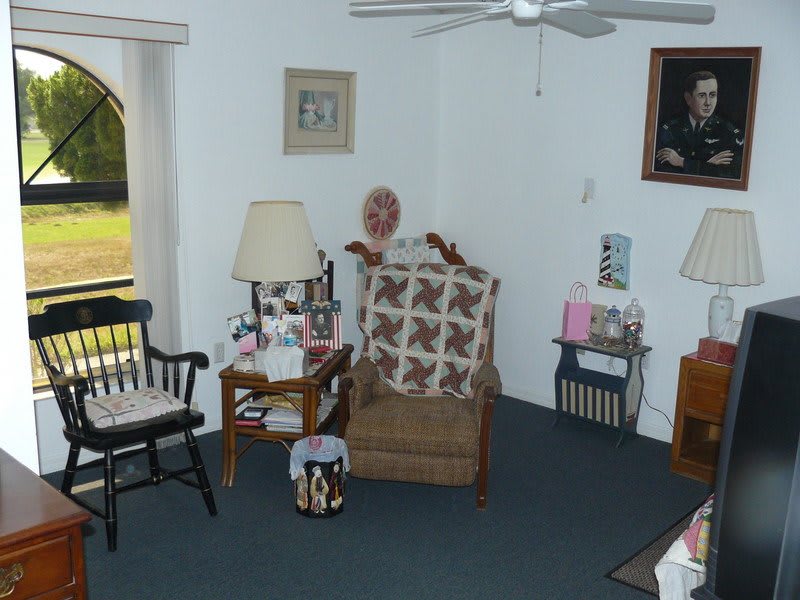
    A cozy living room setting featuring a person sitting on a chair with a cushion, surrounded by various furniture and decor elements.
  • Bedroom

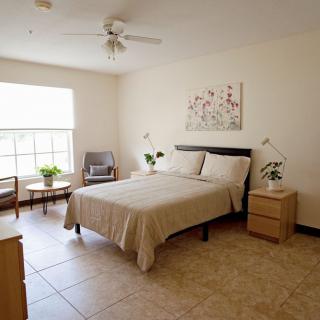
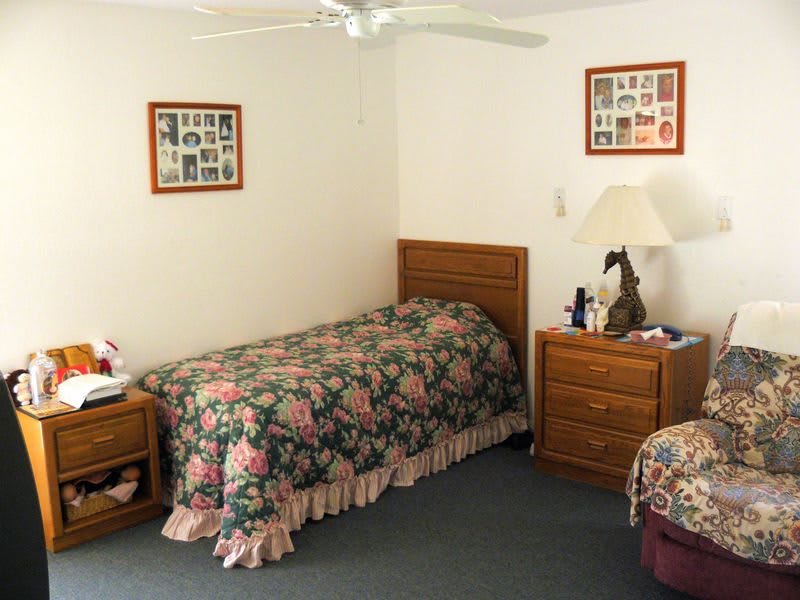
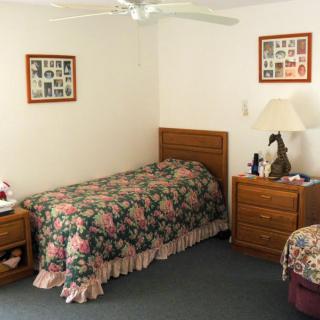
    A cozy bedroom featuring twin beds with floral bedding, wooden nightstands, and a ceiling fan.
  • Trees

    A scenic view of a golf course with lush green grass, trees, and a pond under a clear morning sky.
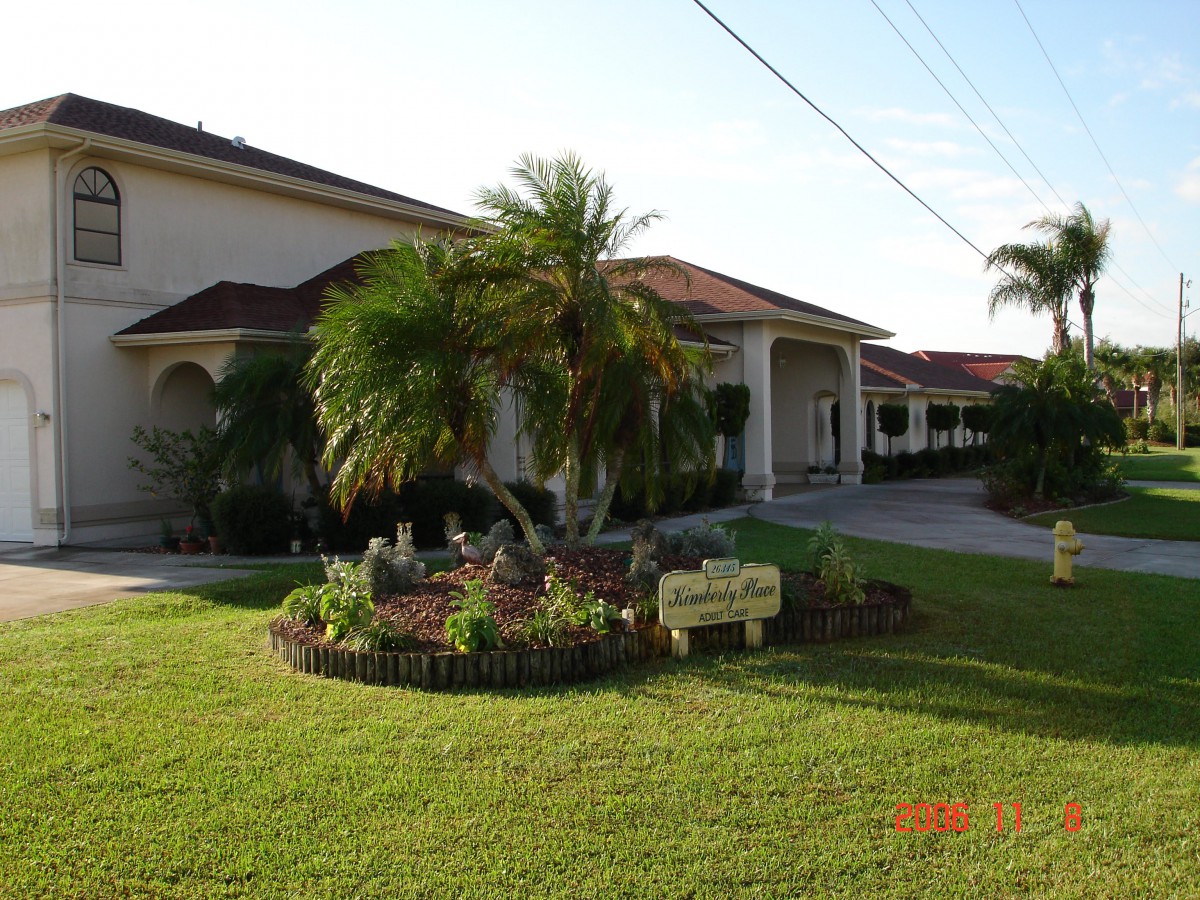
  • Landscaping

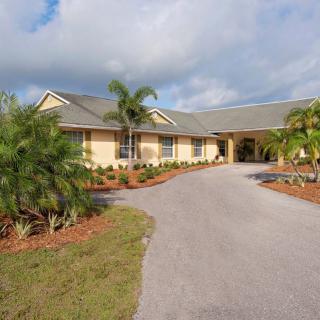
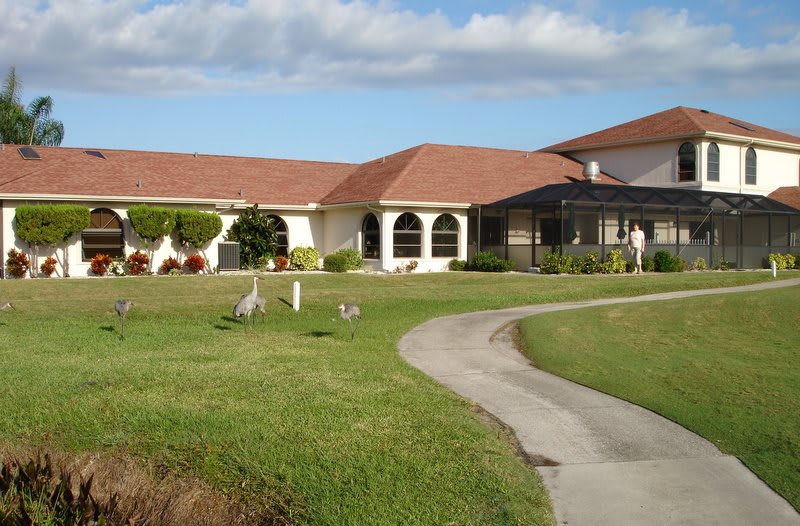
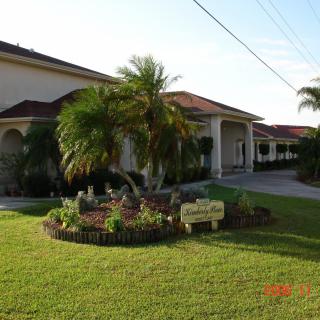
    A suburban house with a red-tiled roof and a curved driveway, surrounded by a well-maintained lawn and visited by birds.
  • Artwork

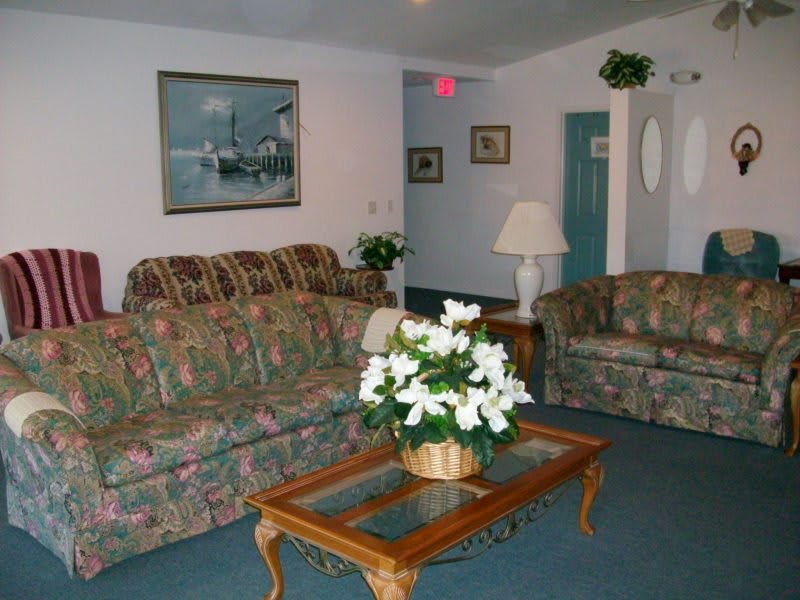
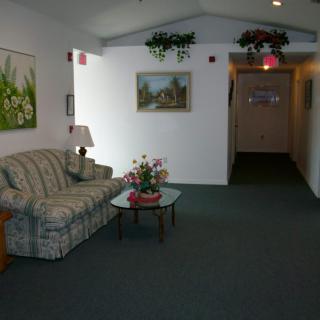
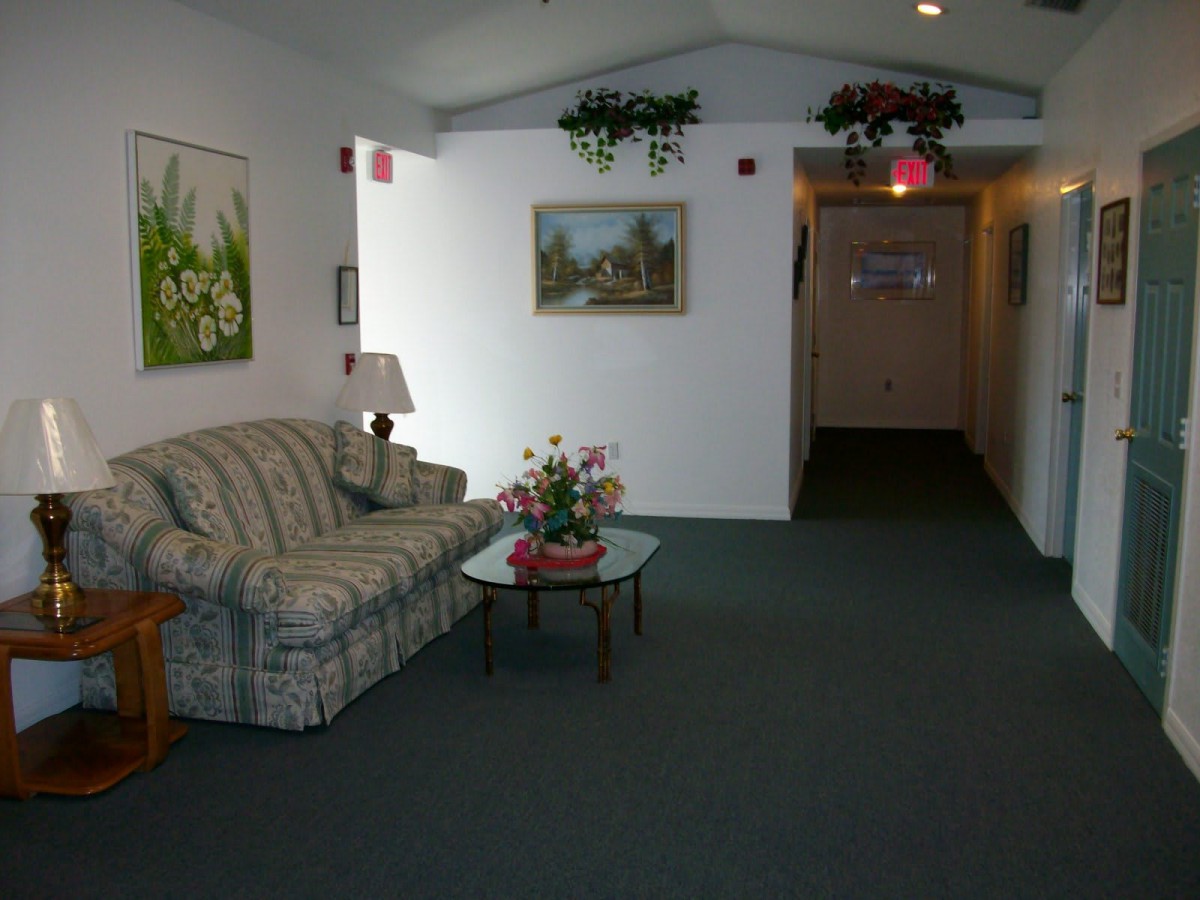
    A cozy lobby area with a sofa, artwork, and decorative plants.
  • Patio

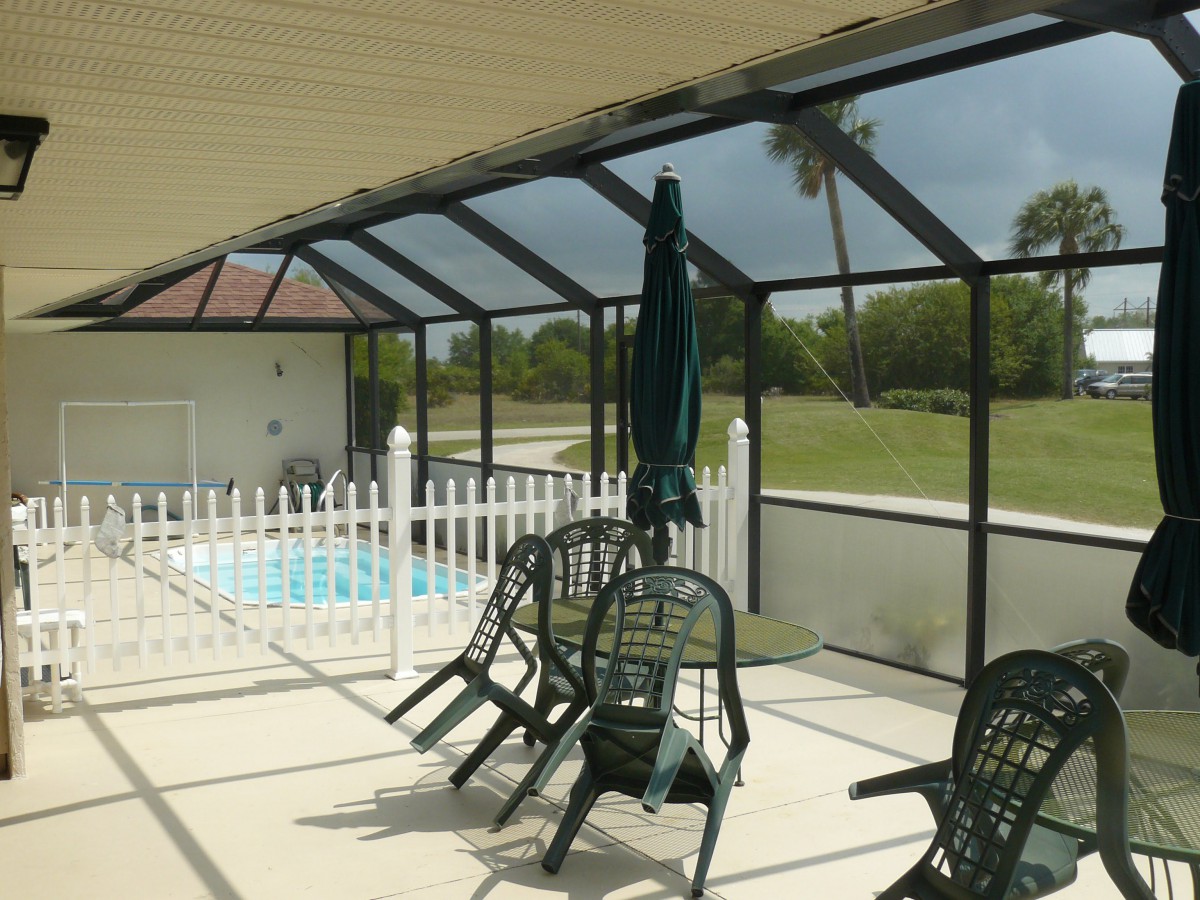
    A screened-in patio with poolside furniture and a view of the outdoors.
  • Palm Trees

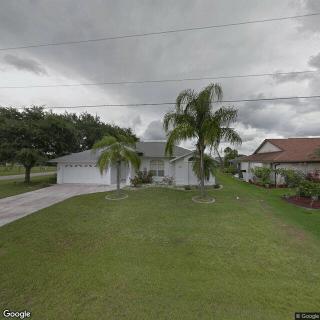
    A well-maintained house with a palm tree and vibrant landscaping in the front yard.
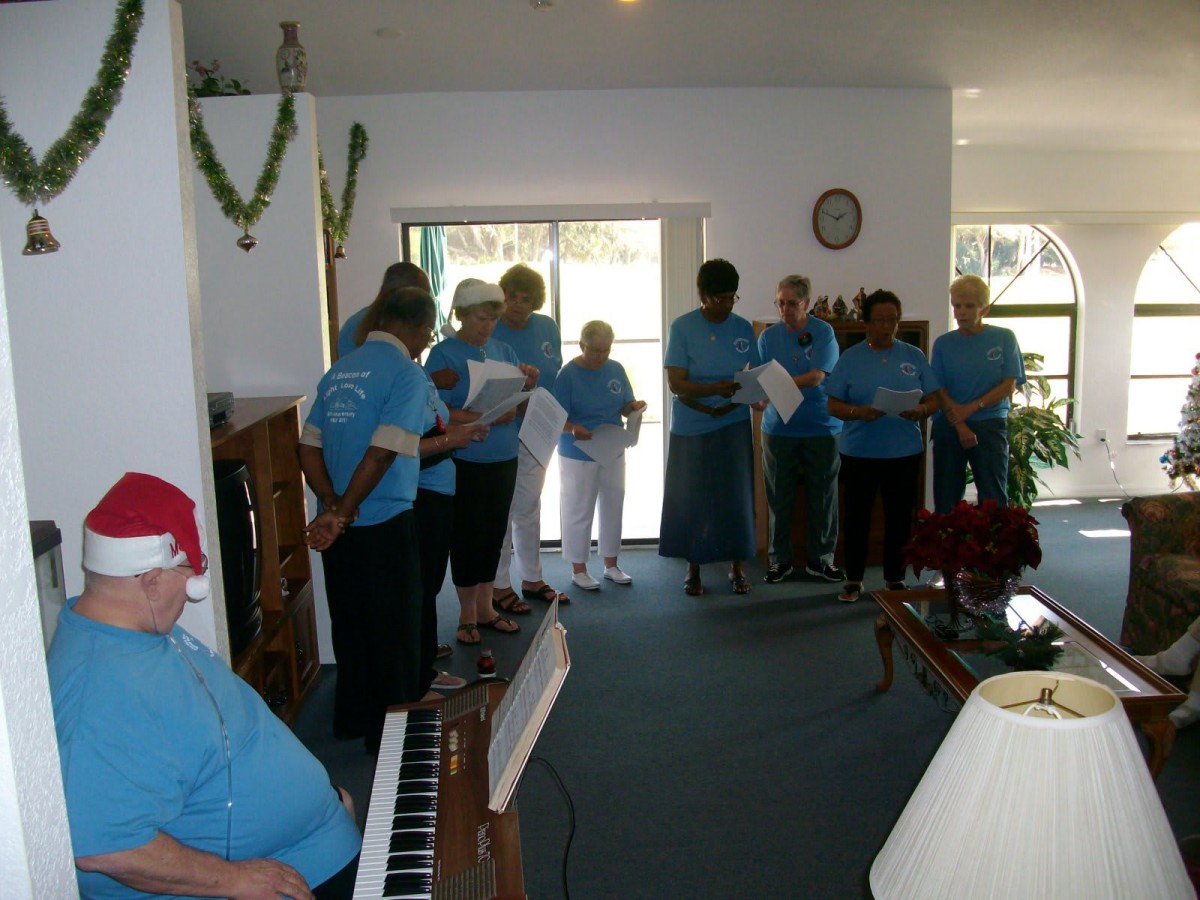
  • Piano

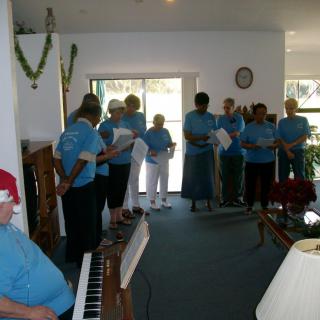
    A group of people in blue shirts performing a choir indoors with a pianist accompanying them.

Kimberly Place in Punta Gorda, FL

26315 Northern Cross Road, Punta Gorda, FL 33983

For more information about senior living options: (844) 490-3973

3.4 from 10 reviews
5 stars
2
4 stars
4
3 stars
2
2 stars
0
1 stars
2

Assisted Living Board and Care Home Respite Care

Kimberly Place Costs & Pricing

Kimberly Place offers competitive pricing for its room types compared to both Charlotte County and the broader state of Florida. For a semi-private room, Kimberly Place is priced at $1,600 per month, significantly lower than the county average of $2,461 and the state average of $3,009. Similarly, for those seeking more privacy, the cost of a private room at Kimberly Place is $2,200, which remains substantially below Charlotte County's average of $3,586 and Florida's average of $3,699. This makes Kimberly Place an attractive option for individuals looking for quality care without straining their financial resources.

Floor plansKimberly PlaceCharlotte CountyFlorida
Semi-Private$1,600$2,461$3,009
Private$2,200$3,586$3,699

Overall Review of Kimberly Place

Pros

  • pro Kimberly Place has been a godsend for families seeking hospice?level care.
  • pro The care provided to residents at Kimberly Place is described as among the best.
  • pro Residents at Kimberly Place are free from bed sores, enjoy solid homemade meals, and gain weight.
  • pro The staff at Kimberly Place are loving and dedicated to keeping residents safe and cared for.
  • pro The Barrs run an immaculate, orderly home and create a warm, caring environment.
  • pro Kimberly Place offers more personal, one-on-one attention due to its small size.
  • pro The meals at Kimberly Place are homemade and prepared fresh, representing an improvement over prior experiences.
  • pro The facility is kept very clean and sterile.

Cons

  • pro The care provided by her partner at home was not sustainable.
  • pro They didn't do what they said they were going to do.
  • pro The lunch consisted of ham or bologna every day.
  • pro Their food was terrible.
  • pro The loved one lasted only seven days there.
  • pro After lunch, residents were rushed to their rooms.
  • pro They were not very happy with them.
  • pro They would not recommend this place.

Review

Kimberly Place in Punta Gorda, FL is best suited for families seeking a small, home-like assisted living environment where a loved one can receive steady, personalized care and hospice-friendly support. The residence typically hosts about a dozen residents, which creates a highly intimate setting in which staff can know routines, preferences, and medical needs well. For families prioritizing safety, cleanliness, and consistent, compassionate attention, this community offers a compelling fit.

Those weighing alternatives should consider that this is not a large, activity-driven campus. Several reviews note a sparse activity calendar and a desire for more structured programming, ideally with an activities director who curates a weekly schedule. Meal variety can also be uneven in the eyes of some families, with recurring lunch options raising concerns about culinary diversity. For residents who crave constant social engagement, a broader menu of events and a more dynamic dining experience, or more advanced medical oversight, other options nearby may deliver greater value.

The strongest positives center on intimate, attentive care. Families consistently praise the loving, dedicated staff and the emphasis on safety and cleanliness. The small scale translates into more one-on-one time, which often translates into tangible benefits like improved nutrition, fewer bed sores, and better overall comfort for residents who are recovering or living with limited mobility. The environment is described as homelike, with home-cooked meals and the reassurance that staff truly know and respect each resident, including those receiving hospice support.

Yet the cons temper the otherwise favorable picture. The same small size that enables close attention also limits social programming opportunities and breadth of activities. Menu variety can be inconsistent, and some families feel meals occasionally lack culinary excitement or enough portions, which matters when food becomes a daily routine. A few reviews recount experiences where promises were not fulfilled or where residents were rushed back to their rooms after lunch, detracting from the sense of a leisurely, resident-centered day. While these are not universal experiences, they are notable enough to influence decision-making for families who expect a more robust activity and dining program.

Despite these caveats, the pros often offset the cons for families who value warmth, safety, and deep caregiver familiarity above all else. The intimate setting, ongoing personal attention, and the capacity to accommodate hospice needs create a sense of security that is hard to match in larger communities. When the priority is minimizing transitions and preserving dignity through individualized care, Kimberly Place delivers measurable benefits - clear illness management, attention to cleanliness, and a compassionate staff that families repeatedly describe as loving and respectful.

Practical decision-making for families considering Kimberly Place should focus on concrete assessments during visits. Observe staff-resident interactions, ask to review a typical activity timetable (if one exists), and inquire about staffing levels and nurse availability across shifts. Taste-test a representative meal or two and ask about portion sizes and menu planning to gauge consistency. Clarify hospice support protocols, pain management practices, and how end-of-life preferences are documented and honored. If the goal is a warm, personal environment with highly attentive care and clean, safe conditions, Kimberly Place stands out as a strong candidate. If, however, a resident's priorities include a rich activity calendar and broader dining variety or more extensive medical oversight, alternatives may yield greater overall value.

Features

Housing

  • 16 resident community capacity 16 resident community capacity

Types of Care

  • Assisted Living Assisted LivingAssisted living facilities provide crucial support and care for seniors who may need help with daily tasks such as medication management, bathing, and meal preparation. These communities offer a safe and comfortable environment where seniors can maintain their independence while receiving the assistance they need to thrive in their golden years.
  • Board and Care Home Board and Care HomeBoard and care homes provide a smaller, more intimate setting for seniors who require assistance with daily tasks but do not need the level of care offered by a nursing home. They offer personalized care, meals, and social activities in a homelike environment, ensuring that seniors receive individualized attention and support in their golden years.
  • Respite Care Respite CareRespite care provides temporary relief for caregivers, allowing them to recharge and attend to their own needs. It also gives seniors the opportunity to socialize, receive professional care, and experience a change of scenery, promoting overall well-being and reducing feelings of isolation.

Amenities

  • Activities off-site Activities off-siteEngaging in off-site activities is crucial for seniors to maintain social connections, stay active, and stimulate their minds. It promotes overall well-being and helps combat feelings of isolation and loneliness.
  • Activities on-site Activities on-siteActivities on-site are important for seniors because they provide opportunities for socialization, mental stimulation, physical activity, and overall well-being. Engaging in activities can help seniors stay active, maintain their independence, and improve their quality of life.
  • Cable or satellite TV Cable or satellite TVCable or satellite TV is important for seniors because it provides entertainment, news, and companionship, helping to combat loneliness and boredom. It also offers a wide range of programming options tailored to different interests and preferences.
  • Devotional services on-site Devotional services on-siteDevotional services on-site provide seniors with spiritual support and a sense of community, as well as an opportunity for reflection and guidance during their senior living experience. This can promote emotional well-being and connection to others, leading to a more fulfilling and enriching lifestyle in their later years.
  • Dining room Dining roomDining rooms are important for seniors as they provide a space for socialization, connection, and nutritious meals. They offer opportunities for residents to bond over shared meals, foster a sense of community, and promote healthy eating habits. Dining rooms also ensure that seniors have access to well-balanced meals tailored to their dietary needs and preferences.
  • Fully furnished Fully furnishedFully furnished senior living communities are important for seniors because they provide convenience, comfort, and a hassle-free moving experience. Seniors can easily settle into their new living space without the stress of having to buy and move furniture. This allows them to focus on enjoying their new home and community.
  • Garden GardenGardens are important for seniors as they provide a peaceful and therapeutic environment for relaxation, physical activity, and socialization. Being in nature has been shown to reduce stress, improve mood, and promote overall well-being. Gardens also offer opportunities for seniors to engage in gardening activities, which can improve mobility, flexibility, and cognitive function. Additionally, gardens create a sense of community and connection with others who share a passion for plants and outdoor spaces.
  • Housekeeping services Housekeeping servicesHousekeeping services are important for seniors because they help maintain a clean and safe living environment, promote independence, and reduce the risk of accidents or illnesses. Additionally, having assistance with household chores can alleviate physical strain and allow seniors to focus on other aspects of their well-being.
  • Indoor common areas Indoor common areasIndoor common areas are crucial for seniors as they provide a space for socialization, recreation, and community engagement, promoting overall well-being and reducing feelings of isolation and loneliness.
  • Move-in coordination Move-in coordinationMove-in coordination is important for seniors because it helps ease the transition into their new living environment. It ensures that all logistics, such as packing, organizing movers, and setting up utilities are taken care of, allowing seniors to focus on settling in and adjusting to their new home. Having a smooth move-in process can alleviate stress and anxiety, making the transition smoother and more enjoyable for seniors.
  • Outdoor common areas Outdoor common areasOutdoor common areas are important for seniors as they provide a space for socialization, physical activity, and relaxation. Being outside in nature can improve mood and overall well-being, while also encouraging movement and engagement with others. These spaces can help combat feelings of isolation and promote a sense of community among residents.
  • Outdoor space Outdoor spaceOutdoor spaces are important for seniors as they provide opportunities for physical activity, social interaction, exposure to natural light and fresh air, and a sense of connection to nature. Having access to outdoor spaces can improve overall well-being and quality of life for older adults living in senior communities.
  • Private PrivatePrivacy is important for seniors as it allows them to maintain their independence, dignity, and sense of control over their own lives. It also gives them the space and freedom to relax, reflect, and engage in activities that bring them joy and fulfillment. Creating private spaces within senior living facilities is crucial for promoting overall well-being and quality of life.
  • Private bathrooms Private bathroomsPrivate bathrooms are important for seniors in senior living communities because they provide independence, dignity, and comfort. Having a private bathroom allows seniors to maintain their personal hygiene routines without the need for assistance, promoting a sense of autonomy and privacy. Additionally, private bathrooms help prevent the spread of infections and provide a safe and clean environment for seniors to navigate safely.
  • Respite or short term stays offered Respite or short term stays offeredRespite or short term stays provide seniors with a temporary solution when their regular caregiver is unavailable, offering them the opportunity to receive additional care and support during times of need, while also giving caregivers a chance to rest and recharge.
  • Telephone TelephoneTelephones are important for seniors as they provide a lifeline for communication with loved ones, emergency services, and healthcare providers. They offer a sense of security and independence, enabling seniors to stay connected and access assistance when needed.
  • Wheelchair accessible showers Wheelchair accessible showersWheelchair accessible showers are crucial for seniors as they provide a safe and independent bathing option for those with mobility challenges. These showers help prevent falls and allow seniors to maintain their dignity and autonomy while ensuring they can bathe comfortably.
  • Wi-Fi/high-speed internet available Wi-Fi/high-speed internet availableWi-Fi/high-speed internet is important for seniors to stay connected with loved ones, access online resources, and participate in virtual activities to combat feelings of loneliness and isolation. It also allows them to easily manage healthcare needs, access entertainment, and engage in lifelong learning opportunities.

Care Services

  • 24-hour supervision 24-hour supervision24-hour supervision is important for seniors to ensure their safety, well-being, and access to immediate assistance in case of emergencies or health issues. This constant support provides peace of mind for both seniors and their loved ones, allowing them to age in place with dignity and security.
  • Activities of daily living assistance Activities of daily living assistanceActivities of daily living assistance are important for seniors because they provide essential support with tasks such as eating, bathing, dressing, and mobility. This assistance helps seniors maintain their independence, dignity, and overall quality of life as they age.
  • Ambulatory care Ambulatory care"Ambulatory care services provide essential medical support and treatment to seniors without requiring hospitalization, allowing them to maintain their independence and quality of life while managing chronic conditions or receiving routine medical care."
  • Assistance with bathing Assistance with bathingAssistance with bathing is crucial for seniors as it helps maintain personal hygiene, prevents infections, and ensures their overall well-being and comfort. It also provides a sense of dignity and independence for seniors who may struggle with this task on their own.
  • Assistance with dressing Assistance with dressingAssistance with dressing is important for seniors because it helps maintain their independence, promotes personal hygiene, prevents accidents and injuries, and improves overall quality of life. This service ensures that seniors can continue to dress comfortably and confidently, despite any physical limitations they may have.
  • Assistance with transfers Assistance with transfersAssistance with transfers is crucial for seniors as it helps prevent falls and injuries, maintains their independence, and ensures they can safely navigate their living environment. It also provides peace of mind for both seniors and their loved ones.
  • Coordination with health care providers Coordination with health care providersCoordination with health care providers is crucial for seniors to ensure proper medical care, medication management, and overall well-being. This collaboration helps prevent overlapping treatments, track progress more effectively, and provide comprehensive support tailored to individual needs.
  • Diabetes diet Diabetes dietA diabetes diet is crucial for seniors as it helps manage blood sugar levels, reduce risks of complications, and improve overall health and well-being. By following a balanced and nutritious diet tailored to their specific needs, seniors can better control their diabetes and enhance their quality of life.
  • High acuity care High acuity careHigh acuity care is important for seniors because it provides specialized medical attention and support for individuals with complex medical needs. This level of care ensures that seniors receive the appropriate treatment and assistance to maintain their health and quality of life as they age.
  • Incontinence care Incontinence careIncontinence care is essential for seniors to maintain their dignity, hygiene, and overall quality of life. By addressing incontinence issues promptly and effectively, seniors can enjoy a sense of independence and comfort in their daily activities.
  • Meal preparation and service Meal preparation and serviceMeal preparation and service are crucial for seniors as they may have limited mobility or energy to cook nutritious meals. Having access to healthy and convenient food options can ensure they are getting the proper nutrition needed to maintain their overall health and well-being.
  • Medication management Medication managementMedication management is crucial for seniors to ensure they are taking the right medications at the correct dosages and times. This helps prevent adverse drug interactions, reduces the risk of medication errors, and promotes overall health and well-being. Proactive management also allows for adjustments as needed based on changing health conditions or new prescriptions.
  • Special dietary restrictions Special dietary restrictionsSpecial dietary restrictions are important for seniors because age-related changes in metabolism and health conditions can make it difficult for their bodies to process certain foods. By following a diet tailored to their specific needs, seniors can maintain their overall health and well-being, manage chronic conditions, and reduce the risk of complications such as malnutrition or food interactions with medications.
  • Transportation arrangement (medical) Transportation arrangement (medical)Transportation arrangements for medical purposes are essential for seniors as they may have difficulty driving themselves to appointments or accessing public transportation. Having reliable and safe transportation options ensures that seniors can receive timely medical care and maintain their health and well-being.
  • Transportation to doctors appointments Transportation to doctors appointmentsTransportation to doctors' appointments is crucial for seniors as it ensures they have access to necessary medical care and support for their health needs. Without reliable transportation, seniors may struggle to attend important appointments, leading to potential delays in treatment and health complications. Providing transportation services helps seniors maintain their overall well-being and quality of life.
Dining

  • Diabetes diet Diabetes dietA diabetes diet is crucial for seniors as it helps manage blood sugar levels, reduce risks of complications, and improve overall health and well-being. By following a balanced and nutritious diet tailored to their specific needs, seniors can better control their diabetes and enhance their quality of life.
  • Meals provided Meals provided"Meals provided" are crucial for seniors in assisted living communities as it ensures they have access to nutritious, balanced meals without the stress of meal planning and preparation. This can help promote overall health and well-being for seniors who may have limited mobility or cognitive abilities.
  • Special dietary restrictions Special dietary restrictionsSpecial dietary restrictions are important for seniors because age-related changes in metabolism and health conditions can make it difficult for their bodies to process certain foods. By following a diet tailored to their specific needs, seniors can maintain their overall health and well-being, manage chronic conditions, and reduce the risk of complications such as malnutrition or food interactions with medications.
  • Vegetarian VegetarianA vegetarian diet is important for seniors because it can help lower the risk of chronic diseases, maintain a healthy weight, and provide essential nutrients needed for aging bodies. Additionally, plant-based diets are often easier on digestive systems and can contribute to overall well-being in older adults.

Activities

  • Activities off-site Activities off-siteEngaging in off-site activities is crucial for seniors to maintain social connections, stay active, and stimulate their minds. It promotes overall well-being and helps combat feelings of isolation and loneliness.
  • Activities on-site Activities on-siteActivities on-site are important for seniors because they provide opportunities for socialization, mental stimulation, physical activity, and overall well-being. Engaging in activities can help seniors stay active, maintain their independence, and improve their quality of life.
  • Community-sponsored activities Community-sponsored activitiesCommunity-sponsored activities are important for seniors as they provide opportunities for social interaction, mental stimulation, and physical activity. These activities can help improve overall well-being, combat loneliness and isolation, and promote a sense of belonging and purpose among older adults.
  • Devotional activities on-site Devotional activities on-siteDevotional activities on-site provide seniors with a sense of community, spiritual fulfillment, and emotional support, promoting overall well-being and a positive sense of purpose in their lives.
  • Scheduled daily activities Scheduled daily activitiesScheduled daily activities are important for seniors because they provide structure, socialization, mental stimulation, and physical activity. Engaging in regular activities can improve overall well-being and quality of life for seniors living in a community setting.

Description

Kimberly Place is an exceptional assisted living community located in the beautiful city of Punta Gorda, Florida. Our community offers a warm and welcoming environment for seniors who are seeking a comfortable and caring place to call home.

At Kimberly Place, we provide a variety of care services to meet the individual needs of our residents. Our dedicated staff is available around-the-clock to assist with activities of daily living, such as bathing, dressing, and transferring. We also offer coordination with health care providers to ensure that our residents receive the necessary medical attention they require. In addition, we provide specialized care for those with high acuity needs and offer diabetes and incontinence care.

Our community boasts a range of amenities designed to enhance the overall well-being of our residents. We offer engaging activities on-site to ensure that there is always something fun and interesting to do. Residents can enjoy cable or satellite TV, devotional services, and scheduled daily activities. Our fully furnished private rooms feature private bathrooms and are equipped with telephone lines and Wi-Fi/high-speed internet access.

Meals at Kimberly Place are carefully prepared with special dietary restrictions in mind. We provide delicious meals that cater to specific dietary needs, including vegetarian options. Our dining room creates a pleasant atmosphere for socializing during meal times.

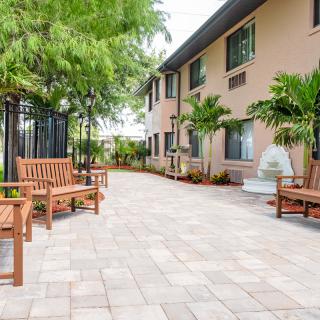
Residents can take advantage of our beautiful indoor common areas as well as our inviting outdoor spaces, including a garden for peaceful relaxation. Housekeeping services are provided to maintain cleanliness throughout the community.

In terms of location convenience, Kimberly Place benefits from its proximity to various amenities nearby. There are cafes, pharmacies, physicians' offices, restaurants, places of worship, and hospitals all within close reach.

Choosing Kimberly Place means choosing a caring community dedicated to providing personalized assistance while promoting independence and overall well-being.

Nearby Places of Interest

This area of Punta Gorda, Florida, offers a convenient location with various amenities within a short distance. Nearby restaurants such as Creekside Tavern, Applebee's, and Culver's provide dining options for residents. In terms of healthcare facilities, there are multiple hospitals and medical centers in the vicinity, including Bayfront Health Punta Gorda and Fawcett Memorial Hospital. Places of worship like the Lutheran Church of the Cross cater to spiritual needs, while pharmacies like Walmart Pharmacy and CVS Pharmacy are easily accessible for medication needs. For leisure activities, parks such as Bayshore Live Oak Park and McGuire Park offer opportunities for outdoor recreation. Additionally, cafes like Starbucks provide a cozy atmosphere for socializing. Overall, this area offers a diverse range of services that could cater to the needs of seniors looking to live in a well-equipped community.

Restaurants

  • Creekside Tavern (0.1 miles)
  • Applebee's (2 miles)
  • Culver's (2.1 miles)
  • Cracker Barrel (2.2 miles)
  • Waffle House (2.2 miles)
  • Burger King (2.2 miles)
  • Taco Bell (2.4 miles)

Hospitals

  • Deep Creek Rehab & Nursing Center (1.2 miles)
  • Bayfront Health Punta Gorda (5.1 miles)
  • Maternal Child Center (5.1 miles)
  • Charlotte Regional Medical (5.2 miles)
  • Tele Care (5.2 miles)
  • Bayfront Health Port Charlotte (5.2 miles)
  • Fawcett Memorial Hospital (5.3 miles)

Places of Worship

  • Lutheran Church of the Cross (1.5 miles)

Pharmacies

  • Walmart Pharmacy (2.1 miles)
  • CVS Pharmacy (2.3 miles)
  • Winn-Dixie (2.4 miles)
  • Walgreens (2.5 miles)
  • Winn-Dixie (4.5 miles)
  • CVS Pharmacy (4.8 miles)
  • Walgreens (4.9 miles)

Cafes

  • Starbucks (2.3 miles)

Physicians

  • Bob Pryor Health Center (2.6 miles)
  • Water's Edge Dermatology (4.6 miles)
  • American Imaging of Southwest Florida (4.7 miles)
  • Rosenfield Louis D MD FACC (4.9 miles)
  • Gulf Coast Professional Center (4.9 miles)
  • Charlene Okomski D.O., PA (4.9 miles)
  • Cardiology Associates (4.9 miles)

Parks

  • Bayshore Live Oak Park (5 miles)
  • McGuire Park (5.5 miles)

Frequently Asked Questions

How much does it cost to live at Kimberly Place in Punta Gorda, FL?
Where is Kimberly Place?
What photos are available for Kimberly Place in Punta Gorda, Florida?

Nearby Communities

  • M & M Adult Family Home

    M & M Adult Family Home

    Punta Gorda, FL

     
    $2,500 to $4,000 / month

    pro Memory Care specialization with personalized care; diabetic and incontinence support; vegetarian dining.

  • Alder Terrace Adult Care Center

    Alder Terrace Adult Care Center

    Punta Gorda, FL

    4.9 from 27 reviews
     

    pro Warm, family-like atmosphere with attentive staff and good meals.

  • Charlotte Crossing Apartments

    Charlotte Crossing Apartments

    Punta Gorda, FL

    4.6 from 19 reviews
    $540 to $643 / month

    pro Clean, well-maintained spaces with friendly staff.

  • Alder Terrace Care Center

    Alder Terrace Care Center

    Punta Gorda, FL

    4.8 from 18 reviews
    $2,600 to $6,996 / month

    pro Caring, attentive staff in a warm, home-like setting with engaging activities.

  • The Courtyard Assisted Living

    The Courtyard Assisted Living

    Punta Gorda, FL

    3 from 28 reviews
    $1,800 to $3,400 / month

    pro Caring staff and a wide range of services and on-site amenities.

  • The Courtyards of Horizon

    The Courtyards of Horizon

    Port Charlotte, FL

    2.6 from 24 reviews
     

    pro Varied apartment options (1BR, 2BR, studios) with extensive on-site amenities and care services.

  • Sandhill Gardens Retirement Residence

    Sandhill Gardens Retirement Residence

    Punta Gorda, FL

    4.5 from 38 reviews
     

    pro Independent living with 24/7 supervision and extensive amenities.

  • River Forest Village Inc

    River Forest Village Inc

    Punta Gorda, FL


    pro Strong diabetic care with engaging on-site activities.

  • Solaris Healthcare Charlotte Harbor

    Solaris Healthcare Charlotte Harbor

    Port Charlotte, FL

    3.6 from 81 reviews
     

    pro Caring staff and an active, clean environment with on-site rehab and engaging activities.

Related Resources

  • assisted living insuranceAssisted Living Expenses and Long-Term Care Insurance: A Comprehensive Exploration

    The article discusses assisted living expenses, the importance of long-term care insurance in covering these costs, and various financing options, highlighting the need for careful policy review and early planning to address potential needs. It also clarifies common misconceptions about Medicare and private health insurance limitations regarding long-term care coverage.

  • how to pay for assisted livingSecuring Financial Support for Assisted Living: A Comprehensive Overview

    Assisted living facilities offer crucial support for older adults needing help with daily activities but come with varying and significant costs, which can be financed through personal savings, government assistance programs, long-term care insurance, and home equity options. Professional guidance from experts can aid families in navigating these financial complexities to establish a sustainable budgeting approach for assisted living services.

  • assisted living for seniors on social securitySocial Security Benefits and Assisted Living: Navigating Options Across the U.S.
    Assisted living costs often exceed Social Security benefits, necessitating a combination of funding sources like state aid and Medicaid. Understanding the interaction between Social Security programs and available financial support is essential for affording such care.