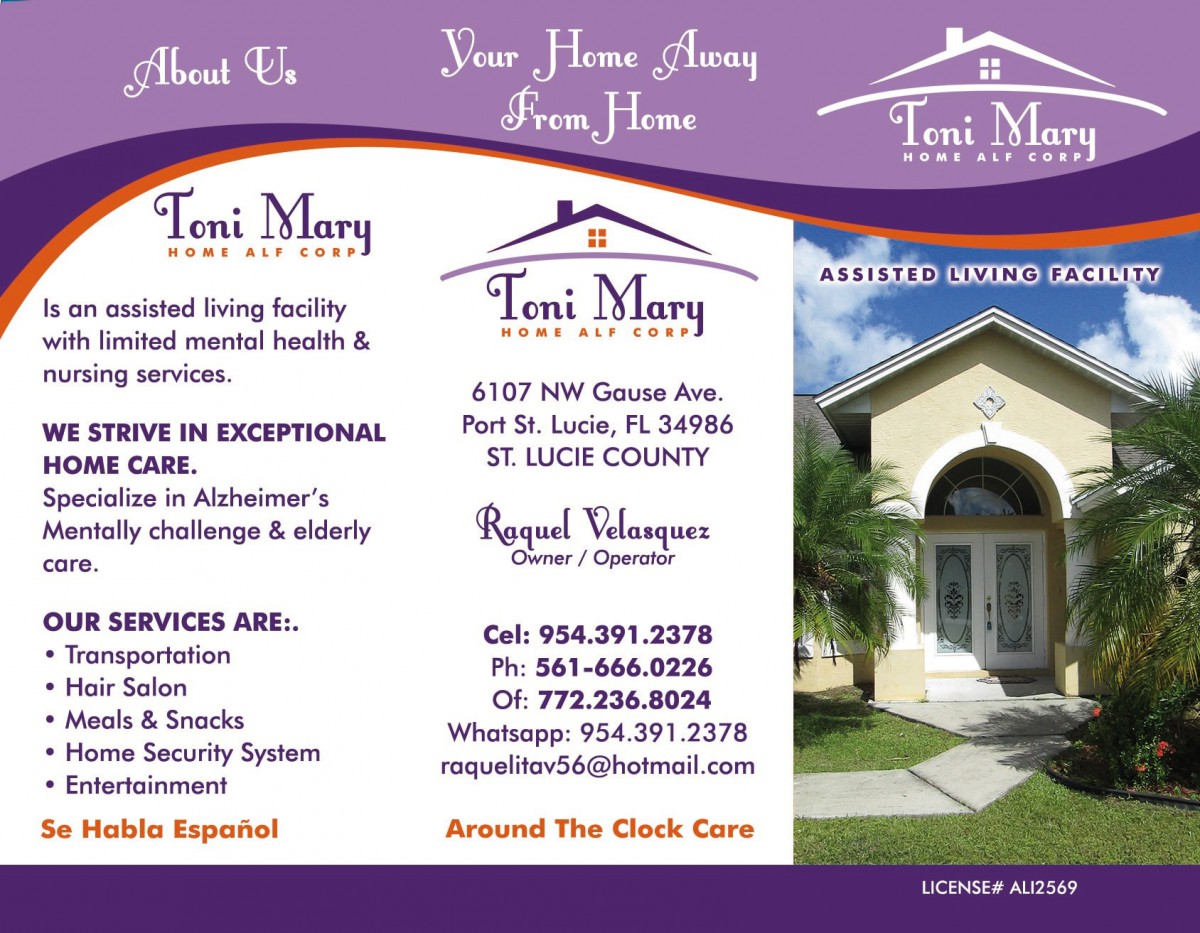

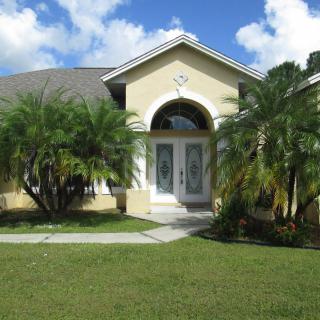
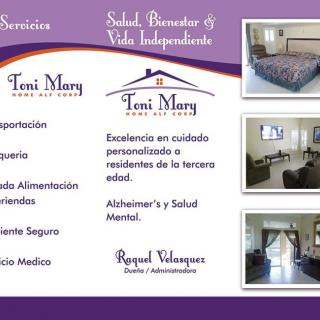
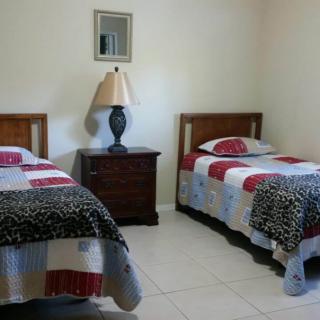
6107 NW Gause Ave, Port Saint Lucie, FL 34986
To contact a resident: (772) 236-8024
For more information about senior living options: (866) 208-4318
Toni Mary Home ALF Corp Costs & Pricing
Toni Mary Home ALF Corp offers competitive pricing for assisted living options, particularly when compared to the broader market in St. Lucie County and the state of Florida. Their semi-private rooms are available at $2,000 per month, significantly lower than the county average of $2,717 and the state average of $3,009. Similarly, for private rooms, Toni Mary Home maintains a cost-effective rate of $2,500, which is notably less than both the county's average of $3,665 and Florida's overall average of $3,699. This positions Toni Mary Home ALF Corp as an attractive choice for families seeking quality care without excessive financial burdens.
| Floor plans | Toni Mary Home ALF Corp | St. Lucie County | Florida |
|---|---|---|---|
| Semi-Private | $2,000 | $2,717 | $3,009 |
| Private | $2,500 | $3,665 | $3,699 |
Senior living communities with a similar price nearby
-
About the same

The Sovana at Stuart
$1,947 to $2,184 / month12.0 miles away -
from +$300 / mo
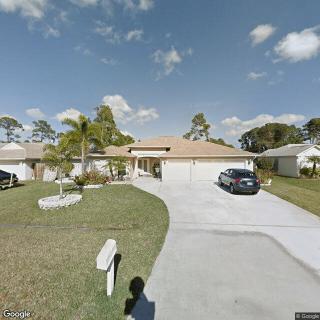
Nelisha Family Home
$2,300 to $4,500 / month8.2 miles away -
from -$200 / mo
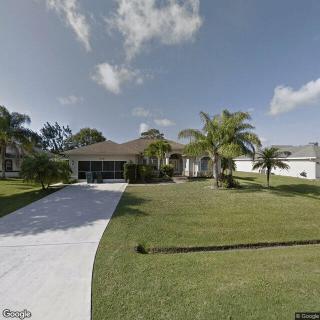
Magdolna Home Care
$1,800 to $2,500 / month4.5 miles away -
from +$265 / mo

Indian River Estates East
$2,265 to $2,490 / month20.9 miles away -
from +$326 / mo
Discovery Village Vero Beach
$2,326 to $3,400 / month20.1 miles away
Overall Review of Toni Mary Home ALF Corp
Pros
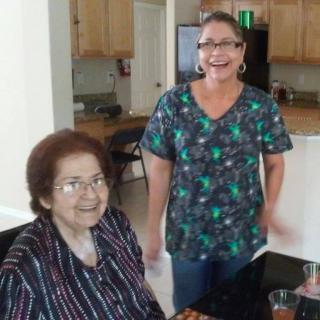
 The staff at Lotus Assisted Living Facility is amazing and very helpful from day one.
- Lotus ALF provides a warm, welcoming, and caring environment with a cozy, home-like atmosphere.
- The care at Lotus includes personalized care plans, engaging activities, and attentive medical support.
- The owner, Mura Daraban, is trusted, dedicated, and deeply committed to resident care.
- The team includes Gabriela, a nurse, adding professional reassurance to residents' care.
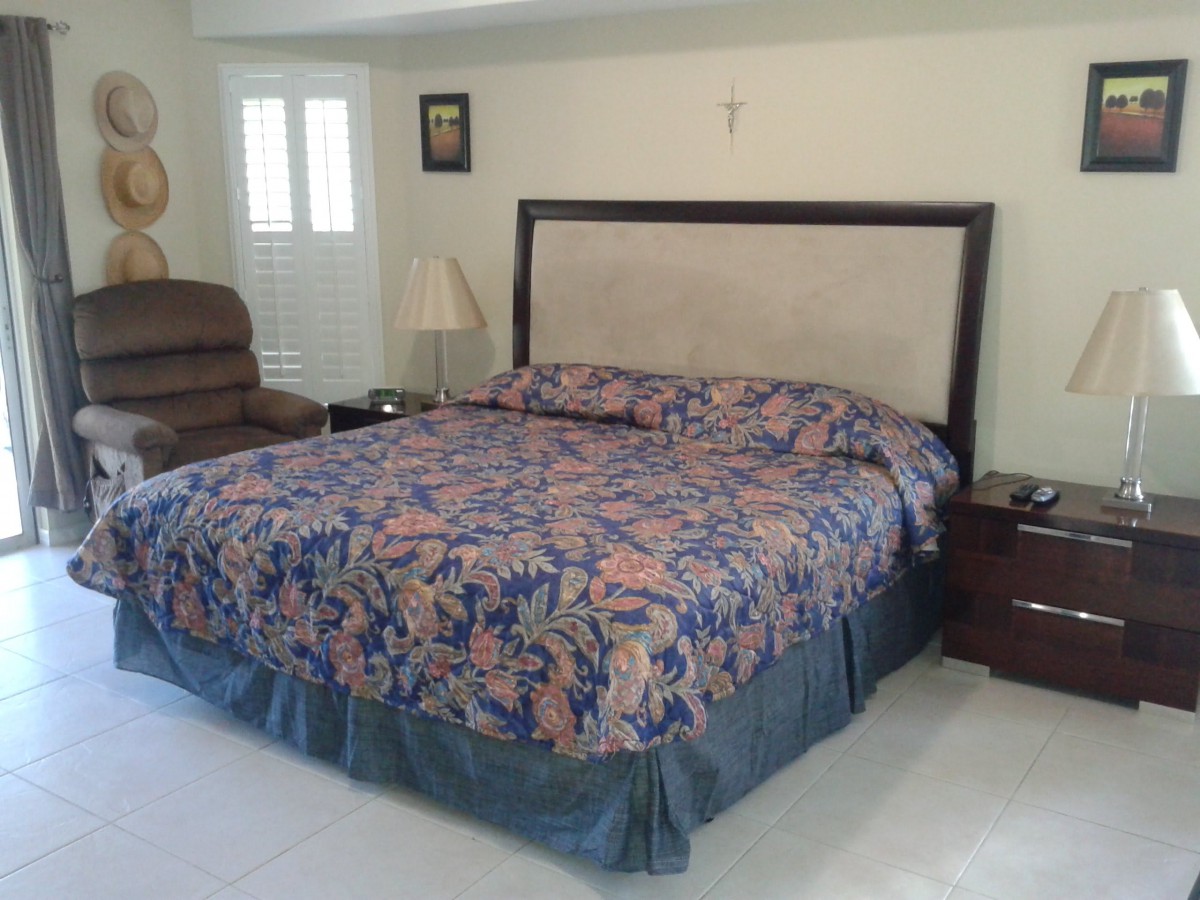
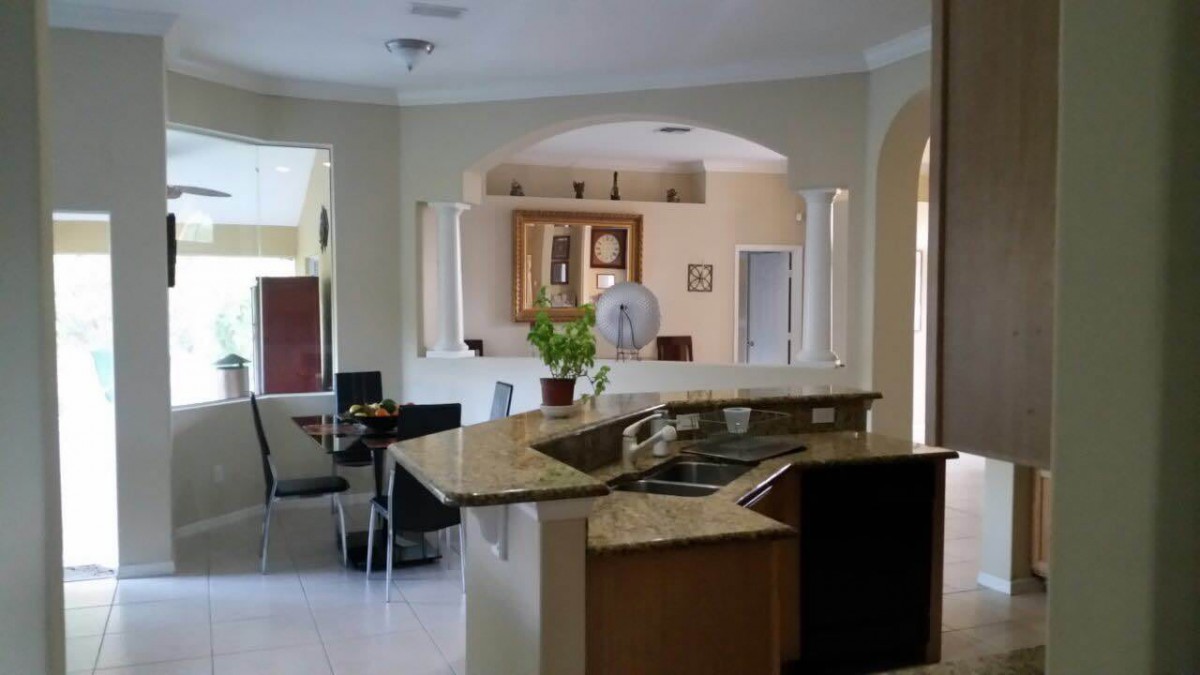
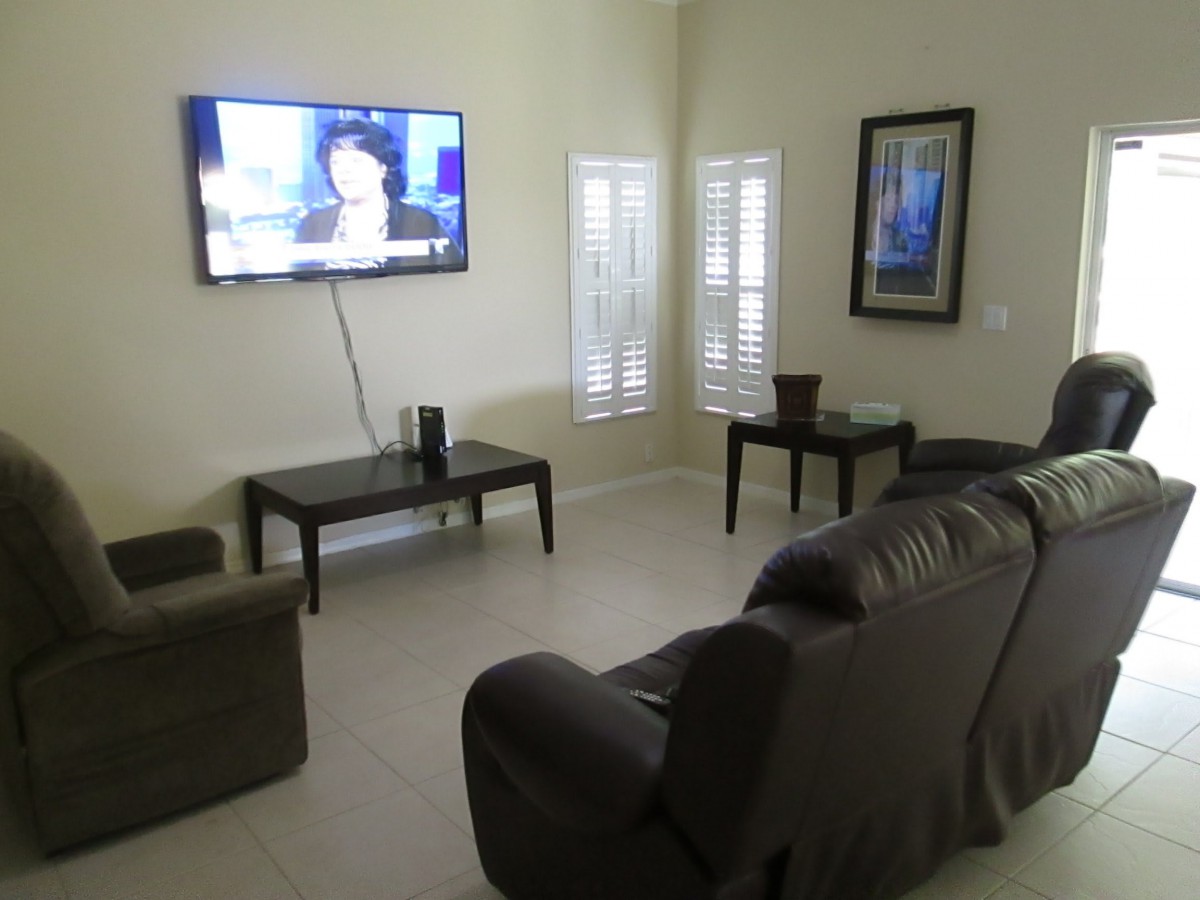
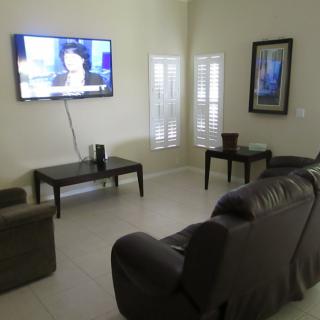
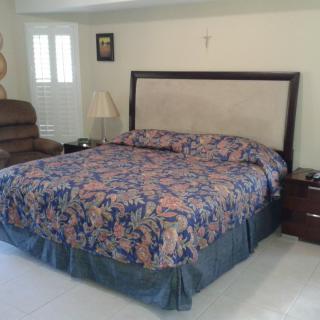
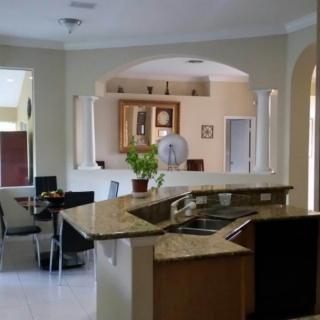
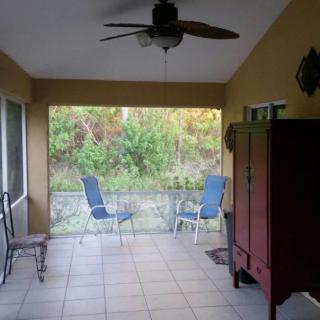
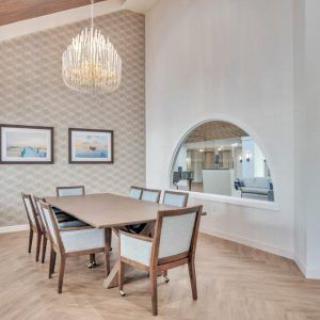
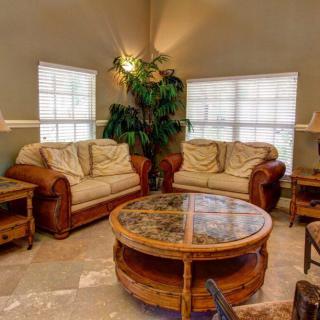
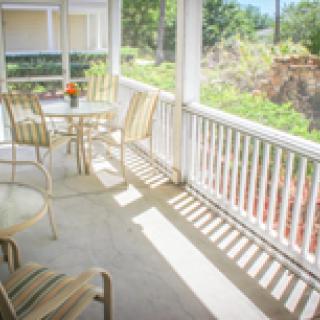
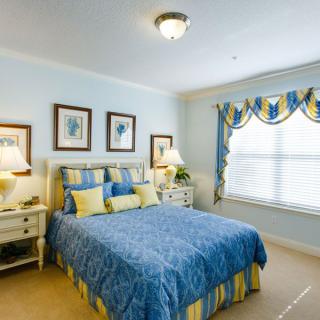
- The facility is beautifully designed and well-maintained, with modern, spacious spaces and plenty of light.
- Lotus feels like a safe, supportive, and welcoming place that families would recommend.
Cons
 Initially, she wanted to leave and felt she did not belong there.
Review
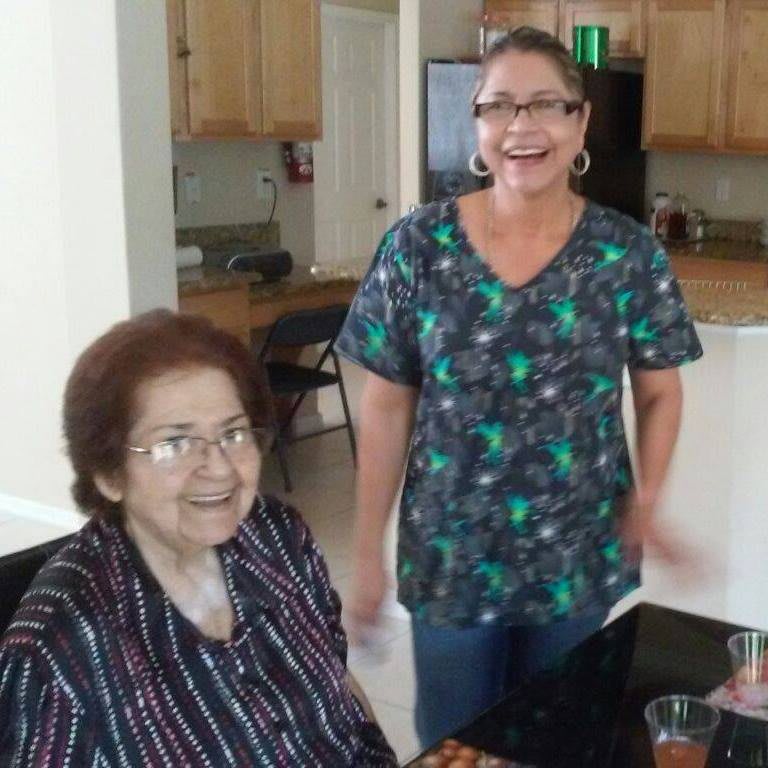
Lotus Assisted Living Facility (Lotus ALF), operated by Toni Mary Home ALF Corp in Port Saint Lucie, is best suited for families seeking a warm, small-scale, home-like environment for a loved one who benefits from highly personalized attention, especially when memory care is a priority. The community shines for residents who thrive on stable routines, intimate staffing, and a setting where care feels like family. It is particularly well matched to families navigating dementia care, where calm oversight, hands-on leadership, and easy access to caregivers make a meaningful difference in daily life and well-being.
Those weighing alternatives should consider larger assisted living campuses or dedicated memory-care communities that deliver more expansive medical programming, broader rehab services, and a more institutional feel. If a resident requires round-the-clock nursing, robust clinical resources, or an extensive calendar of on-site therapies and structured memory-care units, a bigger operation may be a better fit. Families seeking a more clinical atmosphere, broader campus amenities, or extensive in-house rehab may find it worthwhile to explore options beyond the intimate Lotus model.
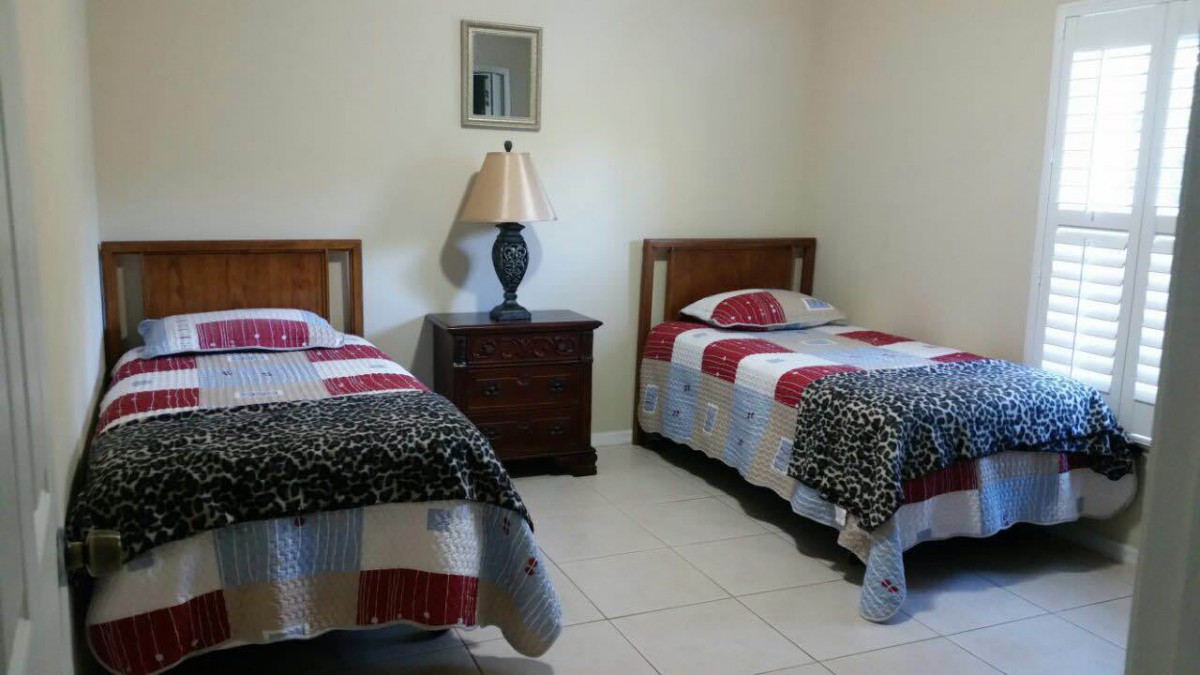
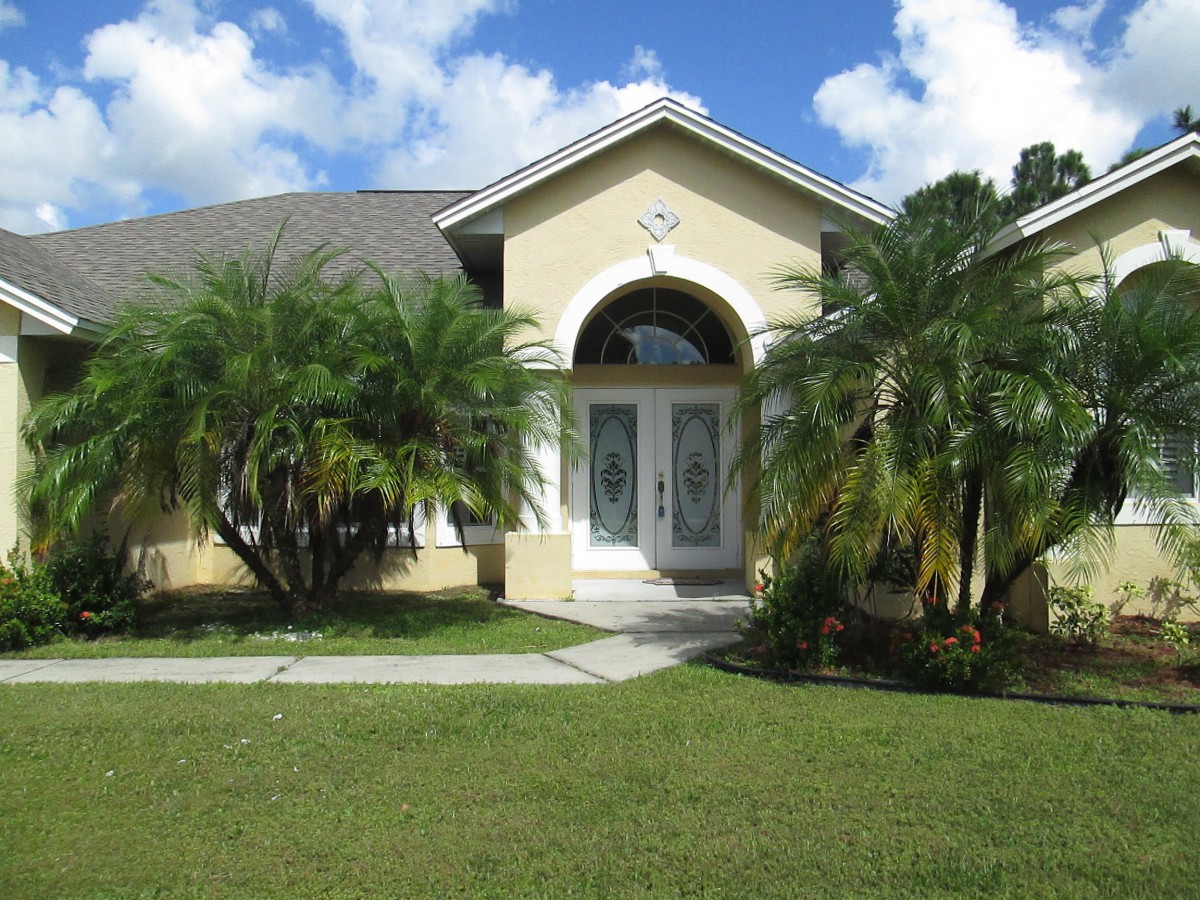
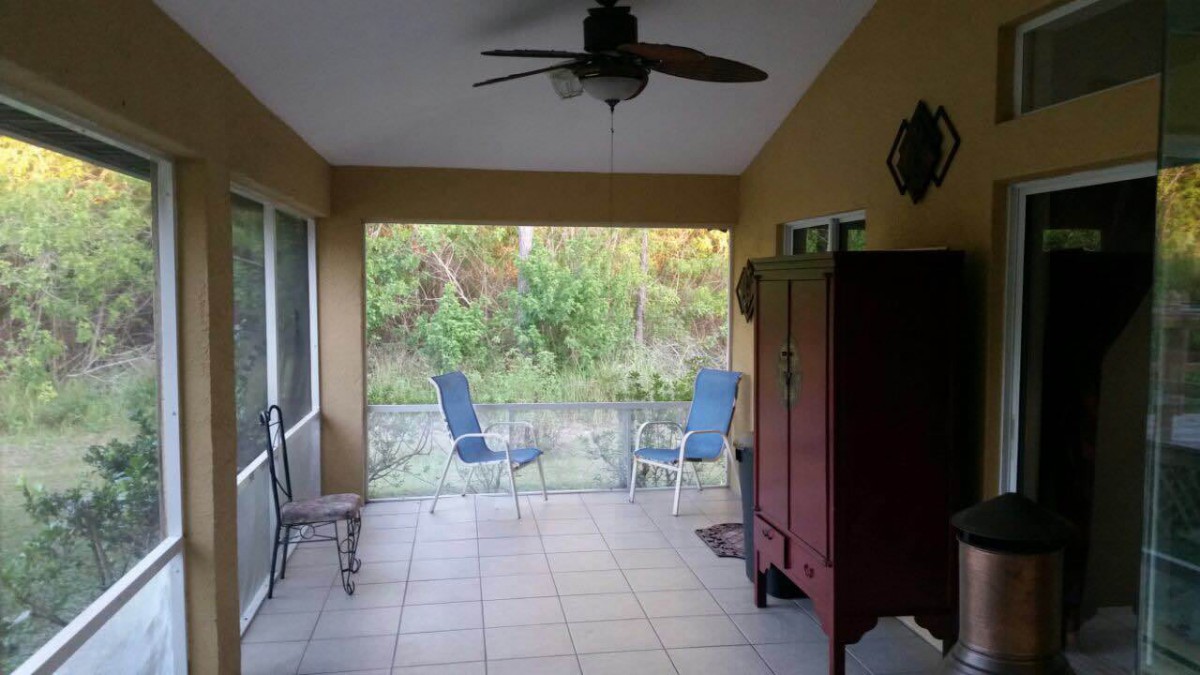
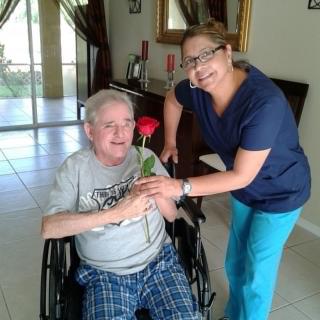
The strongest advantages here are the intimate, well-maintained setting and the standout, hands-on leadership. The facility itself feels like a boutique home: modern, clean, bright, with inviting spaces that reduce agitation and foster social connection. The owner, Mura, is repeatedly described as trustworthy, deeply committed, and actively involved in day-to-day care. Her team includes her daughter Gabriela, a nurse, which adds a reassuring layer of medical competence and accessibility. The staff are consistently praised for warmth, diligence, and genuine investment in each residentā€™s welfare, translating into strong continuity of care and meaningful daily engagement. In addition, residents benefit from personalized care plans, proactive communication with families, and a program of activities that keeps people engaged without feeling regimented.
These strengths offset the primary drawback that accompanies a small-house operation: capacity and the breadth of clinical resources. A compact, family-style setting means a caregiver-to-resident ratio can be highly favorable, with rapid responsiveness and highly tailored routines. Families repeatedly note the value of direct access to leadership, quick responses to concerns, and a culture that treats residents as part of a close-knit family. The ability to arrange house calls from doctors and to tailor plans around individual preferences helps ensure that care feels cohesive and attentive, counterbalancing any perceived limits on scale. The trade-off, less on-site depth of medical infrastructure compared with larger facilities, is addressed by the depth of personal attention and the high level of hands-on oversight.
Nevertheless, prospective residents should enter with eyes open about potential constraints. The small size may limit the breadth of on-site therapies, specialized behavioral programs, or advanced clinical equipment that some families expect from bigger operations. For residents with complex medical needs or those requiring frequent, intensive therapy services, it is essential to verify the specific capabilities, staffing patterns, and escalation protocols. Families should request a sample care plan, confirm staffing coverage across all dayparts, and discuss emergency transfer arrangements. A candid tour and discussion with leadership will reveal how flexible the operation is in adapting to evolving needs, which is where many small, owner-led communities earn or lose confidence.
In sum, Lotus ALF stands out for families prioritizing trust, warmth, and highly personalized dementia-capable care in a home-like setting. It is a compelling choice for those who value close-knit staff relationships, visible leadership, and a calm, welcoming environment where residents are treated like family. If the priority is intimate, high-touch care with strong caregiver-resident connections, this community should be at the top of the short list. For situations requiring broader clinical programming, larger activity calendars, or a more clinical ambience, it pays to compare against larger ALFs or dedicated memory-care communities in the area. A guided tour paired with detailed care-planning conversations will confirm fit and readiness for the next step.
 Board and Care Home
 Activities off-site
 Bath tubs
 Beautician on-site
 Indoor common areas
 Outdoor common areas
 Private
 Private bathrooms
 Respite or short term stays offered
 Wheelchair accessible showers
 Ambulatory care
 Diabetic care
 Incontinence care
 Medication management
 Kosher
 Comprehensive Look at Senior Blood Pressure Charts: Normal and Elevated Levels by Age
 Top Canine Companions for Older Adults
 Comprehensive Guide to Blood Pressure Charts for Older Adults: Understanding Normal and High Readings by Age