
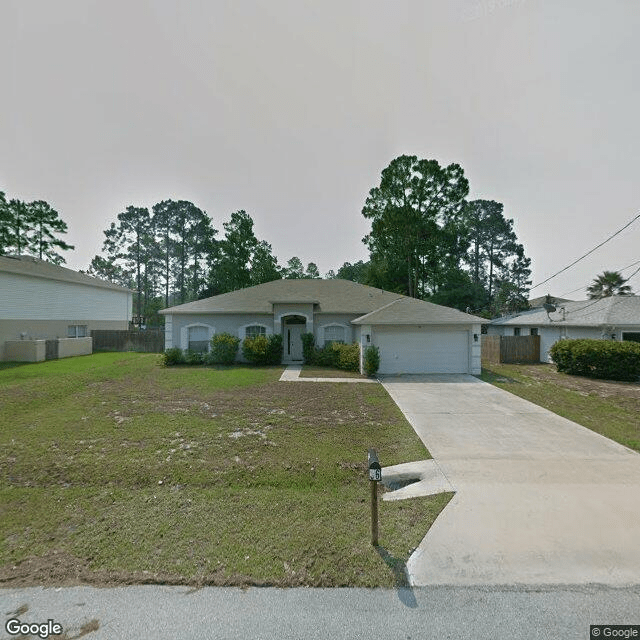
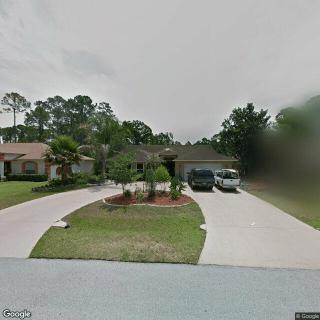
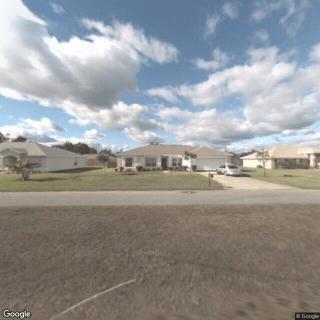
36 Bronson Lane, Palm Coast, FL 32137
For more information about senior living options: (866) 208-4318
M H Tender Care III Costs & Pricing
M H Tender Care III offers competitive pricing for its care services, particularly when compared to both Flagler County and the broader state of Florida. For those seeking semi-private accommodations, residents pay $2,000 per month, which is significantly lower than the county average of $2,700 and the state average of $3,009. Similarly, a one-bedroom unit at M H Tender Care III costs $2,400, while comparable options in Flagler County and across Florida are priced at $3,398 and $3,864 respectively. The same holds true for private rooms; at $2,400 per month, M H Tender Care III remains more affordable than the county's average of $3,034 and the state's average of $3,699. These cost advantages make M H Tender Care III an appealing choice for individuals seeking quality care without straining their finances.
| Floor plans | M H Tender Care III | Flagler County | Florida |
|---|---|---|---|
| Semi-Private | $2,000 | $2,700 | $3,009 |
| 1 Bedroom | $2,400 | $3,398 | $3,864 |
| Private | $2,400 | $3,034 | $3,699 |
Memory care communities with a similar price nearby
-
About the same
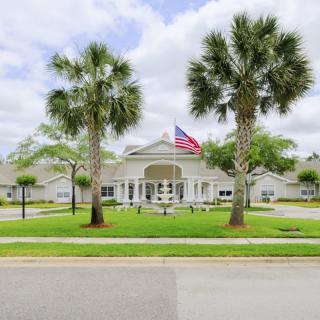
Grand Villa of Palm Coast
$1,995 to $3,195 / month8.7 miles away -
from +$145 / mo
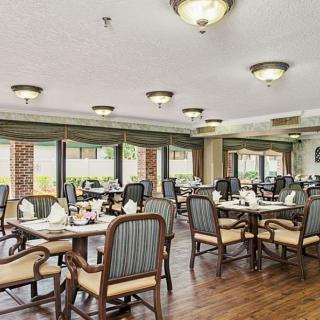
Grand Villa Of Ormond Beach
$2,145 to $4,095 / month21.5 miles away -
from -$200 / mo
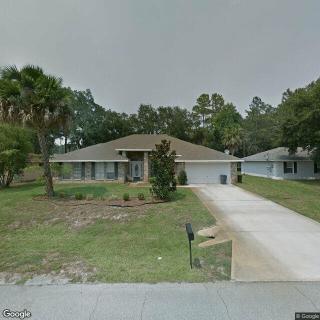
MH Tender Care II
$1,800 to $2,500 / month4.3 miles away -
from -$200 / mo
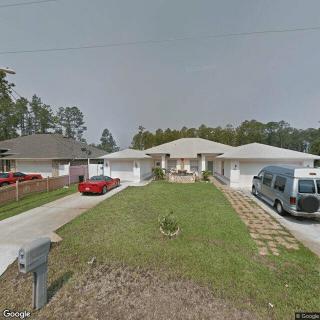
Gentle Care Assisted Living 2
$1,800 to $2,000 / month0.6 miles away -
from -$200 / mo
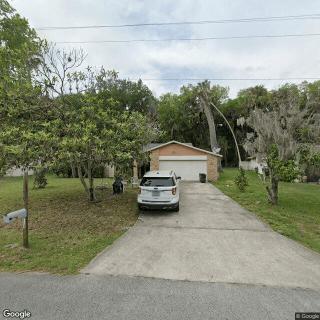
Gentle Care Assisted Living
$1,800 to $2,000 / month2.9 miles away
Overall Review of M H Tender Care III
Pros
 The reviewer is pleased with the overall care the mom receives at Home Sweet Home ALF in Palm Coast.
- The transition to a new home was easier, and the mom has roommates.
- The mom never complains about the food and loves to eat.
- The setting is calm and caring, with staff consistently available to meet the mom's needs.
- Communication with the owner is great and responses are quick.
- The resident is very happy at M H Tender Care.
- It is a small, friendly house with staff always glad to assist.
- Homemade meals are always superb.
- The place is described as a perfect ALF.
Cons
 The house was not as clean as they would have liked to see.
- The walls were filthy.
Review
M H Tender Care III in Palm Coast is best suited for families seeking a small, home-like assisted living option where residents receive attentive, hands-on support and meals that feel homemade. The strongest fit is for seniors who value intimate, neighborly atmosphere over the buzz of a larger campus, and for loved ones who want direct access to staff and administrators without navigating a sprawling facility. For these families, the setting’s quiet pace, the sense that care is personalized, and the ability to build routine with familiar faces can be a major relief. The small-house dynamic tends to translate into quicker responses, more consistent bedside care, and daily interactions that feel genuine rather than transactional.
That said, some families will want alternatives. If cleanliness standards are non-negotiable, the occasional critique about wall cleanliness cannot be ignored, and it is reasonable to want a consistently pristine environment. For seniors who require more extensive programming, structured activities, or advanced medical oversight, a larger community with formal memory-care and rehabilitation tracks may serve better. Availability is another practical constraint; tours and inquiries suggest this site can fill quickly, so families needing immediate placement may need to explore sister locations or nearby options with steadier openings. In short, those seeking a high-occupancy, feature-rich campus should look beyond this particular house.
The most persuasive pros align with the core value proposition of a small, caring home: residents report friendly, responsive staff who are readily available to assist, a calm atmosphere, and meals that feel familiar and satisfying. In a residence of this size, staff can know individual preferences and routines, which minimizes confusion and supports continuity of care. The sense that care is thoughtfully managed by people with a professional demeanor, someone described as running the place with warmth and competence, adds a layer of confidence for families who want clear accountability and accessible communication. For some residents, these factors translate into meaningful daily comfort and fewer agitation points.
Yet the cons carry real weight in decision-making. The cleanliness issue raised by at least one reviewer, dirty walls, cannot be dismissed, as it speaks to ongoing maintenance and overall hygiene standards. In a setting this intimate, housekeeping lapses can erode trust and trigger concerns about broader safety specifics, such as air quality and resident-at-risk areas. The limited size, while a strength for personalized attention, also means fewer activity options and a narrower social calendar unless the staff actively curates programs. Families should verify current housekeeping practices and a plan for regular, visible upkeep before committing, and should ask to speak with current residents about daily activities to gauge whether the pace matches expectations.
For families evaluating this choice, a practical path forward is essential. During visits, assess how quickly staff respond to call bells and requests, observe interactions between caregivers and residents, and note how meals are provided, are dietary needs and preferences accommodated, and is there variety within a home-cooked model? Inquire about physician involvement and medical oversight, since the sense of medical compatibility often drives long-term satisfaction. Check the facility’s ability to handle transitions in care level, such as increasing assistance or short-term rehabilitative needs, and ask about the other Tender Care locations in the area for scalability if circumstances change. Also, ask current residents about the perceived cleanliness and the consistency of warm, professional behavior from the leadership.
Bottom line: M H Tender Care III offers a promising option for families prioritizing an intimate, home-like environment with dependable, accessible staff and homestyle meals. It is a strong pick for those who prize personal attention over campus size, and for loved ones who thrive in a calm, predictable routine. However, the facility’s value hinges on confirming cleanliness standards and ensuring that the limited activity slate aligns with the resident’s social and cognitive engagement needs. If cleanliness concerns persist or if a broader set of activities and stronger medical programming is required, alternatives, whether other Tender Care locations or nearby ALFs with more robust programming, should be on the table. With due diligence and a clear sense of priorities, the right fit should emerge among Palm Coast’s smaller, neighborly options.
 6 resident community capacity
 Assisted Living
 Board and Care Home
 Memory Care
 Respite Care
 Cable or satellite TV
 Dining room
 Fully furnished
 Garden
 Housekeeping services
 Move-in coordination
 Outdoor space
 Private
 Telephone
 Wi-Fi/high-speed internet available
 24-hour supervision
 Activities of daily living assistance
 Ambulatory care
 Assistance with bathing
 Assistance with dressing
 Assistance with transfers
 Diabetes diet
 Diabetic care
 High acuity care
 Incontinence care
 Meal preparation and service
 Medication management
 Special dietary restrictions
 Transportation arrangement (medical)
 Transportation to doctors appointments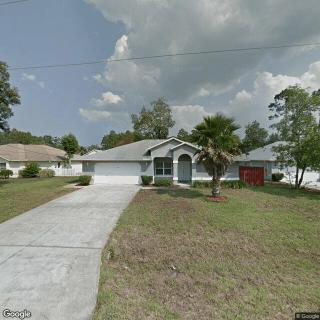

 Vibrant Senior Living: A Comprehensive Guide for Active Older Adults
 Assisted Living and Memory Care: Understanding Their Core Differences
 Choosing the Right Senior Care: A Detailed Exploration of Assisted Living and Nursing Homes