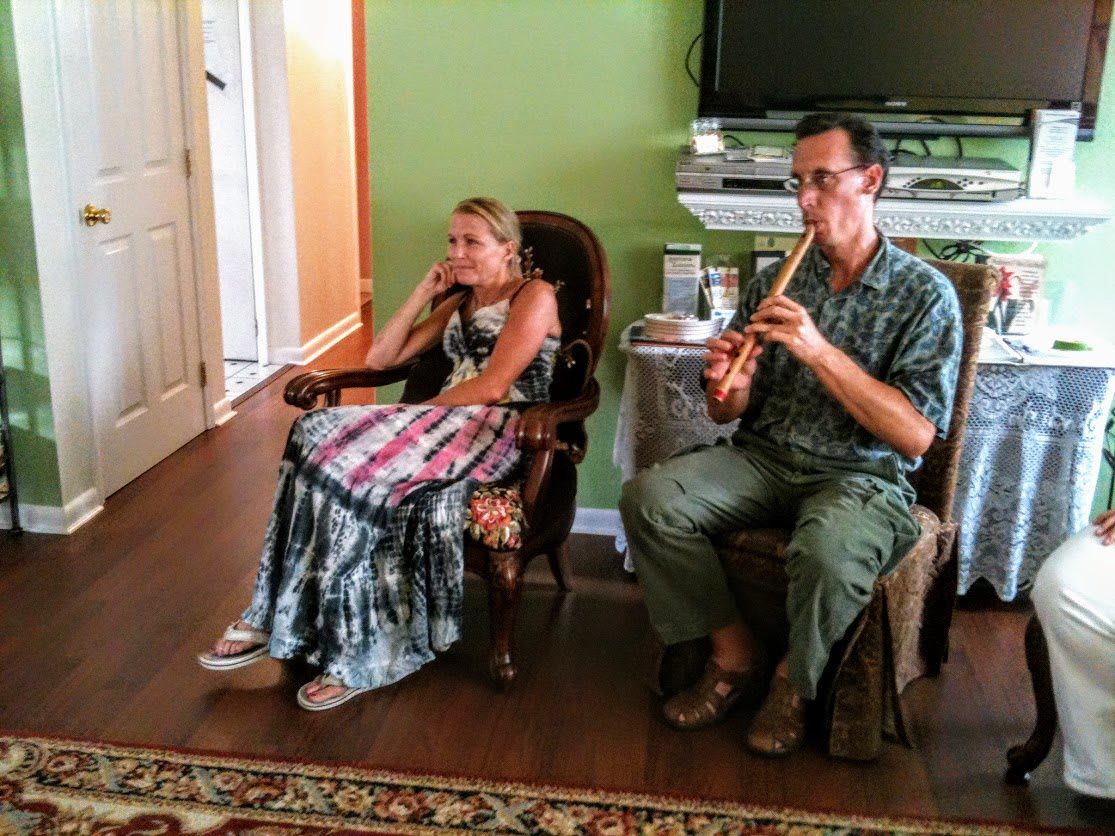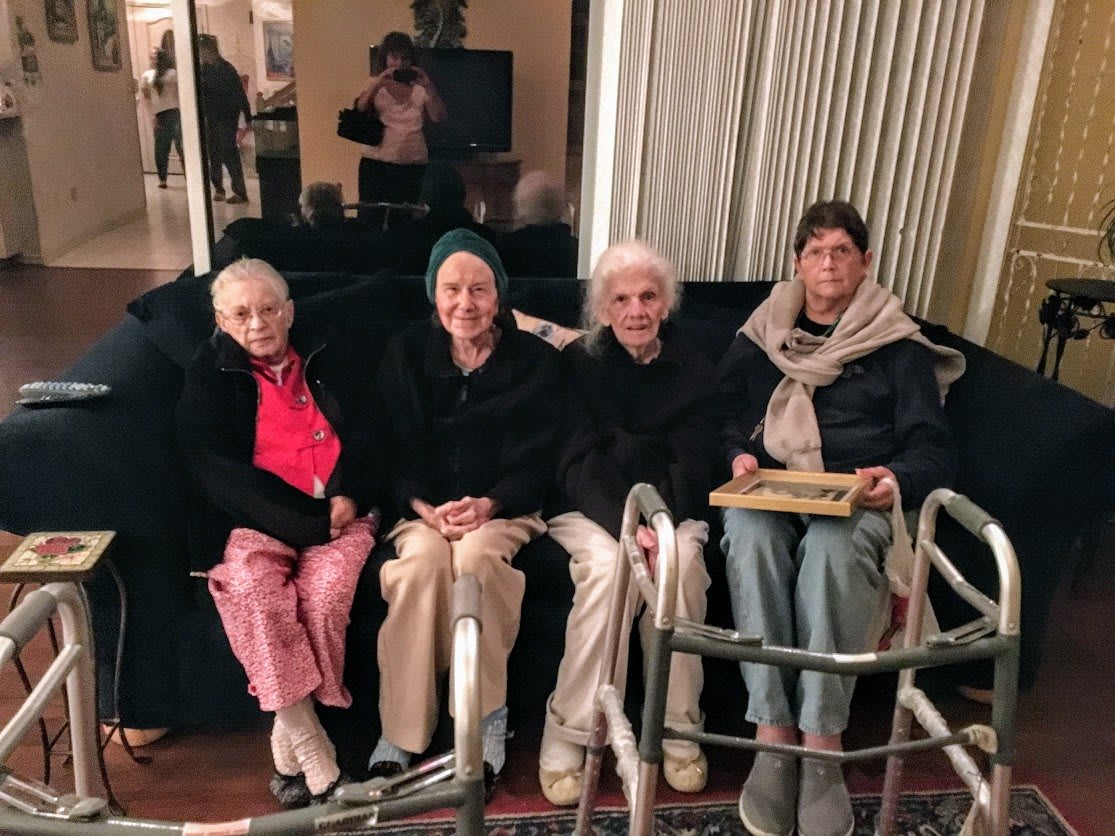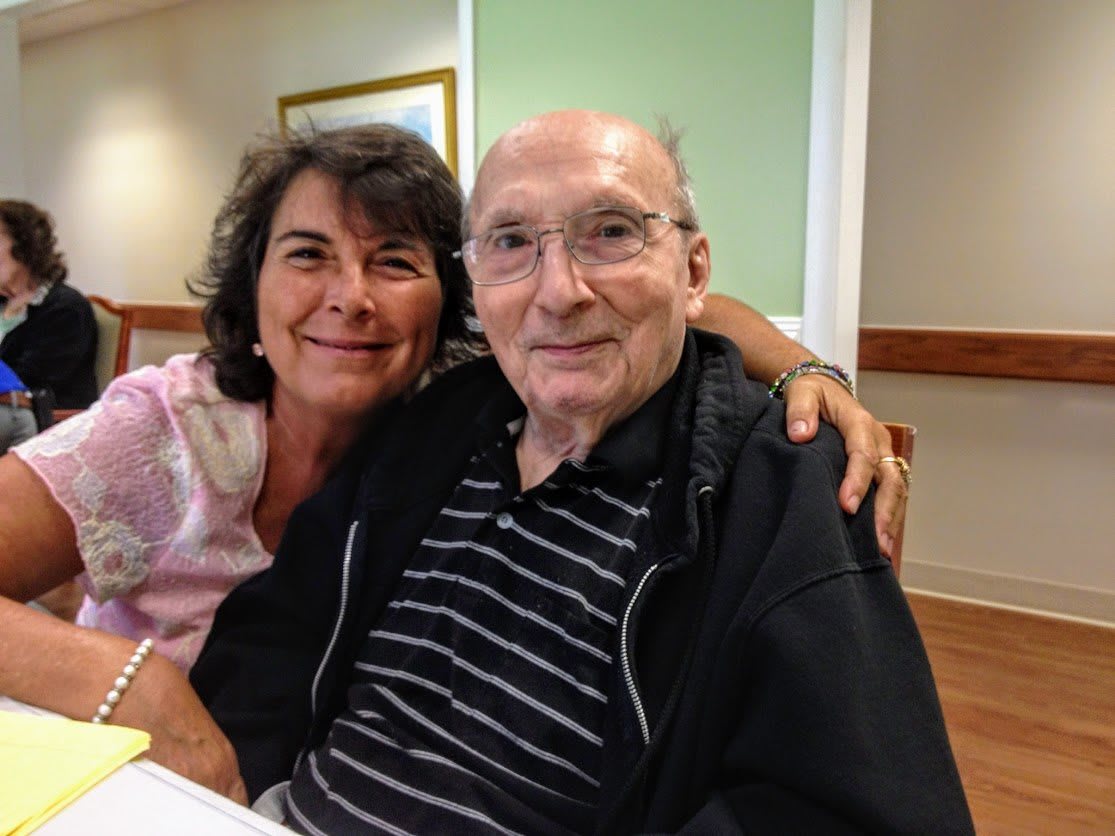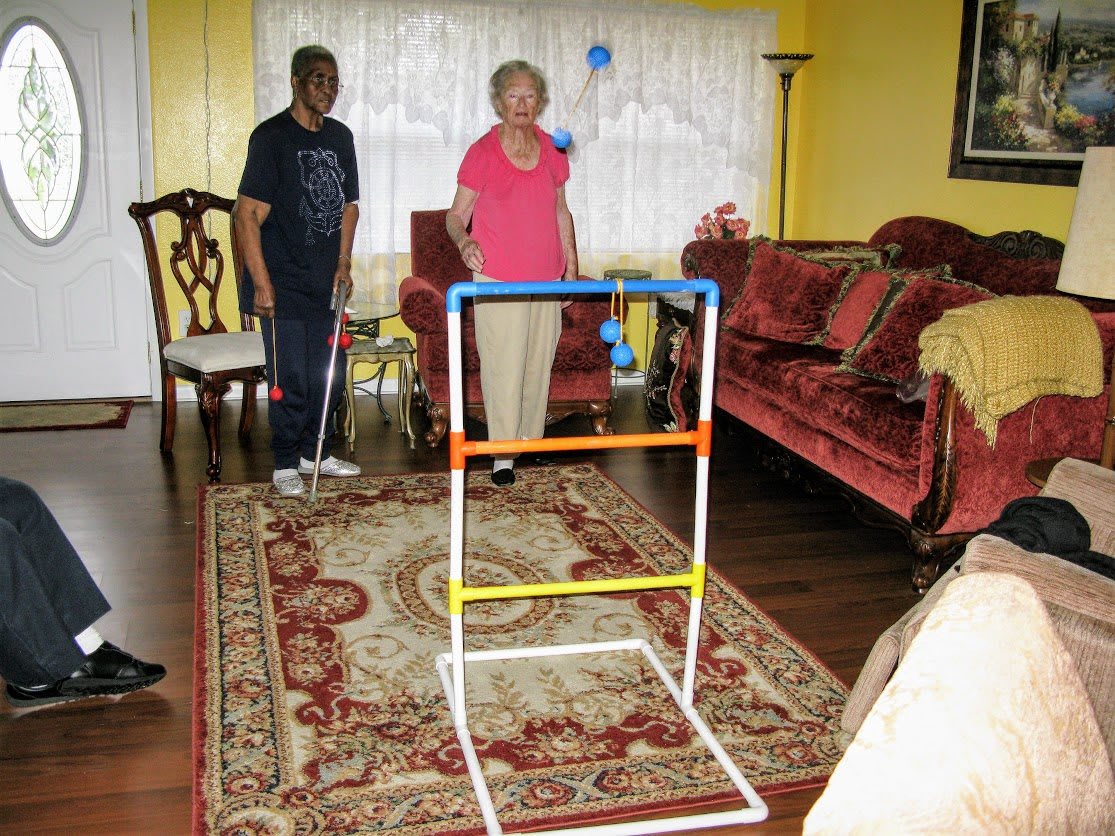


1971 Port Malabar Boulevard, Palm Bay, FL 32905
To contact a resident: (321) 693-3325
For more information about senior living options: (866) 208-4318
A Place Like Home Assisted Living Facility Costs & Pricing
A Place Like Home Assisted Living Facility offers competitive pricing across various room types compared to the broader market in Brevard County and the state of Florida. For semi-private rooms, the facility's rates range from $2,800 to $3,395, which is slightly lower than the county average of $3,027 and the state average of $3,009. Private rooms are priced between $3,200 and $4,700; while this range may appear higher than both the county ($3,663) and state averages ($3,699), it provides flexibility for residents seeking different amenities or levels of care. The facility's studio option sits at a fixed price of $3,290 - more economical than both local ($3,805) and state ($3,823) counterparts. One-bedroom apartments also present a similar value proposition at $3,850 compared to averages of $3,909 in Brevard County and $3,864 statewide. However, for two-bedroom accommodations, A Place Like Home's rate of $5,350 exceeds both local ($4,581) and statewide ($4,711) prices. Overall, the facility's pricing reflects a thoughtful balance between quality care options and affordability within its market context.
| Floor plans | A Place Like Home Assisted Living Facility | Brevard County | Florida |
|---|---|---|---|
| Semi-Private | $2,800 to $3,395 | $3,035 | $3,009 |
| Private | $3,200 to $4,700 | $3,672 | $3,699 |
| Studio | $3,290 | $3,805 | $3,823 |
| 1 Bedroom | $3,850 | $3,909 | $3,864 |
| 2 Bedrooms | $5,350 | $4,581 | $4,711 |
Senior living communities with a similar price nearby
-
from -$230 / mo

The Residences at Zon Beachside
$2,570 to $4,500 / month10.9 miles away -
from +$200 / mo
Caring Manor
$3,000 to $3,800 / month1.6 miles away -
About the same
Pelican Garden Assisted Living
$2,750 to $3,500 / month18.5 miles away -
from -$300 / mo
Good Heavens AFCH
$2,500 / month18.1 miles away -
from +$200 / mo
Riverview Senior Resort
$3,000 to $4,500 / month1.5 miles away
Overall Review of A Place Like Home Assisted Living Facility
Pros
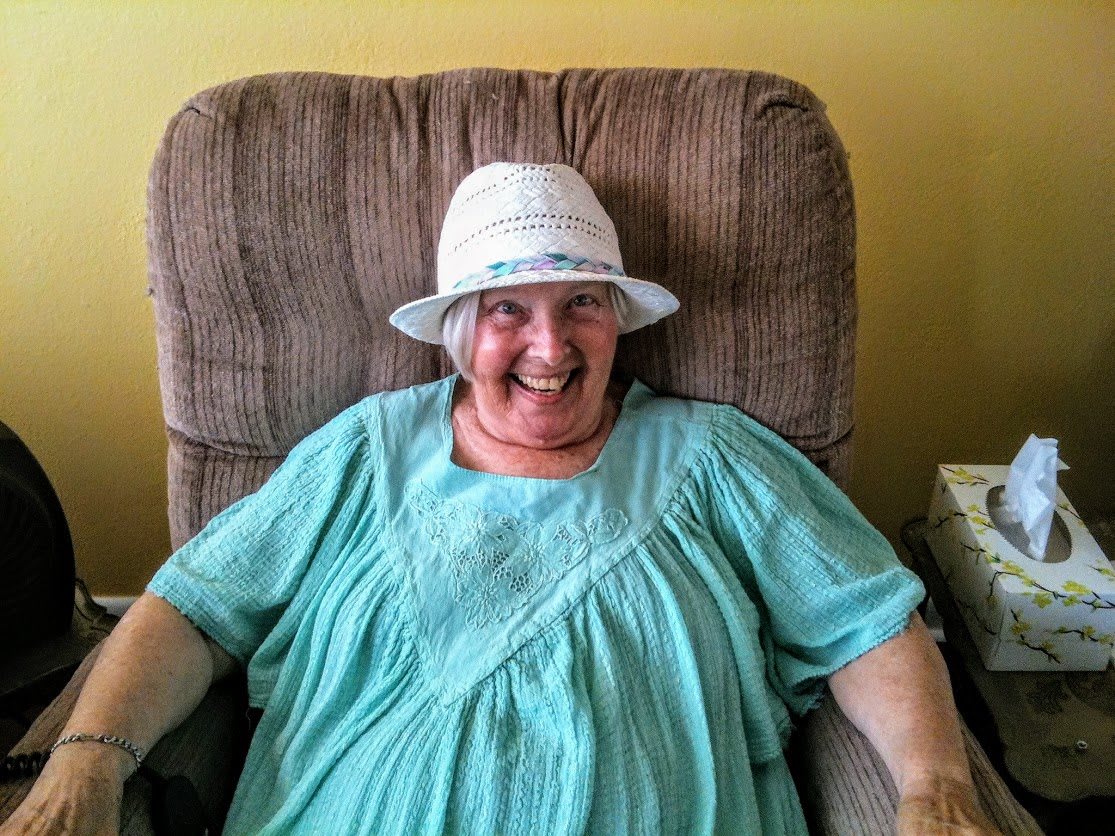
 The mom loves it there, and Diane is very good to her.
- The staff are wonderful to work with.
- The mother-in-law was happy there and received excellent care.
- In this small home, residents have more choices and attention.
- The home is clean and orderly, and staff treat residents and their families like extended family.
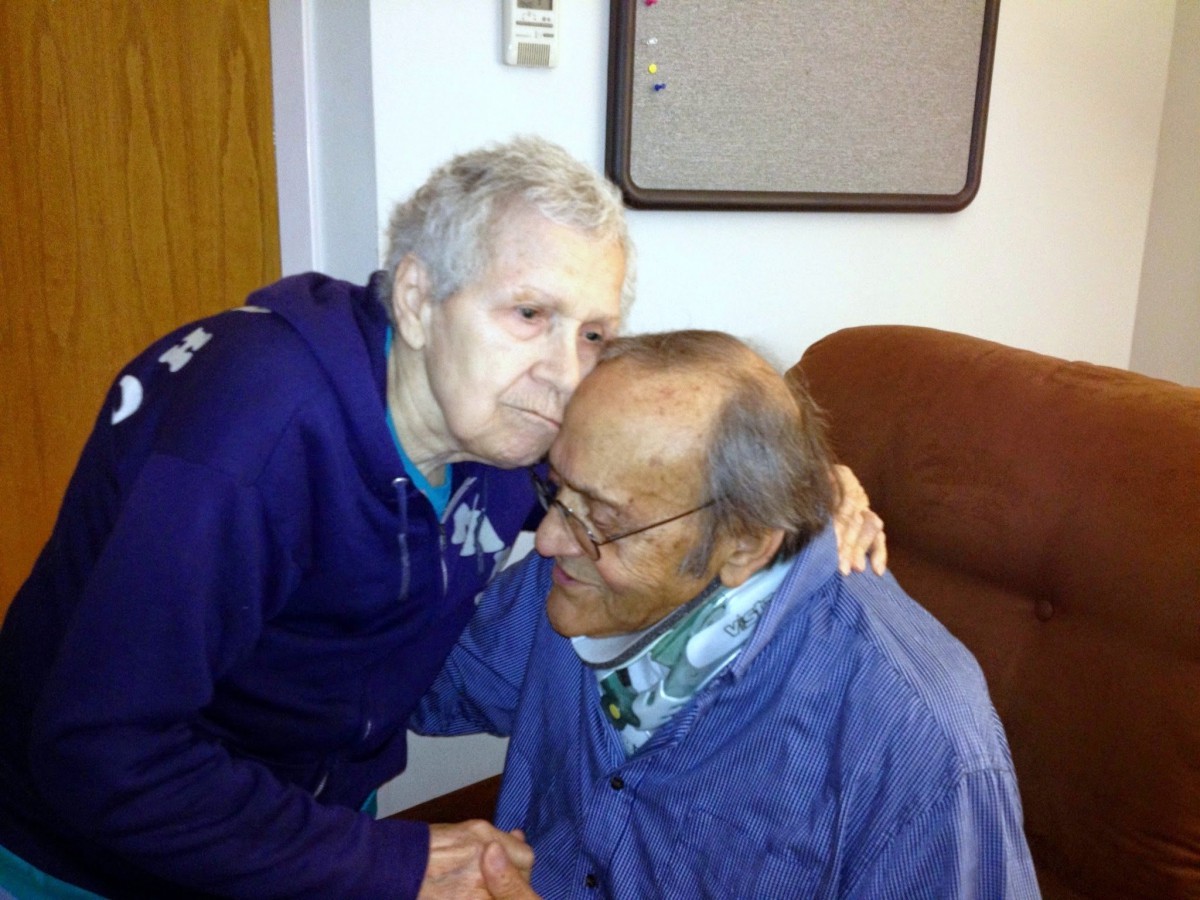
- The staff become like family to residents and provide loving care.
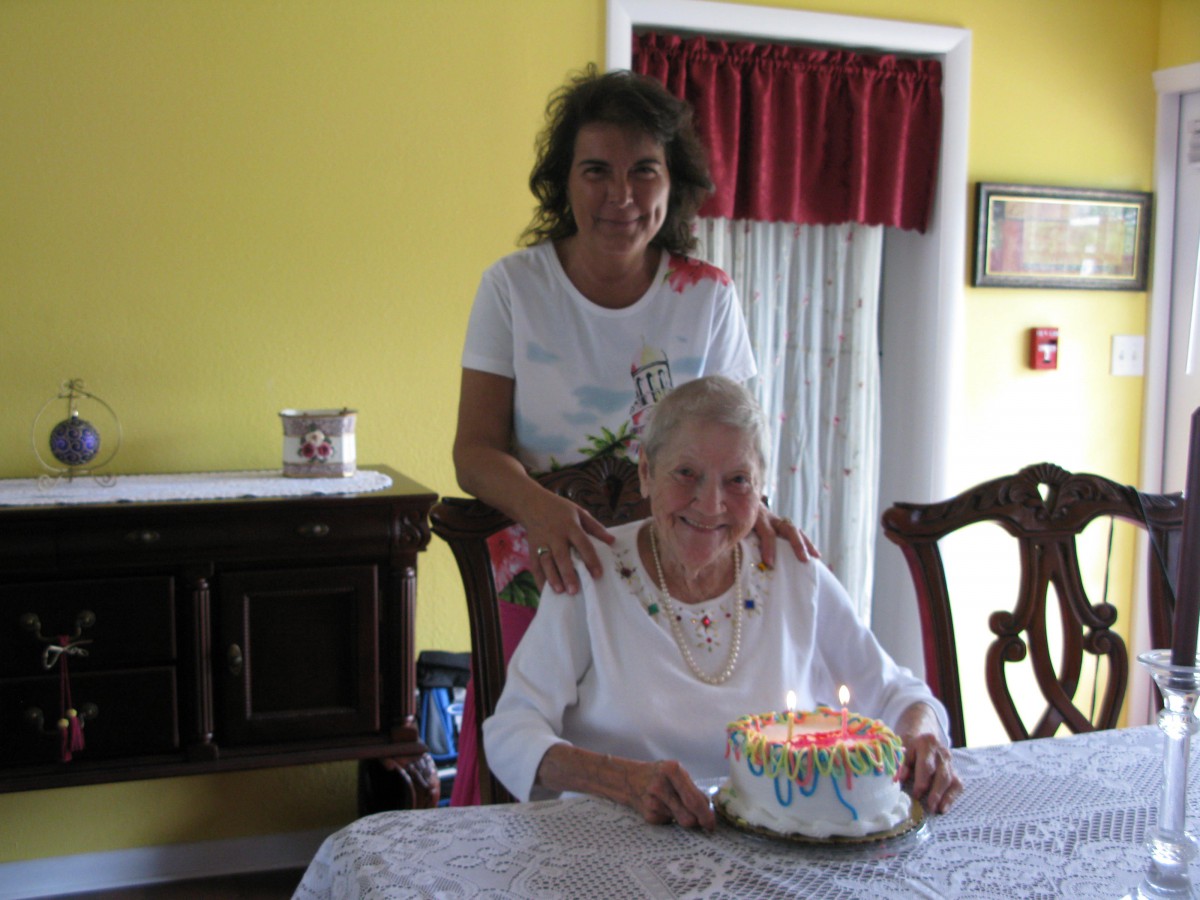
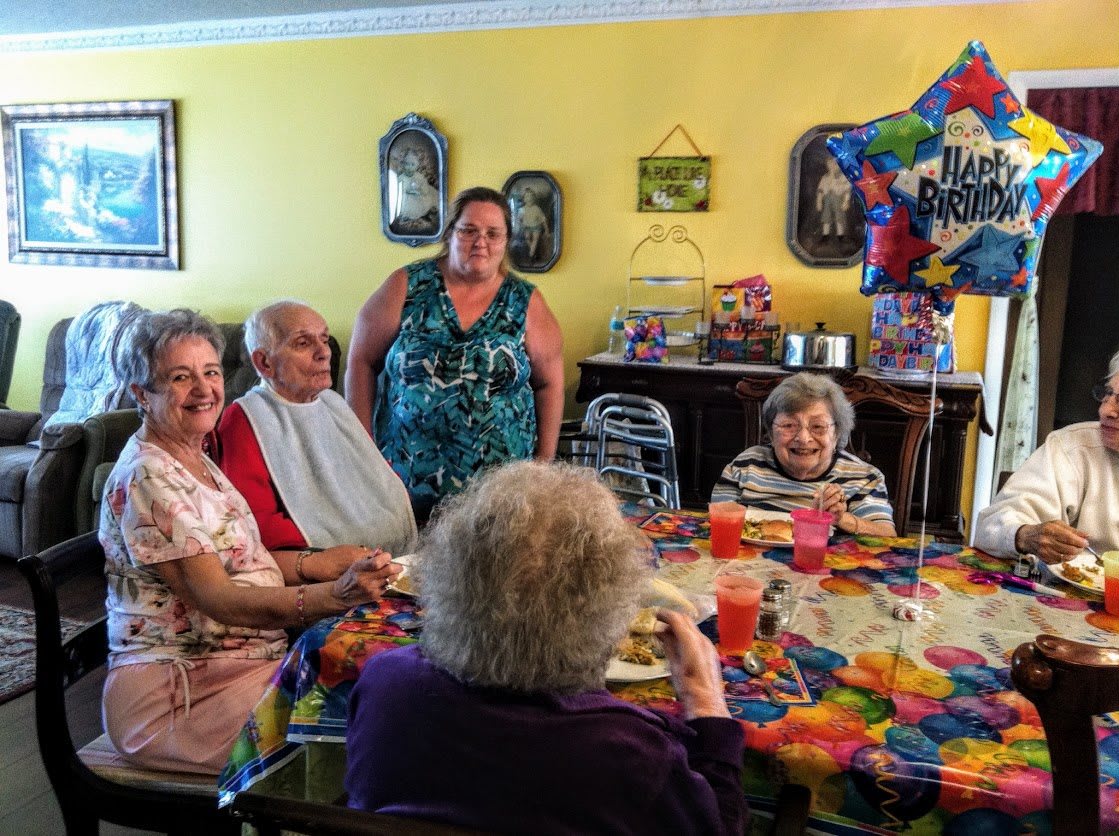
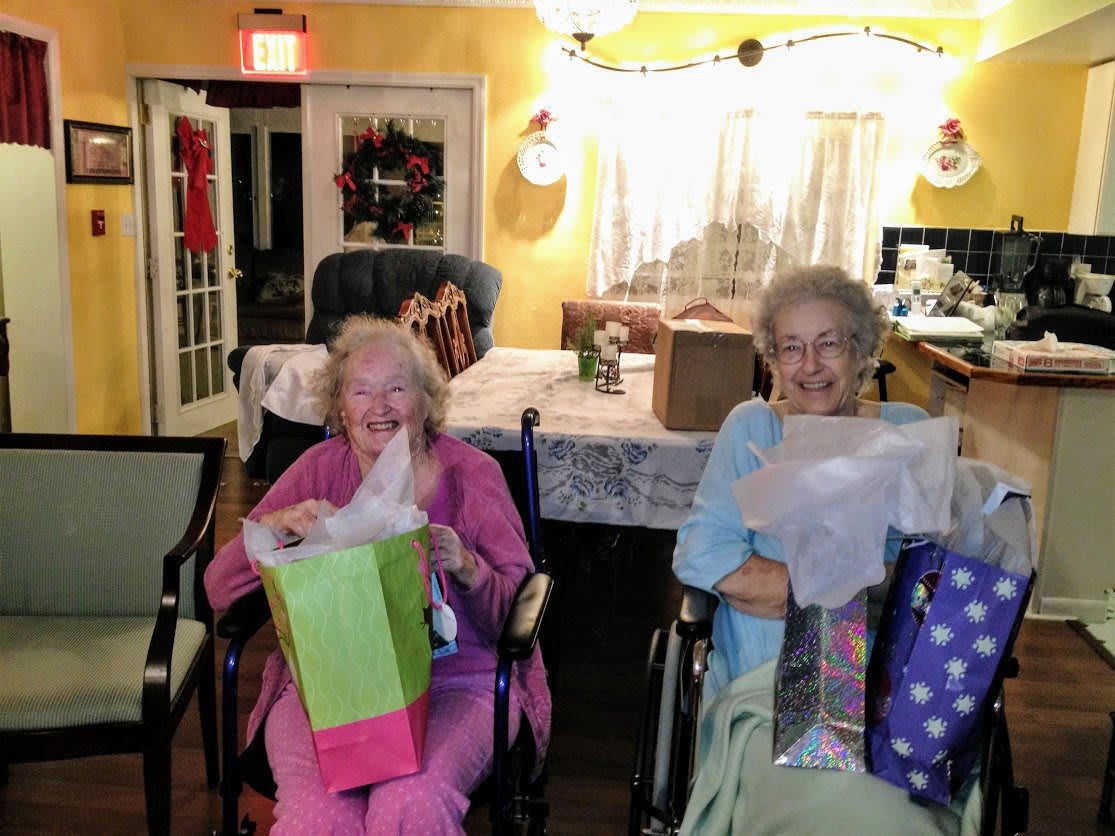
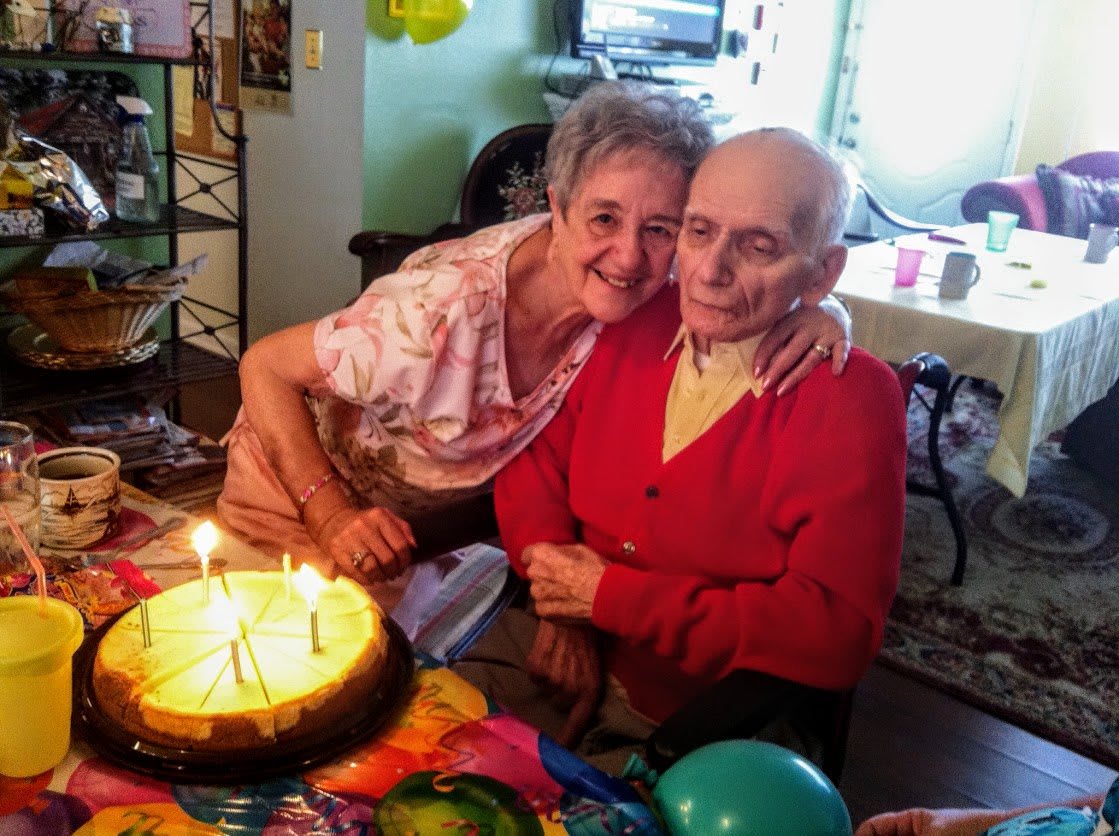
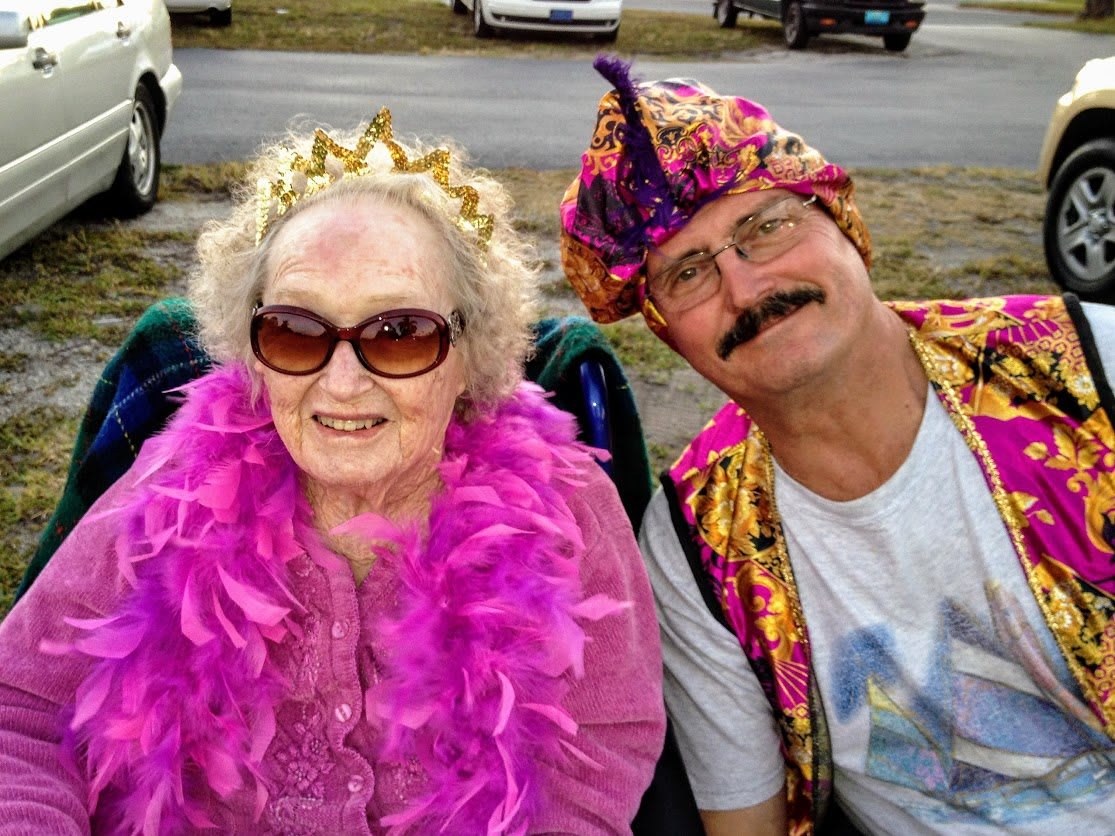
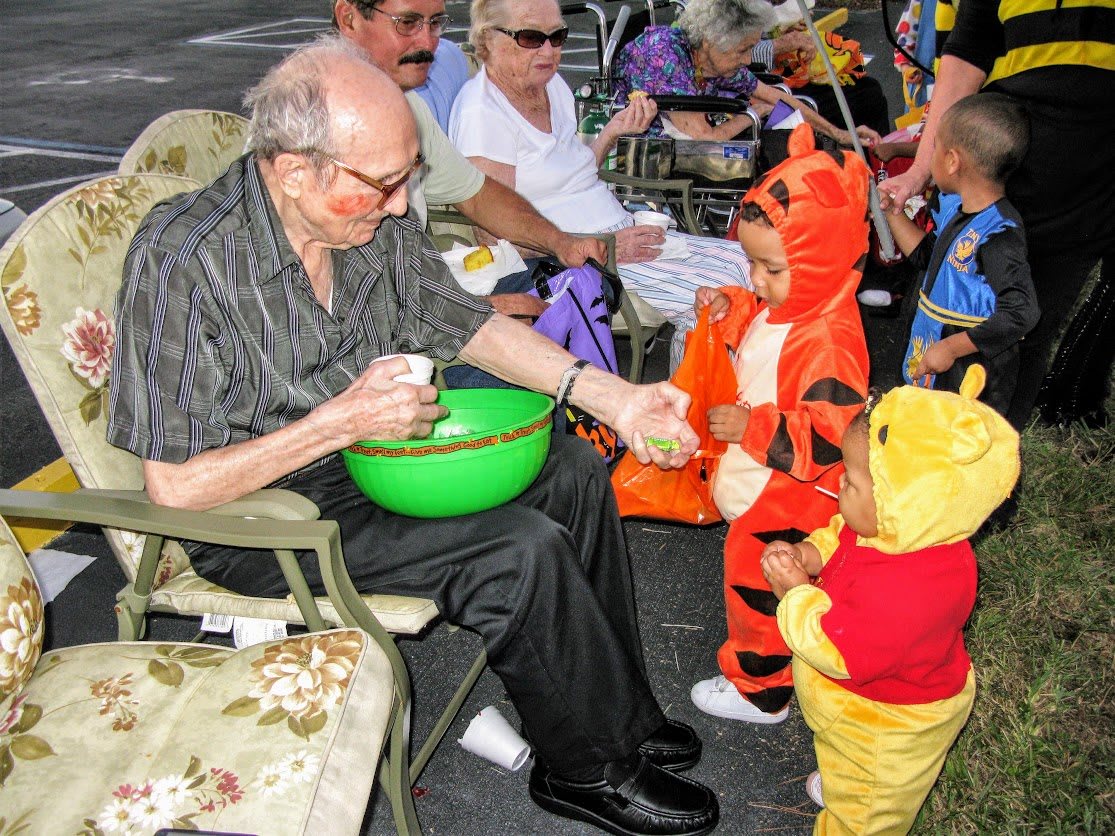
- Dr. Walker and the staff make residents' birthdays special and visitors feel welcome.
Cons
 The tour setup did not fit the mom's needs.
- The doctor allegedly hung up on a prospective client, and the voicemail directed to a personal message, which was deemed unprofessional.
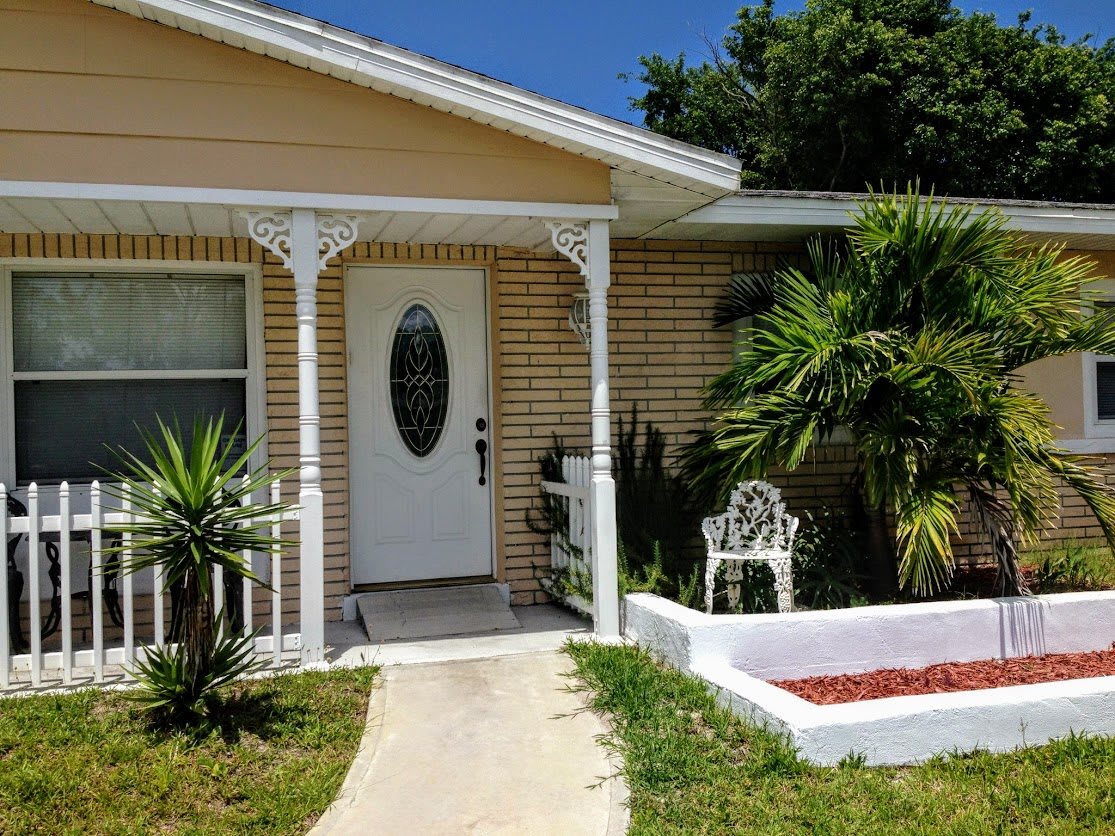
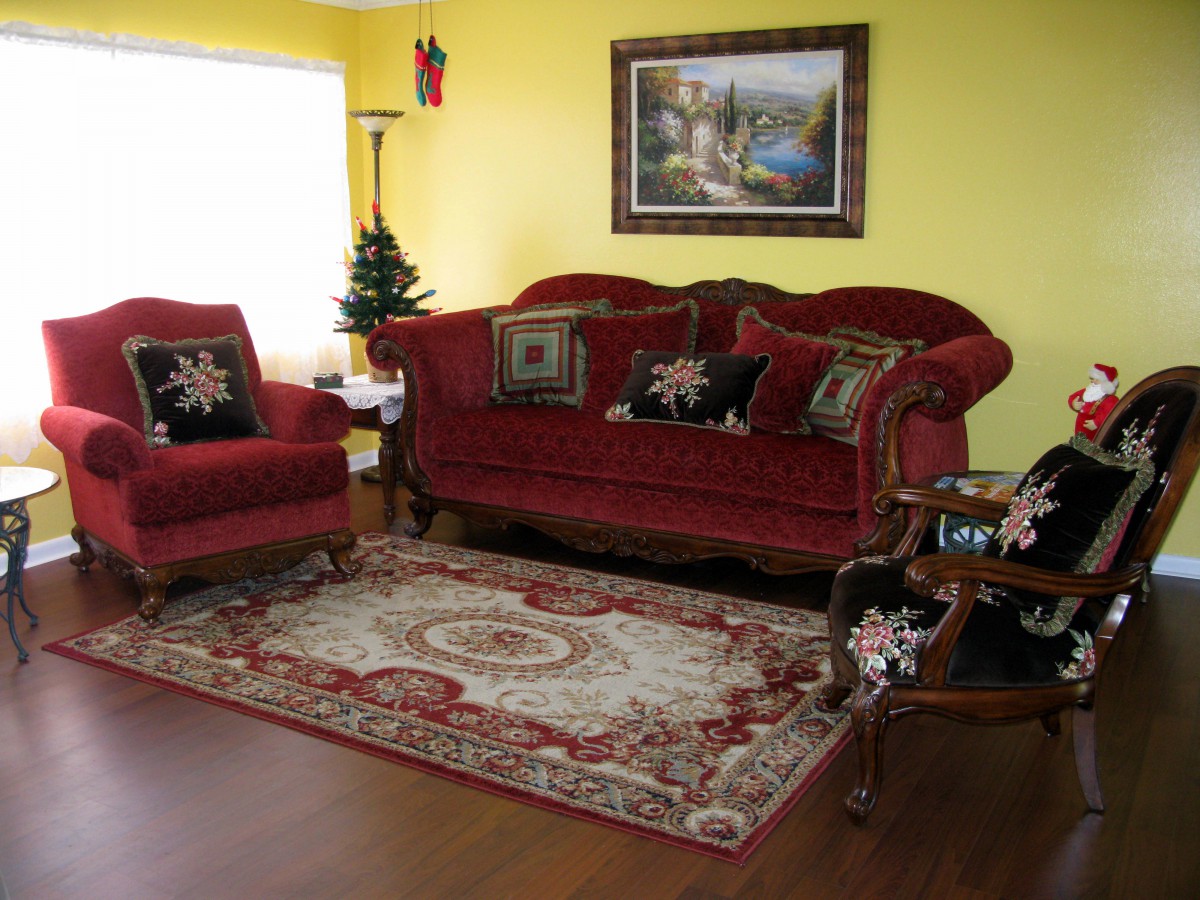
- The home felt old and not updated, appeared disorganized, and had a noticeable odor.
- The environment was perceived as depressing.
- Be extremely careful placing a loved one there; it may look nice, but behind closed doors it did not match expectations.
- The staff were described as very unprofessional, and the family was accused of stealing items after the relative was removed.
Review
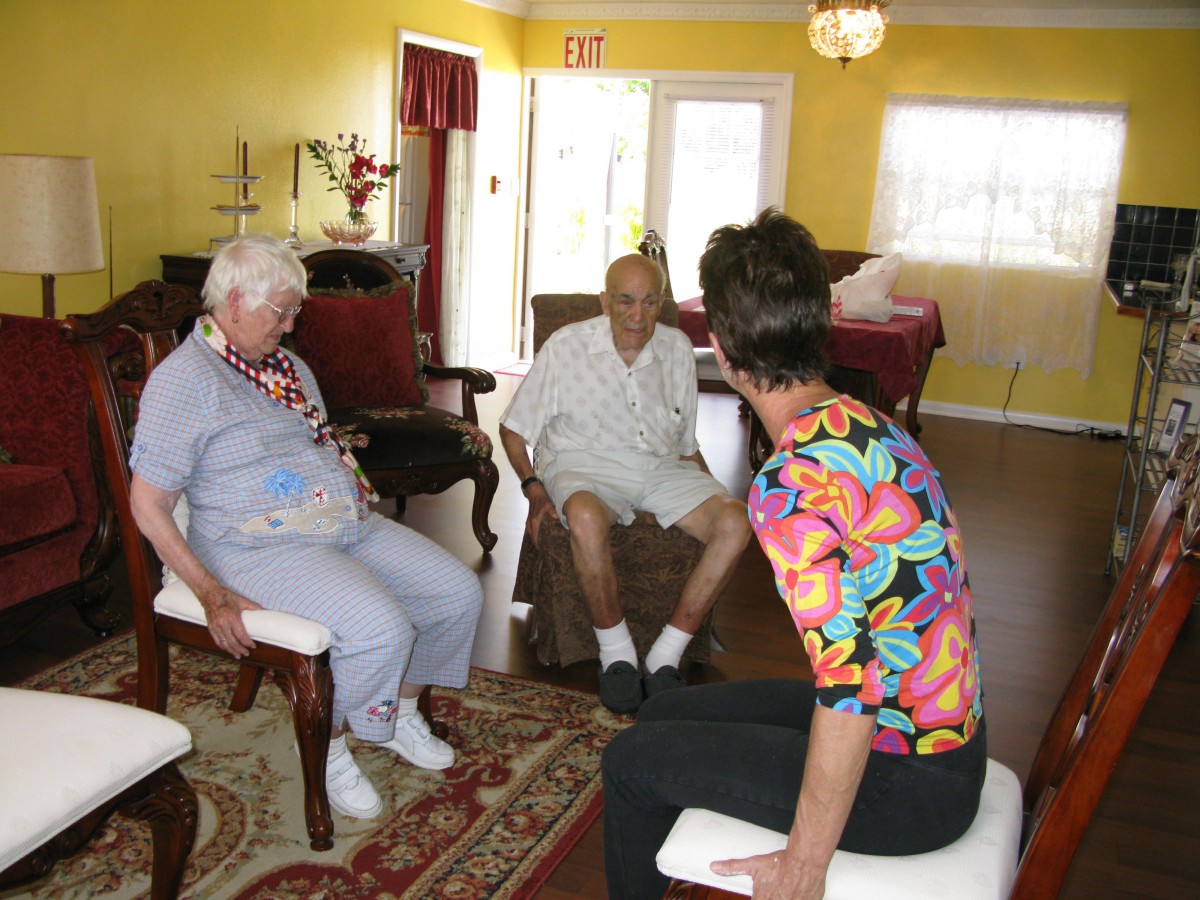
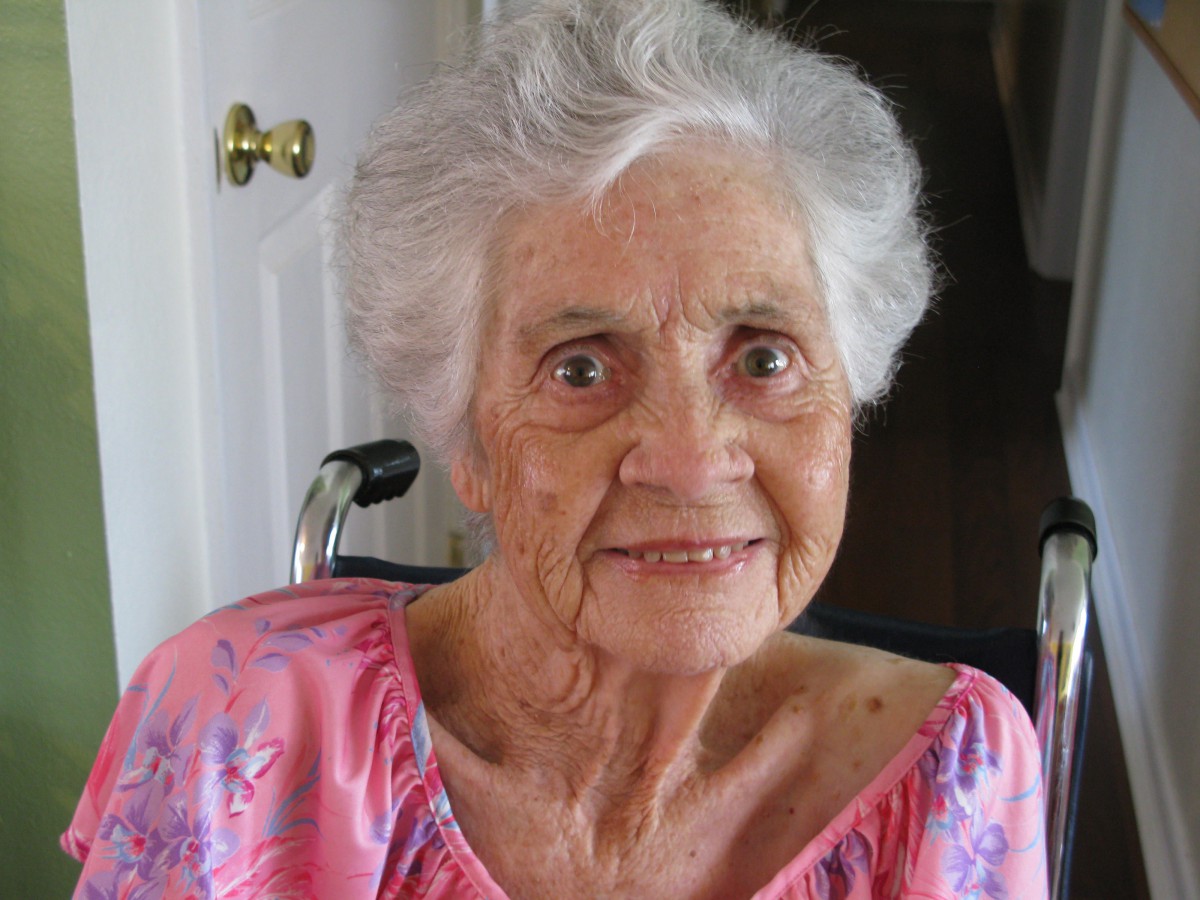
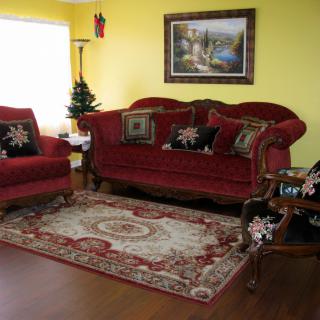
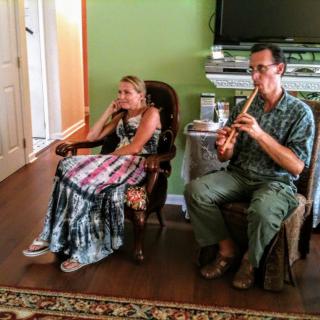
A Place Like Home in Palm Bay is best suited for families seeking a warm, home‑like assisted living experience where care feels personal and relationships with staff are central. The community leans into intimacy, with a small, homelike setting that supports easy visitation and frequent, individualized attention. It works well for residents who are generally stable, enjoy social outings, and thrive on daily routines that feel less institutional and more like extended family care. This is not the pick for those who require continuous, hospital-grade nursing oversight or highly specialized memory‑care programming. In short, it rewards residents who value warmth, familiarity, and available, compassionate staff over clinical polish and large, corporate operations.
Those weighing alternatives should consider residents with significant medical complexity or advanced dementia who need around‑the‑clock nursing, strict safety protocols, or a formal memory‑care environment. The reviews reveal real concerns about consistency in medical oversight and the ability to manage more challenging conditions. For families prioritizing a pristine, modern facility with robust nurse staffing and highly structured dementia programming, a larger, more institutional setting may offer greater predictability. Prospective residents should weigh the appeal of a homey feel against the potential gaps in medical infrastructure that can surface in smaller, less regulated environments.
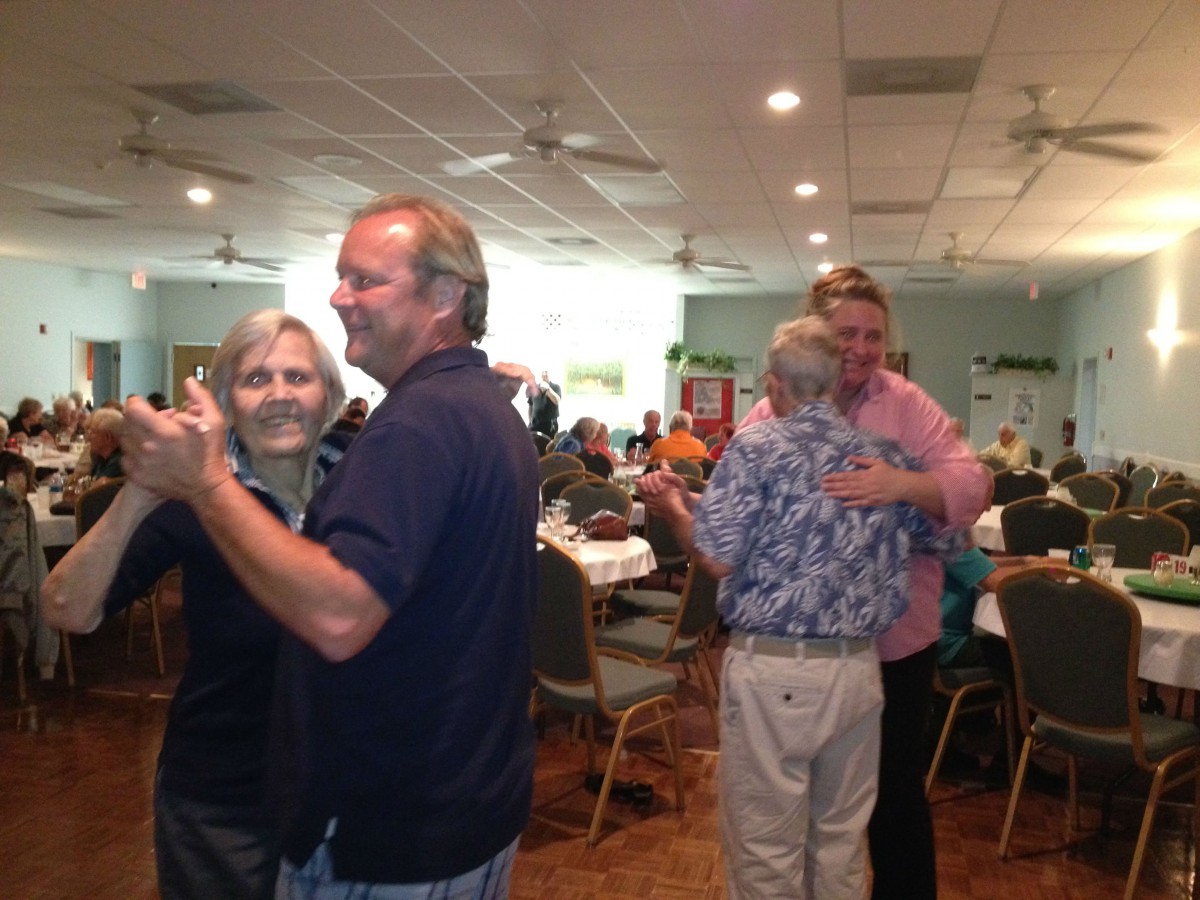
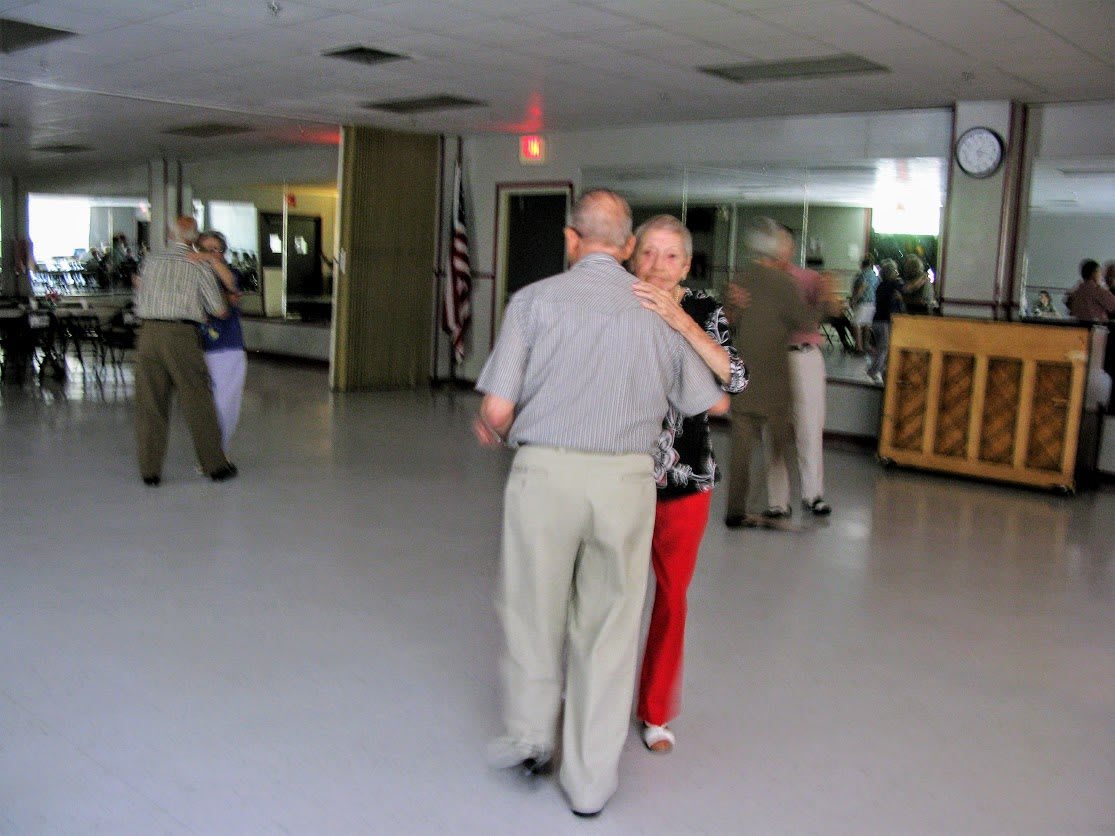
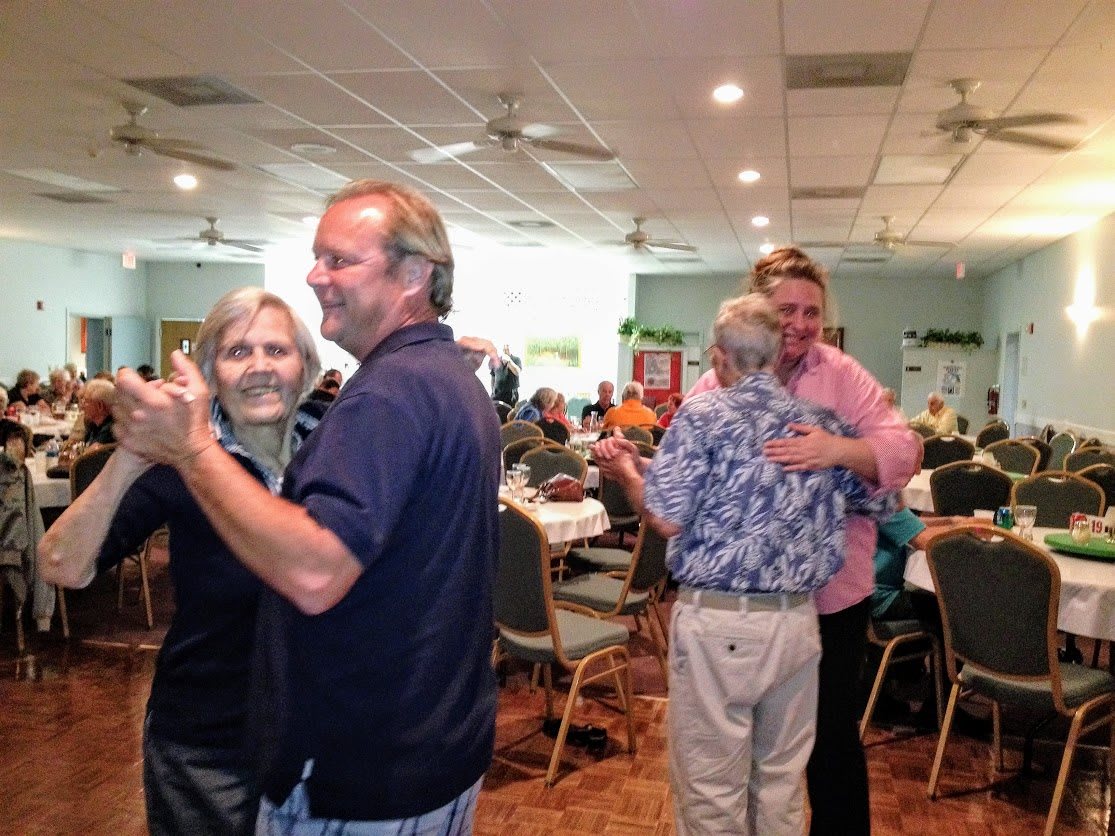
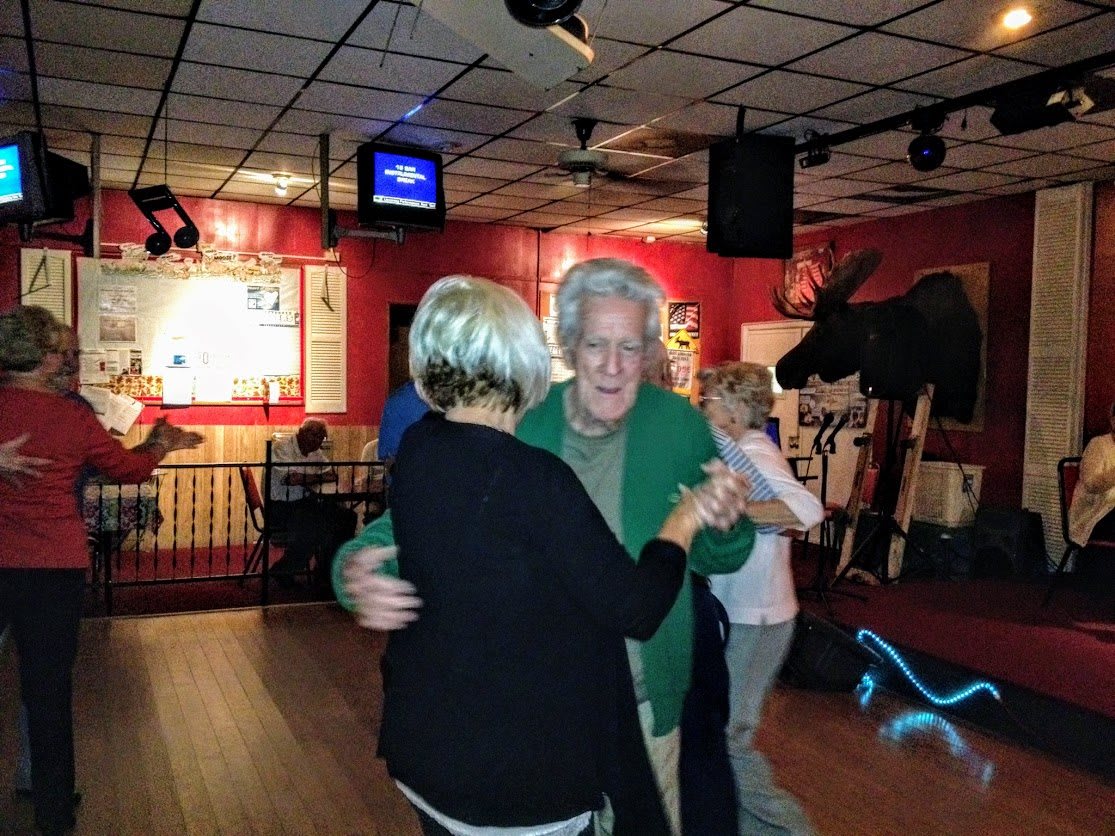
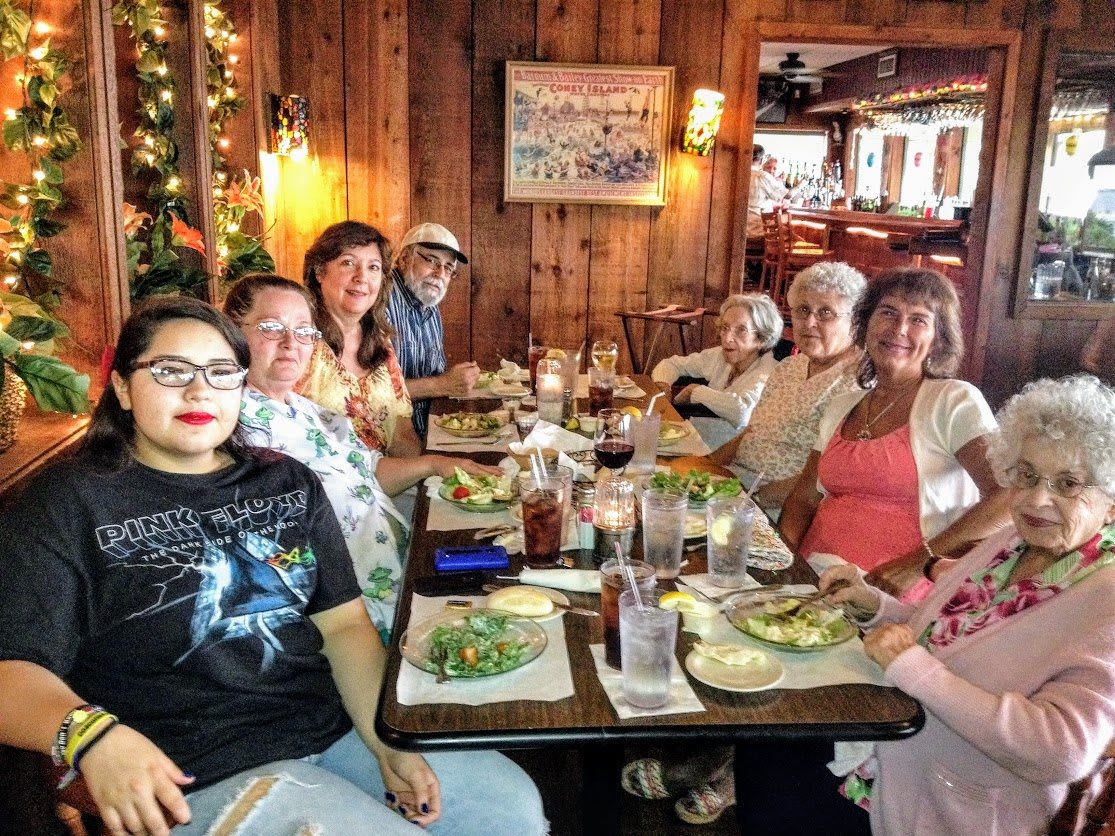
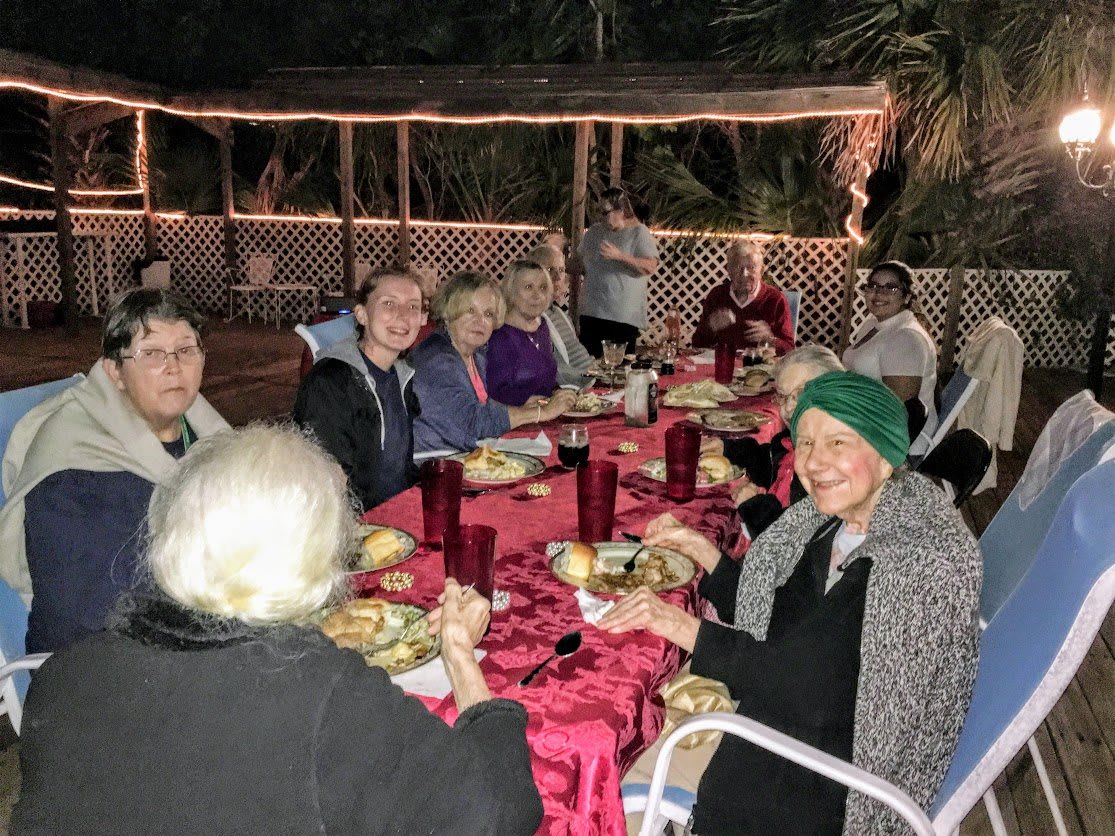
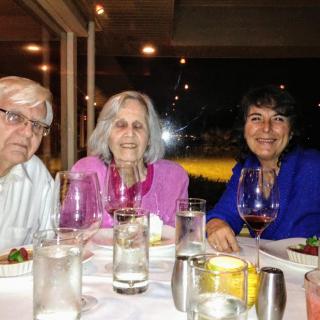
On the plus side, the strongest asset is the personalized, family‑style care that small size enables. Testimonials repeatedly highlight staff who treat residents, and their families, as part of an extended family. Longstanding caregivers, such as Diane, are cited as making meaningful, day‑to‑day differences, and stories of birthdays, outings, and celebratory meals emphasize a lifestyle built around connection and personal attention. Families note that visitation is easy, and the staff’s willingness to go the extra mile, whether arranging social activities or checking in during rehab, creates a sense of safety and belonging that larger facilities often struggle to match. These enduring, heartfelt connections can translate into steadier daily life and lower stress for both resident and family.
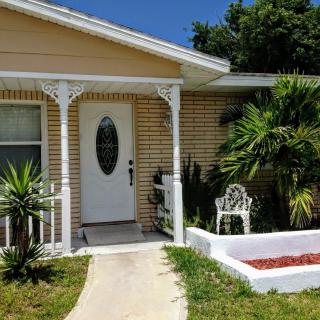
But the narrative isn’t without significant cautions. Several reviews describe an older, not particularly updated home with a smell that signals aging infrastructure, occasional disorganization, or a sense that operations can feel chaotic. A few accounts raise alarms about professionalism and safety, including one pointed report of unprofessional phone interactions, and other anecdotes of concerns around care quality for residents with dementia or during transitions. A recommendation to be “extremely careful” before placing a loved one rings loud enough to prompt careful due diligence. These red flags don’t define the facility, but they do underline the need for careful verification of current practices, staffing levels, and dementia management policies.
To navigate these tradeoffs, prospective families should conduct a purposeful, no‑nonsense evaluation during tours. Ask for the exact staff‑to‑resident ratio during day and night shifts, request a walk‑through of a typical day for a memory‑care resident, and review the facility’s medication management protocol, incident reporting, and emergency procedures. See how physicians and nurse‑staffing are integrated, if at all, and request contact with residents’ families for unfiltered feedback. Observe meal times, cleanliness, and how staff engage quietly and consistently with residents. In addition, verify licensing, recent inspections, and any history of citations, and probe plans for any needed renovations or updates.
In the end, this community delivers a compelling value proposition for families who prize a genuine, home‑centered atmosphere, high staff engagement, and abundant social programming. The positives, sustained caregiver relationships, frequent family‑oriented activities, and a palpable sense of belonging, often outweigh the drawbacks for residents who fit a smaller, less clinical model. However, for those with high medical needs, complex behavioral challenges, or a priority on updated facilities and formal dementia programming, alternatives may offer greater peace of mind and consistency. A disciplined, in‑person assessment, focusing on current staff stability, care plans, and safety practices, will determine whether this is the right match.
 Board and Care Home
 Day Program
 Cats allowed
 Dogs allowed
 Air-conditioning
 Bath tubs
 Cable or satellite TV
 Devotional services off-site
 Indoor common areas
 Outdoor common areas
 Private
 Respite or short term stays offered
 Wi-Fi/high-speed internet available
 Melbourne International (7 miles away)
 Ambulatory care
 Diabetic care
 High acuity care
 Incontinence care
 Medication management
 Kosher
 Art classes
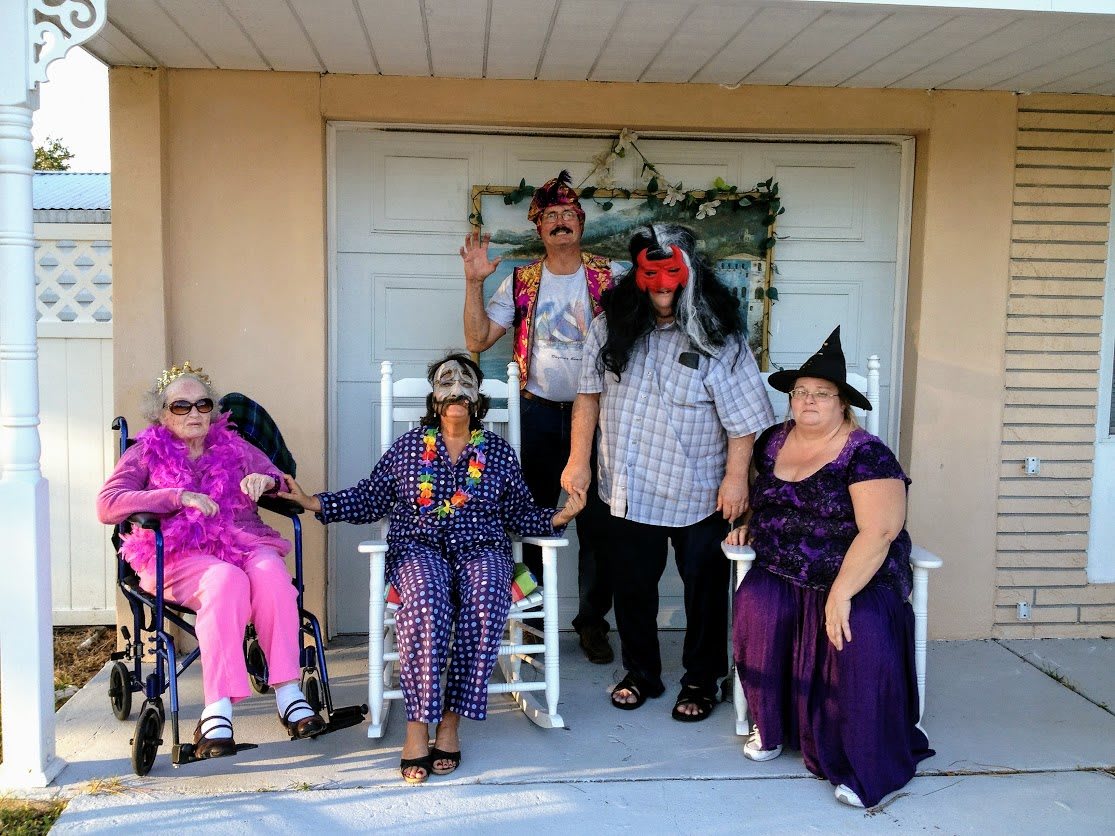
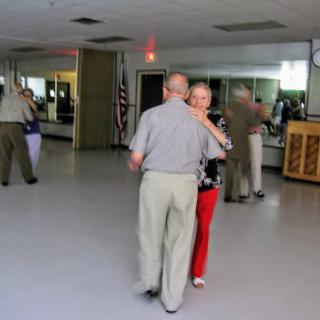
 Birthday parties
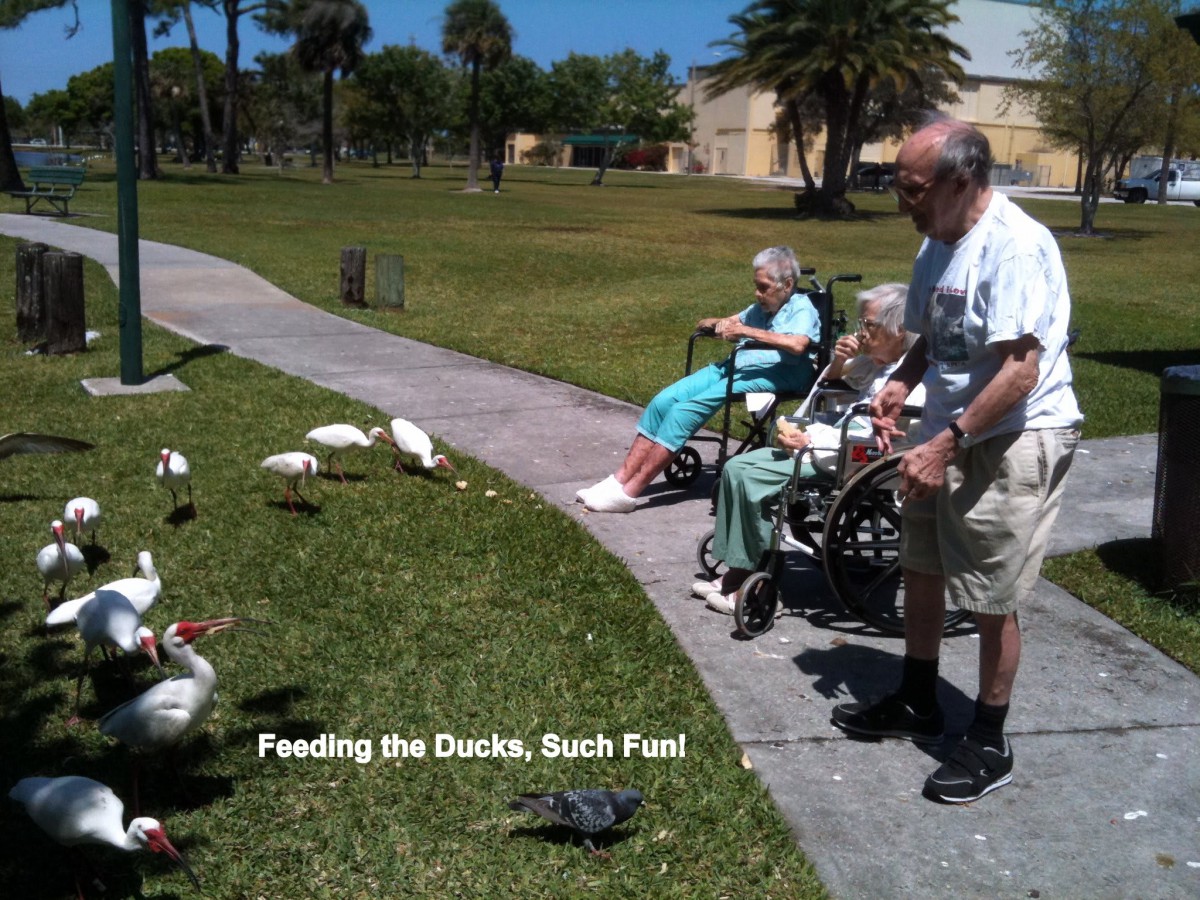
 Day trips and outings
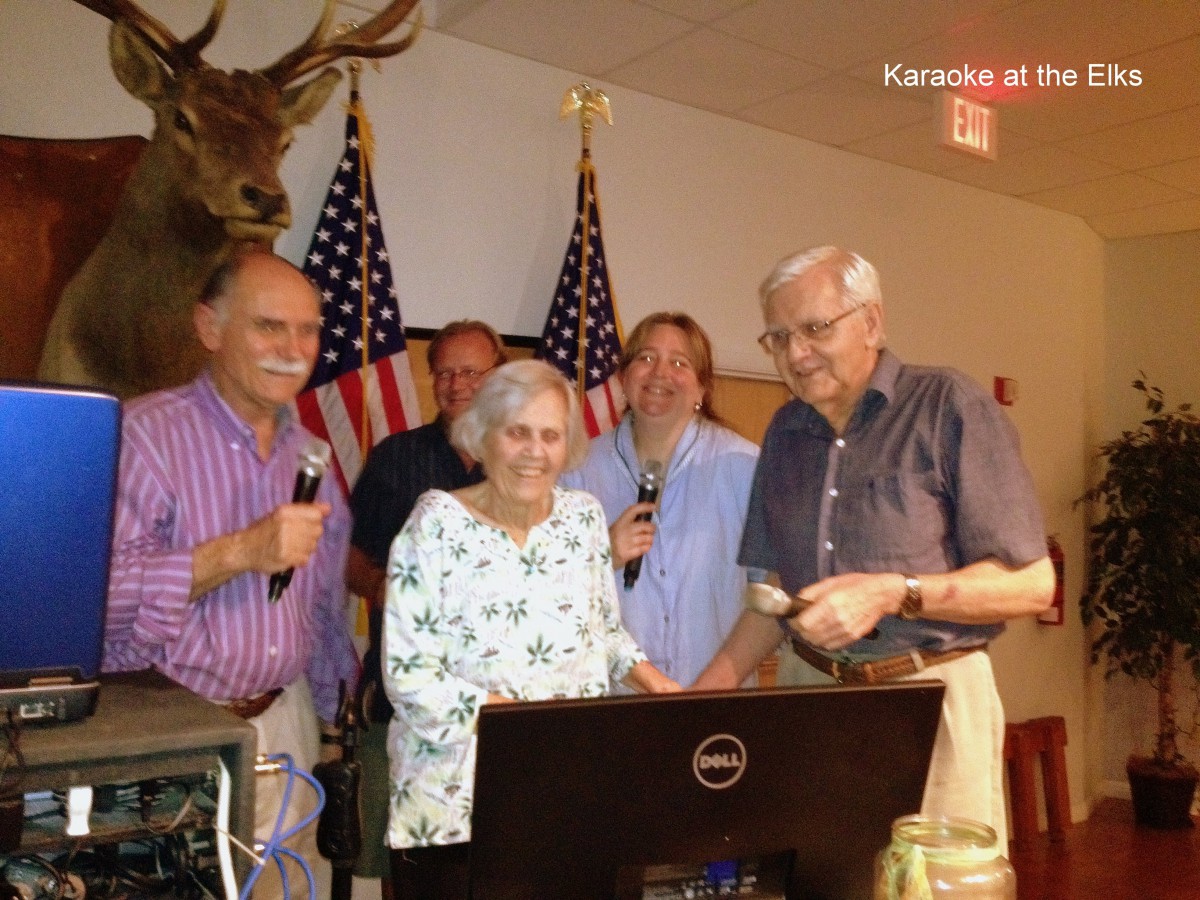
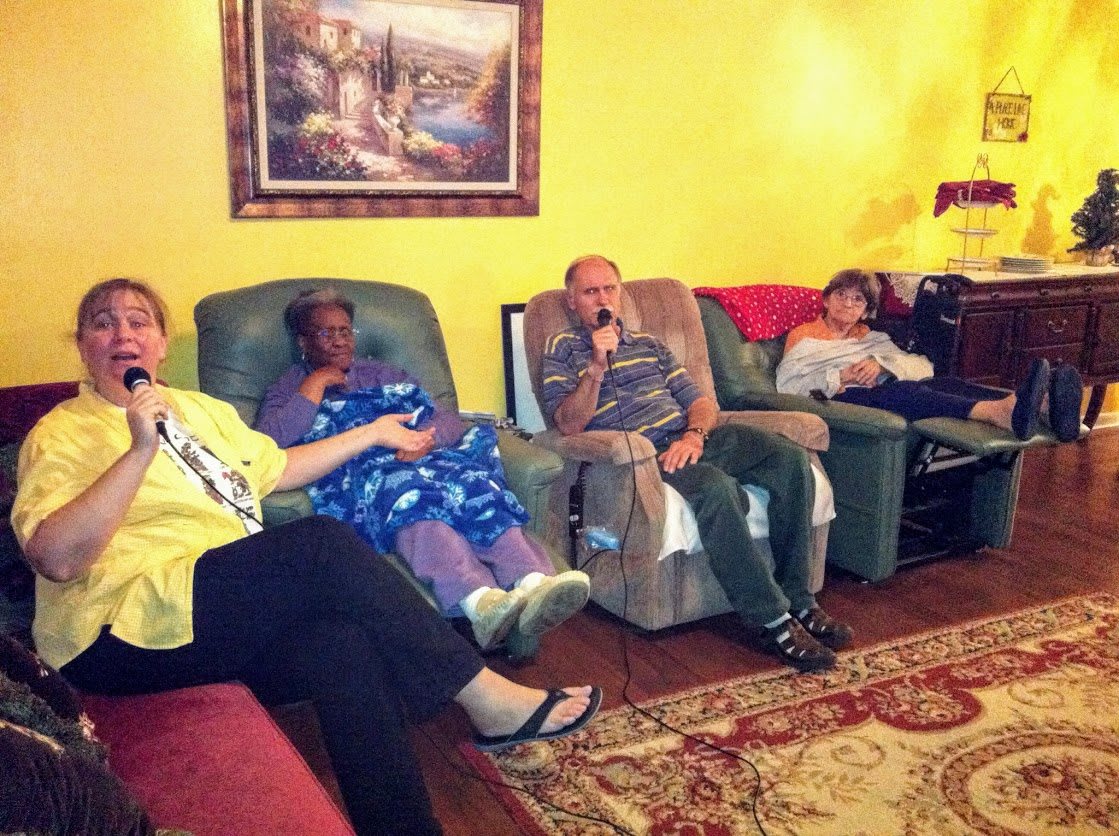
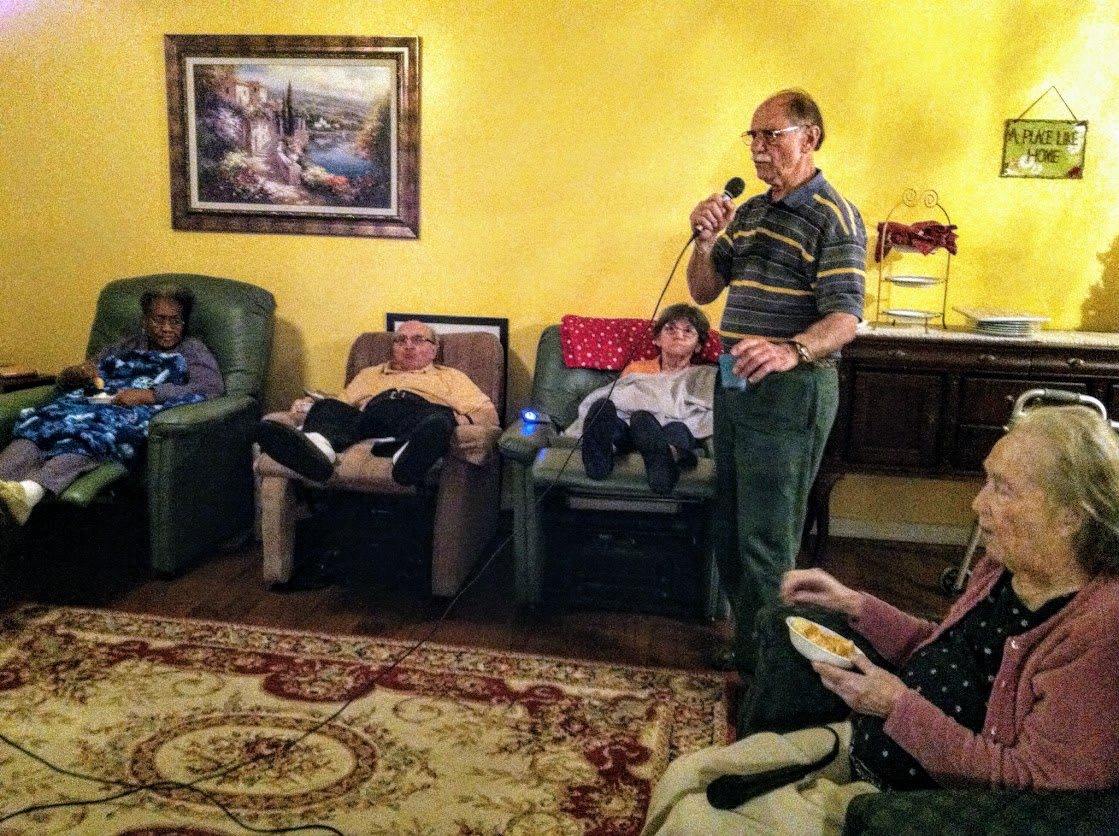
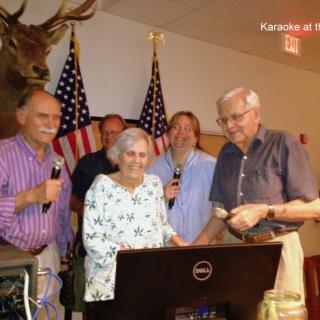
 Karaoke
 Trivia games
 Visiting chaplain or priest
 Wii bowling
 Yoga / chair yoga

 Recognizing the Journey: Understanding and Navigating Anticipatory Grief
 Encouraging Participation in Adult Day Care: A Guide to Supporting a Hesitant Parent
 Comprehensive Exploration of Living Wills and Other Advance Directives