Mission Oaks in Oxford, FL

Save

  • Interior

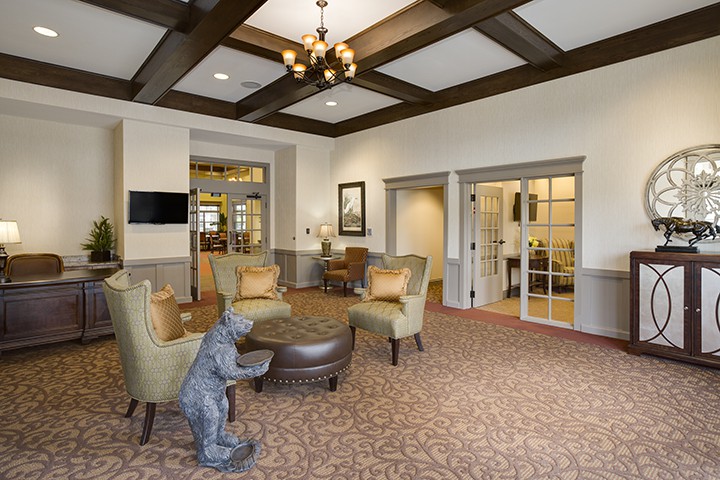
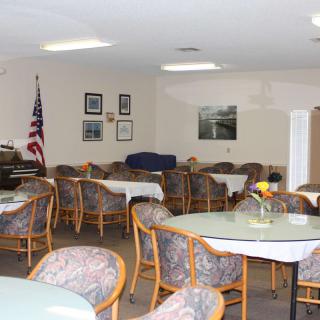
    A welcoming lobby area featuring comfortable seating, a table, and decorative elements.
  • Decor

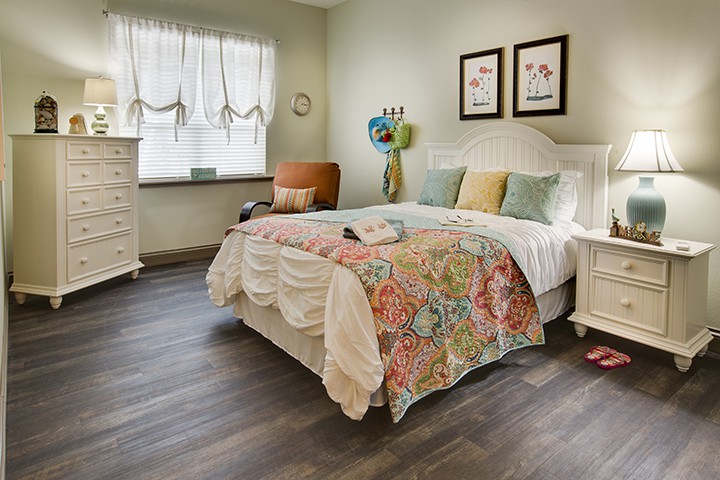
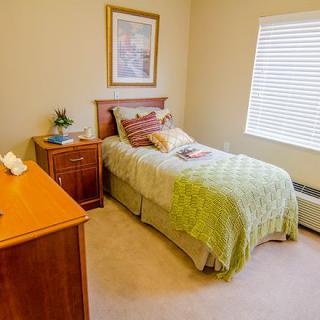
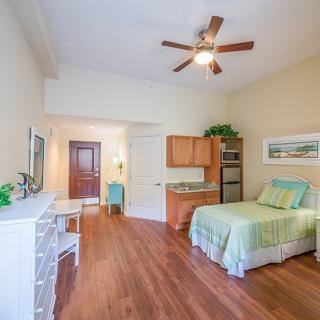
    A cozy bedroom with a colorful bedspread, wood flooring, and natural light streaming through the window.
  • Living Room

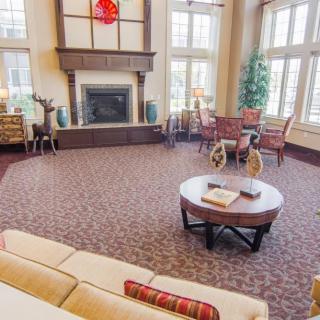
    A cozy and elegantly designed living room with comfortable seating and tasteful decor.
  • Building

    A beautifully landscaped courtyard with a white pergola and garden pathways.
  • Architecture

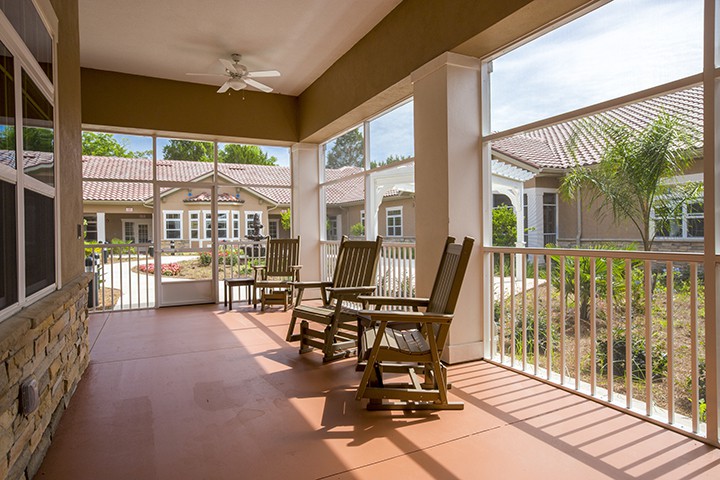
    A cozy porch with rocking chairs and a view of the sunny courtyard.
  • Landscaping

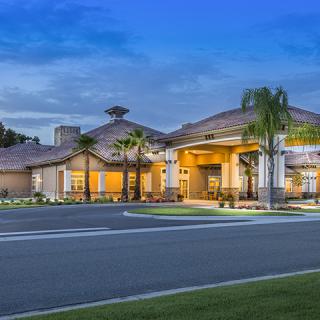
    A well-lit building entrance surrounded by palm trees in the evening.

Mission Oaks in Oxford, FL

Information last verified:

10780 North Us Highway 301, Oxford, FL 34484

For more information about senior living options: (844) 490-3973

3.9 from 72 reviews
5 stars
39
4 stars
12
3 stars
6
2 stars
3
1 stars
12

Mission Oaks Costs & Pricing

Mission Oaks offers competitive pricing for various room types when compared to both Sumter County and the state of Florida. With private rooms starting at $1,460, residents enjoy a cost significantly lower than the county average of $4,242 and the state average of $3,699. Studio apartments range from $1,526 to $3,350, again presenting an attractive alternative to the county's $3,944 and Florida's $3,823 benchmarks. The 1-bedroom options follow suit with costs ranging from $1,602 to $3,750 compared to higher averages in both the county ($4,363) and the state ($3,864). Semi-private accommodations are also priced favorably at $1,960 to $4,750 versus county rates of $3,897 and a state average of just $3,009. Lastly, Mission Oaks's two-bedroom suites are listed at $2,816 - a much more affordable choice than Sumter County's rate of $5,198 and Florida's average of $4,711. Overall, these pricing structures reflect Mission Oaks' commitment to providing quality living options while remaining economically accessible in comparison to its surrounding areas.

Floor plansMission OaksSumter CountyFlorida
Private$1,460$4,242$3,699
Studio$1,526 to $3,350$3,944$3,823
1 Bedroom$1,602 to $3,750$4,363$3,864
Semi-Private$1,960 to $4,750$3,897$3,009
2 Bedrooms$2,816$5,198$4,711

Overall Review of Mission Oaks

Pros

  • pro Mission Oaks staff consistently goes above and beyond, showing compassion to residents.
  • pro The atmosphere at Mission Oaks is friendly, cheerful, and homey, with a modern, well-maintained campus.
  • pro Mission Oaks’ nursing and dietary teams are praised for their attentive, patient care and high-quality meals.
  • pro Residents at Mission Oaks stay engaged through a wide range of activities, with a strong focus on memory care.
  • pro Long-tenured leadership and staff at Mission Oaks create a stable, caring environment.
  • pro The dining program at Mission Oaks is excellent, offering restaurant-style service and diverse choices.
  • pro Families describe Mission Oaks as a gem, often recommending it for loved ones.
  • pro Mission Oaks is noted for prompt communication and responsiveness to questions and concerns.

Cons

  • pro The new management is unprofessional and unresponsive, undermining confidence in resident care.
  • pro The office manager is rude and does not return phone messages or emails.
  • pro There are reports of neglect, including a resident waiting over 30 minutes for help and bedsheets not being changed for weeks.
  • pro Billing practices are problematic, with added dementia-care charges and a steep initiation fee not clearly disclosed.
  • pro Ongoing staffing problems and high turnover have left residents with less attentive care.
  • pro The food quality is disappointing, described as bad and repetitive despite friendly staff.

Review

Mission Oaks in Oxford, Florida is best suited for families seeking a warm, intimate assisted-living environment with a steady, hands-on care team and a strong memory-care focus. The community consistently earns praise for its homey atmosphere, long-tenured staff, and a nursing presence that feels present and reliable around the clock. Residents and families describe a place where caregivers know their residents well, where dining feels restaurant-like, and where activity programs keep minds and bodies engaged. The campus is smaller, quieter, and walkable, which translates into a sense of safety and belonging that many families prize when selecting care for a loved one who values regular personal attention and easy interactions with staff.

Those who should consider alternatives are primarily families counting every dollar or prioritizing resort-style amenities and highly standardized dining experiences. Several reviews flag the cost as a meaningful consideration, with some families noting price pressures and initiation or add-on fees that complicate the all-in budgeting picture. A portion of feedback also points to leadership turnover and inconsistent responsiveness from certain administrative roles, which can translate into uneven communication or slower issue resolution. For families requiring a pristine, high-gloss facility with a uniform brand across campuses, or for those who demand ultra-tight financial transparency from day one, another option may feel more predictable.

On the positive side, the core strengths of Mission Oaks offset many of the potential downsides. The care team, led and supported by stable administrators and nursing leadership, consistently earns high marks for compassion, reliability, and going above and beyond for residents and families. The dining program regularly earns praise as among the best in the region, with reviewers describing a broad, restaurant-style menu and attentive staff who help residents enjoy meals. The Activities Director and care staff keep residents engaged with meaningful programs, and the facility’s memory-care emphasis is repeatedly highlighted as thoughtful and effective. The sense of continuity is tangible; residents often stay with the same team members for years, which reduces anxiety for families and fosters trust. This stability also shows in housekeeping and the overall cleanliness that many reviewers repeatedly call out as a standout.

Yet the same reviews do not overlook the facility’s drawbacks. Cost and billing remain a real consideration for families evaluating Mission Oaks, with comments about higher-than-anticipated charges, an initiation fee, and occasional disputes about what dementia care costs cover. Staffing fluctuations and turnover, especially during certain periods, are noted by some families as potential gaps in consistently seamless service. A few accounts describe operational frictions, perceived unresponsiveness from certain offices, and instances where routine tasks or care oversight did not meet expectations. There are also isolated reports of care lapses or maintenance issues, including concerns about laundry services, front-desk accessibility after hours, and even transportation-related safety notes. Taken together, these concerns remind that no community is perfect, and peace of mind comes from knowing what to verify at intake.

Despite these concerns, the key pros of Mission Oaks tend to squarely address the central needs of many prospective residents: safety, companionship, and capable, heartfelt care. The nursing staff’s quick response to calls, the personal attention families witness at care handoffs, and the willingness of leaders to address problems promptly create a reliable safety net for residents who require ongoing medical oversight. The hospital-to-hhome transition is often seamless, with hospice partnerships described as collaborative and respectful, which matters greatly in memory-care journeys and end-of-life moments. The small, intimate setting fosters meaningful social connections, while on-site amenities such as a clean, well-run dining room, a theater or activity spaces, and accessible outdoor areas support a well-rounded daily life. For families prioritizing a supportive, family-like culture with deep staff-resident relationships, Mission Oaks delivers.

For families armed with this knowledge, the practical next steps are clear when visiting Mission Oaks. Assess whether current staffing levels align with the resident population you expect, and ask to speak with frontline caregivers about their days and any changes in leadership. Confirm transparent, itemized pricing and what is included in dementia-care tiers, and clarify any initiation or recurring fees before making a commitment. Tour the dining room during a meal period and observe how staff assist residents who need help with eating or texture modifications. Probe laundry arrangements, whether units have in-unit washers and dryers, and what costs accompany caregiver assistance with laundry. Finally, request a candid conversation with a resident or family member who can share the day-to-day realities of living there. In the hands of a discerning family, Mission Oaks stands as a compelling option for delicate balance: a warm, expertly staffed home where care and community can outpace a few financial or administrative rough edges.

Features

Housing

  • 101 resident community capacity 101 resident community capacity

Types of Care

  • Assisted Living Assisted LivingAssisted living facilities provide crucial support and care for seniors who may need help with daily tasks such as medication management, bathing, and meal preparation. These communities offer a safe and comfortable environment where seniors can maintain their independence while receiving the assistance they need to thrive in their golden years.
  • Day Program Day ProgramDay programs are important for seniors because they provide a safe and supportive environment where older adults can socialize, engage in activities, receive assistance with daily tasks, and access valuable resources and services. These programs help prevent isolation and loneliness, promote mental and physical well-being, and offer a sense of purpose and community for seniors.
  • Memory Care Memory CareMemory care is crucial for seniors as it provides specialized support and services for individuals with dementia or Alzheimer's disease. These programs offer a safe and secure environment where residents receive personalized care, cognitive stimulation, and help with daily activities. Memory care helps seniors maintain their independence, quality of life, and dignity while also providing peace of mind for their families.
  • Respite Care Respite CareRespite care provides temporary relief for caregivers, allowing them to recharge and attend to their own needs. It also gives seniors the opportunity to socialize, receive professional care, and experience a change of scenery, promoting overall well-being and reducing feelings of isolation.

Pets

  • Dogs allowed Dogs allowed"Pet friendly" senior living communities are important for seniors because pets provide companionship, reduce feelings of loneliness and depression, promote physical activity and mental stimulation, and offer a sense of purpose and responsibility. Pets can improve overall well-being and quality of life for seniors in many ways.

Amenities

  • Activities on-site Activities on-siteActivities on-site are important for seniors because they provide opportunities for socialization, mental stimulation, physical activity, and overall well-being. Engaging in activities can help seniors stay active, maintain their independence, and improve their quality of life.
  • Air-conditioning Air-conditioningAir conditioning is important for seniors as they are more vulnerable to heat-related illnesses and may have underlying health conditions that make it difficult for them to regulate their body temperature. It helps to keep them comfortable, safe, and healthy in hot weather.
  • Beautician on-site Beautician on-siteHaving a beautician on-site at a senior living community is important for seniors as it allows them to easily access grooming and personal care services, boosting their self-esteem and overall well-being. It also provides convenience and helps seniors maintain their sense of independence and personal style.
  • Beauty salon Beauty salonBeauty salons are important for seniors because they provide a space for them to feel pampered, socialize, and maintain their personal grooming and hygiene. Regular visits to a beauty salon can help boost seniors' self-esteem and overall well-being.
  • Cable or satellite TV Cable or satellite TVCable or satellite TV is important for seniors because it provides entertainment, news, and companionship, helping to combat loneliness and boredom. It also offers a wide range of programming options tailored to different interests and preferences.
  • Computer center Computer centerA computer center is essential for seniors as it provides access to technology, communication tools, and resources that can enhance their daily lives. It allows them to stay connected with loved ones, engage in online activities, and learn new skills, ultimately promoting socialization and mental stimulation.
  • Devotional services off-site Devotional services off-siteDevotional services off-site are important for seniors as they provide spiritual nourishment, social engagement, and a sense of community outside of the senior living facility. This can enhance overall well-being and help combat feelings of isolation and loneliness often experienced by older adults.
  • Dining room Dining roomDining rooms are important for seniors as they provide a space for socialization, connection, and nutritious meals. They offer opportunities for residents to bond over shared meals, foster a sense of community, and promote healthy eating habits. Dining rooms also ensure that seniors have access to well-balanced meals tailored to their dietary needs and preferences.
  • Fitness room Fitness roomHaving a fitness room in a senior living community is essential for seniors to stay active, maintain their physical health, and improve their overall well-being. Regular exercise can help prevent falls, reduce the risk of chronic diseases, and promote mental sharpness. It also provides social opportunities for residents to connect with others and enjoy a sense of community.
  • Fully furnished Fully furnishedFully furnished senior living communities are important for seniors because they provide convenience, comfort, and a hassle-free moving experience. Seniors can easily settle into their new living space without the stress of having to buy and move furniture. This allows them to focus on enjoying their new home and community.
  • Gaming room Gaming roomGaming rooms are important for seniors as they provide a fun and engaging environment for socializing, cognitive stimulation, and physical activity. Games can improve memory, problem-solving skills, and overall mental well-being while fostering friendships and reducing feelings of isolation.
  • Garden GardenGardens are important for seniors as they provide a peaceful and therapeutic environment for relaxation, physical activity, and socialization. Being in nature has been shown to reduce stress, improve mood, and promote overall well-being. Gardens also offer opportunities for seniors to engage in gardening activities, which can improve mobility, flexibility, and cognitive function. Additionally, gardens create a sense of community and connection with others who share a passion for plants and outdoor spaces.
  • Housekeeping services Housekeeping servicesHousekeeping services are important for seniors because they help maintain a clean and safe living environment, promote independence, and reduce the risk of accidents or illnesses. Additionally, having assistance with household chores can alleviate physical strain and allow seniors to focus on other aspects of their well-being.
  • Indoor common areas Indoor common areasIndoor common areas are crucial for seniors as they provide a space for socialization, recreation, and community engagement, promoting overall well-being and reducing feelings of isolation and loneliness.
  • Kitchenette KitchenetteKitchenettes are important for seniors living in senior living communities because they provide the convenience and independence of being able to prepare simple meals and snacks in the comfort of their own living space. This can help promote a sense of autonomy and well-being for seniors, allowing them to maintain some level of control over their dietary choices and daily routines.
  • Move-in coordination Move-in coordinationMove-in coordination is important for seniors because it helps ease the transition into their new living environment. It ensures that all logistics, such as packing, organizing movers, and setting up utilities are taken care of, allowing seniors to focus on settling in and adjusting to their new home. Having a smooth move-in process can alleviate stress and anxiety, making the transition smoother and more enjoyable for seniors.
  • Outdoor space Outdoor spaceOutdoor spaces are important for seniors as they provide opportunities for physical activity, social interaction, exposure to natural light and fresh air, and a sense of connection to nature. Having access to outdoor spaces can improve overall well-being and quality of life for older adults living in senior communities.
  • Private bathrooms Private bathroomsPrivate bathrooms are important for seniors in senior living communities because they provide independence, dignity, and comfort. Having a private bathroom allows seniors to maintain their personal hygiene routines without the need for assistance, promoting a sense of autonomy and privacy. Additionally, private bathrooms help prevent the spread of infections and provide a safe and clean environment for seniors to navigate safely.
  • Respite or short term stays offered Respite or short term stays offeredRespite or short term stays provide seniors with a temporary solution when their regular caregiver is unavailable, offering them the opportunity to receive additional care and support during times of need, while also giving caregivers a chance to rest and recharge.
  • Restaurant-style dining Restaurant-style diningRestaurant-style dining is important for seniors because it allows them to enjoy delicious, nutritious meals in a social and upscale setting. This enhances their dining experience, promotes healthy eating habits, and fosters socialization with fellow residents, ultimately contributing to their overall well-being and quality of life.
  • Small library Small librarySmall libraries are important for seniors as they provide access to a variety of reading materials, including books, newspapers, and magazines. This can help stimulate their minds, keep them engaged, and provide a sense of community through book clubs and other social activities. Additionally, reading has been shown to improve cognitive function and overall mental well-being in older adults.
  • Telephone TelephoneTelephones are important for seniors as they provide a lifeline for communication with loved ones, emergency services, and healthcare providers. They offer a sense of security and independence, enabling seniors to stay connected and access assistance when needed.
  • Wellness center Wellness centerWellness centers are important for seniors because they offer a variety of programs and services that promote physical, mental, and emotional well-being. These centers provide opportunities for exercise, socialization, education, and relaxation, helping seniors maintain their overall health and quality of life.
  • Wheelchair accessible showers Wheelchair accessible showersWheelchair accessible showers are crucial for seniors as they provide a safe and independent bathing option for those with mobility challenges. These showers help prevent falls and allow seniors to maintain their dignity and autonomy while ensuring they can bathe comfortably.
  • Wi-Fi/high-speed internet available Wi-Fi/high-speed internet availableWi-Fi/high-speed internet is important for seniors to stay connected with loved ones, access online resources, and participate in virtual activities to combat feelings of loneliness and isolation. It also allows them to easily manage healthcare needs, access entertainment, and engage in lifelong learning opportunities.

Transportation

  • Community operated transportation Community operated transportationCommunity operated transportation is crucial for seniors as it provides them with the means to access essential services, social activities, and medical appointments. It allows seniors to maintain their independence and quality of life by ensuring they can participate in activities outside of their homes. Additionally, community-operated transportation services offer a safe and reliable way for seniors to travel without having to rely on family or friends for assistance.
  • Transportation arrangement Transportation arrangementTransportation arrangements are crucial for seniors as they may face challenges with driving, mobility, or access to public transportation. Having reliable transportation services ensures that seniors can easily attend appointments, social activities, and maintain their independence and quality of life.
  • Transportation arrangement (non-medical) Transportation arrangement (non-medical)Transportation arrangements are essential for seniors as they provide access to essential services, activities, and social interactions outside the home. This service helps maintain independence, mobility, and overall well-being for seniors who may have limited transportation options.
  • Transportation to doctors appointments Transportation to doctors appointmentsTransportation to doctors appointments is crucial for seniors as it ensures they have access to necessary medical care and support, promoting their health and well-being. It allows them to receive timely treatment, monitor existing conditions, and address any new health concerns efficiently. Additionally, transportation services can help seniors maintain their independence and quality of life by enabling them to stay connected with their healthcare providers.

Care Services

  • 12-16 hour nursing 12-16 hour nursing12-16 hour nursing care is crucial for seniors in order to ensure around-the-clock monitoring, timely medication administration, and prompt response to any health concerns or emergencies. This level of care helps to promote the overall well-being and safety of seniors living in senior living communities.
  • 24-hour call system 24-hour call system24-hour call systems are important for seniors because they provide peace of mind and immediate assistance in case of emergencies. This technology ensures that help is always available, promoting safety and security for elderly individuals living alone or in assisted living facilities.
  • 24-hour supervision 24-hour supervision24-hour supervision is important for seniors to ensure their safety, well-being, and access to immediate assistance in case of emergencies or health issues. This constant support provides peace of mind for both seniors and their loved ones, allowing them to age in place with dignity and security.
  • Activities of daily living assistance Activities of daily living assistanceActivities of daily living assistance are important for seniors because they provide essential support with tasks such as eating, bathing, dressing, and mobility. This assistance helps seniors maintain their independence, dignity, and overall quality of life as they age.
  • Ambulatory care Ambulatory care"Ambulatory care services provide essential medical support and treatment to seniors without requiring hospitalization, allowing them to maintain their independence and quality of life while managing chronic conditions or receiving routine medical care."
  • Assistance with bathing Assistance with bathingAssistance with bathing is crucial for seniors as it helps maintain personal hygiene, prevents infections, and ensures their overall well-being and comfort. It also provides a sense of dignity and independence for seniors who may struggle with this task on their own.
  • Assistance with dressing Assistance with dressingAssistance with dressing is important for seniors because it helps maintain their independence, promotes personal hygiene, prevents accidents and injuries, and improves overall quality of life. This service ensures that seniors can continue to dress comfortably and confidently, despite any physical limitations they may have.
  • Assistance with transfers Assistance with transfersAssistance with transfers is crucial for seniors as it helps prevent falls and injuries, maintains their independence, and ensures they can safely navigate their living environment. It also provides peace of mind for both seniors and their loved ones.
  • Diabetes diet Diabetes dietA diabetes diet is crucial for seniors as it helps manage blood sugar levels, reduce risks of complications, and improve overall health and well-being. By following a balanced and nutritious diet tailored to their specific needs, seniors can better control their diabetes and enhance their quality of life.
  • Diabetic care Diabetic careDiabetic care is crucial for seniors as they are more susceptible to developing diabetes due to aging and other health conditions. Proper management of diabetes can help prevent complications such as heart disease, vision loss, and nerve damage, improving the overall quality of life for seniors in senior living communities.
  • Incontinence care Incontinence careIncontinence care is essential for seniors to maintain their dignity, hygiene, and overall quality of life. By addressing incontinence issues promptly and effectively, seniors can enjoy a sense of independence and comfort in their daily activities.
  • Meal preparation and service Meal preparation and serviceMeal preparation and service are crucial for seniors as they may have limited mobility or energy to cook nutritious meals. Having access to healthy and convenient food options can ensure they are getting the proper nutrition needed to maintain their overall health and well-being.
  • Medication management Medication managementMedication management is crucial for seniors to ensure they are taking the right medications at the correct dosages and times. This helps prevent adverse drug interactions, reduces the risk of medication errors, and promotes overall health and well-being. Proactive management also allows for adjustments as needed based on changing health conditions or new prescriptions.
  • Mental wellness program Mental wellness programMental wellness programs are essential for seniors as they promote cognitive stimulation, emotional support, and social engagement. These programs help prevent isolation, depression, and cognitive decline, ultimately enhancing the overall quality of life for older adults.
  • Special dietary restrictions Special dietary restrictionsSpecial dietary restrictions are important for seniors because age-related changes in metabolism and health conditions can make it difficult for their bodies to process certain foods. By following a diet tailored to their specific needs, seniors can maintain their overall health and well-being, manage chronic conditions, and reduce the risk of complications such as malnutrition or food interactions with medications.

Dining

  • Diabetes diet Diabetes dietA diabetes diet is crucial for seniors as it helps manage blood sugar levels, reduce risks of complications, and improve overall health and well-being. By following a balanced and nutritious diet tailored to their specific needs, seniors can better control their diabetes and enhance their quality of life.
  • Guest meals Guest mealsGuest meals are important for seniors living in senior living communities because they provide an opportunity for socialization and companionship. Sharing a meal with friends, family, or new acquaintances can help combat feelings of loneliness and isolation, promote a sense of community, and enhance overall well-being. Additionally, guest meals allow seniors to enjoy delicious food in a comfortable setting without the hassle of cooking or cleaning up, making dining a pleasurable and stress-free experience.
  • International cuisine International cuisineInternational cuisine is important for seniors because it offers a variety of flavors, ingredients, and cultural experiences that can help keep their meals interesting and enjoyable. Trying new dishes can also stimulate the senses and provide different nutrients that contribute to overall health and well-being. Additionally, exploring international cuisine can bring back fond memories of travels or childhood experiences, making mealtime more nostalgic and fulfilling for seniors.
  • Low / no sodium Low / no sodiumLow/no sodium options are important for seniors because excessive sodium intake can lead to high blood pressure, heart disease, and other health issues commonly experienced by older adults. By choosing low/no sodium foods, seniors can better manage their health and reduce their risk of developing these conditions.
  • Meals provided Meals provided"Meals provided" are crucial for seniors in assisted living communities as it ensures they have access to nutritious, balanced meals without the stress of meal planning and preparation. This can help promote overall health and well-being for seniors who may have limited mobility or cognitive abilities.
  • No Sugar No SugarNo sugar diets are important for seniors because they can help prevent or manage chronic conditions such as diabetes, heart disease, and obesity. Sugar can also contribute to cognitive decline and inflammation in the body, so reducing sugar intake can lead to overall improved health and well-being in older adults.
  • Restaurant style dining Restaurant style diningRestaurant style dining is important for seniors as it offers them a social and enjoyable dining experience, promotes healthy eating habits, and provides personalized menu options to cater to their dietary needs and preferences. This type of dining setting can enhance their overall quality of life and create a sense of community within the senior living facility.
  • Room service Room serviceRoom service is important for seniors in a senior living community because it provides convenience and allows them to have their meals delivered directly to their room. This can be especially beneficial for seniors who may have mobility issues or difficulty accessing the dining area. Room service ensures that seniors are able to receive nutritious meals without having to navigate through the facility, allowing them to maintain their independence and overall well-being.
  • Special dietary restrictions Special dietary restrictionsSpecial dietary restrictions are important for seniors because age-related changes in metabolism and health conditions can make it difficult for their bodies to process certain foods. By following a diet tailored to their specific needs, seniors can maintain their overall health and well-being, manage chronic conditions, and reduce the risk of complications such as malnutrition or food interactions with medications.

Activities

  • Activities on-site Activities on-siteActivities on-site are important for seniors because they provide opportunities for socialization, mental stimulation, physical activity, and overall well-being. Engaging in activities can help seniors stay active, maintain their independence, and improve their quality of life.
  • Catholic services Catholic servicesCatholic services are important for seniors because they provide spiritual support, a sense of community, and opportunities for social interaction that can enhance overall well-being and quality of life in their later years.
  • Community-sponsored activities Community-sponsored activitiesCommunity-sponsored activities are important for seniors as they provide opportunities for social interaction, mental stimulation, and physical activity. These activities can help improve overall well-being, combat loneliness and isolation, and promote a sense of belonging and purpose among older adults.
  • Concierge services Concierge servicesConcierge services are essential for seniors as they provide assistance with daily tasks and errands, enhance their quality of life by offering convenience and personalized care, and promote a sense of safety and security.
  • Devotional activities offsite Devotional activities offsiteDevotional activities offsite are important for seniors because they provide social engagement, spiritual growth, and a sense of community outside of their living environment. This can improve overall well-being, mental health, and combat feelings of isolation or loneliness.
  • Fitness programs Fitness programsFitness programs are crucial for seniors as they help improve strength, flexibility, balance, and overall well-being. Staying active can reduce the risk of chronic diseases, improve mental health, and enhance quality of life in older adults.
  • Jewish services Jewish servicesJewish services are important for seniors as they provide a sense of community, spiritual support, and connection to their heritage and traditions. These services help enhance overall well-being and quality of life for older adults in senior living settings.
  • Other religious services Other religious servicesOther religious services are important for seniors as they provide a sense of community, spiritual comfort, and opportunities for socializing. These services can help seniors feel connected to their faith and maintain a sense of purpose and belonging in their later years.
  • Planned day trips Planned day tripsPlanned day trips are important for seniors because they offer opportunities for socialization, mental stimulation, and physical activity. They provide a change of scenery and help seniors stay engaged and connected to their community, promoting overall well-being and quality of life.
  • Protestant services Protestant servicesProtestant services are important for seniors because they provide spiritual nourishment, community support, and a sense of belonging. These services can help seniors connect with others who share their faith, find comfort and guidance in times of need, and maintain a sense of purpose and fulfillment in their later years.
  • Resident-run activities Resident-run activitiesResident-run activities are important for seniors as they encourage social interaction, creativity, and a sense of autonomy. These activities empower seniors to stay engaged and active in their community while fostering meaningful connections with their peers.
  • Scheduled daily activities Scheduled daily activitiesScheduled daily activities are important for seniors because they provide structure, socialization, mental stimulation, and physical activity. Engaging in regular activities can improve overall well-being and quality of life for seniors living in a community setting.
  • Visiting Rabbi Visiting Rabbi"Visiting rabbis provide spiritual and emotional support to seniors in assisted living communities, helping them connect with their faith, find comfort in times of need, and maintain a sense of community and belonging."
  • Visiting chaplain or priest Visiting chaplain or priestHaving a visiting chaplain or priest at a senior living community is important for seniors because it provides spiritual support, comfort, and guidance during a time of life that can be challenging and uncertain. Their presence can help seniors feel connected to their faith, find peace of mind, and cope with the emotional and mental struggles they may face in their later years.

Description

Mission Oaks in Oxford, FL is an assisted living community that offers various types of care including day program, memory care, and respite care. The community prides itself on providing a comfortable and safe environment for seniors to live.

Residents can enjoy a wide range of amenities such as air-conditioning, a beauty salon with a beautician on-site, cable or satellite TV in each room, community-operated transportation for outings and appointments, a computer center for residents to use, devotional services off-site, and access to a dining room that offers restaurant-style dining.

For the fitness-minded seniors, there is a fitness room available and outdoor space with a garden where residents can relax and enjoy nature. The community also provides housekeeping services to ensure that the living spaces are always clean and tidy.

Each resident has their own private bathroom and the rooms are fully furnished for their convenience. Wi-Fi/high-speed internet is available throughout the facility for residents to stay connected with family and friends.

The assisted living community offers various care services including 24-hour call system and supervision for peace of mind. Trained staff are available to assist with activities of daily living such as bathing, dressing, transfers, meal preparation, medication management, diabetic care, and incontinence care. There is also a mental wellness program in place to support residents' emotional well-being.

Mission Oaks arranges transportation for both non-medical purposes and doctor's appointments. Additionally, there is a wellness center on-site that caters to the health needs of the residents. Wheelchair accessible showers ensure that all residents can easily maintain personal hygiene.

The community also provides delicious meals with special dietary restrictions taken into consideration such as low/no sodium diets or diabetic-friendly options. Guest meals are available for visitors or family members who wish to join their loved ones for a meal.

A variety of activities are offered at Mission Oaks including religious services (Catholic, Jewish, Protestant), planned day trips, fitness programs, resident-run activities, and visits from chaplains or priests. There are also nearby cafes, pharmacies, physicians, restaurants, places of worship, and hospitals for easy accessibility to essential services.

Overall, Mission Oaks in Oxford, FL is a vibrant and caring assisted living community that caters to the well-being and needs of its residents.

Nearby Places of Interest

Located in Oxford, Florida, this area offers a variety of dining options including Arby's, Metro Diner, McDonald's, Steak 'n Shake, Golden Corral, Red Lobster, and Burger King within close proximity. For medical needs, there are several reputable physicians and medical facilities nearby such as Michael Lange and Lange Eye Institute, Village Dermatology & Cosmetic Surgery, Florida Medical Associates, Muni Padman MD PA, Physicians of Central Florida, Cardiac and Vascular Consultants, and St. Luke's at The Villages. Pharmacies like CVS Pharmacy and Walgreens are conveniently located for medication needs. Additionally, cafes like Starbucks offer a place to relax and enjoy a cup of coffee. Places of worship such as St Vincent De Paul Catholic Church and Hope Lutheran Church provide spiritual support for residents. In case of emergencies or hospital visits, DocMJ and The Villages Regional Hospital are easily accessible in the vicinity. This diverse range of amenities makes this part of Oxford a convenient and comfortable location for seniors looking to settle down in the area.

Restaurants

  • Arby's (0.3 miles)
  • Metro Diner (0.3 miles)
  • McDonald's (0.4 miles)
  • Steak 'n Shake (0.5 miles)
  • Golden Corral (0.6 miles)
  • Red Lobster (0.8 miles)
  • Burger King (1.1 miles)

Physicians

  • Michael Lange and Lange Eye Institute (1.3 miles)
  • Village Dermatology & Cosmetic Surgery (2.1 miles)
  • Florida Medical Associates (2.2 miles)
  • Muni Padman MD PA (2.2 miles)
  • Physicians of Central Florida (2.2 miles)
  • Cardiac and Vascular Consultants (3.8 miles)
  • St. Luke's at The Villages (3.8 miles)

Pharmacies

  • CVS Pharmacy (1.3 miles)
  • Walgreens (1.7 miles)
  • Winn-Dixie (4.3 miles)
  • Walgreens (4.5 miles)
  • Winn-Dixie (4.6 miles)
  • Safescript Pharmacy (4.7 miles)
  • CVS Pharmacy (4.8 miles)

Cafes

  • Starbucks (1.6 miles)
  • The Flying Biscuit Caf (4.1 miles)
  • Miz Kathi's Cotillion Cafe & Sweetery (4.5 miles)

Places of Worship

  • St Vincent De Paul Catholic Church (3.7 miles)
  • Hope Lutheran Church (4.3 miles)
  • Fairway Christian Church (4.4 miles)
  • St Timothy RC Church (5.2 miles)

Hospitals

  • DocMJ (4.9 miles)
  • The Villages Regional Hospital (5 miles)

Frequently Asked Questions

How much does it cost to live at Mission Oaks in Oxford, FL?
Where is Mission Oaks?
Does Mission Oaks provide care for residents with dementia or Alzheimer's disease?
What photos are available for Mission Oaks in Oxford, Florida?

Nearby Communities

  • Trinity Springs

    Trinity Springs

    Oxford, FL

    4.1 from 29 reviews
     

    pro Luxurious environment with extensive amenities and a friendly, attentive staff.

  • Steeplechase Gracious Retirement Living

    Steeplechase Gracious Retirement Living

    Oxford, FL

    4.5 from 104 reviews
    $2,815 to $4,695 / month

    pro Friendly, responsive staff with engaging activities and good dining.

  • Buffalo Crossings Assisted Living Facility

    Buffalo Crossings Assisted Living Facility

    Lady Lake, FL

    4.6 from 19 reviews
     

    pro Friendly, attentive staff with a wide range of amenities and engaging activities.

  • Buffalo Crossing Healthcare And Rehabilitation Center

    Buffalo Crossing Healthcare And Rehabilitation Center

    The Villages, FL

    4.8 from 110 reviews
     

    pro Helpful staff with effective rehab therapies and high-quality meals in a comfortable, hotel-like setting.

  • The Carriage House Gracious Retirement Living

    The Carriage House Gracious Retirement Living

    Oxford, FL

    4.5 from 101 reviews
    $2,895 to $5,720 / month

    pro Friendly staff, vibrant community with extensive on-site amenities and engaging activities.

  • The Willows

    The Willows

    Oxford, FL

    4.1 from 139 reviews
    $2,730 to $5,095 / month

    pro Friendly, welcoming staff in a clean, well-maintained community.

  • American House Wildwood

    American House Wildwood

    Wildwood, FL

    4.6 from 192 reviews
    $3,580 to $5,395 / month

    pro Friendly staff, engaging activities, and extensive amenities.

  • Highpoint at StoneCrest

    Highpoint at StoneCrest

    Summerfield, FL

    4.5 from 61 reviews
    $3,200 to $5,750 / month

    pro Clean, well-maintained facility with friendly staff and a variety of activities.

  • Cypress Care Center

    Cypress Care Center

    Wildwood, FL

    4.3 from 137 reviews
     

    pro Caring staff with effective physical/occupational therapy and engaging activities.

Related Resources

  • caregiver support group22 Remarkable Caregiver Support Groups Available Online and In-Person

    Caregiver support groups are crucial for providing emotional and practical assistance to those caring for loved ones, offering resources, coping strategies, and a sense of community through various organizations and platforms. These groups help alleviate isolation and burnout while addressing the unique challenges faced by caregivers of individuals with specific conditions.

  • does medicaid pay for assisted livingUnderstanding Medicaid Coverage for Assisted Living: A Comprehensive Guide

    The guide outlines the complexities of Medicaid coverage for assisted living, highlighting significant state-to-state variations, limited coverage often restricted to personal care services, and the existence of specialized waivers for certain needs like memory care. It advises families to consult local Medicaid offices for options while emphasizing the importance of understanding state-specific regulations and facility policies.

  • does medicaid pay for assisted livingHow and When Medicaid May Cover Assisted Living Costs

    Medicaid coverage for assisted living varies by state and is primarily available to low-income individuals, with eligibility dependent on strict income and asset limits. Some states offer HCBS waivers for specific services in assisted living, but families must generally cover room and board costs, and should verify facility acceptance of Medicaid while considering potential waiting lists.