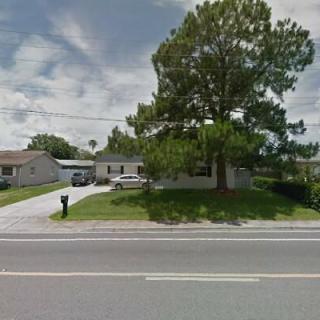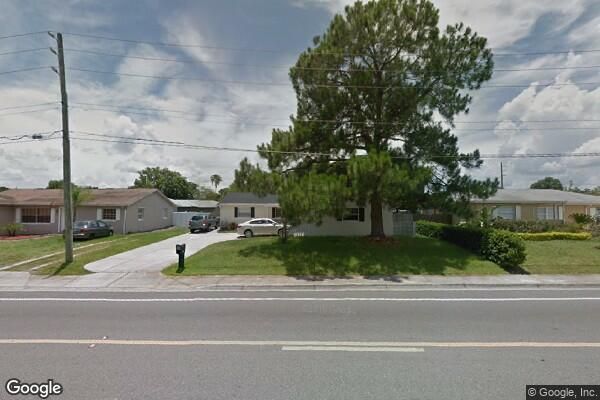
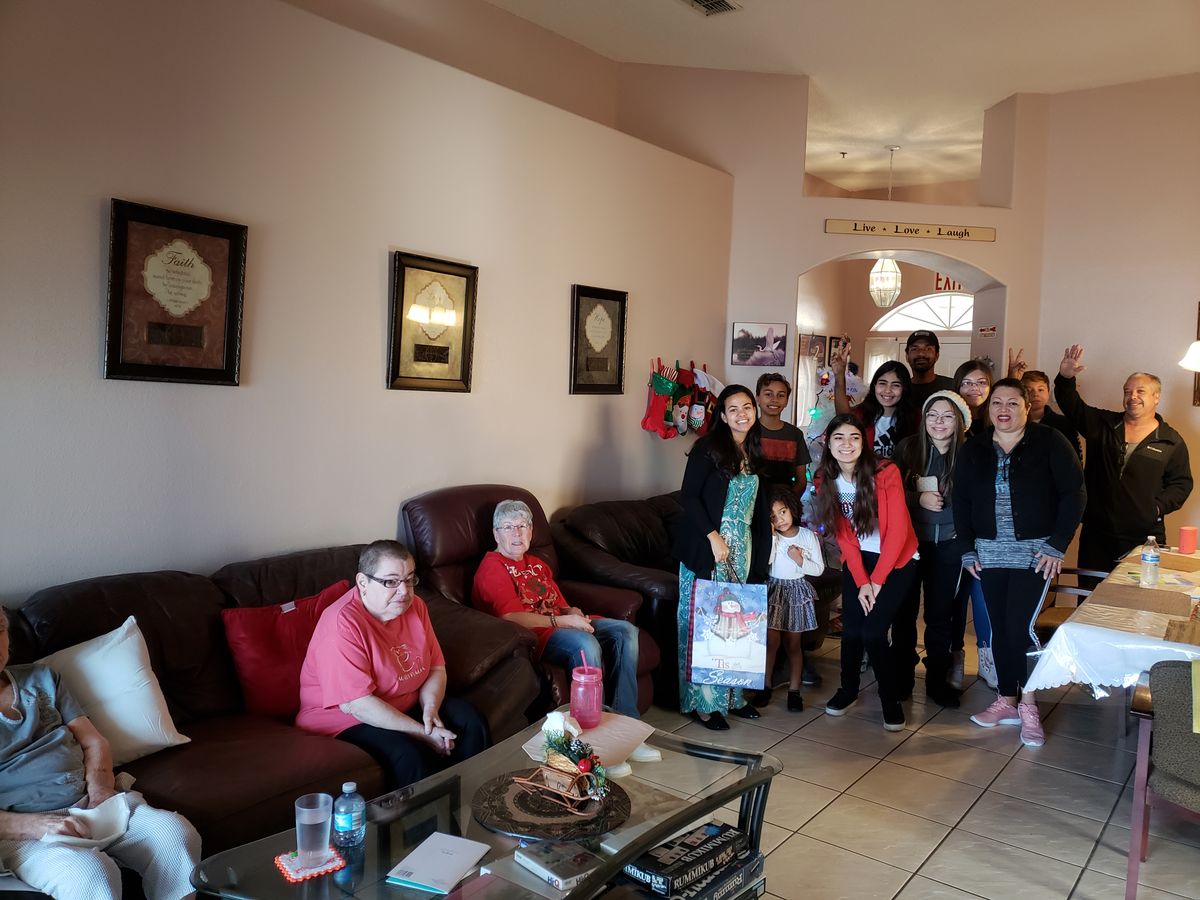
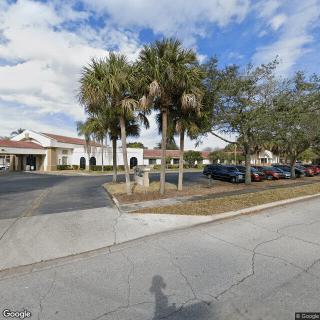
15009 Lake Azure Drive, Orlando, FL 32824
For more information about senior living options: (866) 208-4318
Elite Elderly Care Costs & Pricing
At Elite Elderly Care, the monthly costs present a competitive edge compared to the broader market. For a semi-private room, residents can expect to pay $3,500, which is notably higher than the average in Orange County at $3,041 and even slightly above Florida's average of $3,009. In contrast, the rate for a private room is set at $4,000; this again exceeds the averages of both regions - $3,441 in Orange County and $3,699 across Florida. While Elite Elderly Care's pricing may be on the higher end of the spectrum, it likely reflects a commitment to quality care and superior amenities that enhance the overall living experience for residents.
| Floor plans | Elite Elderly Care | Orange County | Florida |
|---|---|---|---|
| Semi-Private | $3,500 | $3,041 | $3,009 |
| Private | $4,000 | $3,441 | $3,699 |
Memory care communities with a similar price nearby
-
from +$400 / mo

Benton House of Narcoossee
$3,900 to $4,500 / month10.4 miles away -
from +$300 / mo
Ponce Adult Family Care
$3,800 to $5,500 / month13.3 miles away -
from -$500 / mo
Spring Hills Hunters Creek
$3,000 to $5,000 / month3.4 miles away -
from -$475 / mo
Gentry Park
$3,025 to $4,455 / month12.8 miles away -
from +$355 / mo
Brookdale Dr. Phillips
$3,855 to $5,490 / month11.9 miles away
Overall Review of Elite Elderly Care
Pros
 The facility is great.
- Mr. Khan is doing an amazing job.
- They took care of her like family.
- The staff were helpful in answering questions.
Review
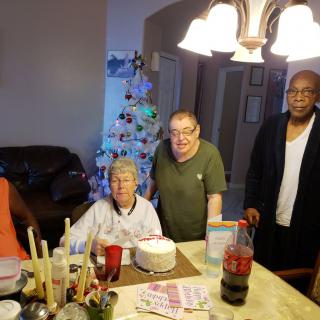
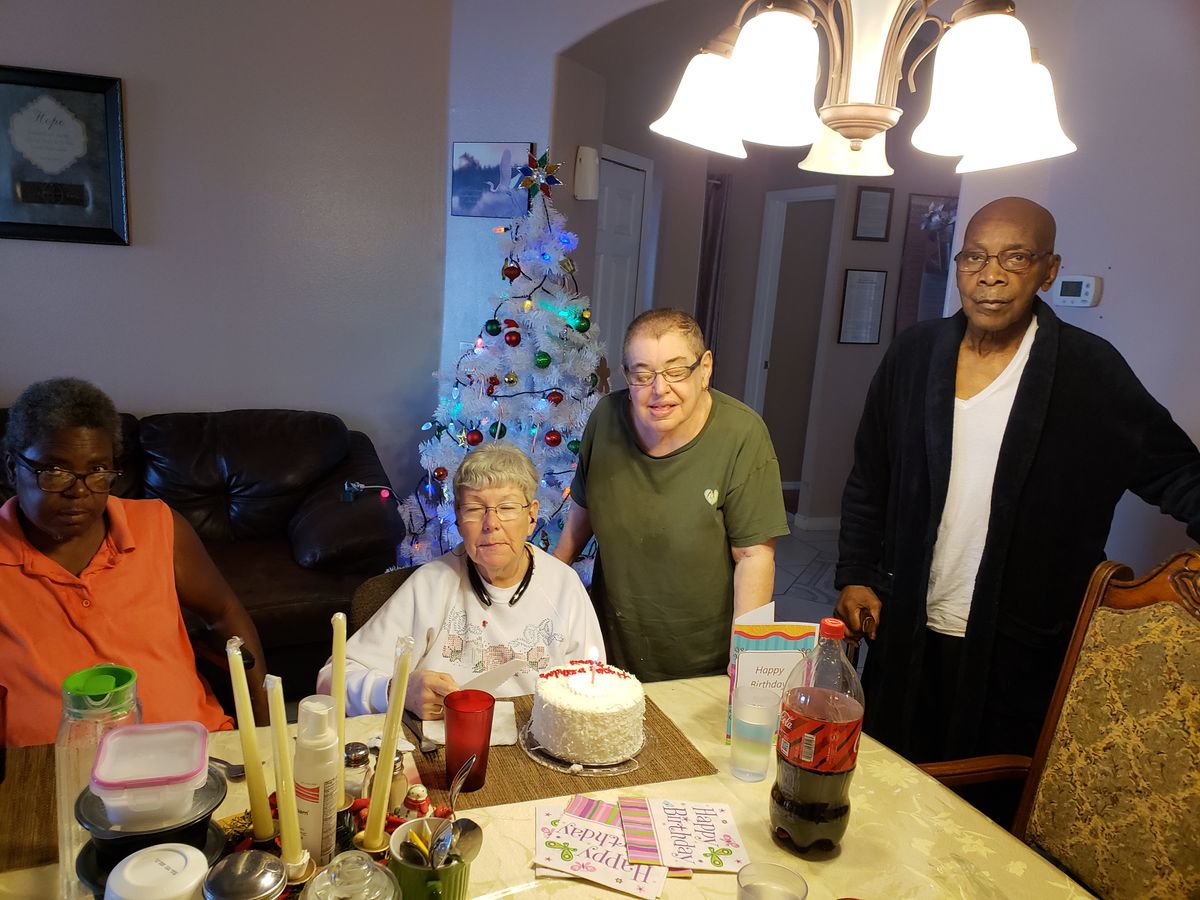
Elite Elderly Care in Orlando is best suited for seniors who value a warm, person-centered environment and families that prioritizes strong continuity of care. This community shines when residents thrive on faces that know their stories, caregivers who stay connected, and a care team that can follow a resident through different stages without losing sight of personal history. It is the right fit for families seeking transparent communication, approachable staff, and a culture that feels like “home” rather than a sterile, corporate setting. Those who want highly personalized attention, open questions answered promptly, and a doctor-level continuity that keeps the medical narrative consistent will find this community particularly compelling.
The reviews consistently flag a leadership and culture that elevate everyday care. Observers credit the facility with comprehensive, attentive service and describe the staff as genuinely caring, people who treat residents like family. The leadership under Mr. Khan is singled out as a driver of the positive climate, delivering a sense of reliability that permeates daily routines. The most persuasive testament is that when a resident transitions to greater one-on-one needs, the physician who cared for her stays engaged with the family, and the staff continues to respond promptly to questions. That continuity, across caregiving and medical guidance, is the linchpin of what families appreciate most here.
From a practical perspective, the strongest offsets to potential downsides come from two main pros: a deeply engaged caregiving team and a built-in continuity of medical oversight. Families repeatedly note that the staff’s attentiveness and willingness to follow up on concerns translates into fewer looming questions and more confidence in day-to-day decisions. The family-like atmosphere reduces the stress of transitions, while doctor involvement after a move provides reassurance that care plans don’t disappear the moment a resident leaves one setting for another phase of needed support. In short, excellent relational care, paired with visible clinical continuity, tends to compensate for the lack of publicly documented, highly specialized services in this snapshot.
There are clear reasons to consider alternatives as well. If a resident demands advanced on-site medical supervision, complex post-acute care, or dementia-specific programming with a structured memory-care pathway, other communities that advertise broader clinical staffing or dedicated memory units may be better aligned with those needs. The reviews do not describe extensive medical complexity or a wide range of therapies, so families with intensive clinical requirements should probe those capabilities directly. In such cases, a facility with a larger clinical footprint could deliver more comprehensive on-site treatment and therapy options without relying on external coordination.
The limited number of reviews signals a high rating with a narrow sample, which means the positives may reflect particular experiences rather than a broad spectrum of outcomes. Still, the overall signal is strong: a top-tier consensus around warmth, responsiveness, and continuity of care. Prospective residents should weigh the value of a close-knit, family-style environment against the potential trade-offs of scope and volume of services. The absence of explicit cautions in the existing accounts does not substitute for due diligence, visit, observe, and ask pointed questions about care plans, escalation criteria, and how transitions to higher care levels are managed.
In the end, Elite Elderly Care offers a practical, well-suited option for families who prize personal attention, a familiar care culture, and steady physician engagement. It is a particularly strong choice for residents who benefit from human connection and clear communication, and for families who want assurance that caregivers and doctors remain aligned as needs evolve. To move from consideration to decision, request a detailed tour focused on staffing ratios, care planning processes, and incident-response procedures, then compare those findings against alternatives that promise more expansive clinical services or lower-cost configurations. This community clearly earns confidence for the right resident and family, those prepared to invest in a high-touch, relationship-first model of elder care.
 6 resident community capacity
 Assisted Living
 Board and Care Home
 Memory Care
 Activities off-site
 Bath tubs
 Cable or satellite TV
 Devotional services on-site
 Dining room
 Fully furnished
 Garden
 Housekeeping services
 Indoor common areas
 Move-in coordination
 Outdoor common areas
 Private
 Respite or short term stays offered
 Small library
 Telephone
 Wheelchair accessible showers
 Orlando International (6 miles away)
 24-hour supervision
 Ambulatory care
 Assistance with bathing
 Assistance with dressing
 Assistance with transfers
 Diabetes diet
 Diabetic care
 High acuity care
 Incontinence care
 Meal preparation and service
 Medication management
 Mental wellness program
 Special dietary restrictions
 Nourishing the Mind: Essential Dietary Approaches for Dementia
 Understanding Dementia Behaviors: Practical Insights and Strategies for Caregivers
 When Dementia Sparks Anger and Aggression: Understanding the Connection and Ways to Cope