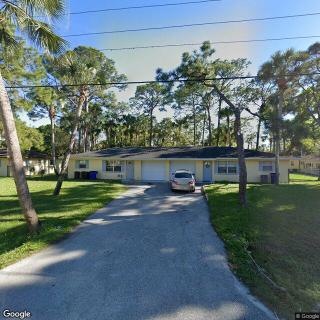
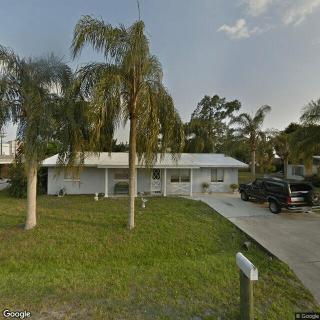
Villa Court I in Fort Myers, FL

Information last verified:

1992 Queen Street North, Fort Myers, FL 33917

For more information about senior living options: (844) 490-3973

3.5 from 4 reviews
5 stars
2
4 stars
0
3 stars
1
2 stars
0
1 stars
1

Overall Review of Villa Court I

Pros

  • pro The management staff are super nice.
  • pro Villa Court is a wonderful place to place a loved one.
  • pro Phyllis is the most caring person, with a heart of gold, who truly cares about the residents.
  • pro Villa Court is not like other large facilities; it feels more like a home with about 16 residents.
  • pro The caregivers at Villa Court have more time to take care of the residents.

Cons

  • pro The reviewer claims contractors collect payment upfront and do not pay after completing the work.
  • pro The reviewer alleges the contractors lied about payment after the work was completed.
  • pro The reviewer states they were asked to find a leak and, after locating it, were told they didn’t have a credit card and would be called later.
  • pro The reviewer accuses Phyllis and Terry of lying, citing a 45-day delay and eight calls.

Review

Villa Court I in Fort Myers is best suited for families seeking a genuinely small, home-like assisted living experience where residents receive ample hands-on attention. With roughly 16 residents, the community operates more like a tightly run home than a large campus, allowing caregivers to spend meaningful time with each person. The owner-led model and intimate setting translate into a culture where warmth, personal connection, and daily consistency feel tangible. For families prioritizing trust, direct access to the people running the house, and a setting that feels like a family home rather than a maze of hallways and clerks, this community stands out as a practical, compassionate option.

Those who should consider alternatives tend to be looking for a facility with a larger scale, broader programming, or more formalized systems around maintenance and vendor management. If a family needs robust, institution-like operations, widespread daily activities, or rapid, 24/7 response to urgent repairs and negotiated vendor work, Villa Court I may lag behind larger communities. A recent cautionary note about contractor relationships highlights a potential risk area: delayed work and questions about payment arrangements can influence maintenance timelines and reliability. For families who must see stringent controls and crystal-clear vendor practices, exploring other options could be prudent.

The strongest upside rests with the community’s highly personalized care and the impression of a manager-owned ethos. Families consistently encounter management that feels approachable and attentive, with communication that is straightforward and responsive when inquiries arise. The caregiver team benefits from the small resident census, which allows staff to notice subtle changes in well-being and mobility and to respond promptly. The owner’s described kindness and the sense that the home operates with heartfelt intention translate into a nurturing day-to-day environment where residents are familiar faces, not anonymous occupants. In short, the setting supports safety, dignity, and meaningful social interaction in a way that larger facilities sometimes struggle to emulate.

On the downside, the vendor-relationship issue raises legitimate concerns about maintenance responsiveness and reliability. The lone critical standout points to a pattern in the community’s business practices rather than resident care per se. Potential gaps in contractor payment workflows can translate into delays for repairs or improvements, which matters when physical comfort or safety is at stake. While this risk appears tied to external partners rather than direct caregiving, it is a reality that families should weigh. Additionally, the small scale, while a clear strength, can limit the breadth of amenities and the speed with which major upgrades or highly specialized services are deployed compared with bigger campuses.

Despite the potential drawbacks, the pros largely offset the cons for families prioritizing intimate, person-centered care. The small community size and owner-driven philosophy create a trustworthy atmosphere in which caregivers are not stretched to the breaking point by sheer census. The positive emphasis on caregivers’ time with residents translates into better supervision, more personalized routines, and stronger daily continuity, elements that significantly impact quality of life for many older adults. For families where the priority is a home-like vibe, clear lines of communication, and a culture of genuine care, Villa Court I can deliver outcomes that feel far more individualized than at bigger facilities.

The practical takeaway is clear. Villa Court I is a solid match for those who want a warm, intimate setting with hands-on attention and an owner who visibly commits to the well-being of residents. It suits individuals who thrive on routine, familiar faces, and a sense of being “known,” rather than a high-tempo, facility-wide menu of formal programs. Prospective residents should be ready to ask pointed questions about maintenance workflows and to request a transparent outline of how repairs are prioritized and paid for. If those answers satisfy, this community offers a compelling blend of heartwarming care and practical day-to-day stability. If, instead, the priority is expansive amenities, institutional-scale operations, or ironclad vendor guarantees, exploring alternatives is a prudent step.

Features

Housing

  • 16 resident community capacity 16 resident community capacity

Types of Care

  • Assisted Living Assisted LivingAssisted living facilities provide crucial support and care for seniors who may need help with daily tasks such as medication management, bathing, and meal preparation. These communities offer a safe and comfortable environment where seniors can maintain their independence while receiving the assistance they need to thrive in their golden years.

Amenities

  • Cable or satellite TV Cable or satellite TVCable or satellite TV is important for seniors because it provides entertainment, news, and companionship, helping to combat loneliness and boredom. It also offers a wide range of programming options tailored to different interests and preferences.
  • Dining room Dining roomDining rooms are important for seniors as they provide a space for socialization, connection, and nutritious meals. They offer opportunities for residents to bond over shared meals, foster a sense of community, and promote healthy eating habits. Dining rooms also ensure that seniors have access to well-balanced meals tailored to their dietary needs and preferences.
  • Fully furnished Fully furnishedFully furnished senior living communities are important for seniors because they provide convenience, comfort, and a hassle-free moving experience. Seniors can easily settle into their new living space without the stress of having to buy and move furniture. This allows them to focus on enjoying their new home and community.
  • Garden GardenGardens are important for seniors as they provide a peaceful and therapeutic environment for relaxation, physical activity, and socialization. Being in nature has been shown to reduce stress, improve mood, and promote overall well-being. Gardens also offer opportunities for seniors to engage in gardening activities, which can improve mobility, flexibility, and cognitive function. Additionally, gardens create a sense of community and connection with others who share a passion for plants and outdoor spaces.
  • Housekeeping services Housekeeping servicesHousekeeping services are important for seniors because they help maintain a clean and safe living environment, promote independence, and reduce the risk of accidents or illnesses. Additionally, having assistance with household chores can alleviate physical strain and allow seniors to focus on other aspects of their well-being.
  • Move-in coordination Move-in coordinationMove-in coordination is important for seniors because it helps ease the transition into their new living environment. It ensures that all logistics, such as packing, organizing movers, and setting up utilities are taken care of, allowing seniors to focus on settling in and adjusting to their new home. Having a smooth move-in process can alleviate stress and anxiety, making the transition smoother and more enjoyable for seniors.
  • Outdoor space Outdoor spaceOutdoor spaces are important for seniors as they provide opportunities for physical activity, social interaction, exposure to natural light and fresh air, and a sense of connection to nature. Having access to outdoor spaces can improve overall well-being and quality of life for older adults living in senior communities.
  • Telephone TelephoneTelephones are important for seniors as they provide a lifeline for communication with loved ones, emergency services, and healthcare providers. They offer a sense of security and independence, enabling seniors to stay connected and access assistance when needed.
  • Wi-Fi/high-speed internet available Wi-Fi/high-speed internet availableWi-Fi/high-speed internet is important for seniors to stay connected with loved ones, access online resources, and participate in virtual activities to combat feelings of loneliness and isolation. It also allows them to easily manage healthcare needs, access entertainment, and engage in lifelong learning opportunities.

Transportation

  • Southwest Florida International (13 miles away) Southwest Florida International (13 miles away)

Care Services

  • 24-hour supervision 24-hour supervision24-hour supervision is important for seniors to ensure their safety, well-being, and access to immediate assistance in case of emergencies or health issues. This constant support provides peace of mind for both seniors and their loved ones, allowing them to age in place with dignity and security.
  • Activities of daily living assistance Activities of daily living assistanceActivities of daily living assistance are important for seniors because they provide essential support with tasks such as eating, bathing, dressing, and mobility. This assistance helps seniors maintain their independence, dignity, and overall quality of life as they age.
  • Assistance with bathing Assistance with bathingAssistance with bathing is crucial for seniors as it helps maintain personal hygiene, prevents infections, and ensures their overall well-being and comfort. It also provides a sense of dignity and independence for seniors who may struggle with this task on their own.
  • Assistance with dressing Assistance with dressingAssistance with dressing is important for seniors because it helps maintain their independence, promotes personal hygiene, prevents accidents and injuries, and improves overall quality of life. This service ensures that seniors can continue to dress comfortably and confidently, despite any physical limitations they may have.
  • Assistance with transfers Assistance with transfersAssistance with transfers is crucial for seniors as it helps prevent falls and injuries, maintains their independence, and ensures they can safely navigate their living environment. It also provides peace of mind for both seniors and their loved ones.
  • Coordination with health care providers Coordination with health care providersCoordination with health care providers is crucial for seniors to ensure proper medical care, medication management, and overall well-being. This collaboration helps prevent overlapping treatments, track progress more effectively, and provide comprehensive support tailored to individual needs.
  • Diabetes diet Diabetes dietA diabetes diet is crucial for seniors as it helps manage blood sugar levels, reduce risks of complications, and improve overall health and well-being. By following a balanced and nutritious diet tailored to their specific needs, seniors can better control their diabetes and enhance their quality of life.
  • Meal preparation and service Meal preparation and serviceMeal preparation and service are crucial for seniors as they may have limited mobility or energy to cook nutritious meals. Having access to healthy and convenient food options can ensure they are getting the proper nutrition needed to maintain their overall health and well-being.
  • Medication management Medication managementMedication management is crucial for seniors to ensure they are taking the right medications at the correct dosages and times. This helps prevent adverse drug interactions, reduces the risk of medication errors, and promotes overall health and well-being. Proactive management also allows for adjustments as needed based on changing health conditions or new prescriptions.
  • Special dietary restrictions Special dietary restrictionsSpecial dietary restrictions are important for seniors because age-related changes in metabolism and health conditions can make it difficult for their bodies to process certain foods. By following a diet tailored to their specific needs, seniors can maintain their overall health and well-being, manage chronic conditions, and reduce the risk of complications such as malnutrition or food interactions with medications.
  • Transportation arrangement (medical) Transportation arrangement (medical)Transportation arrangements for medical purposes are essential for seniors as they may have difficulty driving themselves to appointments or accessing public transportation. Having reliable and safe transportation options ensures that seniors can receive timely medical care and maintain their health and well-being.
  • Transportation to doctors appointments Transportation to doctors appointmentsTransportation to doctors' appointments is crucial for seniors as it ensures they have access to necessary medical care and support for their health needs. Without reliable transportation, seniors may struggle to attend important appointments, leading to potential delays in treatment and health complications. Providing transportation services helps seniors maintain their overall well-being and quality of life.

Dining

  • Diabetes diet Diabetes dietA diabetes diet is crucial for seniors as it helps manage blood sugar levels, reduce risks of complications, and improve overall health and well-being. By following a balanced and nutritious diet tailored to their specific needs, seniors can better control their diabetes and enhance their quality of life.
  • Special dietary restrictions Special dietary restrictionsSpecial dietary restrictions are important for seniors because age-related changes in metabolism and health conditions can make it difficult for their bodies to process certain foods. By following a diet tailored to their specific needs, seniors can maintain their overall health and well-being, manage chronic conditions, and reduce the risk of complications such as malnutrition or food interactions with medications.

Activities

  • Community-sponsored activities Community-sponsored activitiesCommunity-sponsored activities are important for seniors as they provide opportunities for social interaction, mental stimulation, and physical activity. These activities can help improve overall well-being, combat loneliness and isolation, and promote a sense of belonging and purpose among older adults.
  • Scheduled daily activities Scheduled daily activitiesScheduled daily activities are important for seniors because they provide structure, socialization, mental stimulation, and physical activity. Engaging in regular activities can improve overall well-being and quality of life for seniors living in a community setting.

Description

Villa Court I is an assisted living community located in Fort Myers, FL. This community provides a range of amenities and care services to ensure the comfort and well-being of their residents.

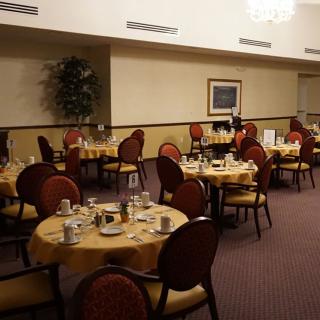
The community offers a dining room where residents can enjoy delicious meals prepared by the staff. The apartments are fully furnished, providing a comfortable and homely living space. There is also a beautiful garden on the premises, allowing residents to relax and enjoy nature.

Housekeeping services are provided to ensure that the apartments remain clean and tidy. Move-in coordination is available to assist new residents in settling into their new home smoothly. Outdoor spaces are available for residents to enjoy some fresh air and engage in outdoor activities.

Residents have access to telephone services as well as Wi-Fi/high-speed internet, allowing them to stay connected with loved ones and engage in online activities.

Villa Court I offers various care services to meet the individual needs of each resident. Trained staff members provide assistance with daily living activities such as bathing, dressing, and transfers. They also coordinate with healthcare providers and assist with medication management.

Special dietary restrictions are accommodated in the dining options provided by Villa Court I. Diabetes diet plans are available for those who require them. Meal preparation and service ensure that residents receive nutritious meals tailored to their specific dietary needs.

Transportation arrangements for medical appointments are made by the community, ensuring that residents can access necessary healthcare services easily. Additionally, transportation to doctors' appointments is provided.

A variety of scheduled daily activities are organized for residents' enjoyment. These activities promote socialization, engagement, and overall well-being.

Villa Court I is conveniently located near several amenities such as cafes, parks, pharmacies, restaurants, theaters, and hospitals. This enables easy access to additional entertainment options as well as essential services for residents' convenience.

Nearby Places of Interest

Pharmacies

  • CVS Pharmacy (1.2 miles)
  • Winn-Dixie (1.2 miles)
  • North Fort Myers Prescription Shop (1.3 miles)
  • Walgreens (2.1 miles)
  • Walgreens (2.9 miles)
  • Walgreens (3.7 miles)
  • CVS Pharmacy (3.8 miles)

Theaters

  • AMC Merchants Crossing 16 (1.3 miles)

Hospitals

  • Lee County VA Healthcare Center (2.3 miles)
  • Healthpark Medical Center (3.2 miles)
  • LPG Pain Management - Cape Coral Hospital (5 miles)
  • Lee Health Asthma/COPD Management - Cape Coral Hospital (5 miles)
  • Psychiatry Consultation Services - Cape Coral Hospital (5 miles)
  • Lee Memorial Health System (5 miles)
  • Johns Hopkins All Children's Outpatient Care (6.7 miles)

Physicians

  • Florida Cancer Specialists & Research Institute - Cape Coral Cancer Center (2.4 miles)
  • Andrea - Andrea Cambio Cambio MD (4 miles)
  • Lee County Health Department (4.1 miles)
  • Internal Medicine (4.3 miles)
  • Kim Michael K MD (4.4 miles)
  • Shari L Skinner MD (4.4 miles)
  • Southwest Florida Oral-Facial (4.4 miles)

Restaurants

  • Oxbow Bar & Grill (3 miles)
  • The Bagel Factory of Cape Coral (3 miles)
  • Beacon Social Drinkery (3 miles)
  • Ford's Garage (3.2 miles)
  • Olive Garden (3.3 miles)
  • Kekes Breakfast Café (3.4 miles)
  • Chick-Fil-A (3.5 miles)

Parks

  • Terry Park (3.3 miles)
  • Horton Park (6 miles)

Cafes

  • Panera Bread (3.4 miles)
  • Starbucks (6.4 miles)
  • Starbucks (6.4 miles)

Places of Worship

  • St Andrew Catholic Church (6.9 miles)
  • St Cecilia's Catholic Church (7 miles)

Frequently Asked Questions

Where is Villa Court I?

Nearby Communities

  • Buccaneer Mobile Estates

    Buccaneer Mobile Estates

    Fort Myers, FL

    3.2 from 107 reviews
     

    pro Prospective buyers show engagement and a desire for transparency and security.

  • Cottages

    Cottages

    Fort Myers, FL


    pro Cozy cottages in a serene Fort Myers setting with ample nearby amenities.

  • Family Home Care II Inc

    Family Home Care II Inc

    Fort Myers, FL

    4.9 from 28 reviews
     

    pro Convenient location with abundant nearby amenities (pharmacies, physicians, hospitals, dining, parks).

  • Palm Harbor Apartments

    Palm Harbor Apartments

    Fort Myers, FL

    4.8 from 5 reviews
     

    pro Excellent access to nearby amenities and services (cafes, parks, pharmacies, physicians, hospitals, restaurants, entertainment).

  • Bayside Senior Living

    Bayside Senior Living

    Fort Myers, FL

    3.9 from 54 reviews
    $2,695 to $4,295 / month

    pro Attentive, friendly staff and a welcoming environment with good dining and engaging activities.

  • Wickshire Fort Myers

    Wickshire Fort Myers

    Fort Myers, FL

    4.8 from 24 reviews
     

    pro Friendly, attentive staff in a clean, well-maintained community with diverse activities and exceptional dining.

  • Calusa Harbour

    Calusa Harbour

    Fort Myers, FL

    4.5 from 131 reviews
    $2,000 to $3,280 / month

    pro Clean facility with high-quality meals and a friendly, active community by the river.

  • The Rose Garden of Fort Myers

    The Rose Garden of Fort Myers

    Fort Myers, FL

    4 from 96 reviews
     

    pro Affordability with a clean, welcoming environment and attentive staff.

  • Atrium at Liberty Park

    Atrium at Liberty Park

    Cape Coral, FL

    4.7 from 180 reviews
    $4,095 to $5,995 / month

    pro Caring, attentive staff with extensive activities and therapy options.

Related Resources

  • va benefits for assisted livingAssisted Living Support for Veterans: A Complete and Detailed Overview

    The guide highlights the importance of assisted living facilities for aging veterans needing daily support, discusses unique challenges they face, and outlines available financial assistance from the VA, including the Aid and Attendance program. It emphasizes understanding eligibility criteria and navigating the VA system to access necessary benefits effectively.

  • assisted living vs skilled nursingExploring the Contrasts Between Assisted Living and Skilled Nursing

    The article compares assisted living and skilled nursing facilities, detailing their differing levels of assistance, medical support, cost structures, and day-to-day experiences. It emphasizes that assisted living is for those needing help with daily activities while maintaining independence, whereas skilled nursing facilities provide intensive medical care with 24-hour staff supervision.

  • when to move from assisted living to nursing home8 Key Indicators That Suggest It May Be Time to Transition from Assisted Living to Skilled Nursing Care

    The transition from assisted living to skilled nursing care is often prompted by complex medical needs that assisted living cannot meet, with key indicators including frequent health declines, increased falls, severe memory issues, and caregiver burnout. Families should recognize these signs early to discuss options with healthcare providers and prepare for the emotional and logistical aspects of moving to a facility that offers comprehensive medical support.