
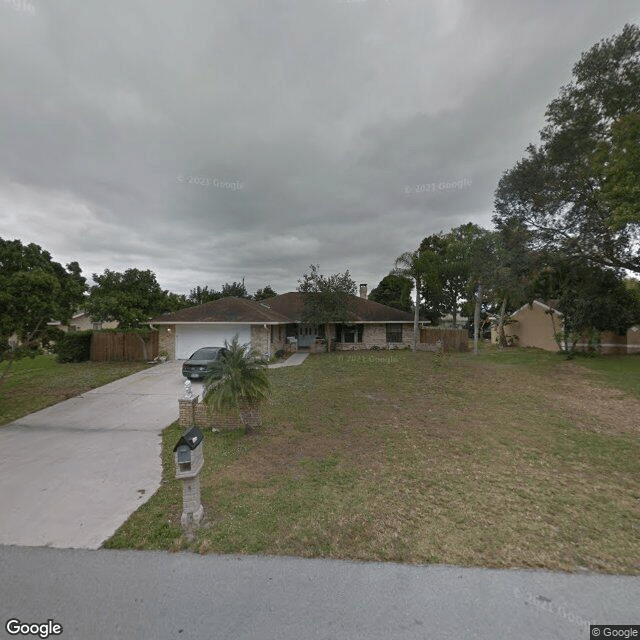
1732 45th Terrace, Naples, FL 34116
To contact a resident: (239) 692-1436
For more information about senior living options: (866) 208-4318
La Shekinah AL Costs & Pricing
At La Shekinah AL, the costs for room accommodations reflect a commitment to quality and care. For a semi-private room, residents can expect to pay $4,000 per month, which is slightly above the average for Collier County at $3,953 but remains competitive when compared to the broader state average of $3,009. In contrast, private rooms are offered at $6,000 monthly; this rate is notably higher than both Collier County's average of $4,538 and Florida's state average of $3,699. These figures suggest that while La Shekinah AL may sit at a premium price point among local options, it likely emphasizes enhanced services or amenities that justify the additional costs.
| Floor plans | La Shekinah AL | Collier County | Florida |
|---|---|---|---|
| Semi-Private | $4,000 | $3,953 | $3,009 |
| Private | $6,000 | $4,538 | $3,699 |
Senior living communities with a similar price nearby
-
from -$680 / mo
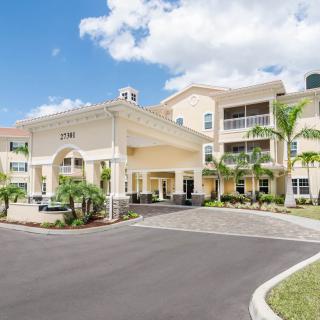
American House Bonita Springs Independent Living
$3,320 to $4,460 / month13.4 miles away -
About the same
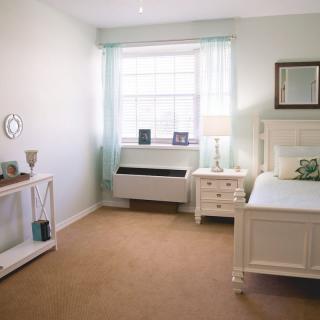
Barrington Terrace of Fort Myers
$3,950 to $6,290 / month24.7 miles away -
from +$445 / mo
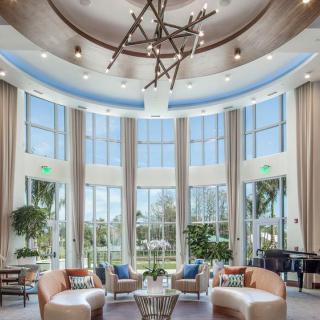
All Seasons Naples
$4,445 to $6,345 / month10.2 miles away -
from -$282 / mo
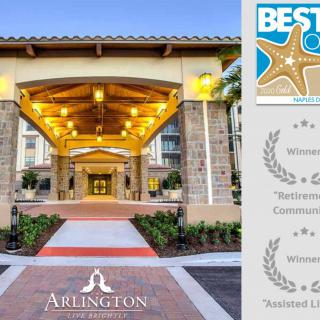
The Arlington of Naples
$3,718 to $6,237 / month8.9 miles away -
About the same

Naples Green Village
$3,950 to $4,350 / month7.1 miles away
Overall Review of La Shekinah AL
Pros
 La Shekinah is a hidden gem of an assisted living facility.
- The owner is amazing and has such a big heart for her patients and their families.
- Despite being a facility, the place feels more like home, and patients receive the 1:1 care they need.
- Since opening, many patients have been referred and all have received such good care.
Review
La Shekinah Assisted Living in Naples is best suited for seniors who want a quiet, home‑like atmosphere where care is deeply personal and highly responsive. The operation centers on the owner’s engaged, compassionate leadership, delivering a level of 1:1 attention that larger campuses rarely match. Residents move through days with individualized routines, not cookie-cutter schedules, and families are able to maintain a direct line to caregivers without navigating layers of administration. The impression is that of a true home rather than a clinical facility, with caregivers who know names, preferences, and histories. This is the kind of setting where safety nets, like hands-on supervision during meals, help with mobility, and prompt assistance during nighttime hours, feel built into the fabric of the operation. For families prioritizing trust, warmth, and visible caregiver–resident rapport, this community stands out in the Naples market.
However, this model also has boundaries that may steer some families toward alternatives. Seniors who require a broader slate of structured activities, regular group programming, or on-site access to a wider array of medical and therapeutic services may find the capacity of a smaller, owner-led home more limiting. If memory care needs are pronounced, or if there is a requirement for consistent on-site specialists and routine physician oversight, a larger assisted living campus or a memory-care-focused community could offer more predictable exposure to therapists, socially scheduled events, and contingency staffing. For residents who thrive on a bustling social calendar or who benefit from a robust resident council, the intimate setting can feel quiet or insular. Finally, if predictable staffing depth is a non-negotiable requirement, some families may prefer facilities with broader teams and formal continuity plans that span multiple shifts.
From the positives, the owner's warmth and genuine care set a standard that directly addresses common pain points in senior care: feeling unseen, risk of neglect, and miscommunication. The 1:1 care model translates into precise attention to dietary preferences, mobility support, medication prompts, and timely response to needs. The home-like atmosphere reduces agitation and promotes comfort, making daily routines predictable rather than stressful. Families report trust and frequent, candid communication, which can significantly reduce the emotional toll of caregiving. These advantages help offset potential downsides of a small operation, such as slower access to specialty services or limited redundancies on busy days. In practice, the care plan can be tuned quickly to the resident, with little bureaucracy to slow progress. That nimbleness is a tangible benefit when urgent needs arise.
That nimbleness is reinforced by a track record of practical outcomes: referrals from caregivers who witnessed consistent quality, and residents who benefit from stable routines and continuity of care. The environment carries an understated confidence, it's not flashy, but it delivers dependable care, with attention to safety, dignity, and family involvement. The owner’s demonstrated commitment to families, seeing care as a shared mission, often translates into responsive problem-solving and transparent updates. In this sense, La Shekinah operates like a boutique option with the reliability of a larger operation. For a family that can align with a smaller, more personal team, this combination of individualized attention and accessible leadership becomes a meaningful differentiator.
Yet the distinctiveness carries caveats. Availability can be tight; there may be wait times during peak periods as spaces are finite and care is closely tailored. Staffing, while dedicated, is concentrated, which means the resident-to-staff ratio can fluctuate with budget and occupancy. If a resident’s health status evolves toward needing regular on-site therapy, complex medical management, or frequent physician visits, confirm that the level of oversight remains feasible within the home's framework. Those needing robust social programming or multi-disciplinary teams on a fixed schedule may prefer environments designed for higher-volume activity and specialized memory or rehab services. For families comfortable with a lighter but deeply engaged model, these considerations tilt strongly in favor of La Shekinah; for others, alternatives with larger teams and more formalized care pathways may be a better match.
In short, La Shekinah is a practical choice for seniors who value intimate, heart-led care, a home-like feel, and real 1:1 attention. It suits residents who can thrive with personalized scheduling and strong family involvement, and who prize trust in the caregiving relationship above all else. Families considering options should prioritize a visit to assess compatibility with routines, staff responsiveness, and the logistics of care plans. If the aim is a warm, attentive, low-friction setting, this Naples community deserves close consideration; if broader programming and higher levels of medical oversight are non-negotiable, explore alternatives with larger, more structured infrastructures.
 Board and Care Home
 Private
 Southwest Florida International (24 miles away)
 Ambulatory care
 Diabetic care

 A Detailed Examination of Nursing Home Costs Across the U.S.
 Exploring Nonmedical Home Care: Understanding Services, Costs, and Financial Approaches
 Engaging Brain Games and Innovative Apps to Keep Senior Minds Active