
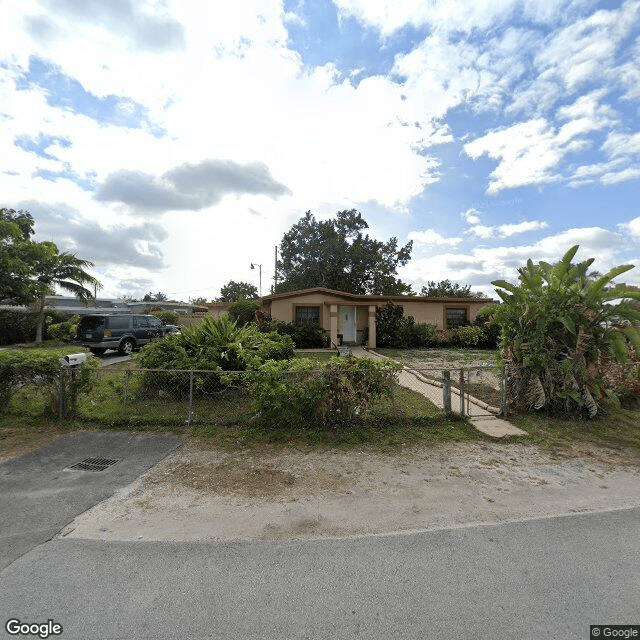
2140 North West 126 Street, Miami, FL 33167
For more information about senior living options: (866) 208-4318
Westview Pleasant Living Costs & Pricing
Westview Pleasant Living offers competitive pricing for its accommodations compared to the broader market in Miami-Dade County and across Florida. The monthly cost for a semi-private room at Westview is $1,200, significantly lower than the county average of $2,250 and the state average of $3,009. For those seeking more privacy, a private room at Westview is priced at $1,800, again presenting a stark contrast to Miami-Dade's average of $3,304 and Florida's average of $3,699. Even in its studio offering at $2,000 per month, Westview remains more affordable than the local and state averages of $3,886 and $3,823 respectively. This positioning not only highlights Westview Pleasant Living as an attractive option for potential residents but also reflects its commitment to providing quality living arrangements without straining financial resources.
| Floor plans | Westview Pleasant Living | Miami-Dade County | Florida |
|---|---|---|---|
| Semi-Private | $1,200 | $2,250 | $3,009 |
| Private | $1,800 | $3,304 | $3,699 |
| Studio | $2,000 | $3,886 | $3,823 |
Memory care communities with a similar price nearby
-
from +$100 / mo
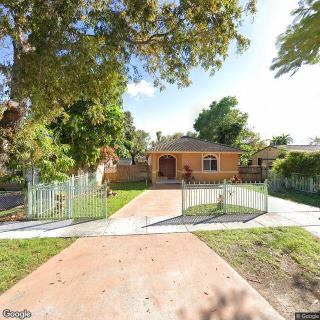
Caring for You #1 Assisted Living Facility, INC
$1,300 / month9.0 miles away -
About the same
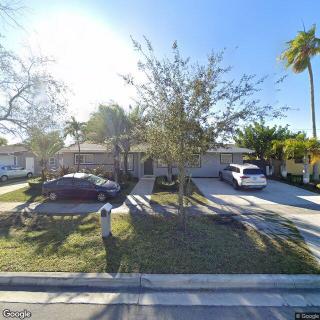
Marina ALF, INC
$1,200 to $2,000 / month21.4 miles away -
from +$200 / mo
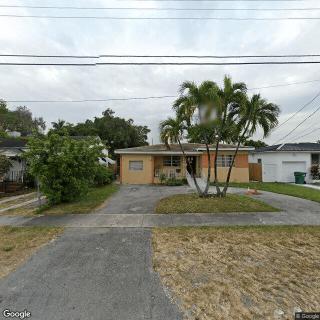
Gonzalez & Sons Home Care
$1,400 to $2,500 / month8.9 miles away -
from +$200 / mo
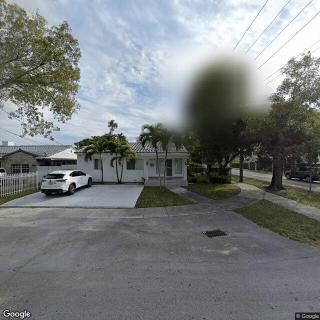
Gonzalez & Sons Home Care II
$1,400 to $2,500 / month8.6 miles away -
from +$200 / mo
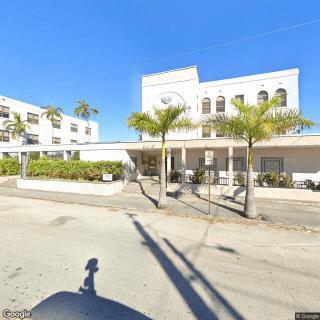
Midtown Manor
$1,400 to $2,900 / month10.1 miles away
Overall Review of Westview Pleasant Living
Pros
 They are a mother-daughter team who are super nice.
- The house smelled nice.
- They were willing to work with guests as much as they could.
Cons
 The house was a little small and older.
- The 30 to 45 minute distance from their home could make regular visits a challenge.
- They had an extremely limited budget.
Review
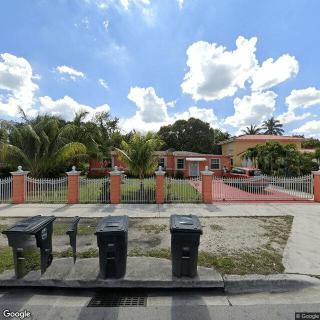
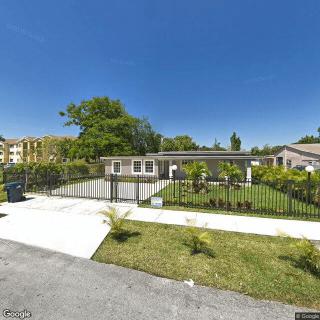
Westview Pleasant Living in Miami is best suited for families seeking a warm, intimate, caregiver-led home environment where personal attention and affordability trump large venues and new construction. The community is effectively run by a mother-daughter team whose warmth and accessibility are repeatedly noted by families touring the house. The setting feels like a small, lived-in home rather than a polished institution, which appeals to residents who value direct, hands-on care and a more homelike daily rhythm. This model works for households willing to trade breadth of amenities for a high-touch, trust-based care relationship.
On the positive side, the leadership couple stands out as the clearest strength. Their apparent kindness translates into responsive communication and a willingness to tailor care to fit tight budgets. The home atmosphere, clean, comfortable, with a pleasantly lived-in feel, contributes to a sense of security and routine that families often crave. For those restrained by budgets, the prospect of negotiated terms is meaningful, offering a realistic path to access care without overreaching financially. In a market where costs spiral quickly, this practical flexibility carries considerable weight.
Yet the trade-offs are real and should be weighed carefully. The house is described as small and older, which can limit private space, storage, and the likelihood of modern accessibility features some residents rely on. The distance from the family home, 30 to 45 minutes, creates real friction for regular visits, spontaneous checks, and quick coordination in emergencies. While affordability and personal attention are appealing, the limited footprint may translate into fewer on-site activities and a tighter social ecosystem, potentially feeling restricting for seniors who value diverse programming or more expansive common areas.
Taken together, the pros offset the cons most meaningfully for families prioritizing a hands-on, affordable care arrangement over size and polish. The personal leadership and willingness to adjust pricing can compensate for a smaller, older facility if the resident values continuity of caretaking and a close-knit staff-resident relationship. However, the distance factor remains an undeniable hurdle; it tempers the appeal for those who rely on frequent family engagement or need a facility that naturally aligns with a nearby support network. In such cases, the advantages erode unless the family can routinely overcome travel constraints.
Prospective residents should approach with a practical checklist. Seek clarity on room configurations, safety features, and caregiver-to-resident ratios; confirm included services versus potential add-ons; and verify meal plans, transportation options, and available daily activities. Observing a tour during active hours to gauge staff responsiveness, and talking to current residents about daily life, can reveal whether the intimate, homey culture translates into reliable day-to-day support. If proximity or a richer activity calendar matters, it is wise to compare against alternatives that are closer to home or offer more robust amenities, even at a higher price.
Bottom line: Westview Pleasant Living is a pragmatic fit for families prioritizing affordability and a genuine, hands-on care ethos in a small, homelike setting. It is not the right choice for those who require frequent in-person visits to be near, or who demand modern, spacious accommodations and a bustling activity program. For those who prize a personal touch and a budget-conscious path, a direct conversation with the caregivers and an on-site assessment will illuminate how far these strengths can carry a loved one through evolving needs. If the trade-offs align with care goals and logistics, this community can be a solid, value-driven choice.
 6 resident community capacity
 Assisted Living
 Board and Care Home
 Memory Care
 Cable or satellite TV
 Dining room
 Fully furnished
 Garden
 Housekeeping services
 Move-in coordination
 Outdoor space
 Private
 Telephone
 Wi-Fi/high-speed internet available
 Miami International (8 miles away)
 24-hour supervision
 Activities of daily living assistance
 Assistance with bathing
 Assistance with dressing
 Assistance with transfers
 Diabetes diet
 Meal preparation and service
 Medication management
 Special dietary restrictions
 Transportation arrangement (medical)
 Transportation to doctors appointments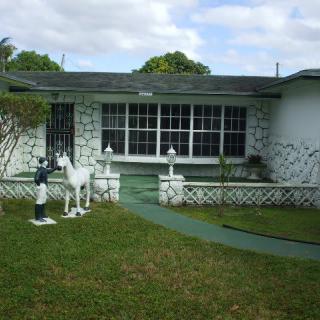




 Delving into the Inner World of Dementia: Insights into Thoughts and Awareness
 Five Subtle Dementia Indicators to Observe: An In-Depth Guide to Understanding “Does My Mom Have Dementia?”
 Dementia, Paranoia, and Caregiver Guidance: Understanding the Connection