
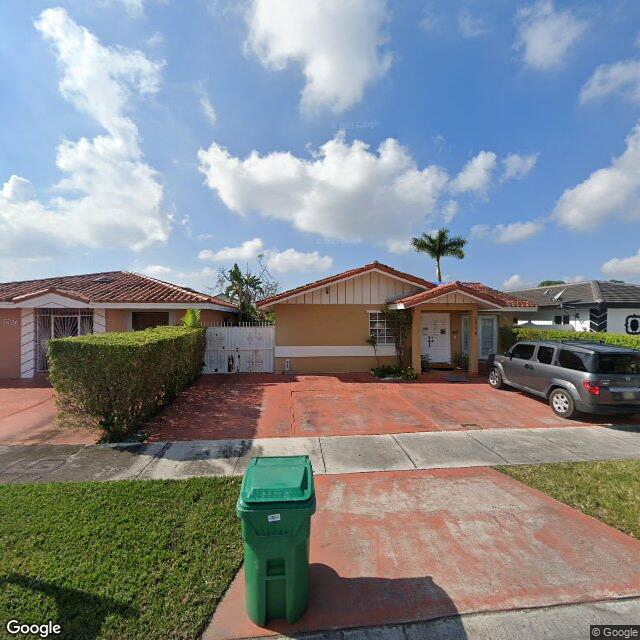
5716 SW 149th Place, Miami, FL 33193
To contact a resident: (305) 335-8127
For more information about senior living options: (866) 208-4318
Overall Review of Sol Assisted Living Facility 2
Pros
 The ALF is cozy and very clean.
- They treat family members and patients with care.
- The mother was well cared for—clean, well fed, and well bathed—even though she was bed-bound.
- It is highly recommended for elderly care and is not very expensive.
- They provide meals (breakfast, lunch, and dinner) and genuinely care for their patients.
- They keep in touch with families for everything and have two locations.
Review
Sol Assisted Living Facility 2 in Miami, FL is best suited for families seeking a small, home-like setting where meticulous daily care and open, ongoing communication with families are priorities. The community’s intimate, not-huge footprint creates a cozy atmosphere that feels less institutional and more personalized. This environment is particularly well-suited for residents who require consistent daily assistance, dignified care, and the comfort of knowing caregivers treat both residents and their families with the same level of respect and attention. For families navigating end-of-life care or hospice needs, this setting often delivers the peace of mind that a healthcare plan will be followed with care and compassion.
Those weighing alternatives should consider options with larger campuses or more expansive programming. If a resident thrives on a robust activity calendar, greater on-site medical capacity, or a wider range of specialized services, beyond routine meals and assistance, Sol may feel limited by its small size. The same intimacy that drives high-touch care can translate into fewer formal amenities or specialized programs. In such cases, families might explore communities that offer more extensive memory care tracks, more aggressive rehabilitation services, or a broader social scene to sustain engagement.
The strongest pros center on two intertwined strengths: the setting and the care philosophy. The facility’s compact footprint translates into a highly personalized atmosphere where cleanliness is evident and consistent. From the description of care, residents are kept clean, well fed, and attended to with dignity, even when mobility is limited. The reviewer’s words about peace of mind underscore a critical payoff: staff who keep lines of communication open, report back regularly, and involve families in decisions. This level of partnership with families amplifies trust and reduces the anxiety that often accompanies placing a loved one in assisted living.
Equally compelling is the emphasis on nourishment and routine. The presence of regular meals, breakfast, lunch, and dinner, paired with attentive daily care creates a palpable sense of stability. The reviewer’s experience with hospice-level attention reinforces the notion that the staff are equipped to handle sensitive care needs with compassion. Importantly, the facility’s pricing is described as not expensive, which positions the community as an accessible option for families prioritizing value without sacrificing essential quality of care.
Where the conundrum lies, and how the pros offset it, rests in the balance between size and breadth. The small-to-mid-scale format fosters intimate, attentive service, better family communication, and a sense of being known to staff, factors that often matter deeply to families during stressful transitions. On the flip side, the limited scale may mean fewer dramatic amenities or specialized medical resources on site. Yet the core strengths, cleanliness, consistent meals, loving attention to residents, and proactive family updates, can offset these trade-offs for many families, especially when hospice or end-of-life considerations are involved.
For families ready to move forward, practical steps sharpen the decision. Schedule a tour focused on daily routines, ask to meet frontline caregivers and the management team, and probe for real-world details: caregiver-to-resident ratios during day and night, the process for medication management, and how care plans are updated and shared with families. Inquire about hospice and palliative support, responsiveness to family inquiries, and the extent of coordination with external healthcare providers. When the evaluation centers on a serene, clean, tightly run setting where families feel listened to and kept in the loop, Sol Assisted Living Facility 2 stands out as a prudent, value-driven choice for those prioritizing warmth, dignity, and peace of mind over sheer size or breadth of services.
 Board and Care Home
 Miami International (11 miles away)



 Comprehensive Guide to Blood Pressure Charts for Older Adults: Understanding Normal and High Readings by Age
 Financing Long-Term Nursing Home Care Through Social Security: A Thorough Exploration
 Essential Knowledge on Pneumonia in Older Adults