

13111 SW 84 Street, Miami, FL 33183
To contact a resident: (786) 488-1506
For more information about senior living options: (866) 208-4318
Maria Adult Home Care IV, Corp Costs & Pricing
Maria Adult Home Care IV, Corp offers a private room option at a competitive monthly rate of $3,660. When compared to the broader market of Miami-Dade County, where the average cost for similar accommodations stands at $3,304, Maria's rates are slightly higher but still reflect the quality and personalized care provided. On a state level in Florida, the average cost for private adult home care rooms is approximately $3,699, positioning Maria Adult Home Care IV favorably within the wider spectrum of care facilities. This pricing structure suggests a commitment to delivering exceptional services while remaining aligned with regional trends in adult home care expenses.
| Floor plans | Maria Adult Home Care IV, Corp | Miami-Dade County | Florida |
|---|---|---|---|
| Private | $3,660 | $3,304 | $3,699 |
Senior living communities with a similar price nearby
-
from -$660 / mo

LB Solution Care Group Homes
$3,000 / month23.8 miles away -
from -$260 / mo

Palace At Kendall
$3,400 to $5,750 / month1.8 miles away -
from -$660 / mo

Vida Clara Adult Care Services
$3,000 to $3,500 / month7.5 miles away -
from +$190 / mo

Betsy's Loving Home
$3,850 to $5,355 / month24.7 miles away -
from +$565 / mo
Asa Homecare Inc
$4,225 to $7,000 / month6.9 miles away
Overall Review of Maria Adult Home Care IV, Corp
Cons
 The agency claimed it called both the reviewer and their father for visits, which was a complete lie.
- It sent someone once for a consultation and then vanished.
- There was no follow-up, no care, and no communication from the agency.
- Whenever help was sought, it was said that the reviewer hadn't answered and the case was closed.
- The agency delivered multiple referrals that ended in false claims, no accountability, and zero compassion.
- This is not home health care; it adds stress for families who truly need support.
- It was the absolute worst experience.
- People should stay away from this agency.
Review
Maria Adult Home Care IV, Corp in Miami, FL is best suited for families that can operate with minimal expectations for organized, reliable home-health coordination. The sole account available presents a picture of a provider with almost no sustained engagement: a single initial contact that never materializes into ongoing visits, and no demonstrated agility in responding when families seek help. For families dependent on timely communication, predictable scheduling, and a documented care path, this option should be approached with extreme caution. In short, it’s not a fit for those who need dependable, hands-on support.
The review lays out a sequence of troubling experiences that undermine trust. Claims of missed calls and voicemail gaps contradict assurances of outreach for visits. A one-off “consultation” supposedly begins a relationship, only to dissolve without follow-through or clear next steps. When families try to obtain assistance, the response is dismissive, cases closed on the basis of non-response rather than proactive problem-solving. The pattern described is not just inconvenient; it signals a systemic lack of accountability, a critical flaw in any home-health arrangement.
These issues dominate the assessment because there are no appreciable counterbalancing strengths noted in the account. Without reliable follow-up, documented visit schedules, or demonstrable compassion and responsiveness, any potential benefits, such as comfort of receiving care at home or the convenience of in-home support, do not manifest in a meaningful way. The absence of verifiable positive practices leaves the cons unmitigated, and the overall picture becomes one of risk rather than reassurance. When trust and communication are non-negotiable, especially for families managing fragile conditions, the reported gaps win out.
Families evaluating alternatives should look for providers with clear, verifiable processes. A strong option is one that guarantees scheduled visits with a dedicated care coordinator or case manager, not merely a rotating staff member; transparent timing and escalation procedures for missed visits; and dependable communication channels that document attempts and outcomes. Ask for written care plans, defined goals, and measurable check-ins. Contact references to confirm consistency over time and investigate any histories of missed visits or unresolved concerns. In short, prioritize reliability, accountability, and proactive problem-solving.
If the choice is made to pursue Maria Adult Home Care IV, insist on concrete safeguards from the outset. Require a formal care plan with entry and exit criteria, a named supervisor, and an operational escalation path for urgent questions or changes in condition. Seek assurances about responsiveness, such as guaranteed callback windows and a policy for promptly addressing forgotten visits. It is prudent to request trial periods or short-term commitments with clear renewal terms, so that any early warning signs of disorganization can be detected and acted upon without long-term exposure to risk.
Ultimately, the review signals a strong caveat: this provider does not appear to deliver the dependable, compassionate service essential for most families seeking at-home support. For anyone whose priority is steady communication, reliable scheduling, and accountable care, alternatives with proven track records should be explored first. Maria Adult Home Care IV may only be considered if a family can secure ironclad assurances, a transparent care framework, and a palpable commitment to closing gaps in responsiveness, elements that, in this case, are not demonstrated in the available account.
 Board and Care Home
 Miami International (10 miles away)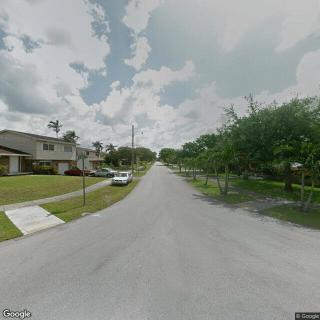
 Convenient location with nearby amenities and a welcoming, family-oriented atmosphere.




 Powerful Realities of Elder Abuse and the Most Effective Ways to Report It
 Ten Vital Duties of a Senior Caregiver: A Comprehensive Guide
 9 Stimulating Memory Activities for Seniors: Puzzles, Cards, and Much More