
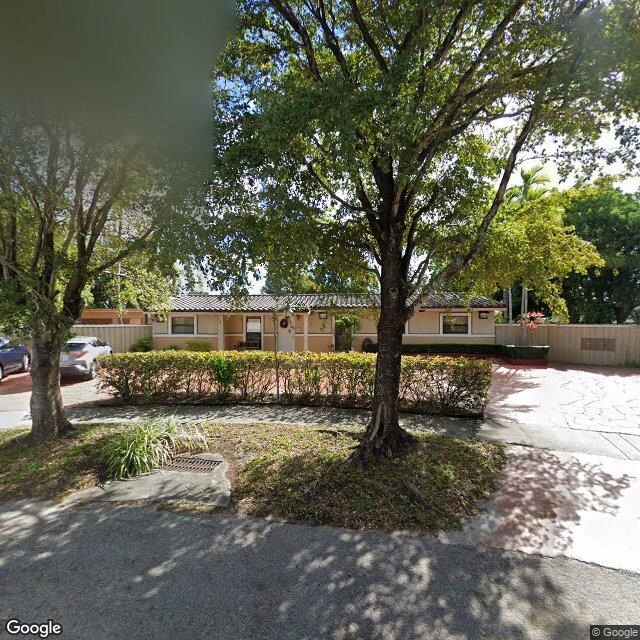
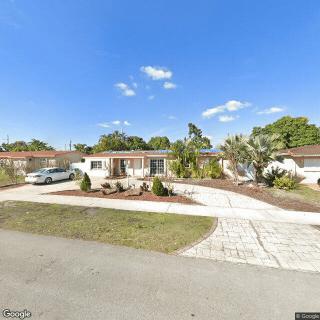
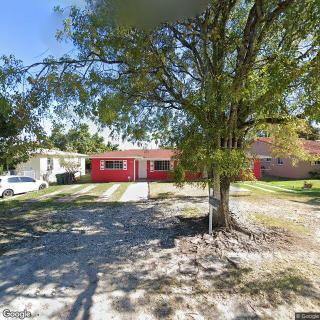
7930 Southwest 11th Street, Miami, FL 33144
To contact a resident: (305) 266-6762
For more information about senior living options: (866) 208-4318
Maggie's Retirement Home #1 Costs & Pricing
Maggie's Retirement Home #1 offers a competitively priced semi-private room at $1,000 per month, significantly lower than the average costs in both Miami-Dade County and across the broader state of Florida. In comparison, the typical cost for a semi-private room in Miami-Dade is approximately $2,250, while residents can expect to pay around $3,009 on average throughout Florida. This substantial difference highlights Maggie's commitment to providing affordable care without compromising quality, making it an attractive option for families seeking cost-effective solutions for their loved ones in a supportive community setting.
| Floor plans | Maggie's Retirement Home #1 | Miami-Dade County | Florida |
|---|---|---|---|
| Semi-Private | $1,000 | $2,250 | $3,009 |
Assisted Living communities with a similar price nearby
-
from -$100 / mo
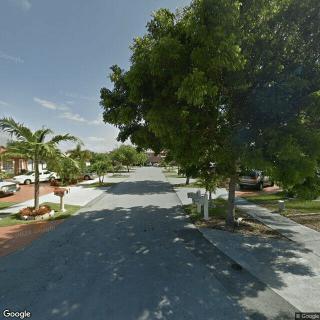
Garden Valley Retirement Home
$900 to $1,500 / month12.5 miles away -
About the same
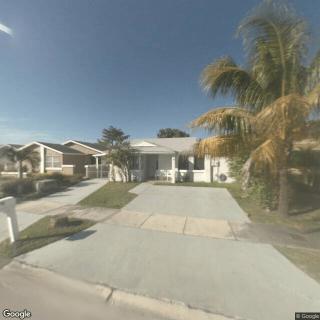
Tiffany Assisted Living Facility
$1,000 to $1,500 / month12.6 miles away -
from +$100 / mo
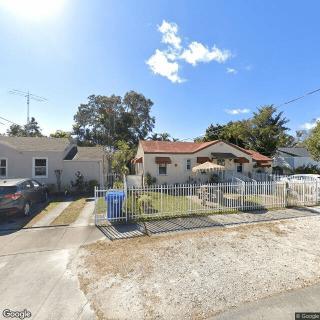
Idalmis Residence
$1,100 to $1,400 / month4.5 miles away
Overall Review of Maggie's Retirement Home #1
Pros
 The staff treated her like family.
- They cooked traditional Cuban meals that tasted just like grandma used to make—warm, familiar, and full of love.
- Every bath, every meal, every moment was handled with care and dignity.
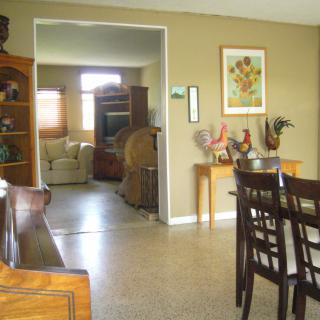
- The home felt warm, welcoming, and full of life.
- Doris and Norma, the office managers, were true professionals who were attentive and knowledgeable.
- The home had several aides working around the clock, so she was never alone.
- The owner, Barbara, was the sweetest person and made visitors feel welcome.
- The night watch team, Nancy and Arturo, kept her safe through the night.
- Maggie’s Retirement Home provides peace knowing loved ones are in good hands.
- It feels like a real home that treats loved ones with genuine love and respect.
Cons
 The new management isn't a nice place to be.
- They do not care about the elderly.
Review
Maggie’s Retirement Home #1 is best suited for families seeking a warm, home-like atmosphere where an elderly loved one can receive intimate, attentive caregiving in a culturally resonant setting. This community lends itself to residents who value daily routines, personal touch, and a familial ambiance over a clinical, impersonal feel. It works well for high-need seniors who benefit from around-the-clock aides and consistent oversight, including those who are bed-bound or require steady assistance with bathing, mobility, and meals. The Westchester location in Miami supports a closely-knit, traditional home environment, reinforced by staff who act like family, and by leadership that is visible and accessible to families.
The strongest selling points are precisely the daily realities of care: an attentive team providing continuous presence, meals prepared in a familiar, comforting style, and a setting that mirrors a working family home. Residents appear clean, comfortable, and dignified, with the kind of daily routine that reduces anxiety and confusion for loved ones. The staff’s commitment is underscored by round-the-clock aides, a dependable night team, and a culture of respect and warmth that translates into peace of mind for families. The owner and office managers are described as professional and welcoming, contributing to a sense of stability and open communication that makes visits easy and reassuring.
Yet a clear caution must be considered. One review hints at unease with management under a new leadership phase, suggesting that leadership changes may affect perceptions of care quality and responsiveness. While the bulk of feedback is glowing, this note invites prospective families to probe current leadership stability, consistency in staffing, and the facility’s approach to resident welfare during transitions. The potential risk is not necessarily present in every moment, but an informed family will verify ongoing priorities, review recent staffing patterns, and seek direct assurances about how care plans are maintained during any leadership shift.
When the positives are weighed against this caution, the offset is significant for families prioritizing intimate attention and a home-centered cadence. The model at Maggie’s emphasizes relationships and daily routines over formalized programming, which suits residents who resist impersonal, large-scale environments. The availability of multiple aides around the clock directly mitigates concerns about neglect or oversight, while the visible, hands-on involvement of the owner and managers calms family members who crave transparency. The bed-bound care example she shared, and the lack of bed sores, illustrates a level of proactive, detail-oriented care that is tough to beat in a small, family-style setting.
For families weighing alternatives, Maggie’s stands out for those who want a genuinely familial environment with culturally familiar touches, like traditional meals and a home-like rhythm that feels less institutional. However, those seeking strong clinical management, advanced therapy programs, or formalized memory care curricula may want to compare options in larger facilities with on-site medical directors and more structured activity schedules. If leadership stability is a top criterion, demand current leadership bios, recent performance histories, and a clear plan for continuity before committing. The decision hinges on valuing intimate caregiving and a warm, personal setting more than the breadth of services often found in bigger communities.
In conclusion, Maggie’s Retirement Home #1 delivers a compelling choice for families prioritizing warmth, continuity of caregiving, and a culturally resonant, home-like environment. The combination of round-the-clock aides, dignified treatment, and approachable ownership creates a powerful case for those who want to avoid the sterile feel of larger campuses. Yet prospective movers should enter with clarity about leadership continuity and seek concrete conversations about staffing stability, care planning, and how any leadership changes would be managed. For the right resident, someone who thrives on humans-level care and familial warmth, this community can be a rare, deeply reassuring fit.
 Assisted Living
 Activities on-site
 Beautician on-site
 Devotional services off-site
 Indoor common areas
 Outdoor common areas
 Respite or short term stays offered
 Wheelchair accessible showers
 Miami International (3 miles away)
 Ambulatory care
 Diabetic care
 Incontinence care
 Medication management
 Meals provided




 An Extensive Exploration of the VA Aid and Attendance Benefit
 Senior Transition Services: Understanding Their Role, Cost, and Importance
 Exploring the Path to Senior Living: A Comprehensive Look at Independent Living and Assisted Living