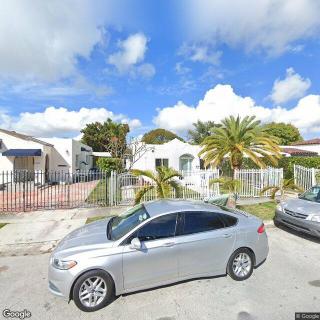
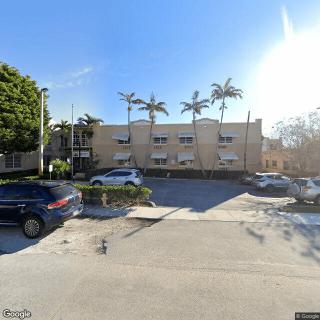
Elena Assisted Living Facility

1731 South West 11Th Street, Miami, FL 33135

For more information about senior living options: (844) 490-3973

4 from 100 reviews
5 stars
72
4 stars
1
3 stars
3
2 stars
4
1 stars
20

Assisted Living Board and Care Home Respite Care

Overall Review of Elena Assisted Living Facility

Pros

  • pro The staff here are amazing and take pride in everything they do.
  • pro Katty in Admissions is always available and answers questions.
  • pro Ponce Health and Rehabilitation Center provides loved ones with love and care and feels like a home away from home.
  • pro Jennifer from administration is very professional, and David, the director of nursing, is amazing.
  • pro The rehab team is amazing.
  • pro The facility is very clean, and the staff are friendly and helpful.
  • pro Ponce Plaza is a magnificent health center.
  • pro The care and services are wonderful and top-notch.

Cons

  • pro The administration lacks compassion and appears to prioritize profit over patient care.
  • pro The transportation service is unsafe due to an unqualified driver who accelerated, causing injury.
  • pro Patient belongings reportedly went missing after being relocated to another facility.
  • pro The facility is described as dirty and under-supervised, with patients lying in their own feces on weekends.
  • pro A large portion of the staff are described as rude and entitled, indicating poor quality of care.
  • pro There are allegations of misrecording a patient's death and misplacing the body after death.

Review

A long thread of experiences emerges when you read through the notes about Ponce Health and Rehabilitation Center and the Ponce Plaza facility. Taken together, they reveal a landscape of care that ranges from deeply comforting and professional to alarmingly problematic, depending on who you ask and when you visited. Several families describe a clean, welcoming environment where staff are accessible, attentive, and genuinely invested in their loved ones' well-being. Others recount frightening lapses in safety, communication, and ethics that leave lasting scars. The contrast is striking enough to suggest that, for some, these centers can feel like a home away from home, while for others they have been places to fear and avoid.

Among the strongest positives are references to cleanliness, order, and the everyday kindness of staff. Multiple reviewers repeatedly praise the facilities as very clean and well-maintained, with admissions staff who listen and respond. Katty in Admissions is singled out by name as someone who is consistently available and ready to answer questions, a small detail that makes a big difference in anxious moments of transition. There are repeated assurances that nurses and certified nursing assistants (CNAs) treat patients with respect and warmth, and that the administrative team is engaged and helpful. In one particularly moving account, a family thanks Jennifer in administration and David, the director of nursing, for their professionalism and the confidence they gave them that their dad would be cared for to the best standard. The sense of a close-knit, caring team is echoed by the praise given to other staff - Marilyn the CNA, Annette who coordinates transportation, and Sascha the lead social worker - who together help families navigate therapy, transport, and discharge with calm and competence. Across several notes, reviewers emphasize that the complexion of care - clean rooms, good food, quiet dignity, and staff who speak Spanish or other languages - helps families feel that their loved ones are in good hands.

There are also many comments that build a picture of a facility where care feels individualized and familial. The rehab team is described as dedicated and capable, with therapists like Jorge and Micha earning particular appreciation for their patience and effectiveness. Families recount moments when staff went above and beyond, making arrangements to ensure timely transport, providing clear explanations about rehab goals, and treating patients like family members rather than numbers. In these narratives, the environment is described as not only clinically competent but emotionally supportive, with patients and their relatives finding comfort in the consistency and accessibility of caregivers. For some, the experience is a relief after surgery or a stroke, with steps carefully mapped out to help loved ones regain strength and return home.

Yet the same reviews that celebrate careful teams and well-maintained facilities also contain vehement, sobering cautions. A recurring theme is that administration and organizational priorities may appear focused on profitability or visitor satisfaction at the expense of patient care. One reviewer alleges a shift toward making money for a parent company rather than prioritizing patient welfare, describing a transport incident in which a wheelchair was not properly secured, a driver appeared distracted, and the resulting crash led to ongoing shoulder pain. Another reviewer recounts being displaced to a different rehabilitation facility after hospitalization, with belongings missing and a sense that communication about where their loved one would be staying was inconsistent or absent. The most troubling claim is that a family's loved one ended up in a facility described in one voice as a "morgue" on weekends, with reports of patients lying unattended and a fear that a body was mislaid after death. The claim that a body was misplaced and that a city investigation might be pursued is chilling, as are broader complaints about inadequate oversight, poor staff conduct, and a perception that basic respect for patients' dignity had slipped.

There are also intensely negative individual experiences that call into question day-to-day operations. One reviewer characterizes Ponce as "the worst place that exists," accusing staff of cruelty and noting a lack of professional ethics, while another recounts a six-day admission with minimal therapy, no doctor visits, and slow or non-existent responses to basic needs. There are mentions of long wait times for bathroom assistance, frequent interruptions in critical care, and a general sense that the facility's bedside manner and organizational culture did not align with the standard families expected when entrusting care to a rehab center. A subset of reviewers emphasizes that the quality of care seems to vary not just from one floor to another but from one encounter to the next, leaving families with hesitation about committing their loved ones to a single facility.

The overall impression is not one-note. Several reviewers express strong, positive loyalty to Ponce in moments of gratitude, while others issue stern warnings that echo with grave concerns about safety, accountability, and dignity. The brand appears to encompass multiple facilities within the same network - Ponce Health and Rehabilitation Center and Ponce Plaza - and the experiences described suggest that the quality of care can differ between locations, as well as over time. On the positive side, the description of a clean environment, a responsive administrative team, and a rehab program staffed by caring professionals offers a compelling image of what can be achieved when processes and people align around patient-centered goals. On the negative side, the stories of unsafe transport, miscommunication about patient placement, missing belongings, and alleged neglect or disrespect present a contrasting reality that understandably shakes trust.

For families considering these centers, the delineation offered by these reviews is valuable but complex. The same pages that laud clean facilities, welcoming staff, and effective rehabilitation teams also contain warnings about safety lapses, organizational missteps, and experiences that feel dehumanizing. The recurring recommendation - whether explicit or implied - is to visit, ask pointed questions, and observe how staff engage with patients and families in real time. The reviews collectively suggest that, at their best, these centers can provide compassionate, professional, and effective rehabilitation that helps a loved one regain independence and dignity. At their worst, they may fall short in critical areas of safety, communication, and ethical care, with consequences that families say are painful, lasting, and, in some cases, catastrophic.

In the end, the stories converge on a single truth: the care experience at Ponce Health and Rehabilitation Center and Ponce Plaza is not monolithic. It can be a place of triumphant recovery, where patients thrive with attentive therapy, courteous staff, and clear coordinated support. It can also be a place where families fear for their loved ones, where missteps in transport, miscommunication about placement, and perceived indifference erode confidence. For anyone facing a decision about these facilities, the honest takeaway is to gather firsthand impressions, speak with staff across departments, and listen closely to the patient's own needs and concerns - because the quality of care, as these notes show, depends as much on people and moments as it does on protocols and promises.

Features

Housing

  • 6 resident community capacity 6 resident community capacity

Types of Care

  • Assisted Living Assisted LivingAssisted living facilities provide crucial support and care for seniors who may need help with daily tasks such as medication management, bathing, and meal preparation. These communities offer a safe and comfortable environment where seniors can maintain their independence while receiving the assistance they need to thrive in their golden years.
  • Board and Care Home Board and Care HomeBoard and care homes provide a smaller, more intimate setting for seniors who require assistance with daily tasks but do not need the level of care offered by a nursing home. They offer personalized care, meals, and social activities in a homelike environment, ensuring that seniors receive individualized attention and support in their golden years.
  • Respite Care Respite CareRespite care provides temporary relief for caregivers, allowing them to recharge and attend to their own needs. It also gives seniors the opportunity to socialize, receive professional care, and experience a change of scenery, promoting overall well-being and reducing feelings of isolation.

Amenities

  • Cable or satellite TV Cable or satellite TVCable or satellite TV is important for seniors because it provides entertainment, news, and companionship, helping to combat loneliness and boredom. It also offers a wide range of programming options tailored to different interests and preferences.
  • Dining room Dining roomDining rooms are important for seniors as they provide a space for socialization, connection, and nutritious meals. They offer opportunities for residents to bond over shared meals, foster a sense of community, and promote healthy eating habits. Dining rooms also ensure that seniors have access to well-balanced meals tailored to their dietary needs and preferences.
  • Fully furnished Fully furnishedFully furnished senior living communities are important for seniors because they provide convenience, comfort, and a hassle-free moving experience. Seniors can easily settle into their new living space without the stress of having to buy and move furniture. This allows them to focus on enjoying their new home and community.
  • Garden GardenGardens are important for seniors as they provide a peaceful and therapeutic environment for relaxation, physical activity, and socialization. Being in nature has been shown to reduce stress, improve mood, and promote overall well-being. Gardens also offer opportunities for seniors to engage in gardening activities, which can improve mobility, flexibility, and cognitive function. Additionally, gardens create a sense of community and connection with others who share a passion for plants and outdoor spaces.
  • Housekeeping services Housekeeping servicesHousekeeping services are important for seniors because they help maintain a clean and safe living environment, promote independence, and reduce the risk of accidents or illnesses. Additionally, having assistance with household chores can alleviate physical strain and allow seniors to focus on other aspects of their well-being.
  • Move-in coordination Move-in coordinationMove-in coordination is important for seniors because it helps ease the transition into their new living environment. It ensures that all logistics, such as packing, organizing movers, and setting up utilities are taken care of, allowing seniors to focus on settling in and adjusting to their new home. Having a smooth move-in process can alleviate stress and anxiety, making the transition smoother and more enjoyable for seniors.
  • Outdoor space Outdoor spaceOutdoor spaces are important for seniors as they provide opportunities for physical activity, social interaction, exposure to natural light and fresh air, and a sense of connection to nature. Having access to outdoor spaces can improve overall well-being and quality of life for older adults living in senior communities.
  • Telephone TelephoneTelephones are important for seniors as they provide a lifeline for communication with loved ones, emergency services, and healthcare providers. They offer a sense of security and independence, enabling seniors to stay connected and access assistance when needed.
  • Wi-Fi/high-speed internet available Wi-Fi/high-speed internet availableWi-Fi/high-speed internet is important for seniors to stay connected with loved ones, access online resources, and participate in virtual activities to combat feelings of loneliness and isolation. It also allows them to easily manage healthcare needs, access entertainment, and engage in lifelong learning opportunities.

Transportation

  • Miami International (5 miles away) Miami International (5 miles away)
  • Fort Lauderdale-Hollywood International (22 miles away) Fort Lauderdale-Hollywood International (22 miles away)

Care Services

  • 24-hour supervision 24-hour supervision24-hour supervision is important for seniors to ensure their safety, well-being, and access to immediate assistance in case of emergencies or health issues. This constant support provides peace of mind for both seniors and their loved ones, allowing them to age in place with dignity and security.
  • Activities of daily living assistance Activities of daily living assistanceActivities of daily living assistance are important for seniors because they provide essential support with tasks such as eating, bathing, dressing, and mobility. This assistance helps seniors maintain their independence, dignity, and overall quality of life as they age.
  • Assistance with bathing Assistance with bathingAssistance with bathing is crucial for seniors as it helps maintain personal hygiene, prevents infections, and ensures their overall well-being and comfort. It also provides a sense of dignity and independence for seniors who may struggle with this task on their own.
  • Assistance with dressing Assistance with dressingAssistance with dressing is important for seniors because it helps maintain their independence, promotes personal hygiene, prevents accidents and injuries, and improves overall quality of life. This service ensures that seniors can continue to dress comfortably and confidently, despite any physical limitations they may have.
  • Assistance with transfers Assistance with transfersAssistance with transfers is crucial for seniors as it helps prevent falls and injuries, maintains their independence, and ensures they can safely navigate their living environment. It also provides peace of mind for both seniors and their loved ones.
  • Coordination with health care providers Coordination with health care providersCoordination with health care providers is crucial for seniors to ensure proper medical care, medication management, and overall well-being. This collaboration helps prevent overlapping treatments, track progress more effectively, and provide comprehensive support tailored to individual needs.
  • Diabetes diet Diabetes dietA diabetes diet is crucial for seniors as it helps manage blood sugar levels, reduce risks of complications, and improve overall health and well-being. By following a balanced and nutritious diet tailored to their specific needs, seniors can better control their diabetes and enhance their quality of life.
  • Meal preparation and service Meal preparation and serviceMeal preparation and service are crucial for seniors as they may have limited mobility or energy to cook nutritious meals. Having access to healthy and convenient food options can ensure they are getting the proper nutrition needed to maintain their overall health and well-being.
  • Medication management Medication managementMedication management is crucial for seniors to ensure they are taking the right medications at the correct dosages and times. This helps prevent adverse drug interactions, reduces the risk of medication errors, and promotes overall health and well-being. Proactive management also allows for adjustments as needed based on changing health conditions or new prescriptions.
  • Special dietary restrictions Special dietary restrictionsSpecial dietary restrictions are important for seniors because age-related changes in metabolism and health conditions can make it difficult for their bodies to process certain foods. By following a diet tailored to their specific needs, seniors can maintain their overall health and well-being, manage chronic conditions, and reduce the risk of complications such as malnutrition or food interactions with medications.
  • Transportation arrangement (medical) Transportation arrangement (medical)Transportation arrangements for medical purposes are essential for seniors as they may have difficulty driving themselves to appointments or accessing public transportation. Having reliable and safe transportation options ensures that seniors can receive timely medical care and maintain their health and well-being.
  • Transportation to doctors appointments Transportation to doctors appointmentsTransportation to doctors' appointments is crucial for seniors as it ensures they have access to necessary medical care and support for their health needs. Without reliable transportation, seniors may struggle to attend important appointments, leading to potential delays in treatment and health complications. Providing transportation services helps seniors maintain their overall well-being and quality of life.

Dining

  • Diabetes diet Diabetes dietA diabetes diet is crucial for seniors as it helps manage blood sugar levels, reduce risks of complications, and improve overall health and well-being. By following a balanced and nutritious diet tailored to their specific needs, seniors can better control their diabetes and enhance their quality of life.
  • Special dietary restrictions Special dietary restrictionsSpecial dietary restrictions are important for seniors because age-related changes in metabolism and health conditions can make it difficult for their bodies to process certain foods. By following a diet tailored to their specific needs, seniors can maintain their overall health and well-being, manage chronic conditions, and reduce the risk of complications such as malnutrition or food interactions with medications.

Activities

  • Community-sponsored activities Community-sponsored activitiesCommunity-sponsored activities are important for seniors as they provide opportunities for social interaction, mental stimulation, and physical activity. These activities can help improve overall well-being, combat loneliness and isolation, and promote a sense of belonging and purpose among older adults.
  • Scheduled daily activities Scheduled daily activitiesScheduled daily activities are important for seniors because they provide structure, socialization, mental stimulation, and physical activity. Engaging in regular activities can improve overall well-being and quality of life for seniors living in a community setting.

Description

Elena Assisted Living Facility in Miami, FL is a comfortable and compassionate community that offers a range of care services. As a board and care home, we provide a cozy environment where residents can receive assistance with their daily activities, such as bathing, dressing, and transfers. Our dedicated staff also coordinates with healthcare providers to ensure that each resident's specific needs are met.

At Elena Assisted Living Facility, we understand the importance of nutrition and offer specialized meal preparation and service for those with special dietary restrictions or diabetes diets. Our dining room provides a welcoming space for residents to enjoy delicious meals.

In addition to our caring staff and nutritious meals, our facility is fully furnished, providing residents with a comfortable living space. We also offer housekeeping services to maintain cleanliness and an outdoor garden area for relaxation and enjoyment.

We prioritize the well-being of our residents by offering amenities such as move-in coordination, Wi-Fi/high-speed internet access, telephone services, and transportation arrangements for medical purposes or doctors' appointments.

To enhance socialization and engagement, we have scheduled daily activities to keep our residents entertained. Nearby our facility are various cafes, parks, pharmacies, restaurants, transportation options, places of worship, and hospitals.

At Elena Assisted Living Facility in Miami, FL., we strive to create a warm and supportive community where residents can feel at home while receiving the care they need.

Nearby Places of Interest

Restaurants

  • Old's Havana Cuban Bar & Cocina (0.3 miles)
  • Jamon Iberico Pata Negra (1.5 miles)
  • Kiki On The River (1.5 miles)
  • El Brazo Fuerte Bakery (1.5 miles)
  • Chick-Fil-A (1.5 miles)
  • Blackbird Ordinary (1.8 miles)
  • Marion (1.8 miles)

Pharmacies

  • CVS Pharmacy (0.6 miles)
  • Walgreens (1.2 miles)
  • CVS Pharmacy (1.2 miles)
  • CVS Pharmacy (1.6 miles)
  • Walgreens (1.6 miles)
  • Winn-Dixie (1.6 miles)
  • Winn-Dixie (1.8 miles)

Cafes

  • Starbucks (1.3 miles)
  • Casa Tua Cucina (1.8 miles)
  • La Estacion Cafe (1.9 miles)
  • Crema Gourmet Espresso Bar (2.4 miles)

Physicians

  • University Of Miami Doctors Office (1.8 miles)

Hospitals

  • University Of Miami Hospital (1.8 miles)
  • Veterans Administration Hospital Miami (1.9 miles)
  • Jackson Memorial Hospital (2 miles)
  • Doctors Hospital (4.2 miles)

Transportation

  • MDT Metrorail - Government Center Station (1.9 miles)
  • Brightline MiamiCentral (2 miles)
  • Brightline Miami (2.1 miles)
  • American Airlines (2.7 miles)
  • Miami Airport Tri-Rail Station (3.1 miles)
  • Bus Station (3.2 miles)
  • Hertz Rent A Car (3.3 miles)

Places of Worship

  • Gesu Catholic Church (2.1 miles)
  • St Dominic's Catholic Church (4.4 miles)

Parks

  • Bayfront Park (2.3 miles)
  • Douglas Park (2.5 miles)
  • Regatta Park (2.5 miles)
  • Peacock Park (2.8 miles)
  • Margaret Pace Park (3 miles)

Frequently Asked Questions

Where is Elena Assisted Living Facility?

Nearby Communities

Related Resources

  • how to pay for assisted livingFunding and Affording Assisted Living: A Thorough Overview

    Assisted living facilities provide support for older adults needing help with daily activities without extensive medical care, but their costs can be high and vary by location and services offered. Families often seek various funding options and financial strategies to manage these expenses effectively while considering future needs and potential price increases.

  • assisted living insuranceAssisted Living Expenses and Long-Term Care Insurance: A Comprehensive Exploration

    The article discusses assisted living expenses, the importance of long-term care insurance in covering these costs, and various financing options, highlighting the need for careful policy review and early planning to address potential needs. It also clarifies common misconceptions about Medicare and private health insurance limitations regarding long-term care coverage.

  • how to pay for assisted livingSecuring Financial Support for Assisted Living: A Comprehensive Overview

    Assisted living facilities offer crucial support for older adults needing help with daily activities but come with varying and significant costs, which can be financed through personal savings, government assistance programs, long-term care insurance, and home equity options. Professional guidance from experts can aid families in navigating these financial complexities to establish a sustainable budgeting approach for assisted living services.