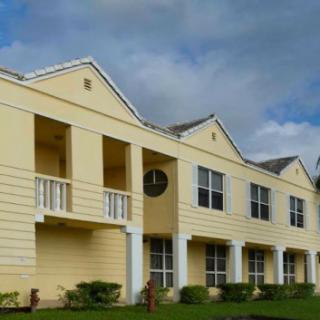
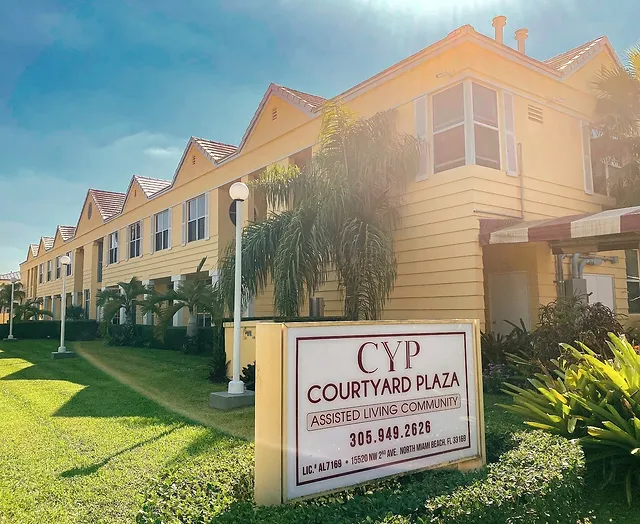
15520 North West 2nd AVENUE, North Miami Beach, FL 33169
For more information about senior living options: (866) 208-4318
4.3 from 33 reviews
5 stars
22
4 stars
7
3 stars
0
2 stars
1
1 stars
3
Overall Review of Courtyard Plaza
common22 reviews mention this
Staff care feels personal
Residents and families consistently describe staff as attentive, kind, and supportive.
Many reviewers say the staff takes time to understand needs and makes families feel reassured. Several mention help with daily support and coordinating matters like appointments and medications. A few negative reviews also reference staff behavior, including complaints about rudeness or abuse, so experiences are not uniformly positive.
common11 reviews mention this
Clean spaces with no odor
Cleanliness stands out, including comments about the lack of bad odor.
Multiple reviewers describe the facility as clean and well kept, with no noticeable smell. Others mention clean rooms and a generally orderly environment. One critical review goes the opposite direction, saying the place was not clean, which contrasts with the majority of comments.
common9 reviews mention this
Activities keep residents engaged
Residents and visitors mention frequent activities and entertainment.
Reviewers describe a steady schedule of things happening during visits, including music and group activities. Some specifically mention residents being out and participating, plus entertainment like a band and regular programming. Others also note resident-focused options such as games and gardening for those who want it.
caveat9 reviews mention this
Food quality is a mixed point
Dining gets praise for tastiness, but at least one review calls out meal quality.
Several reviewers say the food is good, nutritious, and appetizing, and they mention a set dining area. A number of visitors also describe seeing lunch service or a table setting that looked complete. One strongly negative review criticizes dinner specifically, saying residents were served hot dogs with no hot food.
common4 reviews mention this
Rooms feel workable and comfortable
Families mention room size details and the presence of key furniture items.
Some reviewers describe spacious rooms and note that residents have a place for personal items. Others mention concrete room features they observed, like a shower area and standard furniture for clothing. A couple of reviewers also say residents can decorate their rooms and that the community provides furniture.
How we summarize
Counts show how many written reviews mention each theme; a review can touch several themes, and only frequently mentioned themes are displayed.
Features
Housing
120 resident community capacity
Studio apartments
Types of Care
Assisted Living
Board and Care Home
Independent Living
Memory Care
Amenities
Air-conditioning
Beauty salon
Cable or satellite TV
Computer center
Dining room
Family private dining rooms
Fitness room
Fully furnished
Gaming room
Garden
Housekeeping services
Kitchenette
Located close to restaurants
Located close to shopping centers
Move-in coordination
Outdoor patio
Outdoor space
Pet friendly
Private bathrooms
Respite or short term stays offered
Restaurant-style dining
Small library
Telephone
Wellness center
Wi-Fi/high-speed internet available
Transportation
Miami International (10 miles away)
Fort Lauderdale-Hollywood International (11 miles away)
Courtyard Plaza's comprehensive features are designed to meet the unique needs of residents with dementia or Alzheimer's disease, promoting their safety, comfort, and overall well-being. Assistance with dressing and bathing helps residents maintain dignity while ensuring they are properly cared for, which is essential for their self-esteem. Medication management guarantees that individuals receive the correct dosages at appropriate times, helping to minimize confusion and potential health risks. Meal preparation and service cater to nutritional needs, while transportation arrangements facilitate essential medical appointments without the stress of logistics. Coordination with healthcare providers enhances continuity of care, addressing both physical and mental health issues effectively. The program also focuses on activities of daily living assistance and transfers to boost independence while maintaining safety, complemented by 24-hour supervision for peace of mind. Engaging in a mental wellness program along with specialized memory care programming helps stimulate cognitive functions and encourage social interaction. Additionally, physical therapy supports mobility and strength, while tailored care for behavioral issues ensures a respectful approach that prioritizes individual needs during challenging moments. Together, these features create an environment where residents are supported in every aspect of their daily lives.
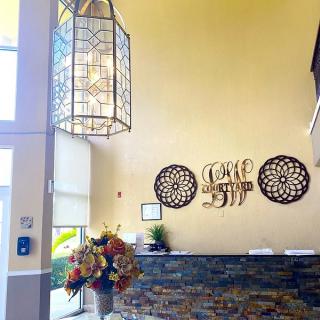
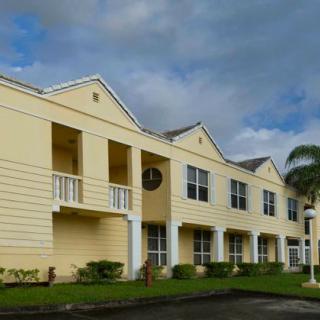
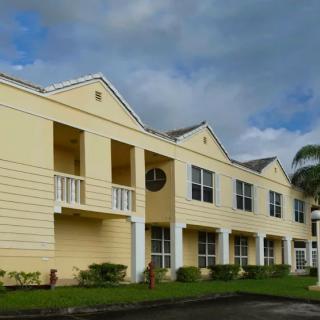
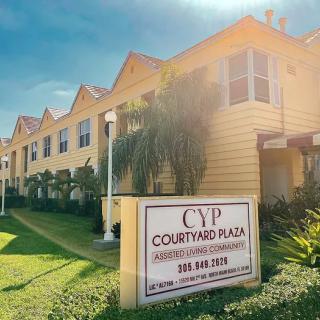
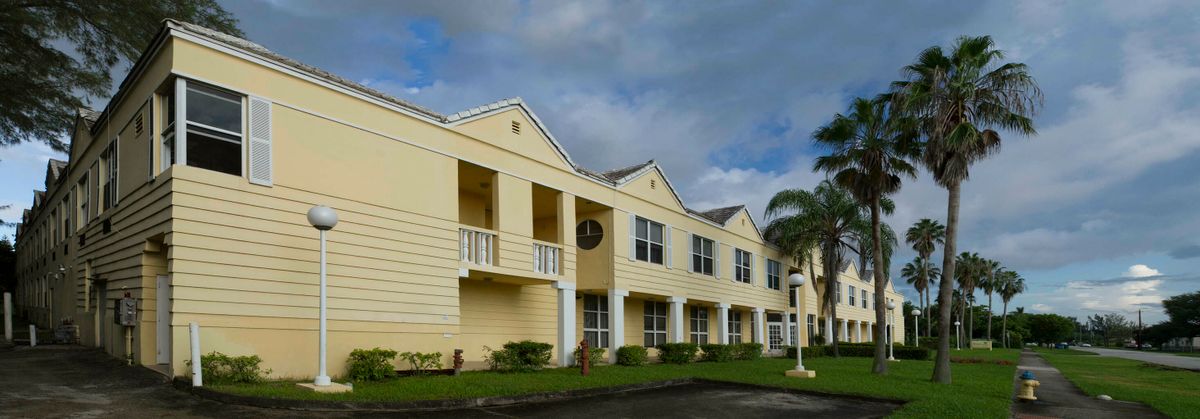
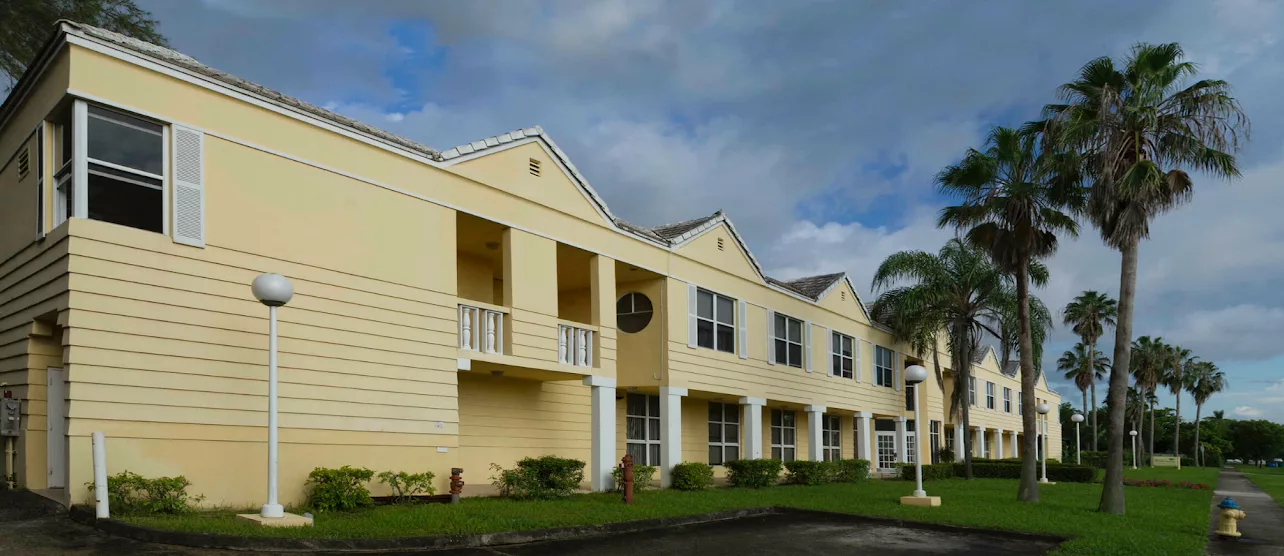
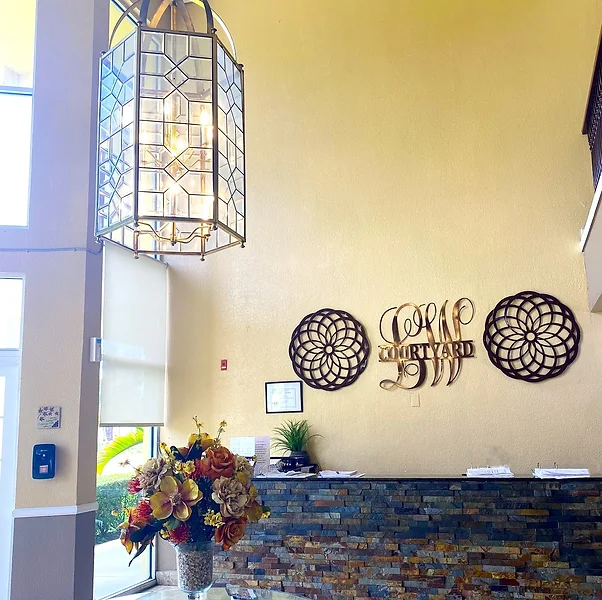
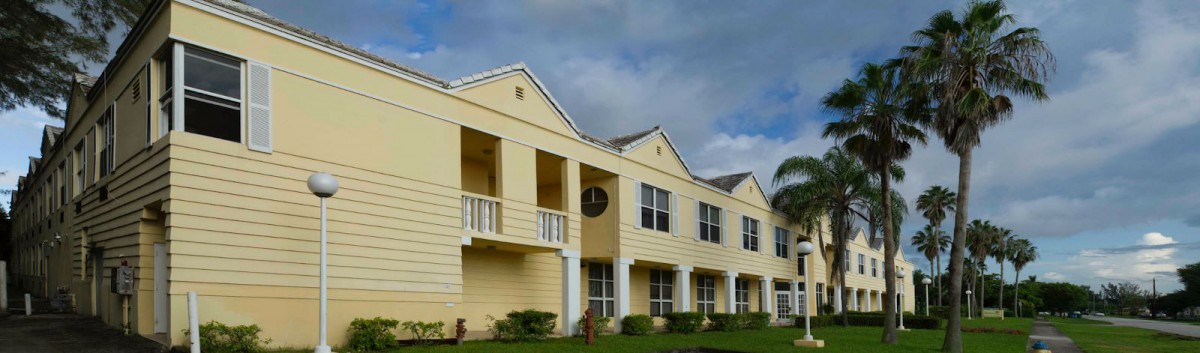
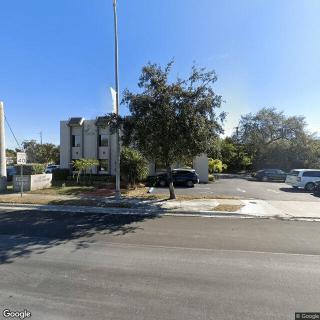
Courtyard Plaza on seniors.fyi includes 5 photos including images showing building, architecture, palm trees, landscaping, interior, lobby, reception desk, decor, and more.
Nearby Communities
Courtyard Plaza ALF
North Miami, FL
4.3 from 30 reviews
$2,800 to $3,800 / month
Staff are respectful and attentive with strong communication, plus a clean, homey environment and engaging activities.
Multimore, James
Miami, FL
Convenient location near parks, pharmacies, and dining options for an active senior lifestyle.
Hampton Court Nursing And Rehabilitation Center
North Miami Beach, FL
3.7 from 60 reviews
Caring staff in a clean, well-run facility with effective rehab.
Tikas Assisted Living Facility
Miami, FL
2 from 28 reviews
$2,500 to $4,000 / month
Intimate 6-bed community with comprehensive care and on-site activities.
American Home Health Care Inc
Miami, FL
4.9 from 52 reviews
Close to nature, pharmacies, and dining; emphasis on social engagement.
Lee's Progressive Home Care
Miami, FL
Small, intimate 6-bed board and care with personalized attention and strong care coordination.
Pinecrest Rehabilitation Center
North Miami, FL
4 from 118 reviews
Attentive staff, strong therapy program, and clean facilities.
Am Grand Court Lakes
Miami, FL
4.4 from 48 reviews
$1,600 to $2,900 / month
Friendly staff in a welcoming, family-oriented setting with good meals and engaging activities.
The Sterling Aventura
Aventura, FL
4.6 from 200 reviews
$3,500 to $4,400 / month
Friendly staff with engaging activities and restaurant-style dining.
Alzheimer’s disease is a progressive neurological disorder that significantly impacts memory and cognitive functions, accounting for 60-80% of dementia cases, with early diagnosis being crucial yet challenging. It involves brain changes like beta-amyloid plaques and tau tangles, influenced by genetic and lifestyle factors, and while there is no cure, symptom management and support for caregivers are essential.
Dementia, influenced by aging and certain medications, may be exacerbated by drug classes such as anticholinergics, benzodiazepines, and antipsychotics, which are associated with cognitive impairment. Regular medication reviews by healthcare professionals are crucial for older adults to manage risks and optimize cognitive health.
Dementia often results in disrupted sleep patterns, leading to excessive daytime sleeping due to factors like brain damage affecting circadian rhythms, medication side effects, and lack of structure in daily activities. Caregivers must monitor these changes closely, as oversleeping can increase risks such as malnutrition or dehydration, and provide necessary support and routines to enhance patient engagement and well-being.
Interior, Decor, Chandelier, Lobby, and Reception Desk
Landscaping and Courtyard
Building
Architecture
Exterior
Palm Trees
Balcony
Get PricingAsk A QuestionSchedule A TourContact Senior Advisor
By clicking submit, you agree to our Partner's Terms of Use. You
also consent to receive calls and texts, which may be autodialed, from our Partner. Your consent is not a condition to
using our Partner's service. Please visit our Partner's Privacy Policy for information about their privacy practices.

 120 resident community capacity
 Studio apartments
 Assisted Living
 Board and Care Home
 Independent Living
 Memory Care
 Air-conditioning
 Beauty salon
 Cable or satellite TV
 Computer center
 Dining room
 Fitness room
 Fully furnished
 Gaming room
 Garden
 Housekeeping services
 Kitchenette
 Located close to restaurants
 Located close to shopping centers
 Move-in coordination
 Outdoor patio
 Outdoor space
 Pet friendly
 Private bathrooms
 Respite or short term stays offered
 Restaurant-style dining
 Small library
 Telephone
 Wellness center
 Wi-Fi/high-speed internet available
 Miami International (10 miles away)
 Community operated transportation
 12-16 hour nursing
 24-hour call system
 Accept incoming residents on hospice
 Activities of daily living assistance
 Assistance with bathing
 Assistance with dressing
 Assistance with transfers
 Care with behavioral issues
 Diabetes diet
 Diabetic care
 Medication management
 Mental wellness program
 Physical therapy
 Special dietary restrictions
 Transportation arrangement (medical)
 Concierge services
 Planned day trips
 Staff are respectful and attentive with strong communication, plus a clean, homey environment and engaging activities.




 Illuminating Insights About Alzheimer's Disease: Ten Crucial Realities
 A Thorough Discussion of Medications Potentially Linked to Dementia Risk
 Why Do Dementia Patients Sleep So Much? Understanding Oversleeping, Stages, and Care Approaches