
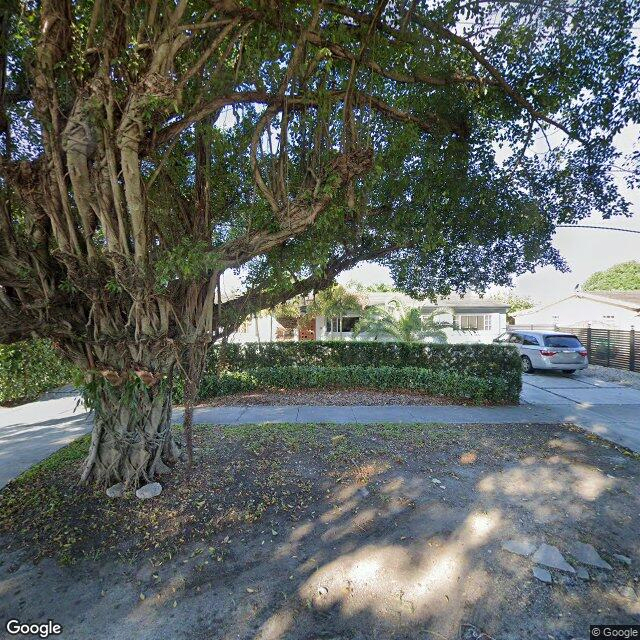
2860 SW 122 Ave, Miami, FL 33175
To contact a resident: (786) 355-2759
For more information about senior living options: (866) 208-4318
Coral Villa Adult Care Inc. Costs & Pricing
Coral Villa Adult Care Inc. offers competitive monthly rates for its residents, particularly when compared to the broader market within Miami-Dade County and the state of Florida. For a semi-private room, Coral Villa charges $2,000, which is significantly lower than the county average of $2,250 and the state average of $3,009. Similarly, in the case of private rooms, Coral Villa's fee stands at $3,000 - more affordable than both the county's average of $3,304 and Florida's higher average of $3,699. These pricing structures reflect Coral Villa's commitment to providing quality care at accessible rates, making it an attractive option for families seeking adult care services in a region where costs can often be prohibitive.
| Floor plans | Coral Villa Adult Care Inc. | Miami-Dade County | Florida |
|---|---|---|---|
| Semi-Private | $2,000 | $2,250 | $3,009 |
| Private | $3,000 | $3,304 | $3,699 |
Senior living communities with a similar price nearby
-
About the same
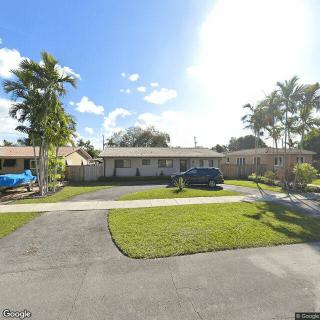
Buddy's Place
$2,000 / month8.3 miles away -
About the same
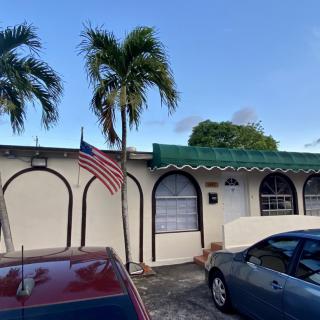
Care and Love Retirement Home
$2,000 to $2,500 / month10.3 miles away -
from -$200 / mo

Magnet Adult Home South
$1,800 to $3,500 / month11.7 miles away -
from +$220 / mo

Miami Jewish Home & Hospital for the Aged
$2,220 to $7,500 / month13.7 miles away -
About the same
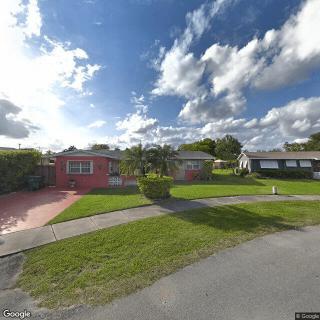
Valdes Retirement Home, Inc
$2,000 / month4.3 miles away
Overall Review of Coral Villa Adult Care Inc.
Cons
 They could not reach anyone by phone, and the mailbox was full, so they could not leave a message.
- They visited the residence and did not like the home because it was not well kept.
Review
Coral Villa Adult Care Inc. in Miami is best suited for households that must choose an ultra-low-cost option while tolerating a hands-off approach from staff and a residence that does not present as a polished, dependable home. The profile that emerges from the sole critical report is one where affordability comes at the expense of predictable communication and visible upkeep. In practical terms, this community appears to serve residents who can endure uncertainty about whether calls will be answered and whether daily surroundings will be maintained to basic standards. Families prioritizing price over process will find a match here, but the signals of unreliability and neglect should be read as hard warnings rather than fringe benefits.
Those who require reliable administrative responsiveness, timely problem-solving, and a consistently clean, orderly environment should explicitly consider alternatives. Prospective residents who depend on prompt phone confirmation, transparent housekeeping routines, and routine maintenance updates are unlikely to experience satisfaction. The gap between expected service and observed accessibility suggests a fundamental misalignment with any care plan that hinges on proactive staffing and clear communication channels. This is not a facility to grow into gradually; it is a setting where initial impressions matter and disappoint.
From the reported experience, the most impactful negatives are a nonfunctional communication channel and a home that did not appear well kept on-site. Reconfirmations could not be completed because the phone line did not answer and the mailbox was full, blocking any opportunity to clarify services or arrange a visit. The on-site impression of upkeep matters, visible cleanliness, order, and general tidiness, undermined confidence in daily living safety, medication handling, and caregiver accountability. In emergencies or urgent needs, the inability to reach staff compounds risk and anxiety for families evaluating a live-in support environment. The environment, as described, fails to convey reliability, a core expectation for any assisted living choice.
There are no evident benefits documented in the available data, leaving no offset to the drawbacks. The absence of positive feedback means the decision hinges on risk reduction: if basic communication and maintenance standards cannot be demonstrated, the value proposition collapses. Even hypothetical cost savings lose persuasive power when the essential experience, trustworthy administration and clean, safe surroundings, remains unverified. In practical terms, this means the potential upside is speculative at best, while the downside is concrete and immediate.
Families evaluating Coral Villa should pursue rigorous due diligence before commitment. Recommended steps include arranging multiple visits at different times to assess responsiveness, testing call-backs, and insisting on speaking with a live administrator. Verify licensing status, recent inspections, and documented staff qualifications. Observe common areas for cleanliness, lighting, safety features, and clear signage, and seek candid conversations with current residents or family members about maintenance responsiveness, meal quality, and activity programming. Request a written service plan with explicit contact points, along with documented procedures for emergencies, housekeeping requests, and daily care routines. A facility should be able to demonstrate repeatable, reliable performance before any lease or agreement is signed.
With the information at hand, a cautious stance is warranted: Coral Villa should be approached as a last-resort option for those who accept limited administrative reliability and a less-polished environment, not a first-choice placement. The prudent course is to compare several communities, prioritize transparent communication, and scrutinize maintenance practices and staffing reliability before any commitment. If engagement proceeds, secure explicit assurances, live responses, timely updates, and a structured housekeeping and care schedule, and arrange a clear contingency plan should expectations fall short. The overarching goal remains to align the living environment with predictable, dependable care, straightforward communication, and dignity in daily routines.
 Board and Care Home
 Private
 Miami International (7 miles away)
 Diabetic care
 High acuity care
 Medication management
 Premium, personalized care in a small, intimate setting with comprehensive services.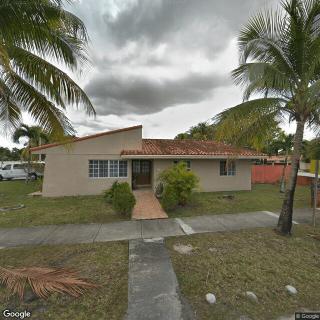



 Navigating Medicare Coverage for In-Home Care Services
 In-Home Care Costs in 2025: A Detailed State-by-State Exploration
 Understanding Home Health Care: A Comprehensive Guide