
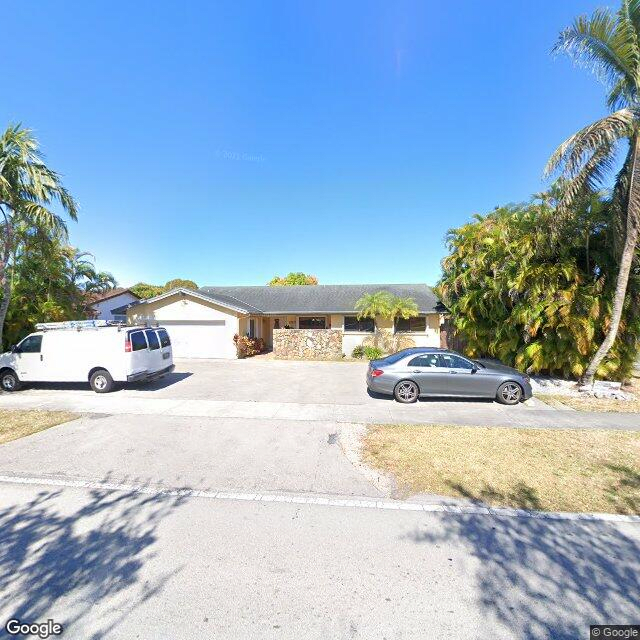
13871 South West 112Th Street, Miami, FL 33186
For more information about senior living options: (866) 208-4318
Overall Review of Calusa Adult Care I
Pros
 The home makes an immaculate first impression.
- The facility is kept very clean.
- It feels like a small, close-knit community with caring staff.
- The staff are kind and take really good care of the residents.
- Meals are brought from a local restaurant and are very good.
- The facility is amazing, with a wonderful staff and a very clean environment.
- It is highly recommended for high-quality care.
Cons
 Caregiver turnover was extremely high, with roughly 12–15 caregivers over two years.
- The caregiver-to-resident ratio was insane, at about 2 caregivers for 10–13 residents.
- Caregivers were often too busy with cleaning, laundry and meal preparation to attend to residents.
- There were no activities for residents beyond listening to the radio, watching TV, or staring at four walls.
- One resident ended up in the emergency room and later rehab after a bad fall.
- The facility had very high employee turnover and inadequate staffing, resulting in mediocre quality care.
Review
Calusa Adult Care I in Miami is best suited for families seeking a small, intimate elder-care home where residents can enjoy a warm, home-like atmosphere, cleanliness, and a personal touch from staff. The community operates with a very small census (roughly 11–12 residents) and emphasizes a close-knit vibe, where caregivers are described as kind and the environment feels like a family residence. The dining experience stands out for many, with meals sourced from a local restaurant and a Cuban-influenced menu that residents seem to appreciate. This is not a facility built for high-scale programming or on-site culinary production; rather, it’s pitched to those prioritizing coziness, predictability, and a familiar, low-friction setting.
Families that should consider alternatives are those prioritizing robust staffing, consistent day-to-day supervision, and a broad menu of daily activities. The reviews repeatedly flag caregiver turnover and staffing ratios that leave two caregivers for ten to thirteen residents, which can translate into slower responses, reduced one-on-one time, and limited engagement beyond basic tasks. For relatives who want frequent, structured activities, bright social programming, or a higher level of supervision for mobility-impaired residents, Calusa may fall short. Potential residents who require intensive medical oversight or 24/7 nursing presence will likely find other options more suitable.
The facility’s strongest positives, cleanliness, a homey feel, and genuinely caring staff, do translate into meaningful advantages. The small size makes it easier for staff to know residents’ names, preferences, and routines, and several families praise the sense of belonging and the quality of care provided. The off-site meals contribute to consistent dining quality without placing the full burden of cooking on staff, and the Cuban-influenced fare is a recurring plus. When the care level holds steady, these attributes create a steadier daily life than many larger ALFs offer, with fewer visitors to the “institutional” vibe. Yet these pros do not fully mute the downsides tied to operational constraints.
The most serious drawbacks center on staffing stability and activity programming. Recurrent caregiver turnover, coupled with lean ratios, can erode continuity of care and limit the time available to assist with mobility, outdoor time, and personal preferences. A serious incident, reported as a resident entering ER after a fall, highlights potential safety risks when supervision is stretched thin. The emphasis on cleaning and floor upkeep, while beneficial for appearance, can come at the expense of meaningful resident interaction. While the on-site activity level is modest and occasionally supplements come from guest entertainers, the overall programming pales next to larger facilities that routinely schedule diverse, ongoing activities.
For families evaluating Calusa, a practical approach is essential. During visits, observe how staff allocate time during meals and activities, ask to see staff-to-resident ratios on a shift, and request recent any regulatory or licensing documents to review AHCA disclosures. Inquire about how meals are planned, whether residents can influence menus, and what on-site programming is available beyond passive activities. It is wise to probe memory- or mobility-specific supports, medication management processes, and how emergency plans operate in real time. Consider requesting a trial stay or a day-in-the-life observation to assess whether the current staffing and programming align with the resident’s needs and preferences.
In the end, Calusa Adult Care I offers a credible, comforting option for seniors who crave a small, clean, family-like setting and tolerate limited activity schedules and occasional staffing gaps. It is a solid fit for those who prize atmosphere, personal attention, and dependable cleanliness over a bustling activity calendar and intensive nursing support. Families with residents who require consistent, high-touch supervision or a richer slate of activities should look at alternatives with stronger staffing ratios and more robust programming. For a thoughtfully navigated decision, direct, in-person evaluation paired with detailed staffing and programming inquiries will reveal whether Calusa meets the specific care ambitions and safety expectations of the individual.
 13 resident community capacity
 Assisted Living
 Board and Care Home
 Respite Care
 Cable or satellite TV
 Dining room
 Fully furnished
 Garden
 Housekeeping services
 Move-in coordination
 Outdoor space
 Telephone
 Wi-Fi/high-speed internet available
 Miami International (12 miles away)
 24-hour supervision
 Activities of daily living assistance
 Assistance with bathing
 Assistance with dressing
 Assistance with transfers
 Diabetes diet
 Meal preparation and service
 Medication management
 Special dietary restrictions
 Transportation arrangement (medical)
 Transportation to doctors appointments


 Comprehensive Insights into Activities of Daily Living (ADLs) and Their Assessment
 Medicare Coverage for Assisted Living: An In-Depth Exploration
 Your Comprehensive Guide to Luxury Assisted Living: Elevated Facilities, Amenities, and Costs