
10420 South West 26Th Terr, Miami, FL 33165
For more information about senior living options: (866) 208-4318
Overall Review of Assisted Living Of Westchester
Pros
 The staff are friendly, caring, and attentive to residents.
- The facility is clean, bright, and well maintained.
- The owners are welcoming, professional, and helpful.
- Residents are treated like family and valued highly.
- The home feels safe, comfortable, and like a real home.
- Caregivers are compassionate and dedicated to residents’ well-being.
- The atmosphere includes celebrations of birthdays and holidays, fostering a warm community.
- 24/7 loving care makes residents feel secure and well cared for.
Cons
 Finding 24-hour care for his dad was scary.
Review
Assisted Living of Westchester is best suited for families seeking a warm, home-like, small-scale environment in a residential Miami setting. The community excels when a loved one benefits from close, attentive care delivered in a house-like atmosphere rather than a sprawling campus. It suits seniors who value daily routines guided by genuinely involved owners and staff, who appreciate a strong sense of family, and who benefit from flexible visiting, a caregiver-forward culture, and a layout that feels more like a personal home than a medical facility. The presence of day-time care options adds a practical edge for families needing respite or partial daytime coverage without sacrificing intimate, individual attention.
For decision-makers, it’s important to note who may want to consider alternatives. Those requiring heavy medical oversight, a formal hospital-like cadence, or a dedicated memory-care program should look elsewhere. Larger campuses with broader specialty services, more intensive on-site nursing, or a more structured therapeutic calendar may better align with certain clinical needs. Additionally, families prioritizing a resort-style setting, expansive common areas, or campuses with expansive social programming might prefer other communities. Assisted Living of Westchester shines in warmth and attentiveness; it is less about flashy scale and more about steady, personal care.
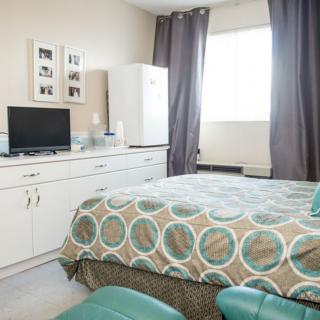
The core strengths are clear in the lived experience of residents and their families. The staff, led by owners Joel and his wife, is repeatedly described as compassionate, professional, and consistently engaged with residents’ wellbeing. Cleanliness and a homey ambiance are repeatedly highlighted, with sunlit rooms and color schemes that convey calm. Residents participate in activities and holidays are celebrated, reinforcing a feeling of belonging. The care extends beyond basic supervision, with caregivers described as spoiling residents and treating them as family. The facility’s small-house feel translates into visible attentiveness and rapid response to needs, which can make a meaningful difference for seniors recovering from surgery or adapting to a new daily routine.
That said, the best-fit assessment must acknowledge trade-offs. The virtues of a family-run, intimate setting can come at the expense of the breadth and scale found in larger communities. Some families will miss the “one-stop shop” feel of bigger campuses, and those seeking intensive medical staff on site around the clock or highly specialized memory-care programs may feel underserved. However, the upside, strong relationships, consistent staffing, daily warmth, and a governance model where owners are personally invested, often offsets these gaps. The practical payoff is fewer barriers to meaningful connections, smoother transitions for aging in place, and a sense of continued dignity that permeates daily life.
From a decision-making perspective, the evidence points toward placing a loved one in a setting where routines are predictable, caregivers are deeply invested, and the home atmosphere nurtures peace of mind. The daycare option adds flexibility for families, while the residence’s neighborhood, cleanliness, and multilingual care ethos support ongoing comfort. The testimonials convey a track record of 24/7 attentiveness and a culture that treats residents like family, which matters when quality of life is paramount. For families balancing availability, emotional well-being, and practical logistics, this combination often proves decisive.
In the end, Assisted Living of Westchester emerges as a standout choice for those prioritizing a nurturing, home-centered approach to assisted living in a Miami suburb. It is a top pick for seniors who thrive on personal connection, consistent staffing, and a sense of shared belonging with both residents and their families. It is less appropriate for those seeking extensive medical infrastructure, a large-community social calendar, or specialized memory-care services. For families who want a trusted, compassionate small-scale option where owners are visibly invested and daily life feels like a kept promise, this community offers a compelling, dependable fit. The result is a practical, confident recommendation: choose this ALF if the priorities align with warmth, continuity of care, and a genuine sense of being a welcome member of a family-like home.
 10 resident community capacity
 Assisted Living
 Cable or satellite TV
 Dining room
 Fully furnished
 Garden
 Housekeeping services
 Move-in coordination
 Outdoor space
 Telephone
 Wi-Fi/high-speed internet available
 Miami International (6 miles away)
 24-hour supervision
 Activities of daily living assistance
 Assistance with bathing
 Assistance with dressing
 Assistance with transfers
 Diabetes diet
 Meal preparation and service
 Medication management
 Special dietary restrictions
 Transportation arrangement (medical)
 Transportation to doctors appointments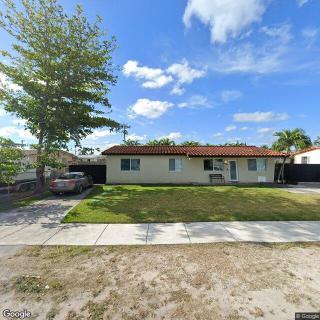



 Securing Financial Support for Assisted Living: A Comprehensive Overview
 Social Security Benefits and Assisted Living: Navigating Options Across the U.S.
 An Extensive Exploration of the VA Aid and Attendance Benefit