
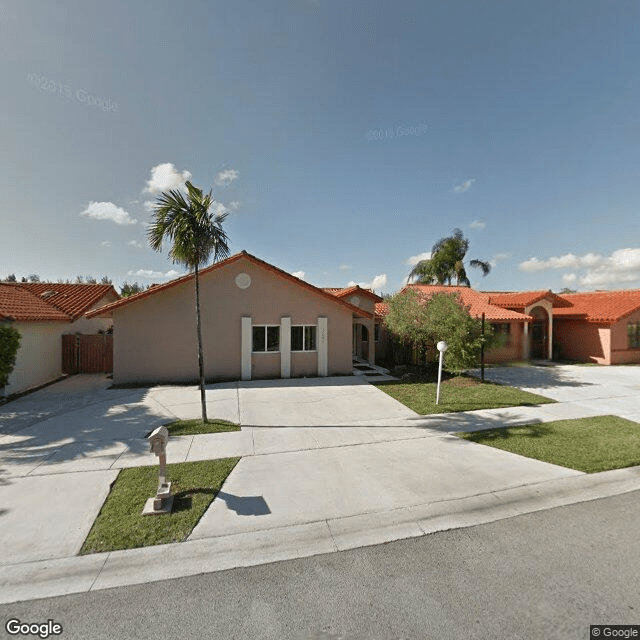
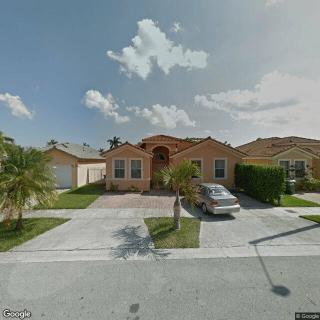
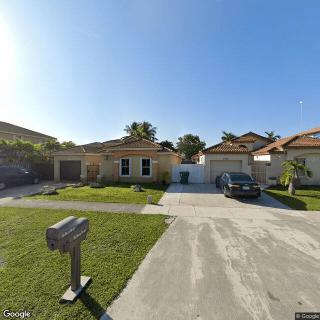
12795 North West 10Th Lane, Miami, FL 33182
For more information about senior living options: (866) 208-4318
Alice's Home Costs & Pricing
Alice's Home offers competitive pricing for its residents, particularly when compared to the costs in Miami-Dade County and the broader state of Florida. For a semi-private room, Alice's Home charges $1,500 per month, which is significantly lower than the county average of $2,250 and the state average of $3,009. Similarly, the private room option at Alice's Home is priced at $2,000 per month - still more affordable than both Miami-Dade County's rate of $3,304 and Florida's state average of $3,699. These rates not only highlight Alice's Home as a cost-effective choice for senior living but also reflect its commitment to providing quality care without compromising on affordability.
| Floor plans | Alice's Home | Miami-Dade County | Florida |
|---|---|---|---|
| Semi-Private | $1,500 | $2,250 | $3,009 |
| Private | $2,000 | $3,304 | $3,699 |
Memory care communities with a similar price nearby
-
from -$200 / mo

Caring for You #1 Assisted Living Facility, INC
$1,300 / month7.7 miles away -
from -$100 / mo
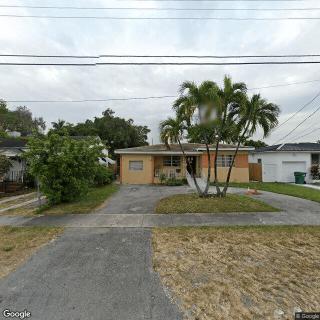
Gonzalez & Sons Home Care
$1,400 to $2,500 / month8.8 miles away -
from -$100 / mo
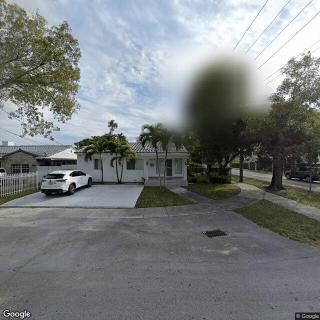
Gonzalez & Sons Home Care II
$1,400 to $2,500 / month8.6 miles away -
About the same
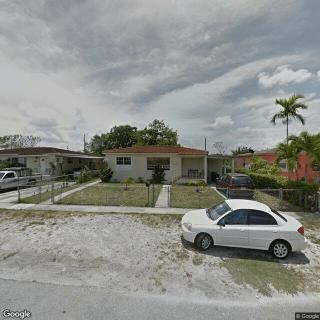
Hogar De Amable Consuelo
$1,500 to $3,000 / month9.8 miles away -
About the same

North Miami Angel Gardens ALF, Inc
$1,500 / month15.9 miles away
Overall Review of Alice's Home
Pros
 The place was kept clean.
- The laundry was always up to date.
- The food looked great.
- The laundry service was fine.
- There are outdoor areas for families to use.
- There was no trouble finding parking.
Cons
 The loved one's medications were prescribed without the family's consent.
- There was concern about constant monitoring of the loved one's medications.
- The small, familiar setting was insufficient for the loved one's care needs.
- The loved one required too much care for the facility to provide.
Review
Alice's Home in Miami is best suited for seniors who want a small, intimate residence with a home-like feel, where cleanliness and predictable routines matter and visitors can access the property with ease. The setting is compact enough that staff can know residents well, and the daily operations, like laundry and upkeep, appear to run smoothly. For families prioritizing a straightforward, low-stress environment over bells and whistles, this community offers a reassuring routine and a place where familiar surroundings can foster a sense of safety.
Those considering alternatives should note that this is not a match for residents with higher care needs. Reviews indicate potential gaps in the level of assistance available, particularly for individuals requiring intensive daily support or tightly controlled medication management. For anyone needing robust, round-the-clock care, memory-support programming, or a larger campus with more extensive medical oversight, a bigger community or a facility dedicated to higher-acuity needs would likely be a better fit.
On the plus side, the facility earns credibility through cleanliness and reliable laundry service. Residents and families can trust that basic day-to-day cleanliness and personal care logistics are well-managed, which reduces daily irritants and elevates comfort. Dining experiences are described with modest consistency: some observers find the meals acceptable, while others note that the food and presentation have real potential to satisfy. The outdoor areas for family visits and the ease of parking further contribute to a stress-free experience for guests and short-term stays, reinforcing a sense of welcome and accessibility.
The primary drawbacks revolve around care intensity and governance of medications. One reviewer cautions about medication management, emphasizing the need for constant vigilance to ensure prescriptions are appropriate and consented to by family members. Another notes that their loved one ended up needing more care than the setting could provide, underscoring a mismatch between the resident’s needs and what the home is equipped to deliver. Taken together, these signals point to a facility that works well for lighter care needs but may struggle to scale up for more demanding situations.
Those pros can offset the cons meaningfully for the right resident. For individuals who are largely independent and seek a calm, tidy environment with straightforward routines, the cleanliness, dependable laundry, family-friendly outdoor space, and convenient parking create a practical, low-stress daily life. To address the medication concern, it is essential to insist on explicit, written medication management policies, regular caregiver communication, and a clear, up-to-date care plan before move-in. With these guardrails in place, the community can deliver a dependable, comfortable living option where families feel respected and involved, rather than sidelined.
Bottom line: Alice's Home represents a pragmatic choice for seniors who value a intimate, well-kept setting and can function with limited but adequate assistance. It is not recommended for those needing intensive daily care, rigorous medical oversight, or sophisticated programming. Prospective families should actively compare with larger communities that offer higher staff ratios and formal medication management, and should push for detailed conversations about staffing levels, care plans, and contingency steps if care needs rise. When expectations are aligned with the facility’s scope, the experience can be reassuring, affordable, and well-suited to a phase of life that prizes familiarity, cleanliness, and family access.
 6 resident community capacity
 Assisted Living
 Board and Care Home
 Day Program
 Memory Care
 Respite Care
 Cable or satellite TV
 Dining room
 Fully furnished
 Garden
 Housekeeping services
 Move-in coordination
 Outdoor space
 Private
 Telephone
 Wi-Fi/high-speed internet available
 Miami International (7 miles away)
 24-hour supervision
 Ambulatory care
 Assistance with bathing
 Assistance with dressing
 Assistance with transfers
 Diabetes diet
 Diabetic care
 High acuity care
 Incontinence care
 Meal preparation and service
 Medication management
 Special dietary restrictions
 Transportation arrangement (medical)
 Transportation to doctors appointments



 Medications Associated with Dementia Risk: A Comprehensive Overview
 Guiding Your Journey: Understanding Power of Attorney for Elderly Parents
 22 Remarkable Caregiver Support Groups Available Online and In-Person