
12201 South West 93Rd Street, Miami, FL 33186
For more information about senior living options: (866) 208-4318
Overall Review of Aging World Assisted Living Facility
Pros
 The Assisted Living of Westchester is described as welcoming and caring toward elderly residents.
- The staff are friendly, compassionate, and professional.
- Joel and his wife are caring, helpful owners who treat residents like family.
- The home is clean, bright, and feels like a real home.
- Residents enjoy engaging activities, and birthdays and holidays are celebrated.
- Caregivers provide attentive, round-the-clock care that supports residentsā€™ well-being.
- Families appreciate the safety, cleanliness, and flexible visiting options.
- The facility is highly recommended for its quality and compassionate care.
Cons
 The time came to find 24-hour care for his dad, and it was scary.
- She had to make the difficult decision of placing her mom in an ALF.
- She wished there was another ALF in Central Florida.
Review
This community is best suited for families seeking a truly home-like, person-centered assisted living experience, where care feels like a family affair and staff members treat residents with steady warmth. The reviews consistently describe a warm, welcoming atmosphere created by involved owners and a steady, compassionate caregiving team. Space feels bright and clean, with a residential feel rather than a clinical campus. The arrangement suits elders who want daily life to center around familiar routines, low-key social activities, and the reassurance of attentive staff who know residents by name. The option to use it as daytime care or respite, including flexible visit options, adds practicality for families balancing work schedules and caregiving duties.
Those who may want to consider alternatives are those needing hospital-level medical oversight or highly specialized memory care programs. The reviews emphasize caring, homey interactions rather than formal medical protocols, and there is no clear mention of on-site licensed nurses, advanced clinical services, or dedicated memory-care units. Families prioritizing rigorous clinical management, frequent physician oversight, or a wide range of medical therapies may find a larger, more medically oriented facility more suitable. Additionally, for families seeking multiple locations across the state for convenience, this single-site, intimate model could prove limiting if mobility and scalable options are priorities.
The biggest strengths lie in the human touch: owners who are described as welcoming and professional, paired with caregivers who are described as extremely compassionate and dedicated. Residents appear to be treated as family members, not as numbers, with daily life organized around kindness, respect, and personal attention. Cleanliness is repeatedly highlighted, reinforcing a sense of safety and comfort. The environment supports social engagement through activities, celebrations of birthdays and holidays, and opportunities for residents to participate in meaningful routines. This combination creates a stabilizing, predictable rhythm that often translates into improved mood and a sense of belonging for seniors.
These advantages directly offset the listed limitations by delivering measurable emotional and social benefits that many families fear losing in care transitions. When a loved one feels valued, safe, and engaged, the need for a perfect medical sanctuary diminishes for many households. Several accounts describe tangible outcomes, such as a loved one feeling more peaceful after a move and receiving attentive, loving care during recovery from illness or surgery. The strong sense of community and consistent staffing help families sleep better at night, knowing that the daily needs and personal preferences of residents are prioritized over a rigid, impersonal routine.
Operationally, the model emphasizes accessibility and family involvement. Families note flexible visitation, responsive owners, and a home-like setting that makes introductions, transitions, and ongoing updates easier. The presence of 24/7 staffing, a focus on cleanliness, and a culture of celebration contribute to a positive, low-stress caregiving experience. For families weighing options, the practical takeaway is clear: this community excels where personal connection, trust, and daily quality of life matter most, and where a small, intimate setting can outperform a larger, more impersonal facility in terms of emotional well-being and daily satisfaction.
Bottom line: this is a standout choice for seniors who thrive on a personal, attentive environment and for families who want a transparent, family-driven operation that treats residents like kin. It is particularly well-suited for those prioritizing routine, companionship, and ease of visitation, with strong evidence of caregiver dedication and a clean, welcoming home atmosphere. Prospective families should verify the specific medical support available on site, confirm current staffing ratios, and discuss care plans to ensure alignment with any higher-acuity needs. A visit to meet the owners, tour the living spaces, and observe interactions with residents is essential to confirm whether the intimate model will meet the individual care goals and lifestyle preferences of their loved one.
 6 resident community capacity
 Assisted Living
 Cable or satellite TV
 Dining room
 Fully furnished
 Garden
 Housekeeping services
 Move-in coordination
 Outdoor space
 Telephone
 Wi-Fi/high-speed internet available
 Miami International (10 miles away)
 24-hour supervision
 Activities of daily living assistance
 Assistance with bathing
 Assistance with dressing
 Assistance with transfers
 Diabetes diet
 Meal preparation and service
 Medication management
 Special dietary restrictions
 Transportation arrangement (medical)
 Transportation to doctors appointments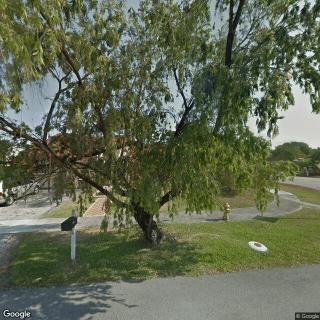





 When to Transition from Assisted Living to Memory Care: Key Indicators, Steps, and Finding the Right Community
 Assisted Living and Memory Care: Understanding Their Core Differences
 Beyond the Bingo Hall: 50+ Enriching Activities for Seniors in Assisted Living