
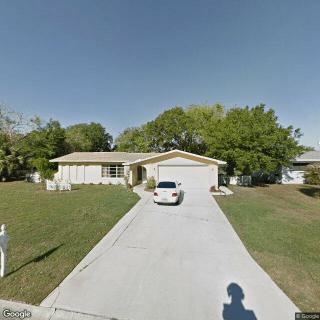
1708 Loquat Drive, Melbourne, FL 32901
For more information about senior living options: (866) 208-4318
Overall Review of Family Home Alf
Pros
 Diane provides long-term, attentive care for a client's mother, who loves it there.
- The staff are wonderful to work with and pleasant.
- The mother-in-law was happy at A Place Like Home.
- The mother-in-law was treated very well at A Place Like Home.
- The home offers outings and activities, including lobster dinners, field trips, Moose Club dancing, and karaoke.
- Visitation is easy and comfortable.
- The care provided is excellent.
- The family was pleased and would highly recommend A Place Like Home.
Cons
 The reviewer warns to be extremely careful placing a loved one there, suggesting that behind closed doors it’s not what it seems.
 - The doctor allegedly asked, "What do you want?" and then hung up on the caller.
- The voicemail directs callers to a personal message from the doctor, which is confusing and unprofessional.
- The reviewer would not be using this company and would not recommend it.
- The situation is described as super unprofessional.
Review
This community is best suited for families seeking a distinctly intimate, home-like assisted living experience where daily care feels personal and relational. The model works best for seniors who thrive on strong caregiver relationships, predictable routines shaped by a small team, and easy, unrestricted visitation that keeps family involvement front and center. The standout threads, consistent, affectionate care and attention to individual preferences, show up in long-term arrangements, with one resident’s family noting three years of attentive support and a loved one who genuinely enjoys each day. For households prioritizing warmth, accessibility, and social connectivity over institutional scale, this is a compelling fit.
That said, there are clear reasons some families may want to consider alternatives. The most cited red flags center on administrative and communication clarity rather than the day-to-day care itself. A harsh encounter with a staff clinician over the phone, described as abrupt and unhelpful, signals a potential gap in front-desk professionalism and responsiveness. The voicemail setup that routed to a personal message only compounds confusion about who will answer questions and coordinate care. For families that require a consistently polished front office, transparent escalation paths, and a uniform point of contact for medical and logistic questions, these gaps may be meaningful enough to push toward a larger, more corporate setting or a facility with a stricter administrative protocol.
The strongest pros, personalized attention, a small, family-like environment, and engaging activities, tend to offset the cons for residents who value daily companionship and localized care. The caregivers’ hands-on approach and the sense that staff truly knows the resident’s history and preferences translate into meaningful daily satisfaction. Easy visitation, routine outings, and social opportunities beyond what a larger campus may offer mean residents rarely feel isolated. When a family can align expectations with the care style, loving, hands-on supervision rather than formal medical routines, the positives become a practical counterweight to some administrative ambiguities.
However, the cautionary note embedded in one review cannot be ignored. The warning that “behind closed doors it’s not what you think” suggests potential disconnects between appearance and operations. This makes due diligence essential: perform a thorough tour, speak with multiple residents and families, and verify licensure and safety records. Ask precise questions about staffing ratios, what happens after hours, how crisis decisions are communicated, and who the designated point person is for medical updates. In families where transparency and consistent administrative communication are non-negotiable, this review serves as a strong reminder to verify these systems before committing.
In practical terms, this community is a solid choice for seniors who want a homelike setting with frequent human contact, social programming, and a caregiver-driven approach. It can be an excellent match for people who handle minor medical needs with in-place support and who value flexible, family-friendly visitation. It may be less suitable for those who require robust medical oversight, highly standardized processes, or a strong corporate front to ensure uniform responses across staff and shifts. The decision hinges on balancing the comfort of intimate, personalized care against the potential friction of front-office communication and the need for clear, reliable administrative systems.
For families evaluating options in Melbourne, FL, the recommended path is clear: pursue a visit with an explicit plan to meet the caregiving team, see a typical day in action, and request candid references from current residents’ families. Verify licensing, inquire about emergency procedures, and request a transparent outline of who handles medical questions and how concerns travel from the bedside to the administrator. If the home-like environment aligns with the senior’s personality and the family can accept some variability in administrative responsiveness, this community stands as a persuasive choice. If not, pivot toward facilities with proven, consistently professional operations and broader care capabilities.
 6 resident community capacity
 Assisted Living
 Cable or satellite TV
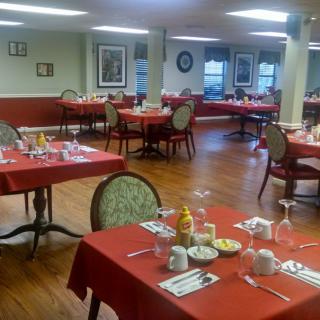
 Dining room
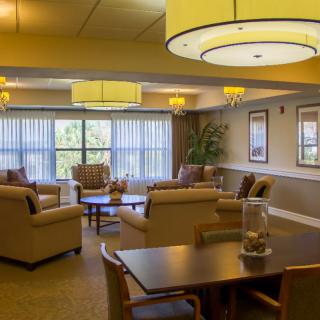
 Fully furnished
 Garden
 Housekeeping services
 Move-in coordination
 Outdoor space
 Telephone
 Wi-Fi/high-speed internet available
 Melbourne International (2 miles away)
 24-hour supervision
 Activities of daily living assistance
 Assistance with bathing
 Assistance with dressing
 Assistance with transfers
 Diabetes diet
 Meal preparation and service
 Medication management
 Special dietary restrictions
 Transportation arrangement (medical)
 Transportation to doctors appointments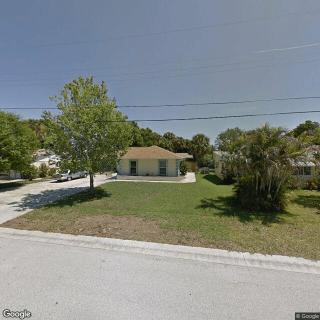


 Comprehensive Insights into Activities of Daily Living (ADLs) and Their Assessment
 Medicare Coverage for Assisted Living: An In-Depth Exploration
 Choosing the Right Senior Care: A Detailed Exploration of Assisted Living and Nursing Homes