






1900 S. Harbor City Boulevard, Suite 327, Melbourne, FL 32901
To contact a resident: (321) 794-0200
For more information about senior living options: (866) 208-4318
Overall Review of American In-Home Care - Melbourne
Pros
 The agency quickly staffed in-home care and assigned a regular caregiver for Monday through Friday.
- Janice is described as an absolute angel who lifts spirits and provides compassionate care.
- Jennifer is amazing, efficient, and instrumental in onboarding clients to American In-Home Care.
- The signup process is easy and the team responds quickly, and the service is highly recommended.
- The agency is outstanding, providing four hours of care daily, seven days a week, helping the client flourish and meet all needs.
- Several caregivers are absolutely amazing, able to clean the home thoroughly and keep it smelling fresh.
- Steve is a godsend as a caregiver, and his quality care leads to recommending the company.
Cons
 Some first-time caregivers were not good and had to be removed due to issues like laziness, wearing ear pods, and meds not being given on time.
- Some caregivers were so bad it seemed they hadn’t even been interviewed.
- There is a lack of consistency of care, with several caregivers rotating through the week instead of one.
- For the amount paid, there is an expectation of higher quality and better management of the caregiving staff.
Review
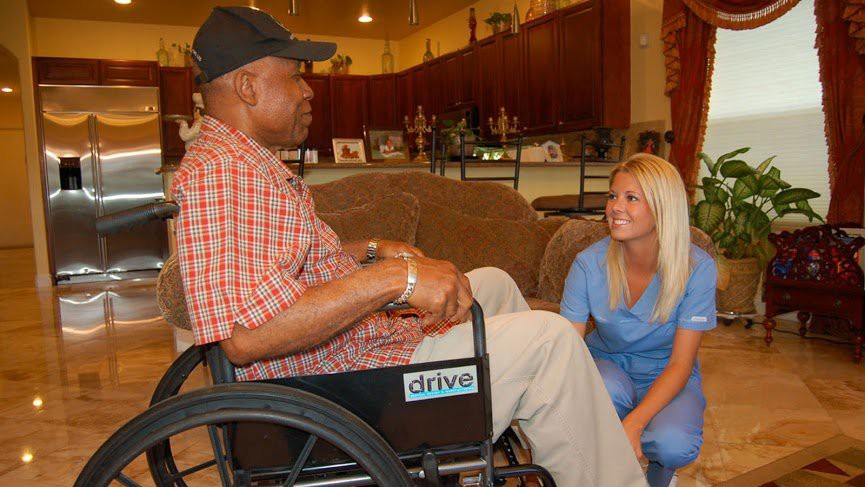
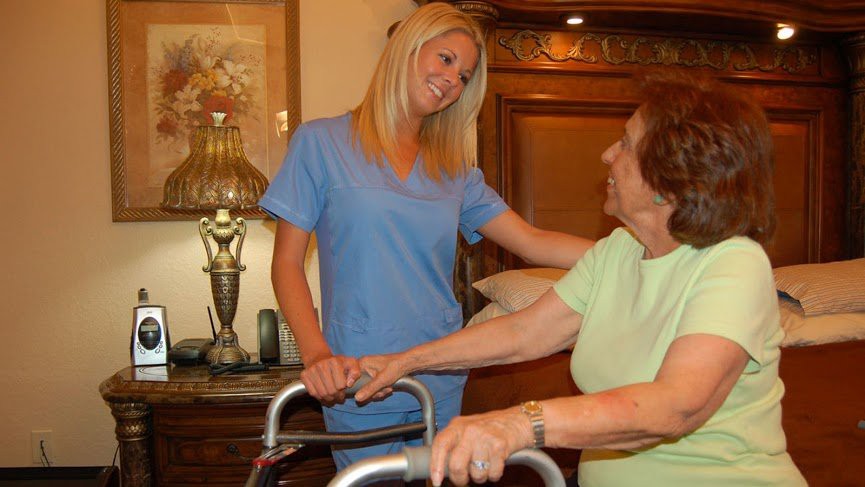
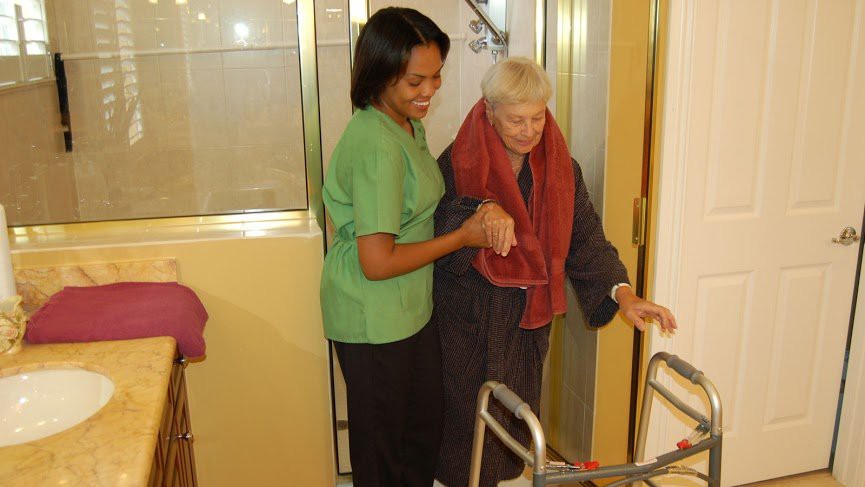
American In-Home Care - Melbourne is best suited for families that want immediate, in-home support with dependable weekday staffing and caregivers who can lift spirits while handling routine care tasks in the home. The service shines when a steady, Monday-to-Friday presence is the priority, and when a caregiver can become a trusted part of the daily routine. Reviewers repeatedly point to fast staffing, responsive onboarding, and caregivers who bring warmth and practical help into the home. The most compelling testimonials come from families who saw quick placement of a regular caregiver, and from those who attribute meaningful morale boosts and practical assistance to the team, especially moments when a caregiver like Janice becomes a genuine support beyond the physical care.
Those considering alternatives should note that this option may not be ideal for everyone. Families with a need for 24/7 on-site supervision, highly structured environments, or medical oversight that feels identical every shift might find the fit imperfect. If the plan is ongoing, highly consistent one-caregiver-at-a-time coverage without turnover, or if strict medication management and a tightly monitored schedule are non-negotiable, traditional assisted living or a home-health arrangement with a more standardized team may serve better. In short, when “continuous, unbroken care” and uniform staffing are the top priorities, keep alternatives on the table.
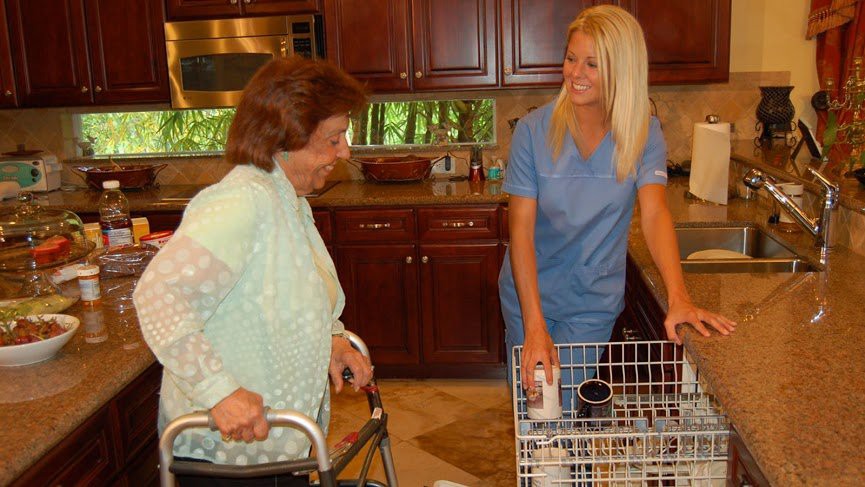
The core advantages are tangible and repeatedly affirmed. The agency can staff quickly and secure a regular caregiver for substantial blocks of time, which matters when a family is navigating transitions. Families praise caregivers who are not just capable but genuinely kind, with stories of improved mood and daily functioning. Even beyond basic care, some households experience tangible benefits like thorough housekeeping by capable aides, which creates a fresher, more comfortable home environment. The capacity to tailor coverage, such as four hours daily, seven days a week, or targeted weekday support, gives families practical flexibility that hard data cannot capture.
But the service is not without its meaningful shortcomings, and those gaps matter. A recurring concern is variability in caregiver quality from week to week. While some aides are outstanding, others can fall short on tasks like timely medication administration, focus during shifts, or adherence to expected standards. The reviews recount instances where new caregivers needed removal or replacement, and where the roster changes frequently, eroding continuity. Inconsistent staffing can undermine trust and complicate care plans, especially when a single caregiver relationship is prized for familiarity and efficiency. The underlying implication is clear: the best outcomes hinge on strong management oversight and proactive staffing decisions.
Despite the bumps, the strongest advocates highlight exceptionally capable individuals who become indispensable. Notable caregivers emerge as trusted partners in care, with Steve named as a standout who deeply helped a family through a difficult period. The fact that one caregiver can become an emotional anchor, as well as a practical executor of tasks, demonstrates the agency’s potential when it aligns with stable staffing. Families also cite the value of responsive onboarding and the ease of getting started, which reduces the friction that often accompanies transitions into in-home support. When consistency improves, these stories multiply, illustrating how a dependable team can transform daily life for both clients and their families.
To optimize success, approach the engagement with clear, proactive expectations and a plan for continuity. Request a primary caregiver with a guaranteed backup, insist on transparent medication administration records, and set up regular check-ins with a coordinator to monitor quality and adherence to care plans. Ask for a written continuity strategy that minimizes turnover and defines escalation routes if a caregiver is late or inconsistent. Track progress over a defined trial period and treat any persistent gaps as a red flag to revisit staffing or even reconsider alternatives. This disciplined approach turns a strong in-home option into a consistently reliable one, maximizing the positives while containing the risks.
 Melbourne International (3 miles away)








 Skilled Nursing Facilities vs. Nursing Homes: Making Sense of the Differences
 A Detailed Examination of Nursing Home Costs Across the U.S.
 Exploring Nonmedical Home Care: Understanding Services, Costs, and Financial Approaches