
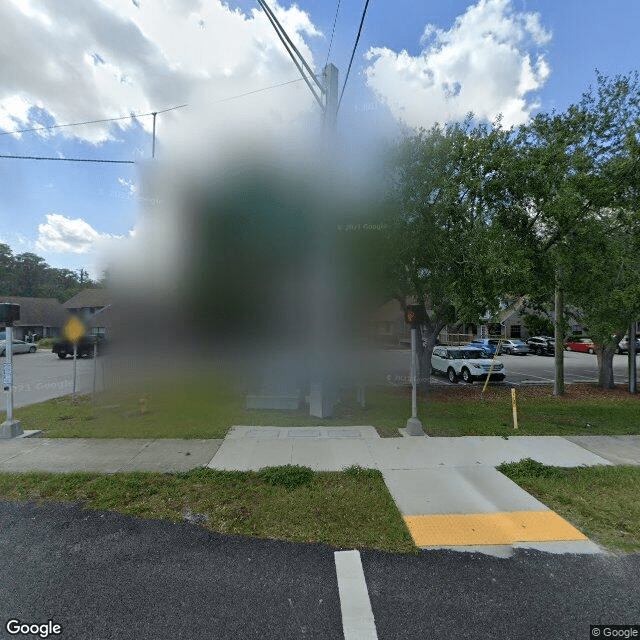
1523 Dale Mabry Highway Suite 202, Lutz, FL 33548
To contact a resident: (813) 337-6587
For more information about senior living options: (866) 208-4318
Overall Review of Preferred Care at Home of Land O' Lakes
Pros
 Genesis and her team show care, compassion, and commitment to families.
- They become family—a constant presence, a steady guide, and trusted completely.
- The love, dignity, and consistency they provide is second to none.
- Every caregiver and office staff are outstanding—loving, attentive, and deeply invested.
- They help loved ones stay in their homes with 24/7, one-on-one care and facilitate smooth transitions.
- The team is kind, professional, and trustworthy, with well-trained, compassionate staff and a knowledgeable owner.
Cons
 They endured months of caregivers not showing up, not calling, and not arriving on time, leading to a horrendous experience and unresolved calls to the company.
- The aide refused to leave the home at the scheduled time, even entering early the next morning, and the behavior felt like being in the twilight zone.
- They found the staff not to be of quality and criticized the company’s unresponsiveness, calling it unprofessional for not answering messages or returning phone calls.
Review
Preferred Care at Home of Land O' Lakes is best suited for families who want highly personalized, in-home support to keep a loved one living at home, especially when dementia or complex medical needs are involved. This community works best for households where a trusted, clinician-led team can provide consistent one-on-one care, steady caregiver matching, and hands-on coordination with families as the central backbone of daily support. The owner-operator model, anchored by Genesis Armani, signals a level of professional engagement that appeals to families seeking not just aides, but a coordinated care partnership. For those who want a structured, facility-based environment or require continuous, round-the-clock nursing with rigid, standardized processes across multiple shifts, alternatives such as licensed home health agencies with broader nurse staffing or an assisted living/memory care setting may be more fitting. In short, this option shines when the aim is to preserve independence at home with intimate, responsive leadership at the helm.
The strongest arguments come from the care ethos and the human connections. Across multiple families, the team is described as loving, attentive, and deeply invested in the person they serve. Caregivers are viewed as more than helpers; they become part of the family orbit around the client, delivering not only practical assistance but emotional steadiness. The owner’s clinical background as a registered nurse underpins a professional approach to care planning, training, and problem solving, which translates into care that feels both competent and compassionate. Scheduling flexibility is frequently cited as a major plus, allowing families to adapt services to alternating shifts, medical appointments, and evolving needs without destabilizing routines. When a loved one requires dementia-appropriate routines, the ability to deploy caregivers who “feel at home” with the person and who can offer consistent, patient-informed care becomes the decisive advantage.
Emotional resonance and continuity emerge as another defining strength. Several accounts highlight genuine emotional connections between staff and clients, with caregivers not merely performing tasks but offering companionship, reassurance, and a sense of security during fragile moments. The care teams are praised for rapid responsiveness, clear communication, and proactive involvement, qualities that matter greatly when a loved one is navigating hospital discharges, rehab, or transitions to memory care facilities while preserving existing relationships. This depth of engagement translates into measurable relief for families, reliable updates, hands-on advocacy, and a level of trust that reduces the anxiety that often accompanies in-home caregiving. For families where the goal is to extend the familiar rhythms of home life, these human-centered strengths are especially compelling.
Nevertheless, there are notable caveats that require serious consideration. A handful of reviews describe episodes of caregivers not showing up, inconsistent communication, and delayed or missing responses from leadership, including a sense of being left without timely escalation when problems arise. In one stark example, an unruly aide refused to leave at the end of a shift, and repeated attempts to reach the owner were met with silence. These incidents are not the norm in the majority of feedback, but they underscore real risks: when staffing is variable or when communication protocols falter, the very trust families rely on can feel fragile. Such experiences remind that reliability and clear accountability must be verified up front, with explicit expectations about caregiver continuity, backup plans, and decisive escalation channels if schedules slip or concerns surface.
The way the positives line up against the drawbacks points to a practical conclusion: the program’s core strengths routinely offset the more troubling gaps, but only when families actively anchor the relationship with clear, proactive communication and diligent oversight. The combination of compassionate, well-matched caregivers, a nurse-led leadership touch, and the ability to maintain in-home routines translates into meaningful quality-of-life gains for clients who prize familiar surroundings and steady human contact. Where the risk exists, it is in moments of miscommunication or staffing hiccups; those risks are most tolerable when the agency provides rapid remediation, transparent problem-solving, and dependable backups. In this sense, success hinges on how well the family and provider co-create safeguards, regular reassessments, predictable scheduling, and a clear path to escalation when a glitch occurs.
For families weighing options, this choice stands out for a particular profile of needs: a home-first strategy with deep relational care, dementia-competent staff, and hands-on coordination led by a clinician-owner who can tailor the approach as the condition evolves. It is a strong fit for caregivers who want to stay actively involved, not just delegated to a rotating slate of aides, and who value an intimate, home-centered experience that can flex to hospital stays, therapy, and memory-care transitions while preserving dignity and continuity. Those whose top priority is unassailable reliability, a perfectly uniform staffing pattern, or a facility-based social environment may find more consistent fit elsewhere. The verdict: Preferred Care at Home of Land O’ Lakes excels when care is personal, adaptive, and anchored in a trusted relationship, with the understanding that proactive governance and careful selection of caregivers are essential to keep the promise intact.
 Tampa International (12 miles away)




 A Detailed Exploration of Living Wills and Advance Directives
 Comprehensive Guide to Medicare Coverage for Hospice Care
 Caring for Those Who Care: Recognizing, Understanding, and Overcoming Caregiver Burnout